
Choosing an Alumina Ceramic supplier is not a simple price comparison. Global buyers must examine purity, density, surface finish, dimensional tolerance, and production consistency. A polished sample may look excellent, yet fail after repeated thermal cycling. That possibility deserves attention.
Ceramics expert W. David Kingery wrote, “Ceramics are usually understood to be solid compounds which are formed by the application of heat.” This principle explains why manufacturing control matters. Sintering temperature, powder preparation, grain growth, and machining methods can strongly influence final performance. For this reason, reliable suppliers should provide technical datasheets, inspection records, traceability, and practical application guidance.
This guide presents ten Alumina Ceramic suppliers for international purchasing teams. The comparison considers material grades, custom manufacturing, laboratory capability, export experience, delivery reliability, and quality systems. It also examines products used in electrical insulation, wear protection, laboratory equipment, semiconductor tools, and high-temperature assemblies.
Specifications matter most.
Still, no ranking is perfect. Supplier strengths can change with factory capacity, regional service, and project complexity. A company suitable for thin ceramic substrates may not fit large wear liners or precision tubes. Buyers should request current samples and confirm performance under actual operating conditions. Certificates alone cannot reveal every manufacturing weakness.
The selected suppliers offer useful starting points, not automatic approval. Careful testing remains necessary before volume orders, especially where failure could damage equipment, interrupt production, or increase maintenance costs.
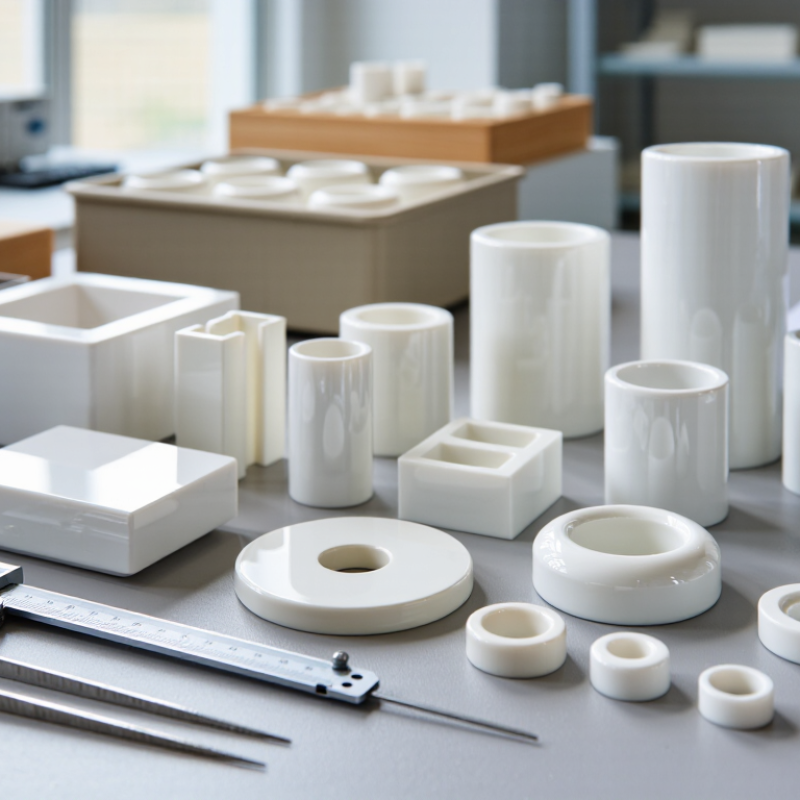
Alumina ceramics are engineered materials made mainly from aluminum oxide, a refined powder shaped and fired at high temperatures. Their dense structure provides strong hardness, electrical insulation, corrosion resistance, and stable performance in demanding environments. Purity levels commonly range from standard grades to very high-purity formulations. Each grade serves a different technical purpose.
Global buyers use alumina components in electrical insulators, furnace tubes, wear liners, seals, medical instruments, and precision substrates. They withstand abrasion better than many metals and remain reliable near elevated temperatures. Their smooth surfaces can also reduce contamination in controlled processing areas. It is not indestructible. Alumina is hard but brittle, so sudden impact and rapid temperature changes may cause cracking.
In supplier evaluations, experienced buyers review more than price. They check alumina purity, density, dimensional tolerance, surface finish, thermal-shock data, and batch consistency. Small details matter. A drawing should identify holes, radii, flatness, and inspection methods clearly. Test reports, sample approval, protective packaging, and realistic lead times also support dependable international purchasing. A specification can look complete and still miss installation stress or handling risks. That assumption fails. Buyers should confirm whether the ceramic will face vibration, chemical exposure, repeated heating, or contact with metal parts. Machining after firing is possible, but it can increase cost and extend delivery time. Careful technical discussion before production often prevents expensive replacements.
Alumina ceramics are advanced technical ceramics made primarily from aluminum oxide. As alumina purity increases, typical density and thermal conductivity generally rise, supporting demanding applications such as electrical insulation, wear-resistant components, laboratory equipment, seals, and high-temperature industrial parts. The values shown are representative engineering figures; actual performance varies by formulation, porosity, manufacturing process, and testing method.
For global buyers, evaluating alumina ceramic suppliers requires more than comparing prices. A polished website proves little. Ask for evidence. Request recent test reports covering alumina purity, density, flexural strength, dielectric performance, and dimensional tolerance. The report should identify testing methods and sample conditions. Compare these results with your drawing, operating temperature, and electrical requirements.
Supplier experience appears in small details. Can the engineering team explain shrinkage after sintering? Can they recommend a surface finish for sealing or sliding contact? I would request samples from the intended production process, not laboratory pieces. Measure them with calibrated tools. Check edge chipping, flatness, hole position, and glaze consistency. One sample can look excellent while a production batch varies. That risk deserves discussion.
Reliable suppliers also provide traceable batch numbers, inspection records, and clear corrective-action procedures. Confirm their quality system through current certificates and, when practical, a remote or on-site audit. Ask about tooling ownership, minimum order quantities, lead times, and replacement policies. International shipping needs strong packaging, moisture protection, and agreed Incoterms. Wooden crates may require destination-specific treatment documents. Verify applicable import, chemical, and product requirements before ordering. I once treated documentation as secondary; it delayed customs clearance and weakened an otherwise sound purchase. A written specification, signed by both sides, prevents that mistake from returning.
An anonymized international purchasing comparison based on technical capability, quality systems, export readiness, and commercial flexibility.
| Rank | Supplier ID | Primary Supply Region | Typical Alumina Purity | Main Product Forms | Forming & Finishing Capability | Indicative Lead Time | Typical MOQ | Quality & Compliance Evidence | Testing Available | Best Fit for International Buyers |
|---|---|---|---|---|---|---|---|---|---|---|
| 1 | Supplier 01 | East Asia | 95%–99.9% | Tubes, plates, rods, rings, custom parts | Dry pressing, isostatic pressing, extrusion, CNC grinding | 4–8 weeks | 10–100 pieces | ISO 9001:2015 documentation; material traceability available | Dimensional, density, hardness, dielectric, visual inspection | High-volume OEM programs and repeat custom production |
| 2 | Supplier 02 | Central Europe | 96%–99.7% | Insulators, substrates, bushings, wear components | Injection molding, pressing, lapping, metallization | 6–10 weeks | 25–250 pieces | ISO 9001:2015; process-control records available on request | Dielectric strength, thermal shock, dimensional and surface checks | Electrical, laboratory, and industrial equipment applications |
| 3 | Supplier 03 | North America | 95%–99.5% | Machined blanks, ceramic-to-metal components, tubes | CNC machining, diamond grinding, brazing, assembly | 5–12 weeks | 5–50 pieces | ISO 9001:2015; lot-level inspection reports available | CMM measurement, helium leak testing, microscopy, strength testing | Low-volume precision parts and engineered assemblies |
| 4 | Supplier 04 | South Asia | 95%–99.8% | Ceramic plates, liners, rollers, wear parts | Pressing, casting, CNC turning, polishing | 5–9 weeks | 50–500 pieces | ISO 9001:2015; inspection plan and certificate of conformity | Density, porosity, abrasion, hardness, dimensional inspection | Cost-sensitive wear-resistance and bulk component orders |
| 5 | Supplier 05 | Western Europe | 99.5%–99.9% | Substrates, windows, wafers, precision plates | Tape casting, sintering, thin grinding, optical polishing | 8–14 weeks | 10–100 pieces | ISO 9001:2015; controlled drawings and change-notification process | Flatness, parallelism, surface roughness, dielectric and visual testing | High-purity electronics, vacuum, and analytical instruments |
| 6 | Supplier 06 | Southeast Asia | 95%–99.5% | Insulating beads, tubes, spacers, custom shapes | Extrusion, dry pressing, drilling, centerless grinding | 4–8 weeks | 100–1,000 pieces | Quality manual; batch identification and certificate of analysis | Visual, dimensional, density, insulation-resistance testing | Standardized components and recurring distributor orders |
| 7 | Supplier 07 | East Asia | 99.0%–99.9% | Thermocouple tubes, furnace components, kiln furniture | Slip casting, isostatic pressing, high-temperature firing | 6–12 weeks | 10–75 pieces | ISO 9001:2015; furnace and firing-cycle records available | Thermal shock, refractoriness, dimensional and porosity testing | High-temperature processing and laboratory furnace applications |
| 8 | Supplier 08 | Eastern Europe | 96%–99.5% | Bushings, feedthroughs, rings, machined insulators | Pressing, CNC machining, grinding, ceramic-to-metal joining | 6–11 weeks | 20–200 pieces | ISO 9001:2015; supplier qualification and incoming inspection records | Leak, dielectric, dimensional, thermal-cycle and visual testing | Industrial electrical systems and hermetic assemblies |
| 9 | Supplier 09 | Middle East & North Africa | 95%–99.0% | Wear tiles, linings, chute components, custom plates | Pressing, casting, cutting, surface grinding | 5–10 weeks | 100–1,000 pieces | Product conformity records; batch and shipment documentation | Abrasion, hardness, density, porosity and dimensional testing | Mining, cement, bulk-material handling, and process industries |
| 10 | Supplier 10 | Latin America | 95%–99.5% | Standard tubes, spacers, washers, wear components | Pressing, extrusion, drilling, general-purpose grinding | 6–12 weeks | 50–500 pieces | Quality inspection checklist; certificate of conformity by shipment | Visual, dimensional, density and basic electrical testing | Regional sourcing, standard parts, and shorter local logistics routes |
Global buyers often compare alumina ceramic suppliers by more than price. Consistent purity, dimensional control, and export experience matter during real production. The ten supplier profiles below reflect common strengths found in the international market.
Details matter here. Ask for impurity limits, shrinkage data, tolerance charts, and sample inspection records. A supplier may quote 99.7% alumina, yet the final result can vary across batches. That difference becomes visible near sealing surfaces or drilled holes. Check packaging, too. A cracked edge may begin with weak internal protection. My own preference is to review one pilot batch before approving a yearly order. It costs more time. Still, it exposes problems early. Some evaluations remain incomplete when they rely only on certificates. Machining quality, lead time, and communication deserve equal attention. Cost is important, but unstable geometry can quietly increase assembly waste.
For global buyers, a top-ten alumina ceramic list should compare evidence, not polished websites. In supplier audits, I check alumina purity, fired density, porosity, hardness, and dimensional tolerance. Test reports should identify methods, sample numbers, and production dates. A 99.7% grade may suit electrical insulation, while 99.9% material can offer cleaner performance at higher cost. Ask for traceability from powder batch to final inspection. Small details matter.
Customization changes the buying decision quickly. Review drawings, shrinkage controls, grinding capability, surface finish, and inspection equipment before requesting a quote. Complex tubes, thin plates, and slotted parts need different tooling and machining plans.
Confirm prototype lead time, minimum order quantity, mold ownership, and revision control. A supplier promising every shape may lack depth. I have seen attractive samples fail during repeat production.
Pricing should be separated into material, tooling, machining, testing, packing, and freight. Cost is not quality. The lowest unit price can hide high scrap rates or unstable delivery. Compare quotes using the same tolerance, quantity, and acceptance criteria. Production capacity also needs proof: kiln size, monthly output, backup equipment, staffing, and recent on-time records. Request a capacity plan for peak months. One weakness remains easy to miss: suppliers may report maximum capacity, not realistic capacity. That distinction deserves written confirmation before purchase.
Selecting an alumina ceramic supplier starts with application evidence, not a polished catalogue. The USGS Mineral Commodity Summaries 2025 estimates about 140 million metric tons of alumina were produced worldwide in 2024. That figure describes feedstock, not finished ceramic parts. It still signals a deep, geographically distributed supply chain. Ask each shortlisted supplier for alumina purity, grain size, forming method, sintering temperature, and lot traceability. Small details matter.
Verify properties using a drawing and an agreed test plan. Request density, open porosity, dielectric strength, thermal conductivity, hardness, and flexural strength, with test methods stated. ASTM C1161 supports room-temperature flexural testing of advanced ceramics, while ASTM C20 measures apparent porosity and water absorption. ISO 9001 certification can support process control, but it does not prove your required wear life. Require recent, batch-linked reports from an independent laboratory when failure costs are high. Test samples under actual loads, temperatures, and surface finishes.
Audit the factory remotely or in person. Check powder storage, pressing records, furnace calibration, diamond-grinding controls, nonconformance handling, and packaging. Compare three lots, not one perfect sample. UNCTAD’s Review of Maritime Transport 2024 reported a 6% rise in global shipping demand, measured in ton-miles, during the first half of 2024 because of rerouting. Therefore, evaluate backup capacity, export documents, delivery history, and spare tooling. I would also request failure-analysis examples. A supplier may hesitate. That hesitation is useful evidence. My own mistake was trusting a certificate without matching its scope to the part. Verification is never perfectly clean, and assumptions deserve another review.
Request recent reports for purity, density, porosity, strength, electrical performance, and dimensional tolerance. Each report should state test methods, sample numbers, and production dates. Ask for batch traceability.
Request samples made with the intended production process, not laboratory pieces. Measure flatness, hole position, edge chipping, and surface finish with calibrated tools. One sample can mislead.
Compare purity, grain size, density, hardness, thermal conductivity, and flexural strength with your drawing. Check performance at the real temperature, load, and electrical conditions. Test the finished surface.
Ask how the supplier controls shrinkage after sintering. Review tooling, grinding methods, tolerances, revision control, and prototype timing. Thin plates and slotted parts need different production plans.
Separate material, tooling, machining, testing, packaging, and freight costs. Use identical quantities, tolerances, and acceptance criteria for every quotation. The cheapest unit price may hide scrap or unstable delivery.
Request kiln sizes, realistic monthly output, backup equipment, staffing, and recent delivery records. Ask for a peak-season capacity plan. Maximum capacity is not dependable capacity.
Check powder storage, pressing records, furnace calibration, grinding controls, and nonconformance handling. Compare three production lots instead of one attractive sample. Inspect remotely or in person.
Confirm lead times, packaging, moisture protection, replacement procedures, and agreed delivery terms. Verify export documents and destination requirements before ordering. I once treated paperwork as secondary, and clearance was delayed.
This guide explains why Alumina Ceramic is widely used in demanding industrial applications, including electrical insulation, wear-resistant components, thermal systems, and laboratory equipment. It outlines the material’s key advantages, such as high hardness, excellent temperature resistance, chemical stability, and reliable dielectric performance. For global buyers, selecting the right supplier requires more than comparing product prices. Important considerations include technical expertise, raw material control, manufacturing capabilities, quality certifications, inspection procedures, communication, export experience, and delivery reliability.
The article also presents a practical framework for comparing leading supplier types according to product quality, customization options, pricing structure, production capacity, and ability to meet international specifications. Buyers will learn how to assess drawings, samples, tolerances, testing reports, packaging, and after-sales support before placing an order. By verifying production facilities, requesting clear documentation, conducting sample evaluations, and confirming long-term supply capability, companies can reduce purchasing risks and choose an Alumina Ceramic supplier that best matches their application, budget, and performance requirements.
