
Explore our top-rated high-performance ceramic formulations optimized for extreme wear, high temperatures, and harsh chemical environments.
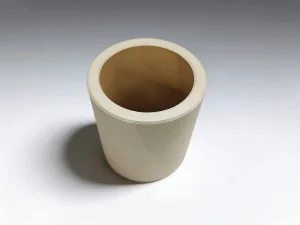
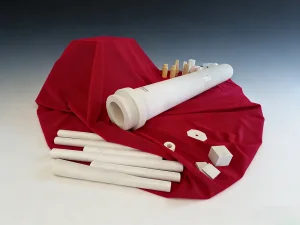
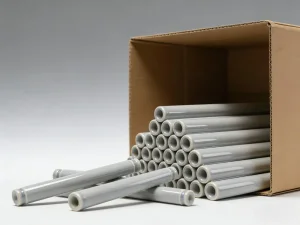
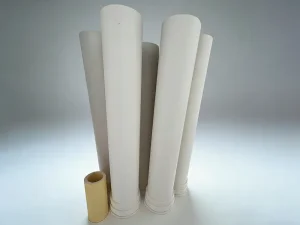
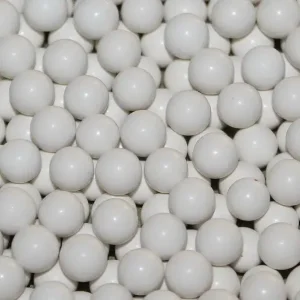
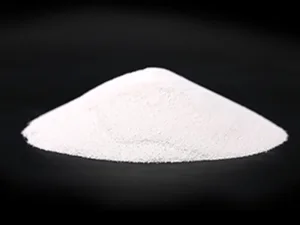
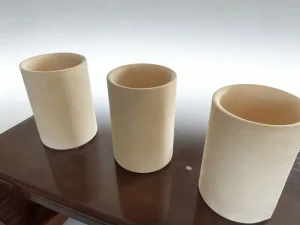
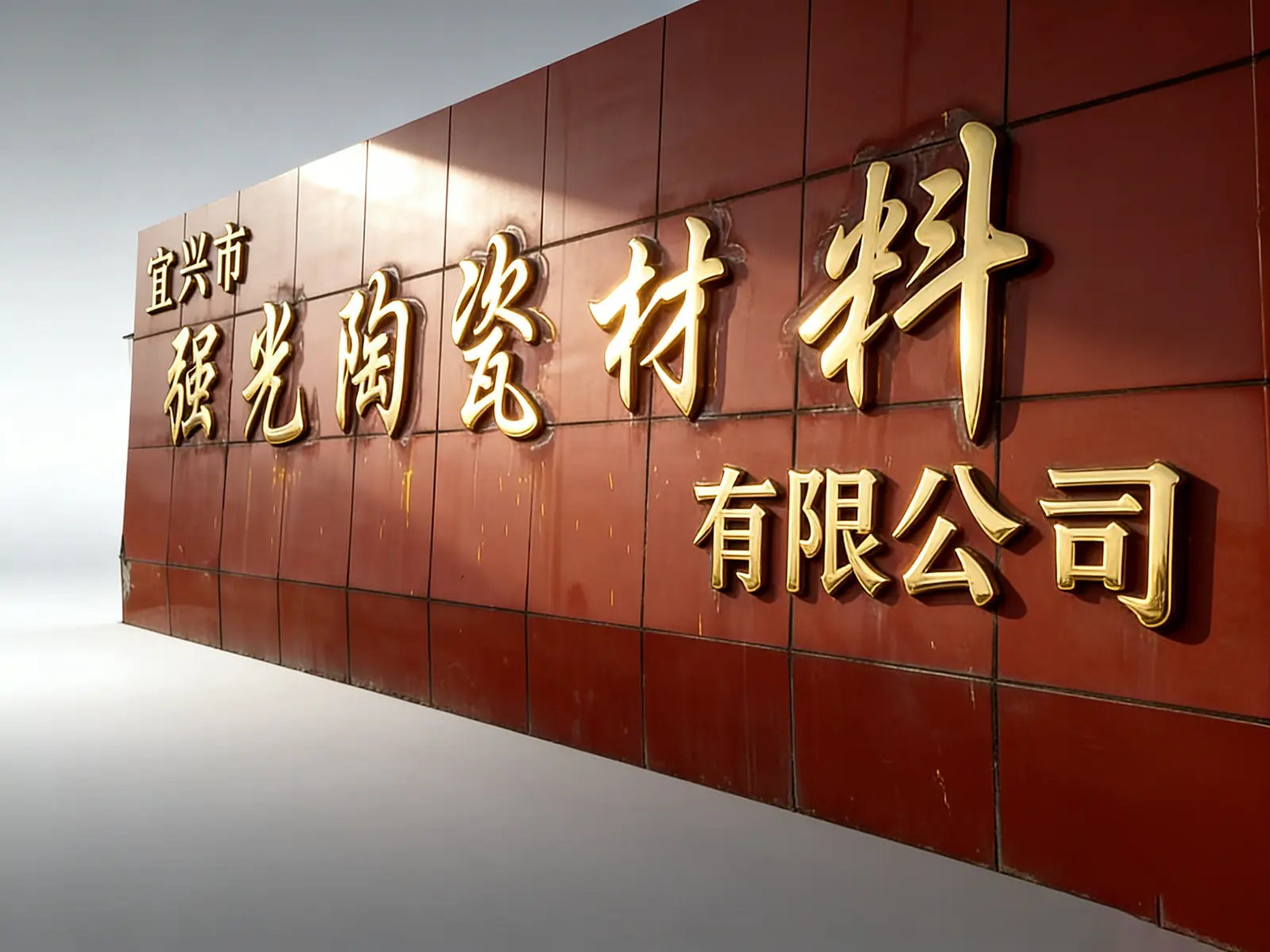
Corporate Identity: Founded in 2003, Yixing Qiangguang Ceramic Materials Co., Ltd. is a professional provider dedicated to the research and development (R&D), manufacturing, and application solutions of high-performance advanced ceramic materials. It is among the few enterprises in China that possess a complete industrial chain, covering key links from powder forming, sintering and precision machining to the provision of integrated application solutions.
The company is also a rare domestic manufacturer engaged in the R&D, production, and supply of a comprehensive portfolio of ceramic materials. Its product range covers zirconia, yttria, alumina, magnesia, aluminum nitride, boron nitride, silicon nitride, silicon carbide, aluminum titanate and other key ceramic materials for industrial use.
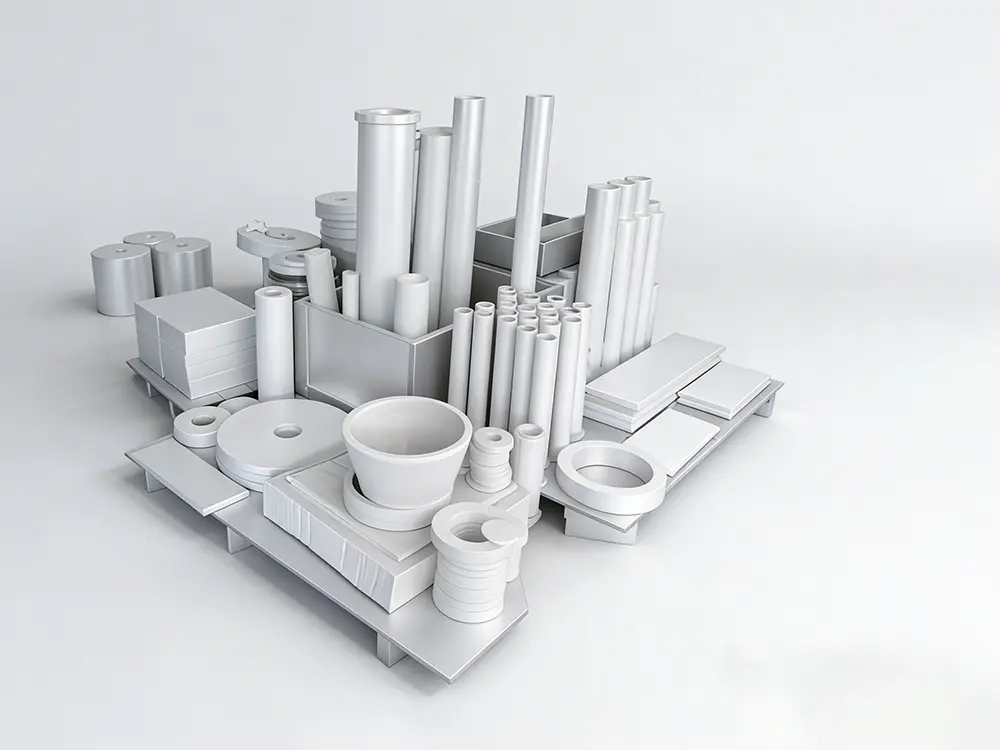
Benefiting from excellent product performance and stable quality, its products are extensively utilized in various high-end fields, such as food and medical industries, new energy vehicles, laser semiconductors, petrochemical engineering, powder metallurgy, national defense and military, as well as aerospace sectors.
Adhering to the core principle of "creating value for customers", Qiangguang provides customized and cost-efficient advanced ceramic solutions tailored to the specific demands of different customers. It is supported by high-quality after-sales services and a strict full-process tracking system, which effectively enhances cooperation efficiency and promotes continuous quality improvement.
At present, the company's products are sold well across the country and exported to Italy, the United Kingdom, Australia, Japan, Malaysia, Thailand, Hungary and other countries and regions. Committed to delivering high-quality products at reasonable prices, Qiangguang sincerely looks forward to establishing long-term and stable cooperative relations with global partners.
The global demand for advanced engineering ceramics has transitioned from traditional wear-resistant liners toward highly specialized, multi-functional structural and functional components. Modern manufacturing sectors—ranging from 5G/6G semiconductor sub-assemblies to ultra-deep geothermal drills—demand materials that combine chemical inertness, high dielectric strength, high thermal conductivity, and extreme resistance to mechanical fracture.
As industrial automation accelerates, global supply chains require precision-manufactured technical ceramics that can withstand environments where conventional metals and polymers fail. Material selection is no longer governed strictly by component price, but by Total Cost of Ownership (TCO), overall equipment effectiveness (OEE), and process reliability under thermal shock, high chemical acidity, and extreme tribological wear.
To assist global procurement managers and structural engineers in selecting the optimal technical ceramic substrate, the following matrix details the core physical and thermal attributes of our flagship materials:
| Material Class | Density (g/cm³) | Flexural Strength (MPa) | Thermal Conductivity (W/m·K) | Fracture Toughness (MPa·m¹/²) | Max Operating Temp (°C) |
|---|---|---|---|---|---|
| Yttria-Stabilized Zirconia (3Y-TZP) | 6.05 | 1100 - 1300 | 2.5 - 3.0 | 8.0 - 10.0 | 1200 |
| Magnesium-Stabilized Zirconia (MSZ) | 5.74 | 600 - 800 | 2.5 | 9.0 - 12.0 | 1400 |
| Silicon Nitride (Si3N4) | 3.25 | 850 - 1000 | 30 - 35 | 6.5 - 7.5 | 1400 |
| Aluminum Nitride (AlN) | 3.30 | 350 - 450 | 170 - 230 | 3.0 - 4.0 | 1100 (vacuum) |
| High-Purity Alumina (99.8% Al2O3) | 3.92 | 380 - 450 | 30 | 4.0 - 4.5 | 1650 |
| Aluminium Titanate (Al2TiO5) | 3.50 | 40 - 80 | 1.5 - 2.0 | 1.5 - 2.5 | 1400 (Low Expansion) |
The global dominance of Chinese technical ceramic suppliers like Yixing Qiangguang Ceramic Materials Co., Ltd. stems from an integrated industrial ecosystem centered around Yixing, Jiangsu—historically renowned as China's ceramic capital and now transformed into a high-tech advanced ceramic hub. This geographic consolidation offers unparalleled operational efficiency across three core vectors:
Unlike Western providers who frequently outsource powder synthesis or finish-grinding to third-party sub-contractors, Qiangguang operates a completely unified production line. From raw chemical synthesis (such as co-precipitation of yttrium and zirconium salts) to cold isostatic pressing (CIP), high-temperature vacuum sintering, and multi-axis CNC diamond grinding, every step is governed under an ISO 9001-certified Quality Management System. This eliminates inter-facility freight delays and guarantees batch-to-batch chemical homogeneity.
By leveraging localized bulk chemical raw materials, energy-optimized sintering kilns, and robust automated handling, Chinese ceramic manufacturers offer a 30% to 50% total cost advantage over European or North American counterparts. Crucially, this cost reduction is achieved while adhering strictly to international ASTM, DIN, and JIS testing standardizations.
Modern engineering projects require rapid iterations. Our agile tooling workflow allows for custom mold fabrication and prototype sintering in under 14 days, compared to the industry standard of 8 to 12 weeks in Western markets. This speed-to-market allows aerospace, automotive, and semiconductor original equipment manufacturers (OEMs) to accelerate their R&D cycles efficiently.
Pure Zirconia (ZrO2) undergoes a phase transformation during cooling from tetragonal to monoclinic crystal structure at approximately 1170°C, accompanied by a volumetric expansion of ~3% to 5%. This expansion induces internal micro-cracking, causing un-stabilized pure zirconia to fracture. By introducing stabilizing oxides such as Y2O3 (Yttria), MgO (Magnesia), or CaO (Calcia), the cubic and tetragonal phases can be stabilized at ambient room temperature.
Yttria-Stabilized Zirconia (YSZ): Exhibits exceptional flexural strength (>1000 MPa) and high fracture toughness via stress-induced transformation toughening. When a crack tip propagates through 3Y-TZP, the localized tensile stress forces metastable tetragonal grains to transform into monoclinic symmetry. The associated volume expansion clamps the crack tip shut, halting crack propagation.
Magnesium-Stabilized Zirconia (MSZ): Features a specialized microstructural matrix containing tetragonal precipitates within a cubic phase. MSZ demonstrates superior resistance to thermal shock and steam-induced low-temperature degradation (LTD) compared to YSZ, making it the premier material choice for heavy-duty metal forming dies, extrusion nozzles, and high-temperature furnace components operating above 1000°C.
Aluminum Nitride (AlN): Essential for high-power electronics and thermal management applications. AlN features a theoretical thermal conductivity of up to 320 W/m·K (commercially produced at 170–230 W/m·K), which is over 7 times higher than that of standard 96% Alumina. Additionally, its coefficient of thermal expansion (CTE) closely matches that of silicon wafers (4.6 × 10^-6 /K), making it the ideal substrate for high-density IGBT power modules and semiconductor heating elements.
Silicon Nitride (Si3N4): Known for its exceptional mechanical integrity in high-stress, dynamic environments. Si3N4 features an elongated, interlocking beta-phase grain structure that imparts high flexural strength, high resistance to thermal shock, and low friction coefficient. It is widely applied in automotive turbocharger rotors, EV electric motor ceramic ball bearings, and silicon wafer handling equipment.
Our ceramic components are precision-engineered to address complex application-specific engineering challenges across top-tier manufacturing sectors:
Sourcing technical ceramic components globally requires stringent verification of material specs, dimensional tolerances, and structural integrity. At Yixing Qiangguang, our quality assurance protocols ensure 100% compliance with international standards through five rigorous checkpoints:
Discover our specialized high-density powders, thermal substrates, and precision grinding solutions engineered for niche industrial applications.
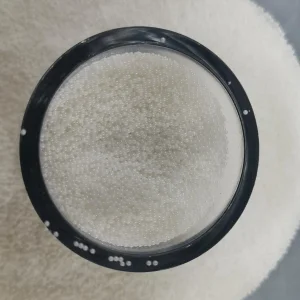
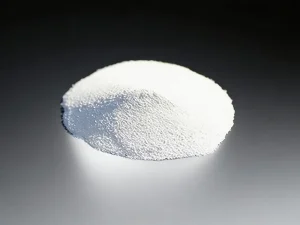
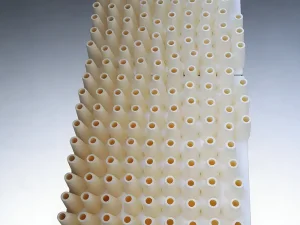
Answers to common technical, material selection, and international purchasing queries compiled by our engineering team.
Answer: Choose YSZ (3Y-TZP) when maximum room-temperature flexural strength (1100-1300 MPa) and high fracture toughness are required for structural parts, blades, or precision wear rings operating under 400°C. Choose MSZ when operating in high-temperature environments (up to 1400°C), thermal shock applications (such as metal extrusion tools), or environments exposed to hot steam, as MSZ resists low-temperature hydrothermal degradation far better than YSZ.
Answer: Aluminum Nitride provides 7 to 8 times higher thermal conductivity (170-230 W/m·K) compared to 96% Alumina (24-30 W/m·K). Furthermore, AlN's coefficient of thermal expansion matches silicon closely, significantly reducing thermal expansion mismatch stresses in high-power semiconductor packaging, IGBT modules, and LED thermal sinks.
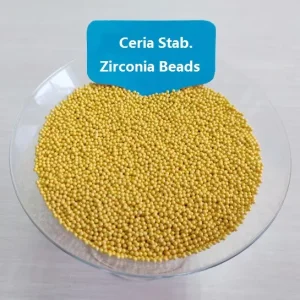
Answer: Ceria-Stabilized Zirconia (Ce-TZP) beads feature high density (~6.2 g/cm³), which imparts higher kinetic impact energy during agitation milling. This high mass allows for efficient ultra-fine grinding of high-viscosity slurries (such as minerals, calcium carbonate, and paint pigments) without bead crushing or excessive mill shell wear.
Answer: Through state-of-the-art CNC diamond grinding, lapping, and honing machines, we routinely achieve dimensional tolerances down to ±0.001 mm (1 micron), concentricity within 0.002 mm, and surface roughness Ra as smooth as 0.01 µm for precision plungers, valve spools, and optical guide components.
Answer: Standard sample production and custom green-body tooling typically require 10 to 18 working days depending on geometry complexity. Mass production delivery times range from 3 to 4 weeks. Expedited rapid prototyping options are available upon request.
Answer: All finished ceramic components undergo ultrasonic cleaning and are vacuum-sealed in moisture-proof anti-static bags. Components are packed inside customized high-density EVA foam cutouts and encased within export-grade fumigation-free wooden crates, ensuring zero transit breakage across sea or air freight.