Frequently Asked Questions (FAQ)
Q
What are alumina ceramic balls made of?
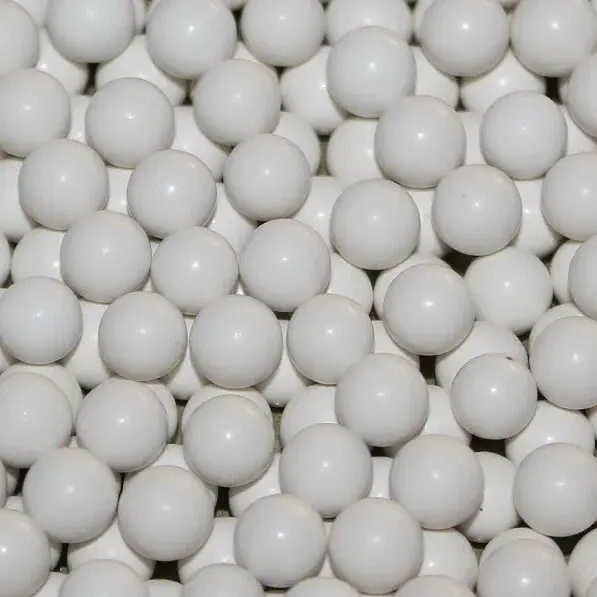
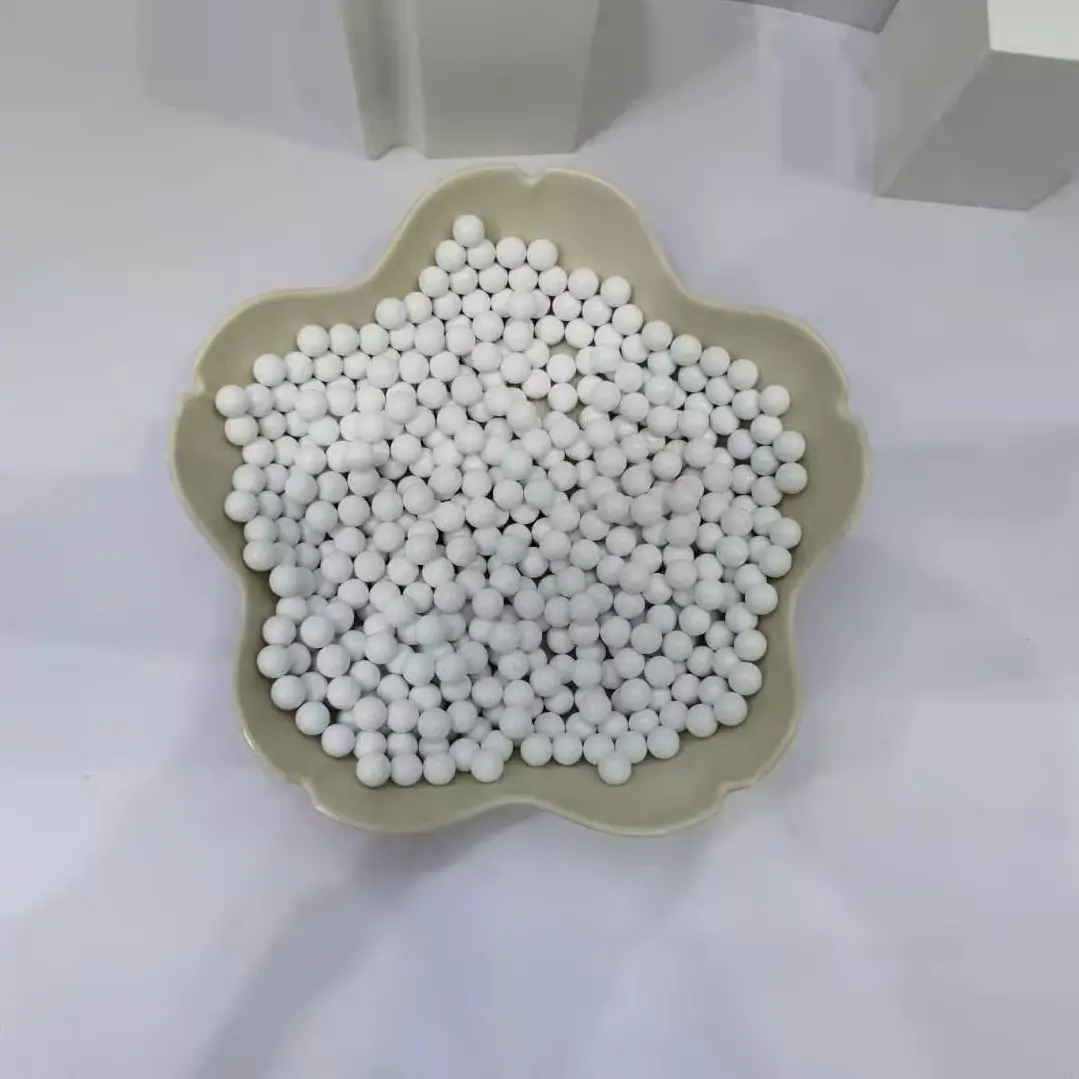
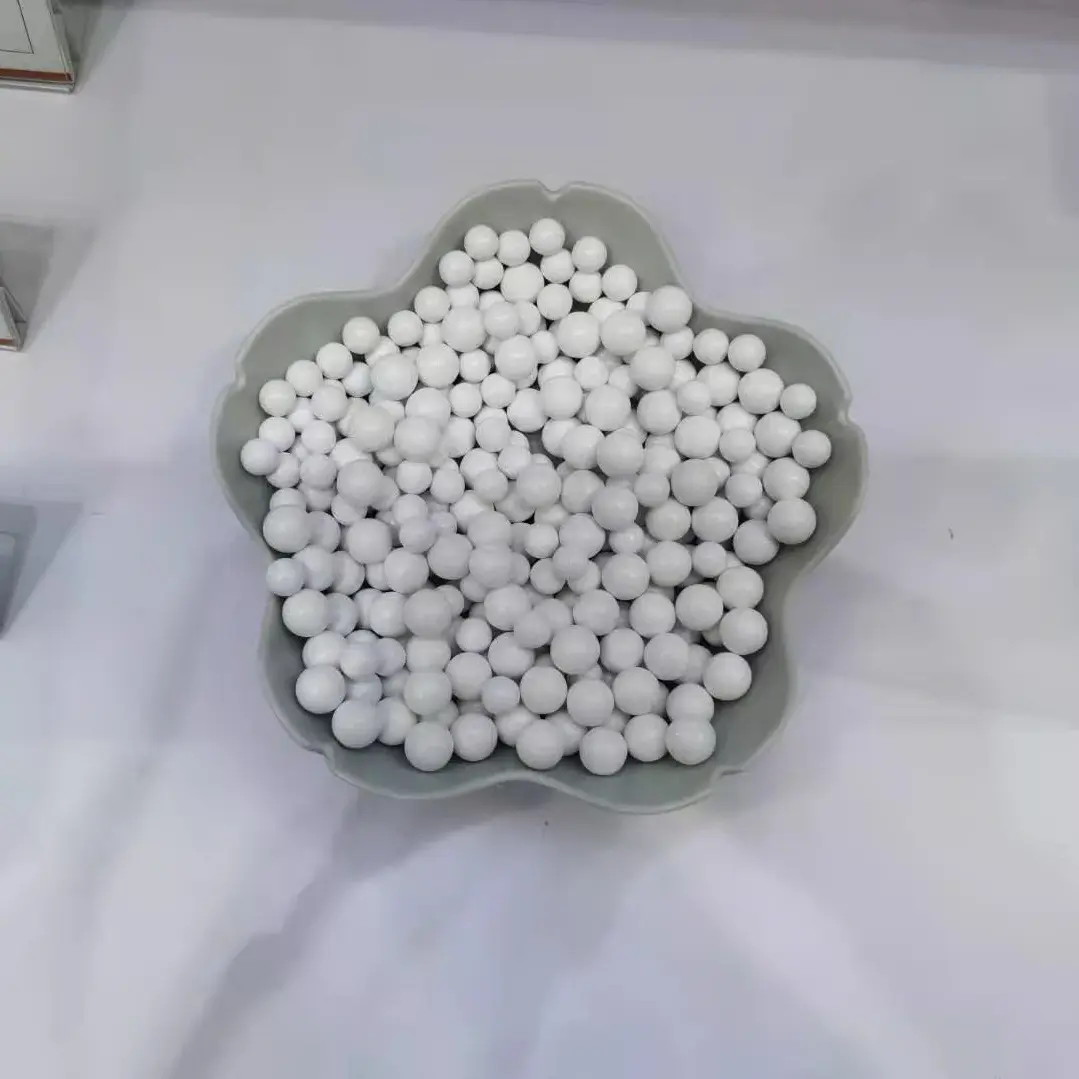
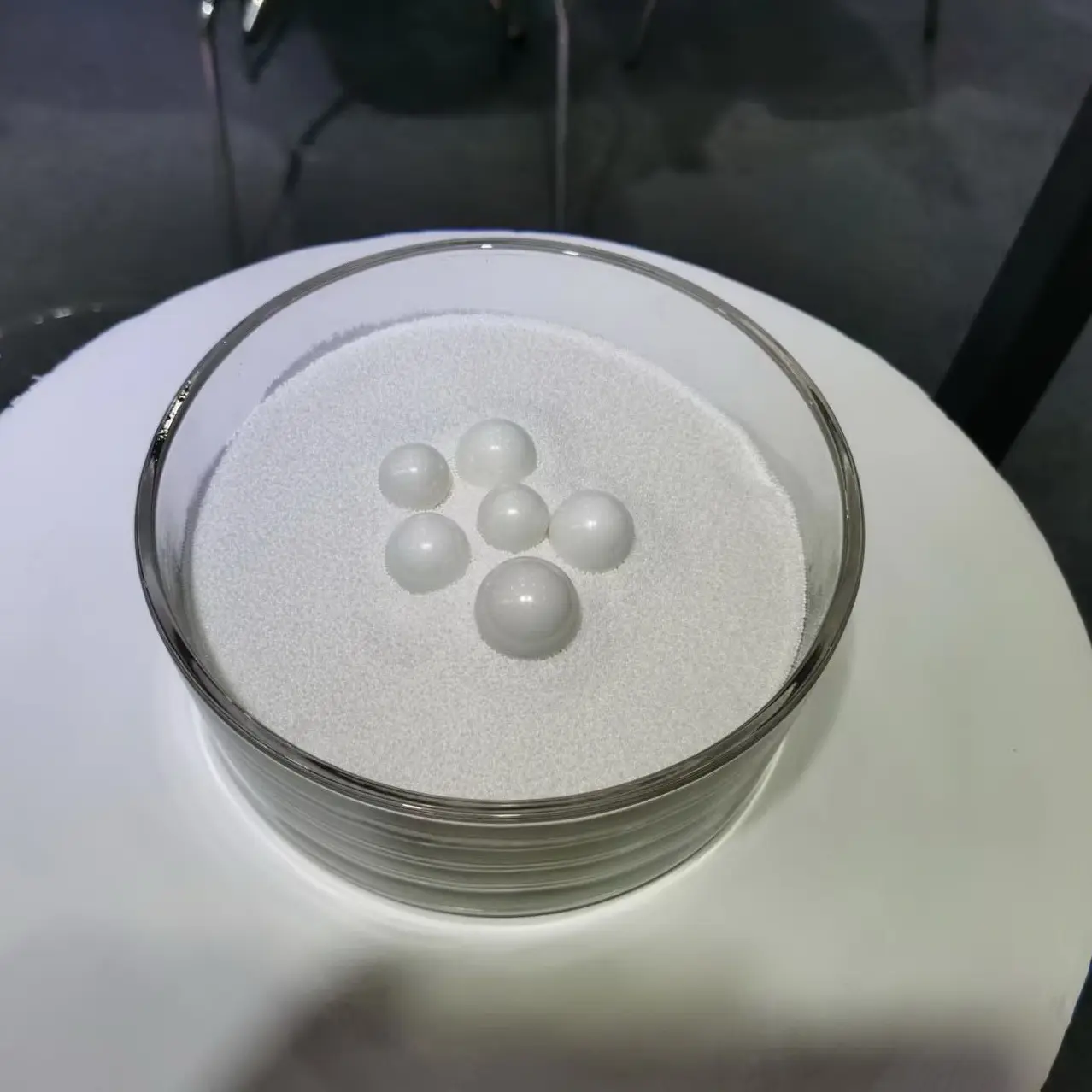
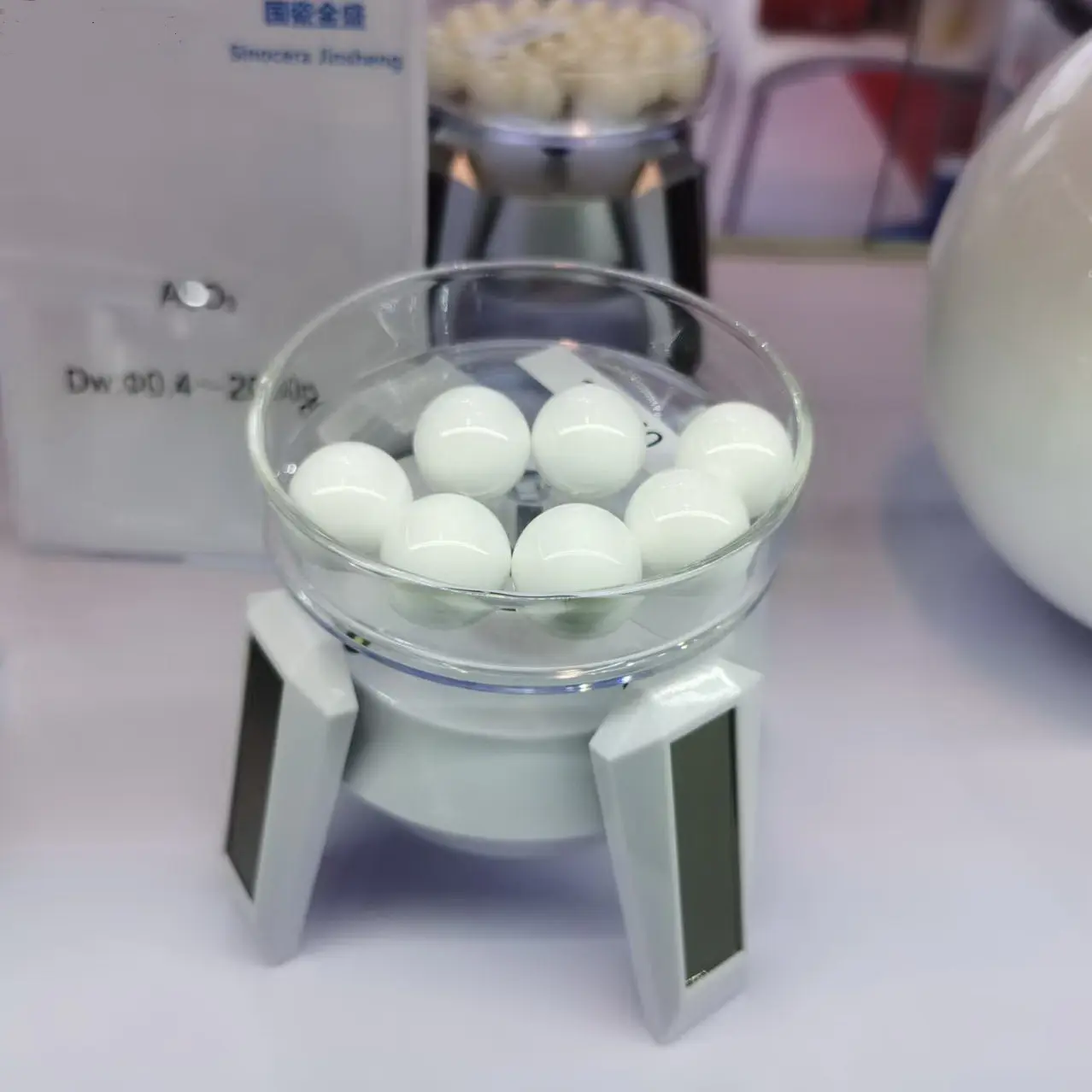
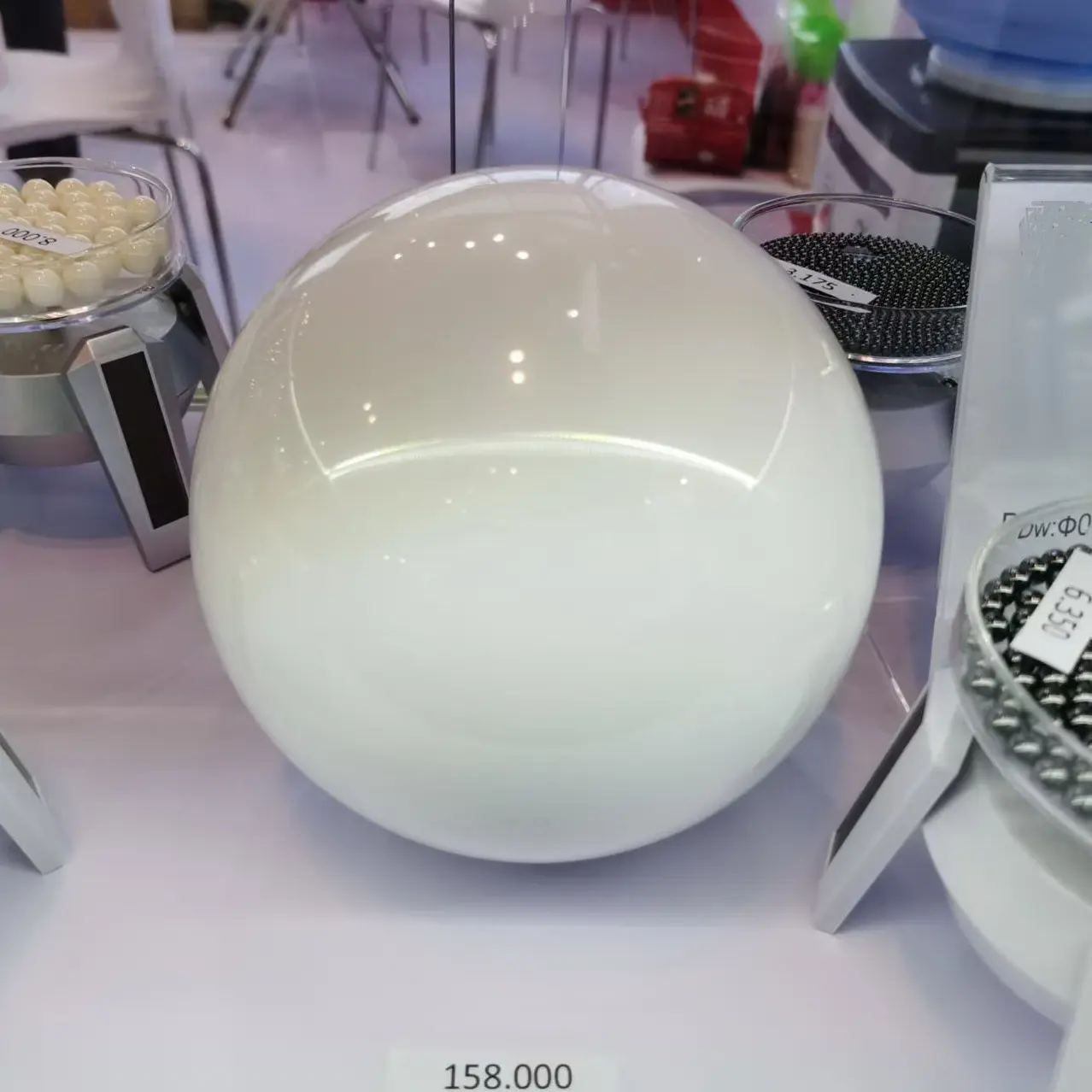
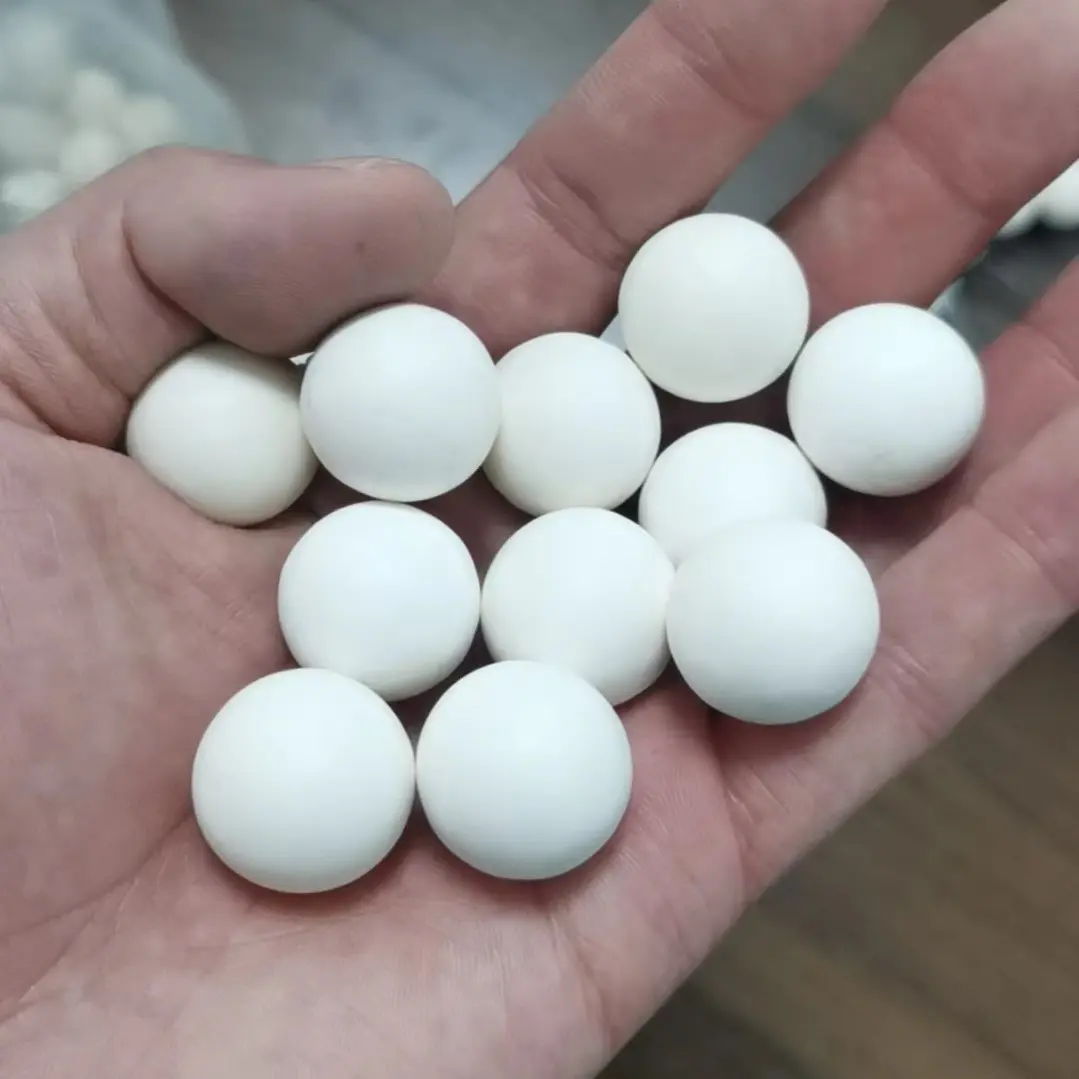
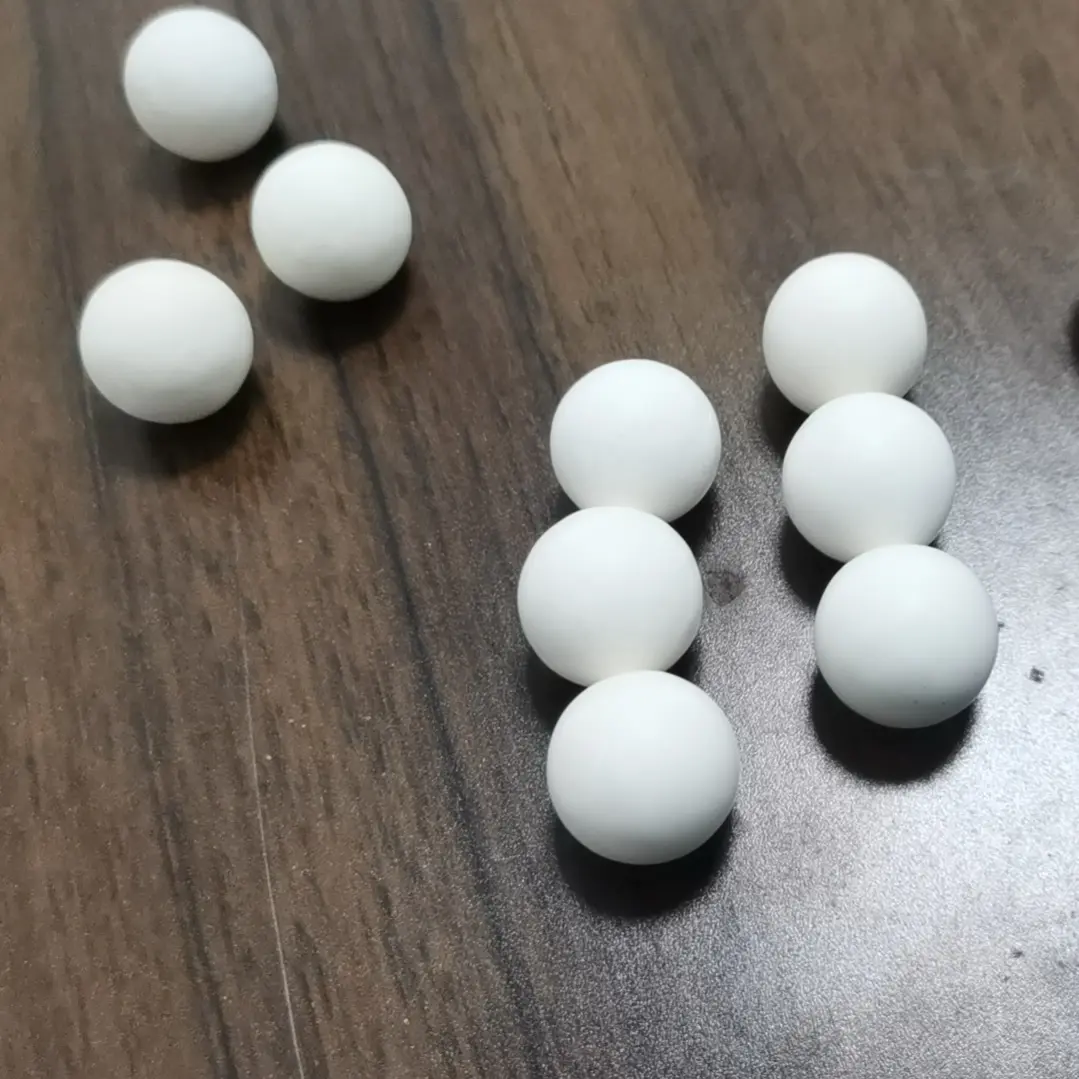
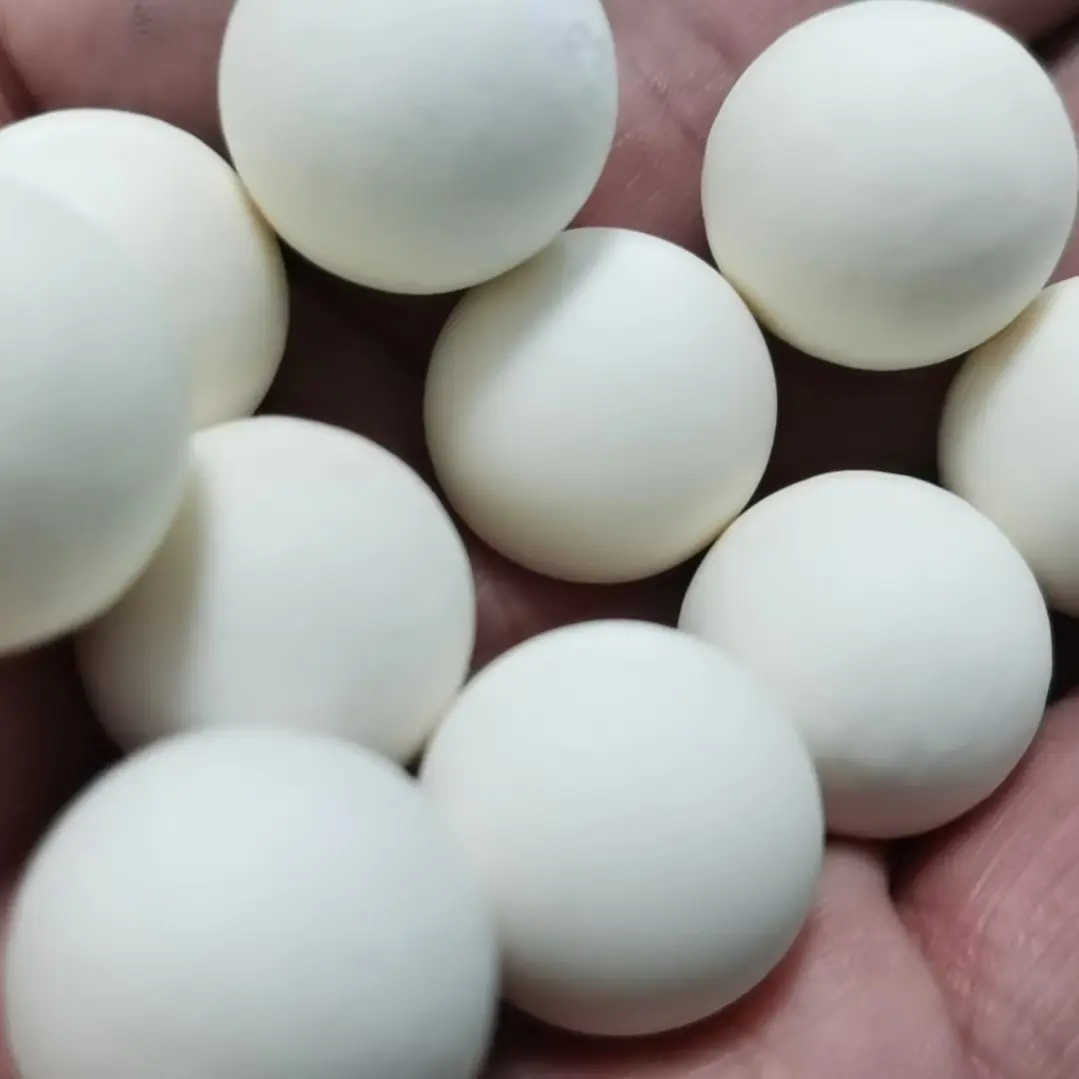
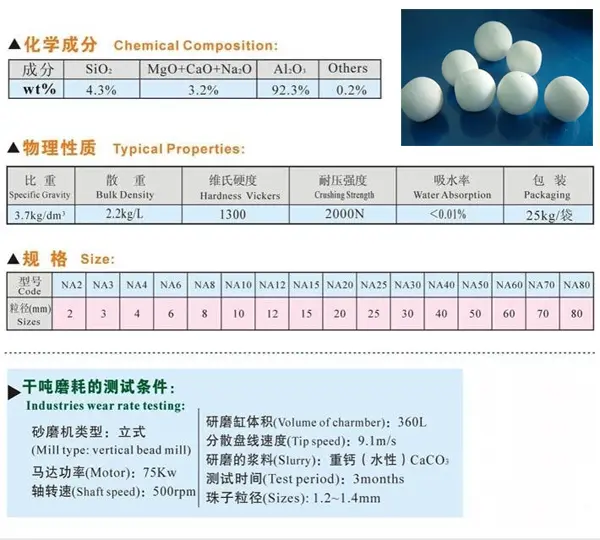
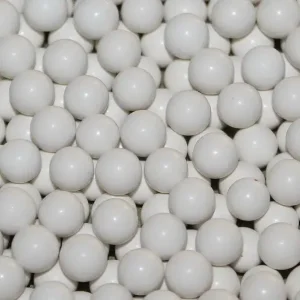
Alumina ceramic balls are manufactured using micro fine Al₂O₃ (aluminum oxide) powder through an isostatic pressing process, followed by high-temperature sintering. This results in a dense, small-crystal structure that is free from air pockets and delivers superior wear resistance.
Q
What industries use alumina ceramic balls?
Alumina ceramic balls are widely used across multiple industries including mining and mineral processing, ceramics manufacturing, paints and coatings, electronics, petrochemicals, and pharmaceutical and chemical production. They serve both as grinding media and catalyst support materials.
Q
How do alumina ceramic balls compare to zirconia or glass balls?
Alumina ceramic balls are more cost-effective than zirconia balls while offering higher density than glass or agate balls. They also produce lower contamination compared to glass balls, making them a practical and economical choice for many grinding and filling applications.
Q
Can alumina ceramic balls be used as catalyst supports?
Yes. Alumina ceramic balls are widely used as inert catalyst carrier balls in petrochemical, chemical, and refinery applications. Their excellent thermal stability, high mechanical strength, and chemical inertness make them ideal for fixed-bed reactors.
Q
Are alumina ceramic balls suitable for pharmaceutical applications?
Absolutely. Their high corrosion resistance and chemical purity make alumina ceramic balls well-suited for use in pharmaceutical manufacturing, including fine grinding of active pharmaceutical ingredients (APIs) and use as filling media in processing columns and reactors.
Q
What sizes and types of mills are alumina ceramic balls compatible with?
Alumina ceramic balls are compatible with a wide range of milling equipment including ball mills, stirred mills, and attritors. They are particularly well-suited for larger ball mills where their high density and wear resistance offer significant performance and cost advantages over conventional grinding media.