Explore our top-tier engineering ceramic powders, structural shapes, and custom precision components engineered for extreme thermal, chemical, and wear environments.
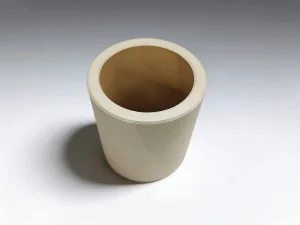
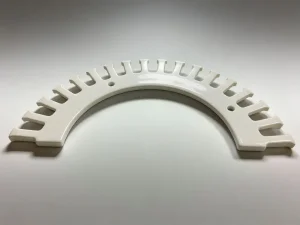
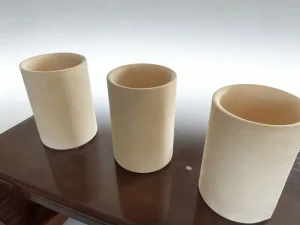
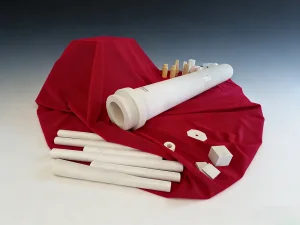
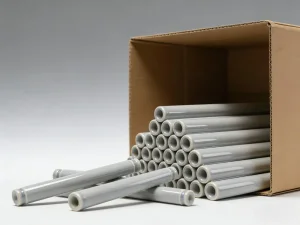
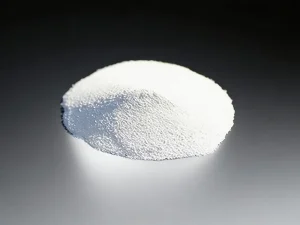
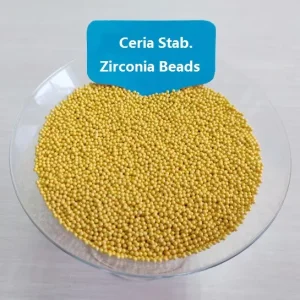
An authoritative analysis of technical ceramic powders, monolithic structural ceramics, and precise engineering components for procurement directors and materials engineers worldwide.
In the rapidly evolving landscape of advanced industrial manufacturing, technical ceramics have transitioned from specialized niche materials to foundational building blocks for modern technology. As global industries push the boundaries of operational pressure, thermal cycling, and chemical corrosive environments, traditional metals and polymers often reach their absolute physical limitations. Superior industry suppliers and factories specializing in advanced ceramic engineering now stand at the core of high-tech innovation.
Selecting a qualified wholesale ceramic supplier requires far more than comparing per-unit pricing. It demands a rigorous evaluation of the manufacturer's synthesis capabilities, sintering technologies, precision machining tolerances, quality assurance protocols, and supply chain resiliency. This industrial whitepaper provides enterprise buyers and technical decision-makers with comprehensive information gain regarding powder stabilization chemistries, microstructural tailoring, total cost of ownership (TCO) optimization, and direct factory procurement advantages from China's premier advanced ceramic industrial hub.
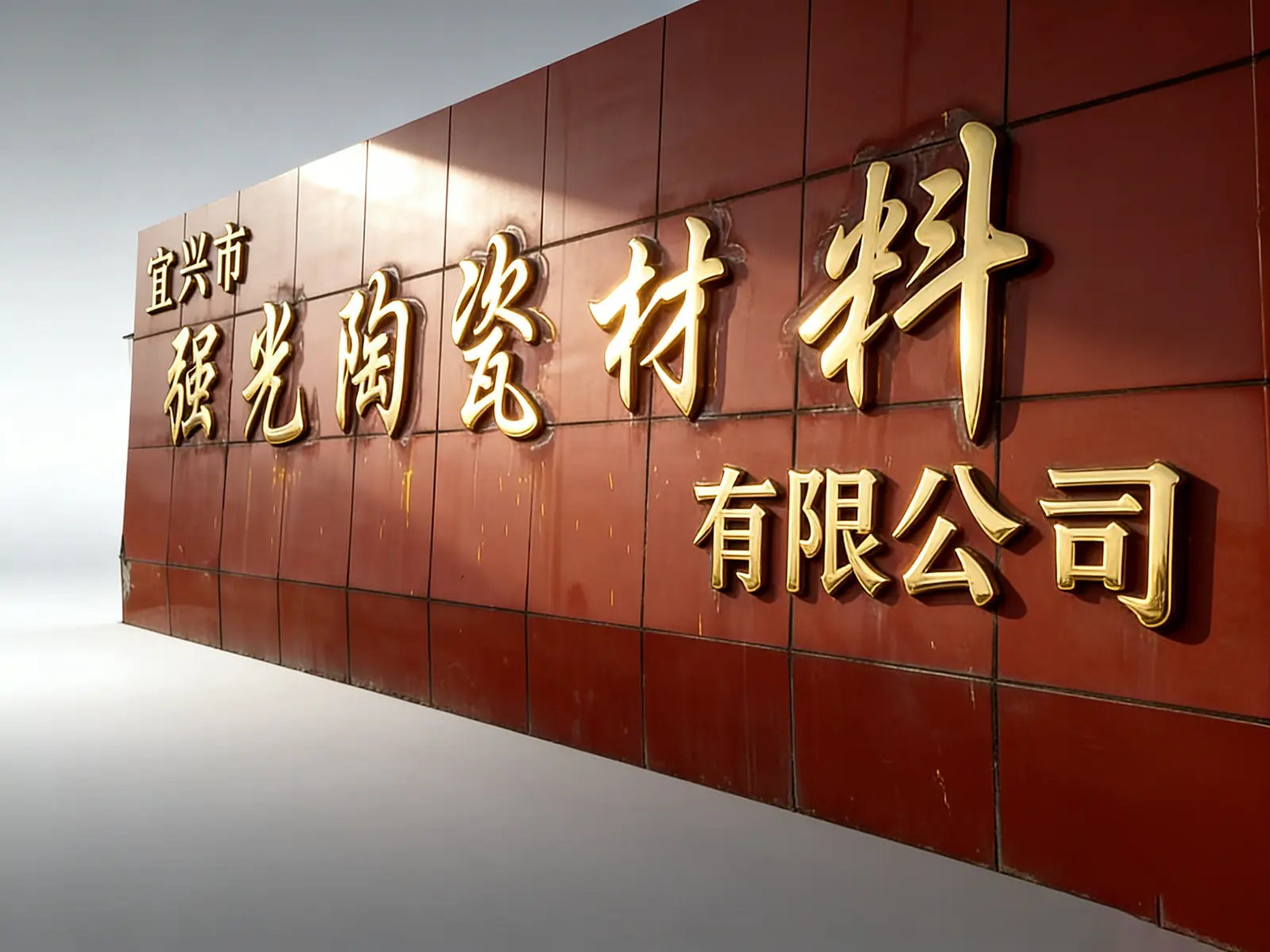
Founded in 2003, Yixing Qiangguang Ceramic Materials Co., Ltd. is a professional provider dedicated to the research and development (R&D), manufacturing, and application solutions of high-performance advanced ceramic materials. It is among the few enterprises in China that possess a complete industrial chain, covering key links from powder forming, sintering and precision machining to the provision of integrated application solutions.
The company is also a rare domestic manufacturer engaged in the R&D, production, and supply of a comprehensive portfolio of ceramic materials. Its product range covers zirconia, yttria, alumina, magnesia, aluminum nitride, boron nitride, silicon nitride, silicon carbide, aluminum titanate and other key ceramic materials for industrial use.
Benefiting from excellent product performance and stable quality, its products are extensively utilized in various high-end fields, such as food and medical industries, new energy vehicles, laser semiconductors, petrochemical engineering, powder metallurgy, national defense and military, as well as aerospace sectors.
Through continuous material science optimization, Yixing Qiangguang customizes microstructural grain size, density, and fracture toughness to meet the stringent demands of mission-critical engineering applications.
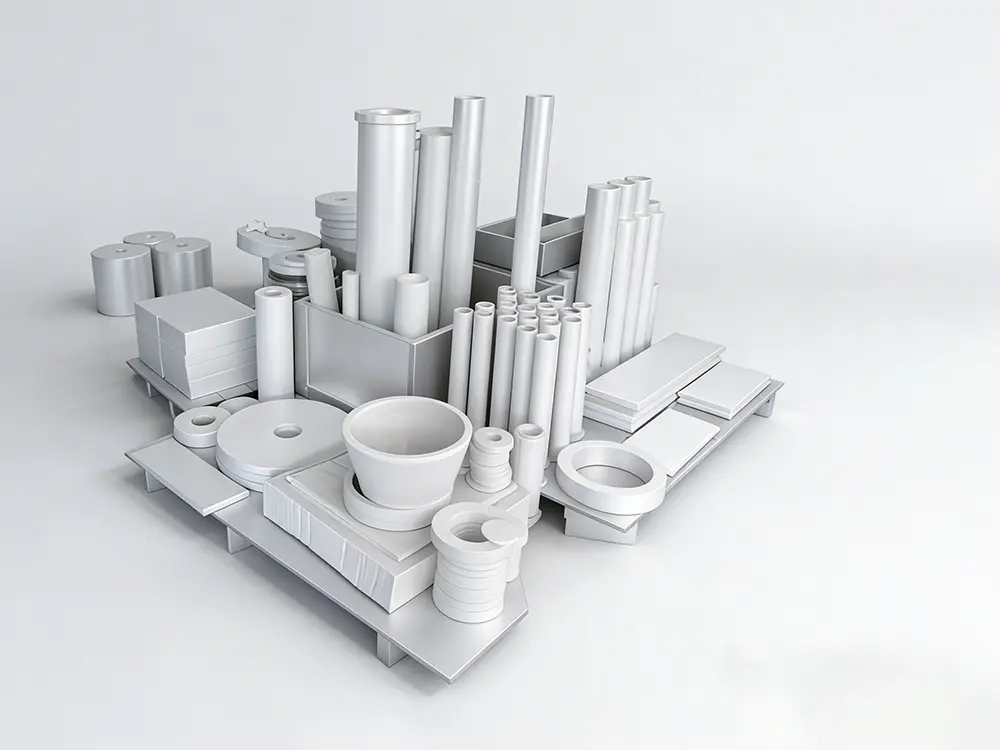
Adhering to the core principle of "creating value for customers", Qiangguang provides customized and cost-efficient advanced ceramic solutions tailored to the specific demands of different customers. It is supported by high-quality after-sales services and a strict full-process tracking system, which effectively enhances cooperation efficiency and promotes continuous quality improvement.
At present, the company's products are sold well across the country and exported to Italy, the United Kingdom, Australia, Japan, Malaysia, Thailand, Hungary and other countries and regions. Committed to delivering high-quality products at reasonable prices, Qiangguang sincerely looks forward to establishing long-term and stable cooperative relations with global partners.
Understanding the crystallographic stabilization, mechanical toughness, and thermal transfer mechanisms of modern industrial ceramics.
Pure zirconium dioxide undergoes a destructive phase transition during thermal cycling: monoclinic at room temperature transitions to tetragonal at ~1170°C, and cubic at ~2370°C. This phase change involves a volume contraction/expansion of approximately 3% to 5%, inducing severe internal cracking. To harness zirconia's exceptional mechanical strength, stabilizing oxides (Y2O3, MgO, CaO, CeO2) are introduced to lock the high-temperature tetragonal or cubic phases at room temperature.
Utilizing 3mol% Y2O3, Y-TZP demonstrates transformation toughening. External stress triggers a local tetragonal-to-monoclinic phase transformation, expanding local volume and inducing compressive stress that clamps crack tips shut. Ideal for biomedical implants, precision cutting tools, and structural seals.
Featuring a partially stabilized ceramic structure, Mg-PSZ maintains superior resistance to thermal shock and high-temperature steam degradation. It excels in harsh metal casting refactory components, molten metal control valves, and deep-well oil/gas pumping equipment.
Ca-PSZ offers exceptional cost efficiency for high-temperature refractory and thermal insulation applications. Ce-TZP provides unmatched resistance to low-temperature degradation (LTD/hydrothermal aging), making it highly effective for heavy-duty grinding media and wet sub-micron milling.
In semiconductor packaging, power electronics, and high-power laser systems, rapid heat dissipation is paramount. Aluminum Nitride (AlN) delivers an extraordinary combination of high thermal conductivity (170–230 W/m·K) and excellent electrical resistivity (>1014 Ω·cm). Furthermore, its coefficient of thermal expansion (CTE of 4.5 × 10⁻⁶/K) closely matches that of silicon wafers (3.5–4.0 × 10⁻⁶/K), dramatically reducing thermal mismatch strain in IGBT modules and microelectronic heat sinks.
Silicon Nitride (Si3N4) features a covalent crystal structure yielding exceptional flexural strength (>900 MPa), superior fracture toughness, and low density (3.2 g/cm³). It is the premier material for silicon nitride ceramic bearings, automotive turbocharger rotors, and high-speed CNC spindle shafts. Conversely, Aluminum Titanate (Al2TiO5) exhibits an extremely low thermal expansion coefficient and high resistance to wetting by molten non-ferrous metals (aluminum, magnesium), rendering it irreplaceable in aluminum alloy casting dosing tubes and riser pipes.
| Material Type | Density (g/cm³) | Flexural Strength (MPa) | Fracture Toughness (MPa·m¹/²) | Thermal Conductivity (W/m·K) | Primary Industrial Applications |
|---|---|---|---|---|---|
| Y-TZP Zirconia | 6.05 | 1000 - 1200 | 7.0 - 10.0 | 2.5 - 3.0 | Biomedical Implants, Valves, Fiber Optic Ferrules |
| Mg-PSZ Zirconia | 5.75 | 600 - 800 | 8.0 - 12.0 | 2.5 | Metal Extrusion Dies, Refractory Valve Components |
| Aluminum Nitride (AlN) | 3.26 | 320 - 400 | 3.0 - 3.5 | 170 - 230 | IGBT Substrates, Semiconductor Heat Spreaders |
| Silicon Nitride (Si3N4) | 3.25 | 850 - 1050 | 6.5 - 8.5 | 30 - 90 | Bearing Balls, Automotive Components, Cutting Inserts |
| Alumina (99.8% Al2O3) | 3.92 | 380 - 450 | 4.0 - 4.5 | 30 - 35 | Electrical Insulators, Wear Liners, Milling Media |
| Aluminum Titanate (Al2TiO5) | 3.50 | 35 - 50 | 1.5 - 2.0 | 1.5 - 2.0 | Non-Ferrous Foundry Riser Tubes, Thermocouple Sheaths |
Why international buyers leverage Yixing’s end-to-end industrial ecosystem for scalable, reliable, and cost-effective advanced ceramic production.
Unlike regional batch fabricators, Yixing Qiangguang manages the entire manufacturing vertical chain. From precursor chemical refining, co-precipitation, and spray drying to cold isostatic pressing (CIP) and precision 5-axis CNC diamond grinding, every step is tightly integrated.
China's robust industrial infrastructure, combined with Yixing's dense supplier network of specialized tooling, gas atmosphere furnaces, and diamond abrasives, reduces capital expenditure per unit while accommodating high-volume orders with minimal lead times.
Equipped with laser particle size analyzers, scanning electron microscopy (SEM), X-ray diffraction (XRD), and CMM dimensional verification equipment, we guarantee zero internal porosity and strict phase purity across batch production runs.
A strategic operational framework for procurement officers sourcing high-grade engineering ceramic components.
When sourcing technical ceramics for mission-critical machinery, evaluating initial purchase price alone often yields inaccurate financial forecasting. Advanced ceramics are chosen specifically for environments where component failure causes catastrophic system downtime. A complete Total Cost of Ownership (TCO) evaluation encompasses the following vital factors:
High-purity zirconia and silicon nitride components frequently outlast tungsten carbide or hardened steel parts by 5x to 20x in severe abrasive or corrosive slurry environments. This drastically reduces maintenance frequency, seal replacement labor, and unplanned production halts.
High thermal conductivity ceramics like Aluminum Nitride optimize heat transfer in semiconductor processing and laser diode assemblies, allowing systems to run cooler, increase power density, and reduce power consumption in active liquid cooling units.
Ensuring global export compliance, international quality standards, and seamless engineering integration across continents.
Navigating cross-border procurement of technical materials requires absolute commitment to international quality standards and regulatory compliance. Yixing Qiangguang maintains rigorous quality management systems designed to satisfy the strict requirements of tier-1 aerospace, medical device, and semiconductor original equipment manufacturers (OEMs).
Our production sites operate under strict ISO 9001:2015 Quality Management Protocols. Materials intended for medical implants or food contact equipment meet international biological safety standards and comply fully with EU RoHS and REACH directives.
Every batch of manufactured parts undergoes rigorous dimensional and surface analysis using automated Coordinate Measuring Machines (CMM), surface roughness testers (Ra < 0.01 µm polishing capability), density hydro-testing, and ultra-sonic flaw detection.
We provide direct CAD/CAM design collaboration, finite element analysis (FEA) thermal and mechanical stress simulation support, and localized logistical coordination to streamline custom tooling and rapid prototyping for international clients.
Real-world deployment of advanced ceramic solutions in mission-critical environments across global sectors.
In plasma etching chambers and high-power wafer processing equipment, conventional insulators degrade rapidly under RF energy and halogen gas exposure. Our ultra-high purity Alumina (99.8%) and Aluminum Nitride (AlN) components serve as critical electrostatic chucks, chamber liners, and thermal spreaders, delivering thermal stability up to 1000°C without particle contamination.
Biocompatibility, zero toxicity, and wear resistance make Yttria-Stabilized Zirconia (Y-TZP) the preferred choice for orthopedic femoral head implants, dental prosthetics, and precision surgical blades. The mirror-polished ceramic surface minimizes tissue abrasion and eliminates ion leaching common in metallic implants.
High-pressure mud pumps, acid slurry control valves, and chemical metering plungers face continuous abrasive wear and concentrated acid/alkali corrosion. Utilizing Mg-PSZ Zirconia and Silicon Nitride ceramic valve trim increases component service life in offshore drilling installations from weeks to years.
Silicon Nitride (Si3N4) bearing balls are lighter than steel, electrically insulating, and capable of operating under high speeds with minimal lubrication. They prevent electrical arcing damage in electric vehicle traction motors and withstand extreme thermal gradients in aerospace turbo-machinery.
Emerging technology vectors shaping the future of industrial structural and functional ceramics.
As global manufacturing accelerates toward smart automation, renewable energy integration, and extreme deep-space or deep-sea exploration, technical ceramic demand is evolving rapidly. Key technological trends driving research and manufacturing at Yixing Qiangguang include:
Answers to common technical queries regarding raw material selection, manufacturing tolerances, export logistics, and customization options.
Answer: Y-TZP uses Y2O3 as a stabilizer, yielding fine sub-micron grain sizes that produce maximum flexural strength (up to 1200 MPa) and high fracture toughness at room temperature. It is optimal for precision tools, medical devices, and wear components under 400°C. Mg-PSZ uses MgO, creating a partially stabilized structure with larger grain sizes that offer superior resistance to thermal shock, high steam degradation, and elevated temperatures up to 1000°C, making it ideal for metal casting and oil field valves.
Answer: While Alumina is cost-effective and provides good electrical insulation, its thermal conductivity is relatively low (25-30 W/m·K). Aluminum Nitride delivers thermal conductivity of 170-230 W/m·K—nearly 7 to 8 times higher than alumina—while matching the thermal expansion coefficient of silicon. This makes AlN essential for high-power density IGBT modules, RF power transistors, and laser diodes to prevent thermal runaway.
Answer: Ceramic components shrink by 15% to 22% during sintering. We utilize high-precision green-state CNC machining combined with advanced 5-axis CNC diamond grinding post-sintering. This allows us to routinely achieve dimensional tolerances within ±0.002 mm, cylindrical concentricity under 0.001 mm, and surface roughness polished to Ra < 0.01 µm.
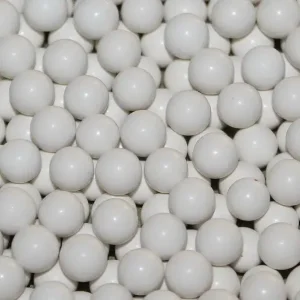
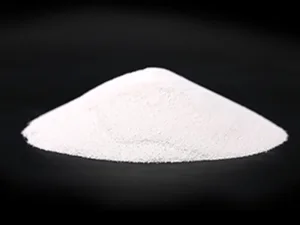
Answer: We manufacture ceramic beads (Y-TZP, Ce-TZP, Alumina, Zirconium Silicate) in sizes ranging from 0.05mm micro-beads up to 60mm grinding balls. Our powders can be spray-dried, customized in specific particle size distributions (D50, D90), surface-functionalized, or premixed with organic binders for direct press molding or injection molding.
Answer: Standard stock items and sample powders ship within 3 to 5 business days. Custom engineering parts requiring new mold fabrication and diamond machining typically take 3 to 5 weeks. We offer FOB, CIF, DDP, and express air freight arrangements with full export documentation, material test certificates (MTC), and quality inspection sheets included.
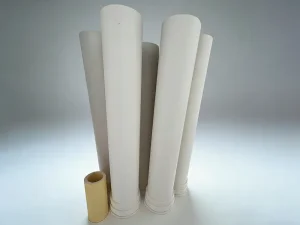
Discover our comprehensive range of specialized ceramic powders, high-purity alumina balls, thermal management substrates, and precision wear tubes.