1 / 5

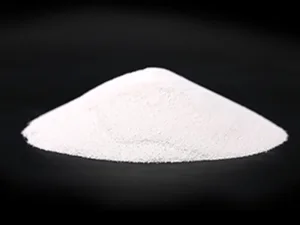
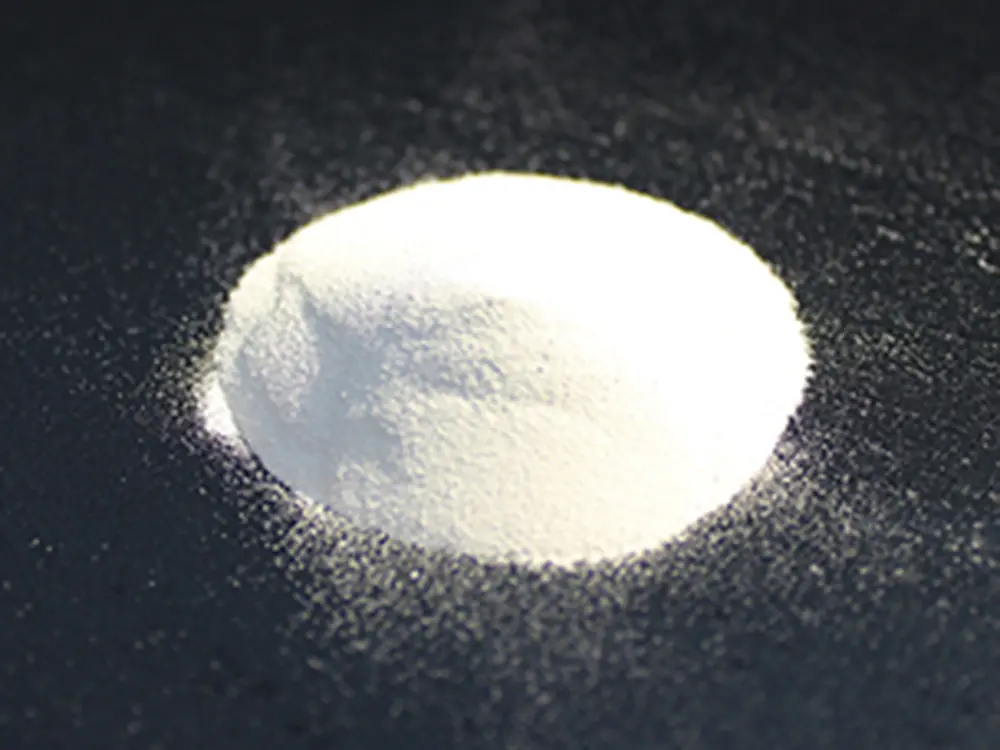
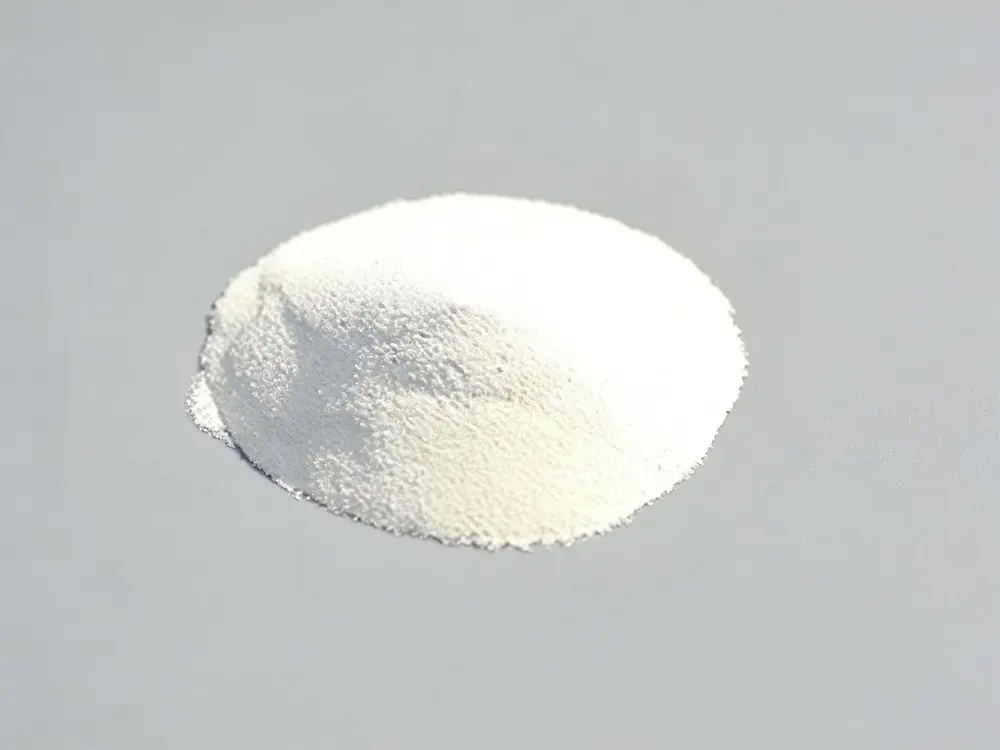
Our Mg-PSZ powder can be divided into three types: ceramic grade, the oxygen determination grade and refractory grade.
With special production process, we can produce different Mg-PSZ powder by adjusting the content of MgO.
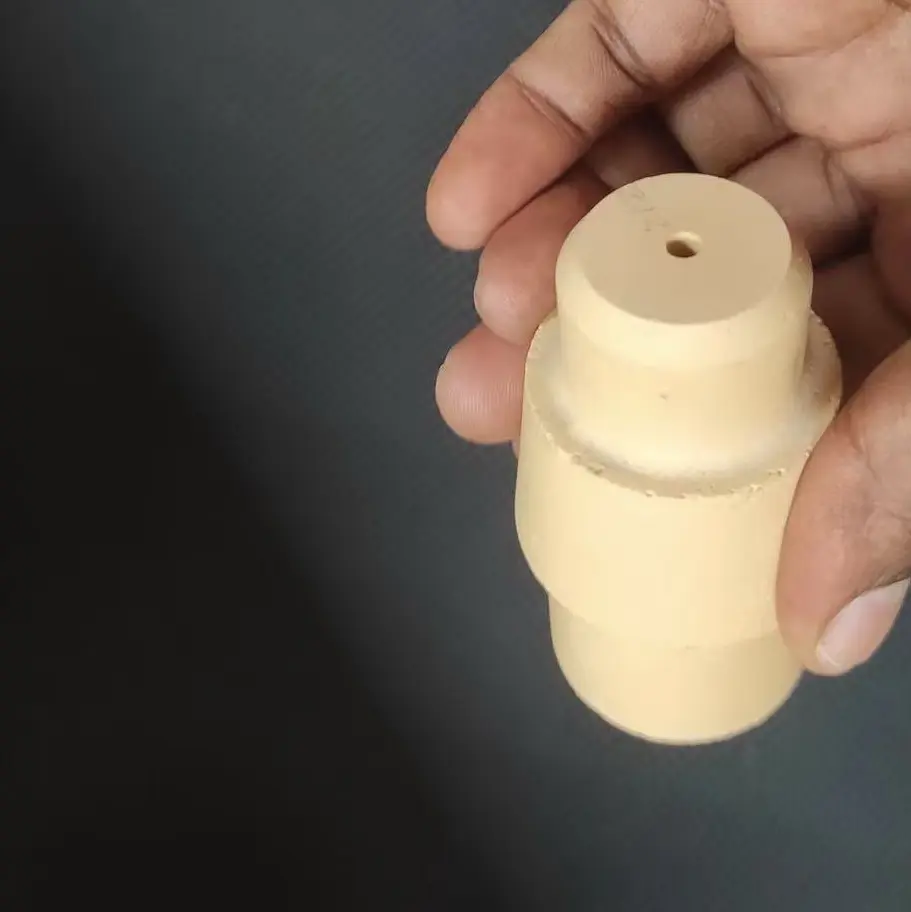
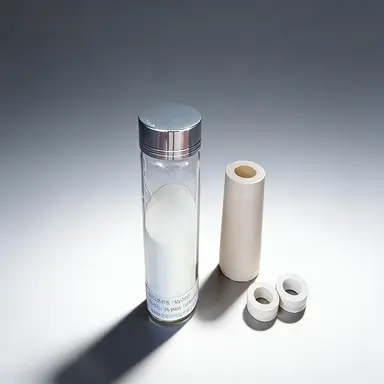
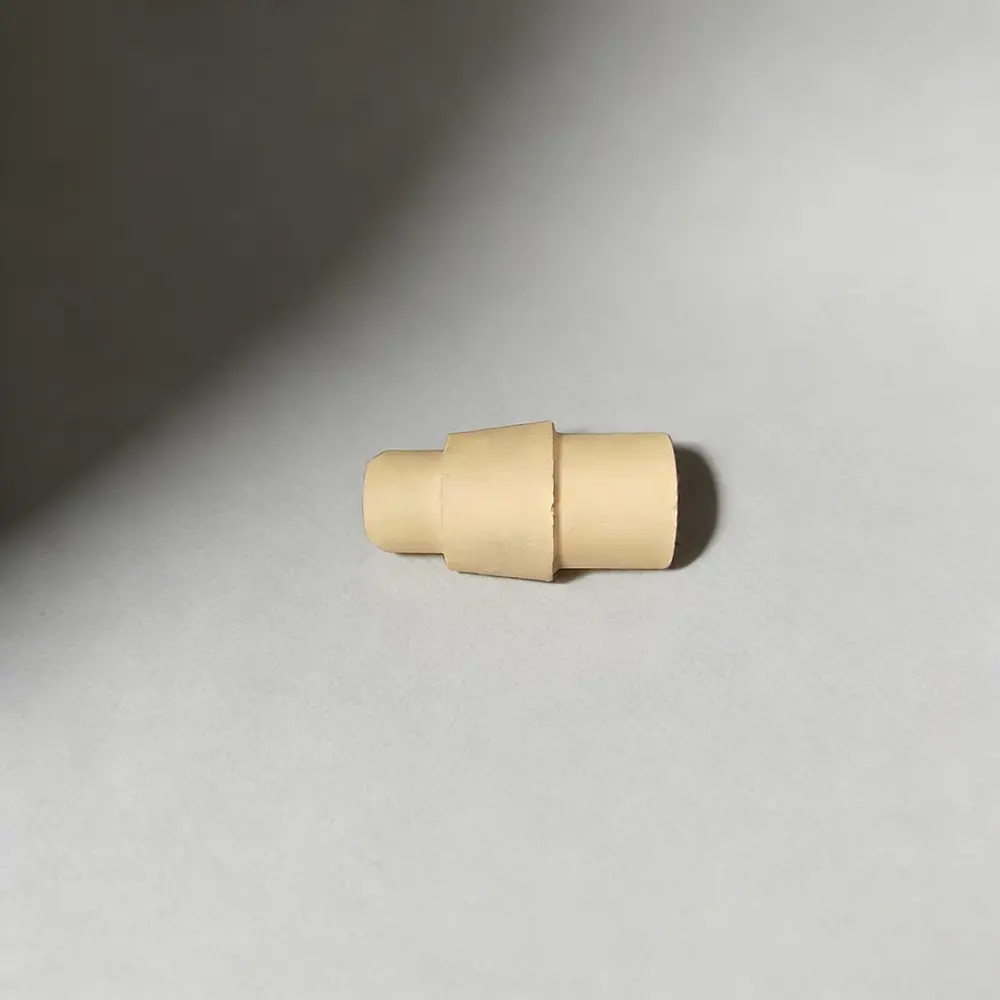
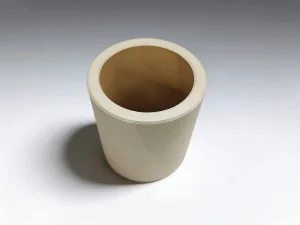
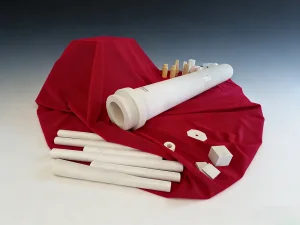
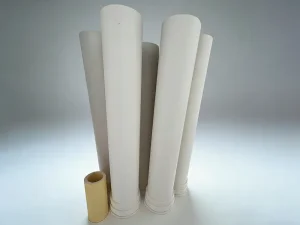
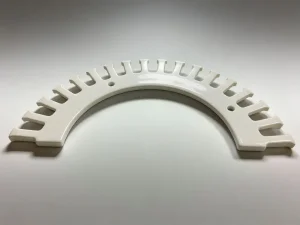
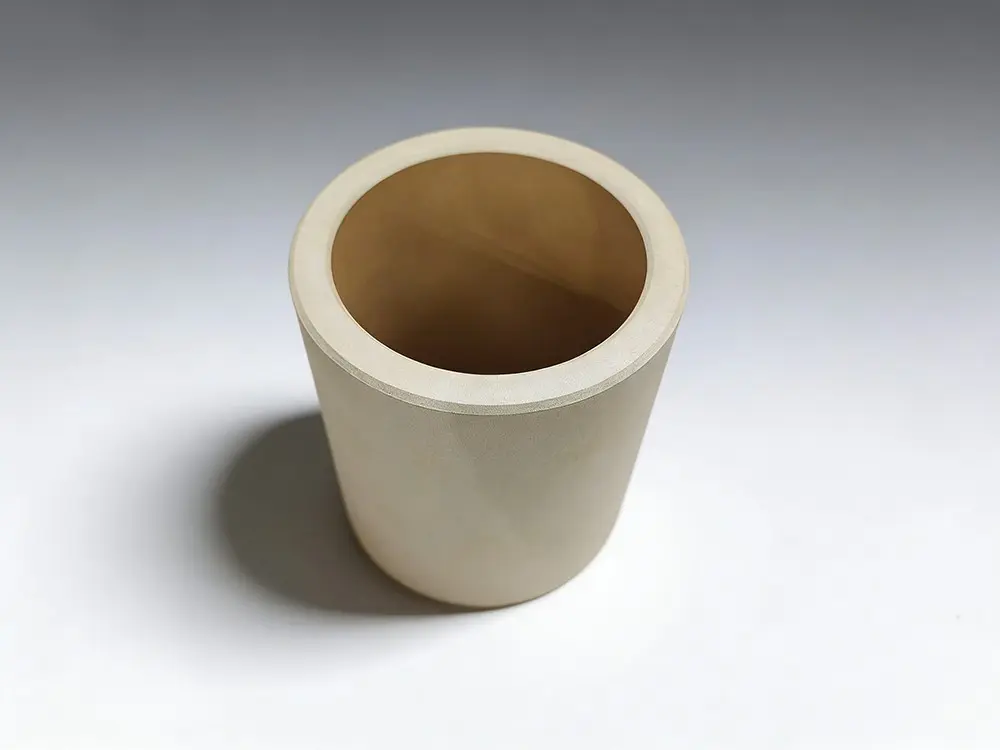
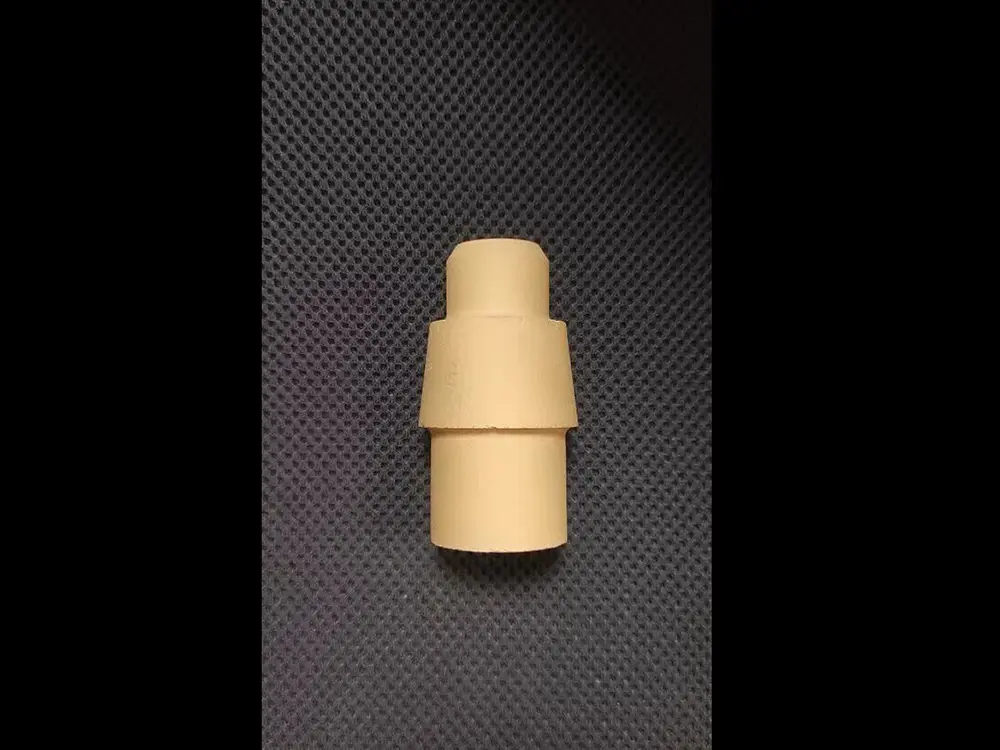
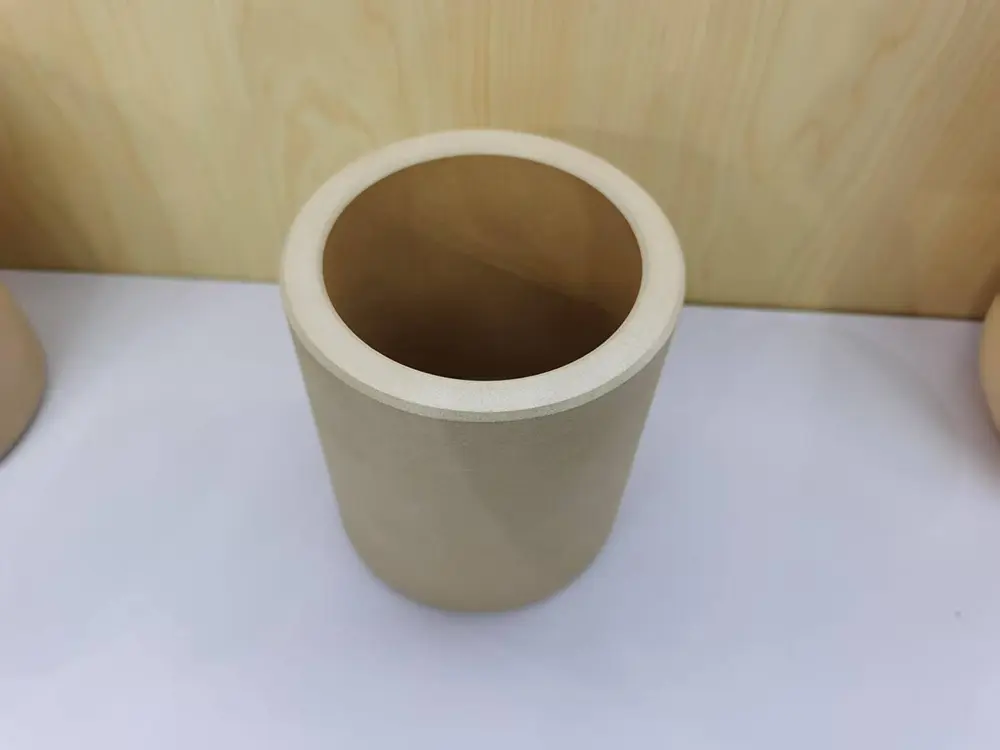
Our Mg-PSZ powder can be divided into two types: One is white and the other is yellow and earth yellow, which are applied for different structural ceramics, anti-corrosion ceramics and Refractory ceramics.
Magnesium stabilized zirconia powder is a critical material in high-tech industries due to its exceptional stability and performance under extreme conditions. Its primary applications include:
Thermal Barrier Coatings (TBCs): Widely used as a topcoat on gas turbine blades. Superior resistance to thermal shock and low thermal conductivity protects metal components from intense heat.
Solid Oxide Fuel Cells (SOFCs): Serves as a stable, high-strength electrolyte material. Conducts oxygen ions at high temperatures while remaining chemically inert.
Oxygen Sensors: Essential for manufacturing lambda sensors. Ionic conductivity allows precise measurement of oxygen levels in exhaust gases for optimal combustion control.
Advanced Refractories: High melting point and corrosion resistance make it ideal for furnace and crucible linings used in melting superalloys and specialty glasses.
| Type | FR-3M01 | FR-3M01B | FR-3M02 | FR-3M02B | FR-3M03 |
|---|---|---|---|---|---|
| ZrO₂%+(HfO₂) | 95.65 | 96.65 | 95.65 | 96.65 | 96.65 |
| MgO(wt%) | 3.2±0.2 | 3.2±0.2 | 3.2±0.2 | 3.2±0.2 | 3.2±0.2 |
| Al₂O₃%≤ | 0.01 | 0.01 | 0.01 | 0.01 | 0.01 |
| SiO₂%≤ | 0.01 | 0.01 | 0.01 | 0.01 | 0.01 |
| Fe₂O₃%≤ | 0.01 | 0.01 | 0.01 | 0.01 | 0.01 |
| CaO%≤ | 0.02 | 0.02 | 0.02 | 0.02 | 0.02 |
| others≤ | 1 | 0 | 1 | 0 | 0 |
| IL(%) | 3 | 0 | 3 | 0 | 0 |
| Density(g/cm³)> | 5.70 | 5.6 | 5.75 | 5.65 | 5.5 |
| Bending strength(Mpa) | 550 | 500 | 650 | 600 | 450 |
| Corrosion resistance | good | excellent | good | excellent | good |
| Color after sintering | white | grey white | yellow | yellow | earth yellow |
| HV(Mpa)> | 1000 | - | 1200 | - | - |
| Application | Structural ceramics, mechanical parts, anti-corrosion chemical ceramics, refractory ceramics. | ||||
| Test Date | 2023.10.4 | Report Date | 2023.10.5 |
| Product Batch No.: | 20231004 | Quantity | 200kg |
| Color after sintering | White | ||
| Item | Chemical Composition | Remarks / Condition | |
| Specification % | Value % | ||
| MgO(%) | 3.5±0.1 | 3.51 | |
| Zr(Hf)O2(%) | ≥95.8 | 96.0 | |
| Fe2O3(%) | <0.01 | 0.0015 | |
| TiO2(%) | <0.01 | 0.0010 | |
| SiO2(%) | <0.01 | 0.005 | |
| A12O3(%) | <0.3 | 0.21 | |
| Y2O3(%) | <0.3 | 0.19 | |
| loss on ignition (TL)(%) | <1.6 | 1.30 | |
| SSA(m2/g) | 8-12 | 11.5 | |
| D50(m)(second particle size) | <1.0 | 0.6 | |
| Moisture Content % | ≤0.8 | 0.61 | |
| Density after sintering g/cm3 | ≥5.7 | 5.74 | Experiment Condition |
| Firing Shrinkage % | 20-24 | 23 | |
| Note: | The firing process is carried out at 1600 ℃, and the firing cycle is determined based on the size of the work piece. When applying the strength and toughness of the ceramic parts, it is best to apply thermal shock resistance when the ceramic parts are naturally cooled to 1400 ℃ and kept at a constant temperature for 5-10 hours. When the ceramic parts are naturally cooled to 1100 ℃ and kept at a constant temperature for 5-10 hours, the thermal shock resistance is the best. | ||
Our Mg-PSZ powder is classified into three specialized grades: ceramic grade, oxygen determination grade, and refractory grade, produced by adjusting the MgO content.
Depending on the specific grade, the post-sintering color variants include white, grey white, yellow, and earth yellow, optimized for different structural and refractory applications.
It is widely used in Aerospace & Power Generation (Thermal Barrier Coatings), Energy Conversion Systems (SOFCs), Sensing Technologies (Oxygen Sensors), and High-Temperature Engineering (Advanced Refractories).
The firing process is typically carried out at 1600 ℃, with the exact cycle duration depending on the physical size of the ceramic workpiece.
Optimal thermal shock resistance is achieved when the ceramic parts are naturally cooled to 1400 ℃ or 1100 ℃ and held at a constant temperature for 5 to 10 hours during the cooling process.