Wholesale Zirconia And Ceramic Difference: Manufacturers & Supplier Guide

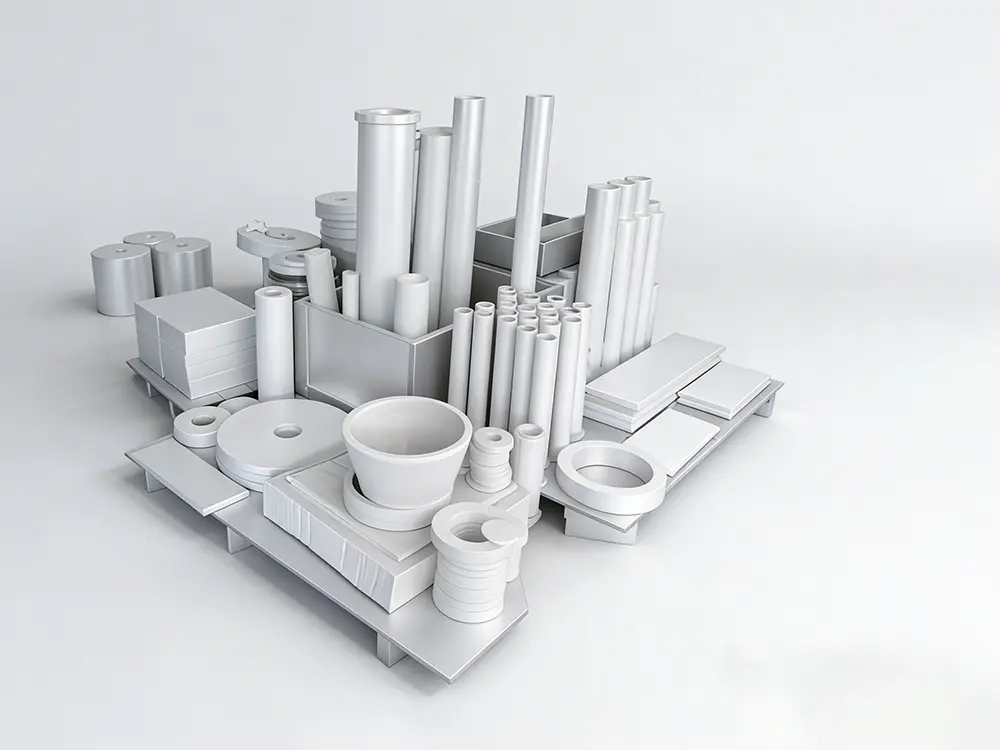
Advancing Engineering Frontiers with High-Performance Technical Ceramics & Global Supply Chain Excellence

Featured Engineering Solutions

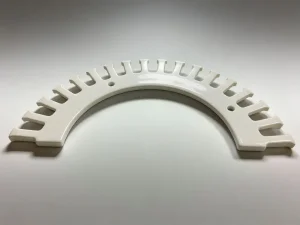
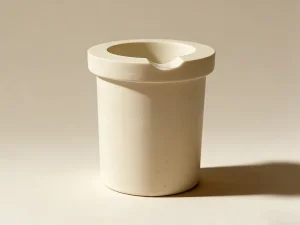
Zirconia Ceramics

High-Temperature Yttria Stabilized Zirconia Ceramics

View Specifications
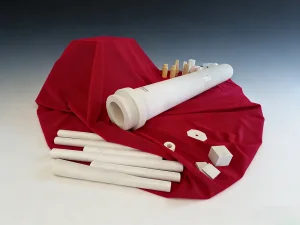
Aluminium Titanate

Aluminium Titanate Ceramics for Thermal Resistance

View Specifications
Silicon Nitride

Wholesale Advanced Silicon Nitride Engineering Ceramics

View Specifications
Magnesium Zirconia

High-Performance Magnesium Stabilized Zirconia Powder

View Specifications
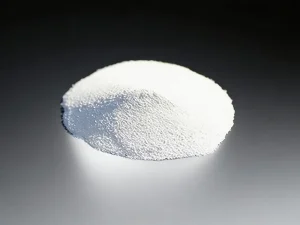
YSZ Powder

High-Toughness Yttria Stabilized Zirconia Powder

View Specifications
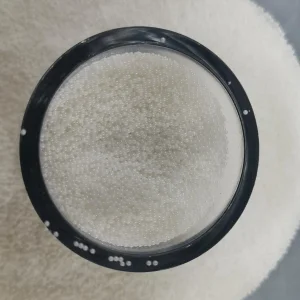
Zirconia Beads

High-Performance Zirconia Ceramic Beads

View Specifications
Aluminum Nitride

Advanced Aluminum Nitride Ceramics: High Conductivity

View Specifications
Calcium Zirconia

Wholesale Calcium-Stabilized Zirconia Powder

View Specifications

Understanding the Core: Zirconia vs. Conventional Ceramics

In the realm of advanced materials, the distinction between Zirconia (ZrO2) and traditional ceramics is profound. While traditional ceramics like Alumina offer excellent hardness and insulation, Zirconia represents a leap in mechanical toughness and thermal stability. Known as "ceramic steel," Zirconia bypasses the inherent brittleness of standard ceramics through a unique phase-transformation toughening mechanism.

Founded in 2003, Yixing Qiangguang Ceramic Materials Co., Ltd. has spent over two decades mastering these differences. As a premier manufacturer, we provide a complete industrial chain from powder synthesis to precision machining, ensuring that the specific benefits of Yttria, Magnesia, or Calcium-stabilized Zirconia are fully realized in industrial applications.
🛠️ Technical Roadmap & Comparison

Mechanical Strength

Zirconia exhibits a flexural strength of 900-1200 MPa, significantly higher than Alumina (300-500 MPa), making it ideal for high-stress structural components.

Thermal Conductivity

Unlike Aluminum Nitride (170+ W/mK), Zirconia is a thermal insulator (~2 W/mK), perfect for heat shielding in aerospace and engines.

Wear Resistance

With high fracture toughness (K1c > 8), Zirconia resists crack propagation, whereas standard ceramics may shatter under impact.

Property Zirconia (YSZ) Alumina (Al2O3) Silicon Nitride (Si3N4)
Hardness (HV) 1200 - 1300 1500 - 1800 1400 - 1500
Fracture Toughness 8 - 12 MPa·m½ 3 - 4 MPa·m½ 5 - 7 MPa·m½
Max Usage Temp 2400°C (Stabilized) 1700°C 1200°C
Primary Advantage Highest Toughness Cost-Effective/Hardness Thermal Shock Resistance

🌍 Global Industrial Status & Localization

Supply Chain Resilience

Qiangguang leverages the robust Chinese industrial cluster, offering stable lead times and 30% higher cost-efficiency compared to European or North American suppliers without compromising ISO-certified quality.

Localized Applications

In Europe (Germany/Italy), our Zirconia components serve precision automotive engineering. In SE Asia, our ceramic beads dominate the chemical milling and dispersion industries.

Future Outlook

The roadmap includes AI-driven powder grain size control and 3D printing of Zirconia for medical implants, reducing waste by 40% and increasing customization speed.

20+

Years Experience

50+

Export Countries

ISO9001

Certified Quality

24/7

Tech Support

🏭 Factory Excellence & Compliance

Our Principle: Value-Driven Innovation

At Qiangguang, we don't just sell ceramics; we solve engineering bottlenecks. Our E-E-A-T (Experience, Expertise, Authoritativeness, Trustworthiness) is built on:

  • In-house R&D: Developing specialized Magnesium and Yttria stabilization techniques.
  • Global Logistics: Dedicated support for customs and localized compliance in over 15 jurisdictions.
  • End-to-End Control: From raw powder sourcing to final precision CNC machining.

Our materials are critical in new energy vehicles, laser semiconductors, petrochemical engineering, and aerospace sectors.
❓ Frequently Asked Questions (FAQ)

What is the primary difference between Zirconia and Alumina?
Zirconia offers superior toughness and resistance to crack propagation (fracture toughness), whereas Alumina is harder and more cost-effective for general insulation and wear applications.
How does Yttria stabilization improve Zirconia?
Yttria (Y2O3) acts as a stabilizer to maintain the tetragonal crystal structure at room temperature, which allows for the "phase transformation" that gives Zirconia its incredible strength.
Are your ceramics compliant with international standards?
Yes, all our manufacturing processes are ISO 9001:2015 certified, and our materials meet REACH and RoHS standards for environmental safety.
Do you offer custom precision machining?
Absolutely. We are among the few factories in China equipped with high-precision diamond grinding and CNC capabilities to deliver complex geometries with tolerances up to ±0.001mm.

Order Wholesale Engineering Ceramics

High-Performance YSZ Ceramics for High-Temp Applications

Inquiry Now

High-Performance Aluminium Titanate Factory Solutions

Inquiry Now

Extreme Thermal & Chemical Resistance Suppliers

Inquiry Now

Superior Thermal & Chemical Resistance Top Suppliers

Inquiry Now

Wholesale Aluminum Titanate Extreme Thermal Resistance

Inquiry Now

High-Toughness Ceramic Material from China Suppliers

Inquiry Now

Magnesium Stabilized Zirconia for Extreme Environments

Inquiry Now

Wholesale Yttria Stabilized Zirconia (YSZ) Ceramics

Inquiry Now