1 / 1

High-Strength Thermal Ceramic Materials
Ca-PSZ for ceramics grade
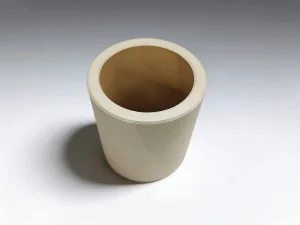
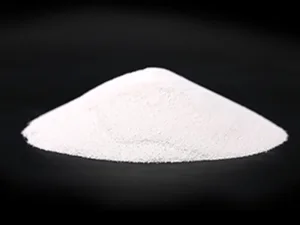
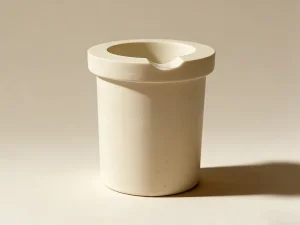
With special production process, we can produce different Ca-PSZ powder by adjusting the content of CaO. With high strength, tenacity and good performance of thermal shock, our Ca-PSZ powder is the ideal material to make the thermal ceramics.
Electro-Melted Zirconia for High-Temperature Use
Ca-PSZ powder for refractory grade
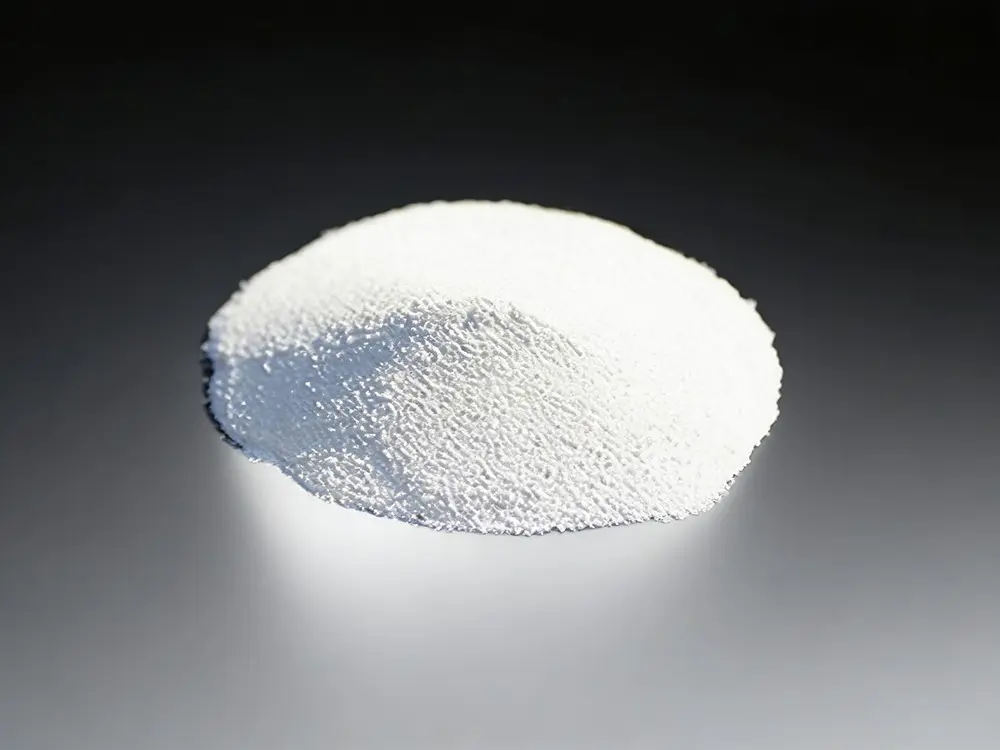
The refractory grade Ca-PSZ powder, produced by electric melting quenching process can be broken into different varieties.
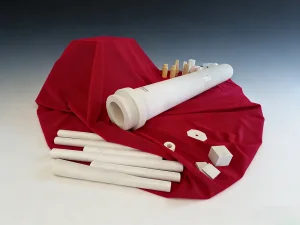
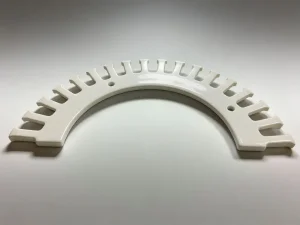
It is used to produce various zirconia ceramics and refractory products, mainly used for electronic burning plate, sizing nozzle, sliding plate, invasive nozzle, zirconia products and special kiln furniture.
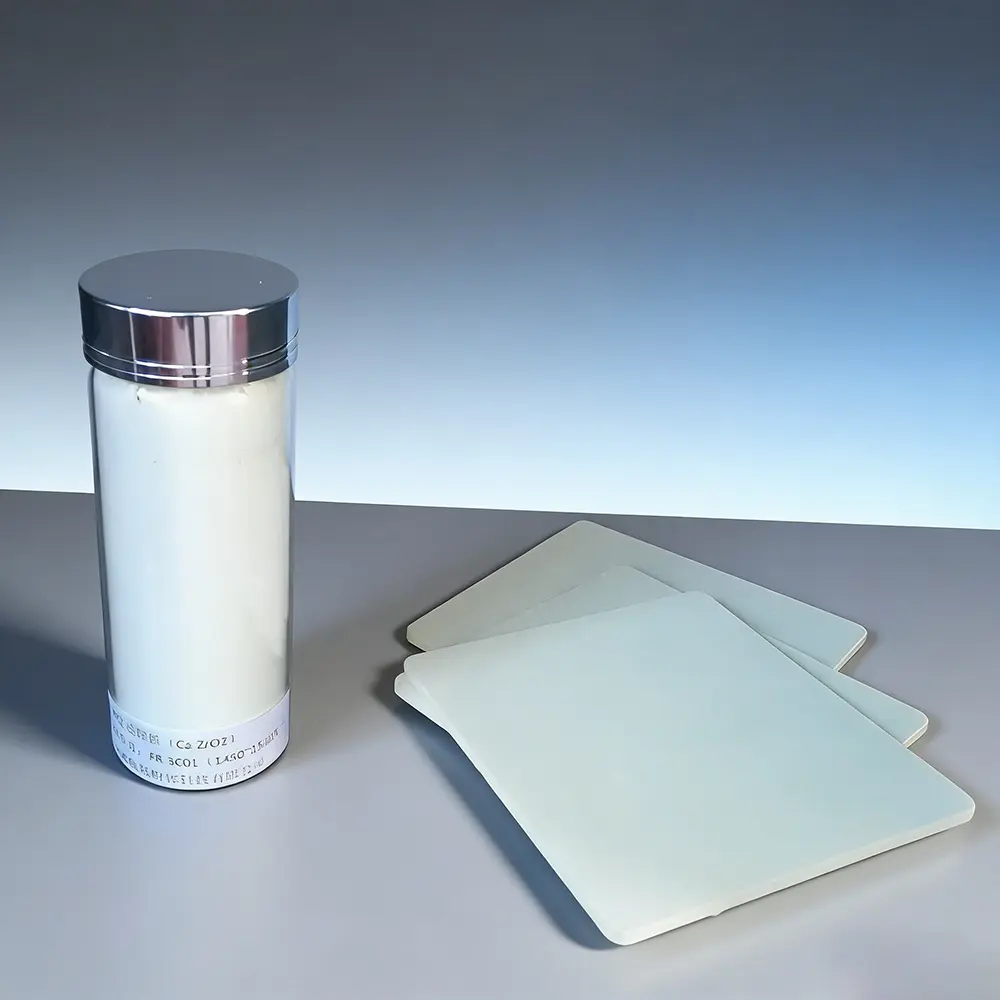
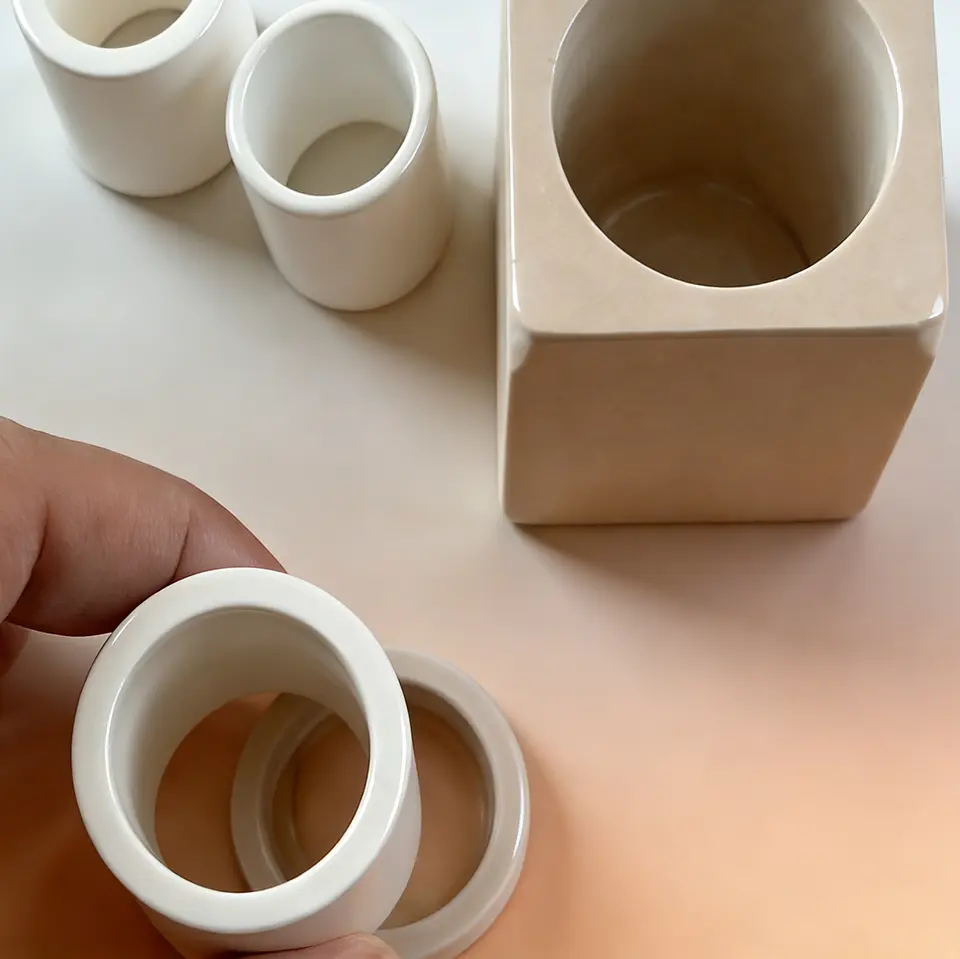
Thanks to its high melting point and strong resistance to corrosion and thermal stress, calcium-stabilized zirconia powder is widely used in applications that require long-term durability under elevated temperatures. It is commonly applied in advanced refractory materials, solid oxide fuel cells, oxygen sensors, and thermal barrier coatings, where materials must withstand continuous thermal cycling and aggressive chemical conditions without degradation.
One of the most important applications of calcium-stabilized zirconia powder is in solid oxide fuel cells (SOFCs). Its high ionic conductivity at elevated operating temperatures makes it an ideal choice for the electrolyte layer. The material allows oxygen ions to migrate efficiently through the cell, enabling stable and efficient electricity generation. At the same time, its mechanical robustness and structural stability ensure reliable operation under prolonged high-temperature conditions.
Another key application is in oxygen sensors, particularly those used in automotive exhaust systems and industrial process control. Calcium-stabilized zirconia serves as the core sensing material due to its ability to conduct oxygen ions at high temperatures. By accurately detecting oxygen concentration in exhaust gases or furnace atmospheres, these sensors enable precise combustion control, improving fuel efficiency while reducing harmful emissions.
In addition, calcium-stabilized zirconia powder plays a critical role in advanced refractory applications. It is widely used in high-performance refractory linings for furnaces, kilns, and other high-temperature equipment. Its exceptional resistance to thermal shock, corrosion, and chemical attack ensures long service life and operational reliability in extreme environments, such as those found in the steel, glass, and metallurgical industries.
With special production process, we can produce different Ca-PSZ powder by adjusting the content of CaO. With high strength, tenacity and good performance of thermal shock, our Ca-PSZ powder is the ideal material to make the thermal ceramics.
| Product Code | Chemical Composition % | Density (g/cm³) |
Ceramic Color | Appearance | Long-term Service Temperature | |||||
| ZrO₂ | Al₂O₃ | SiO₂ | CaO | Fe₂O₃ | TiO₂ | |||||
| FR-3C01 | 94 | 0.4 | 0.1 | 3.0±0.2 | 0.01 | 0.01 | 5.7 | light white | Granular material | 1200 |
| FR-3C01F | 94 | 0.4 | 0.1 | 3.0±0.2 | 0.01 | 0.01 | 5.7 | light white | Powder material | 1200 |
| FR-3C02 | 94 | 0.4 | 0.4 | 3.5±0.2 | 0.1 | 0.2 | 5.6 | earth yellow | Granular material | 1500 |
| FR-3C02F | 93 | 0.4 | 0.5 | 3.5±0.2 | 0.1 | 0.2 | 5.6 | earth yellow | Powder material | 1500 |
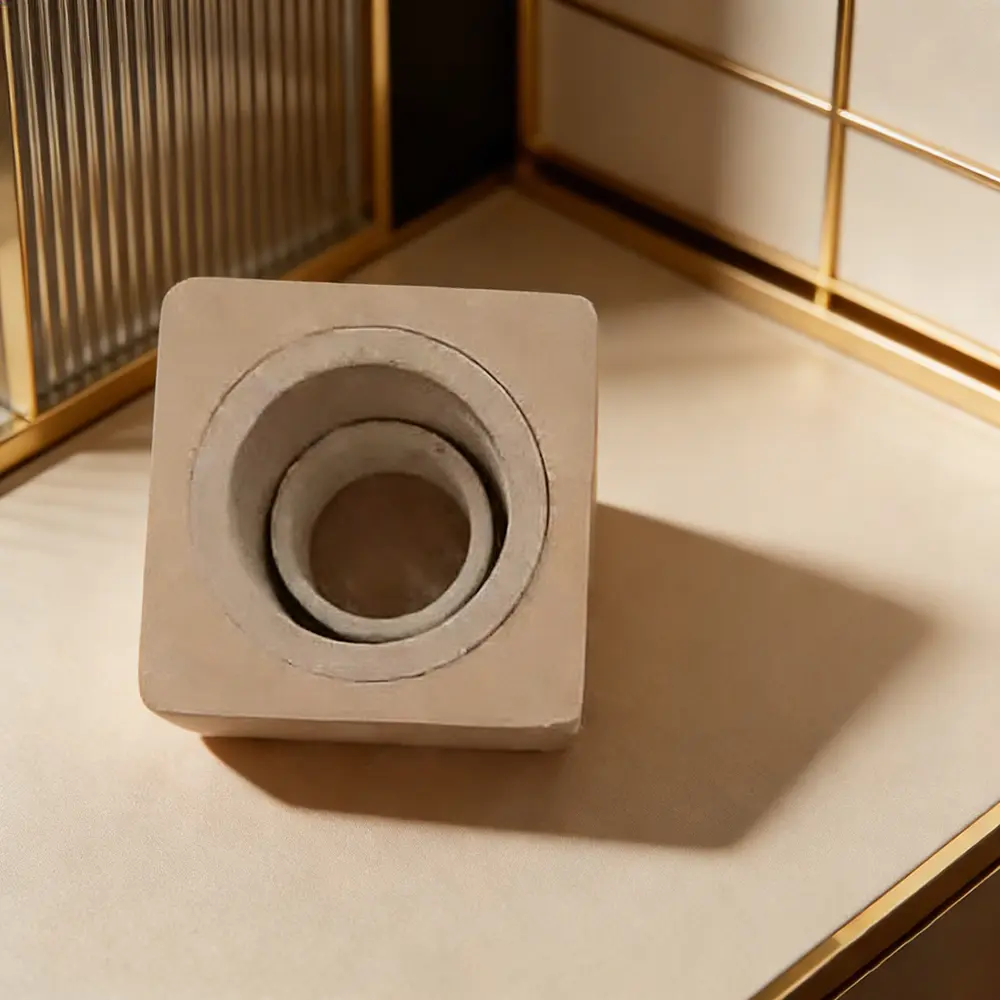
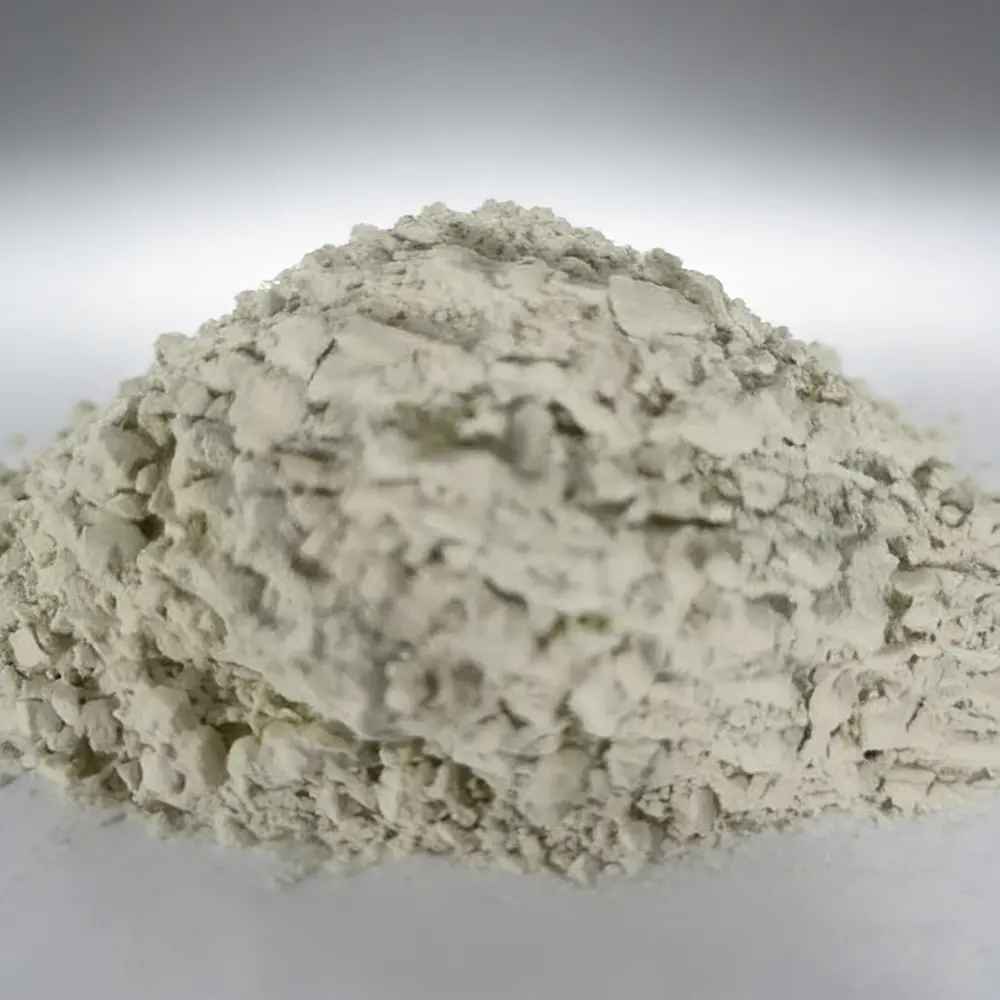
The refractory grade Ca-PSZ powder, produced by electric melting quenching process can be broken into different varieties. It is used to produce various zirconia ceramics and refractory products, mainly used for electronic burning plate, sizing nozzle, sliding plate, invasive nozzle, zirconia products and special kiln furniture.
| Product Code | Chemical Composition % | Stabilization % | Particle Size | |||||
| ZrO₂ | CaO | SiO₂ | Al₂O₃ | Fe₂O₃ | TiO₂ | |||
| FR-ECZ01 | >94 | 3–4 | ≤0.4 | ≤0.4 | ≤0.1 | ≤0.2 | 70± | Can be adjusted according to technical requirements |
| FR-ECZ02 | >98 | <2 | ≤0.2 | ≤0.2 | ≤0.1 | ≤0.2 | 70–80 | |
| FR-ECZO3 | >94 | 3–4 | ≤0.6 | ≤0.4 | ≤0.1 | ≤0.2 | >95 | Hollow ball |