1 / 4

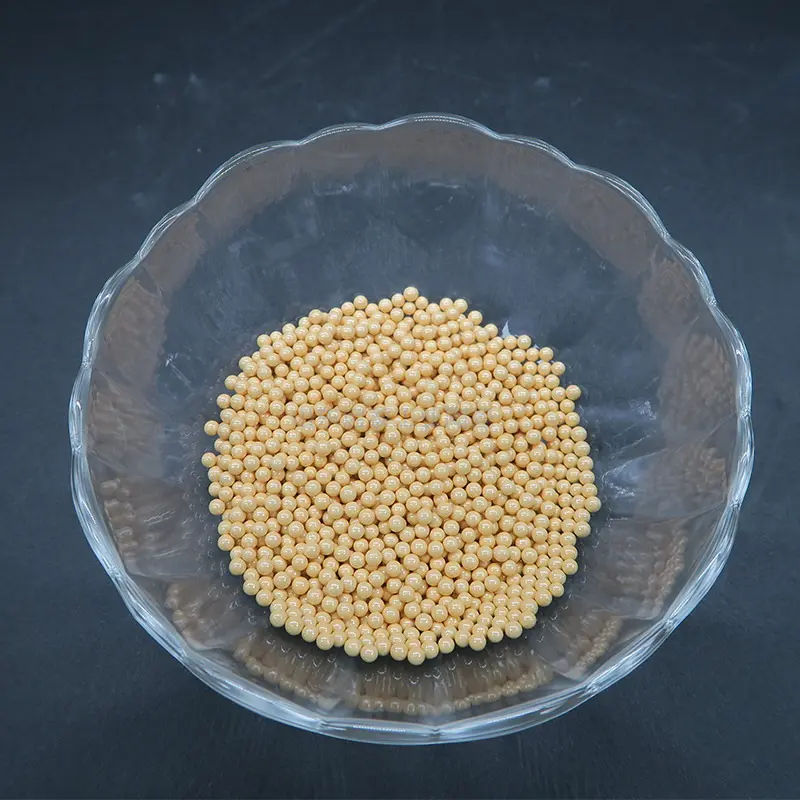
Critical for high-efficiency grinding and dispersion of cathode materials (lithium iron phosphate, ternary precursors), silicon anodes, and solid-state electrolytes, achieving nano-scale particle size with minimal contamination.
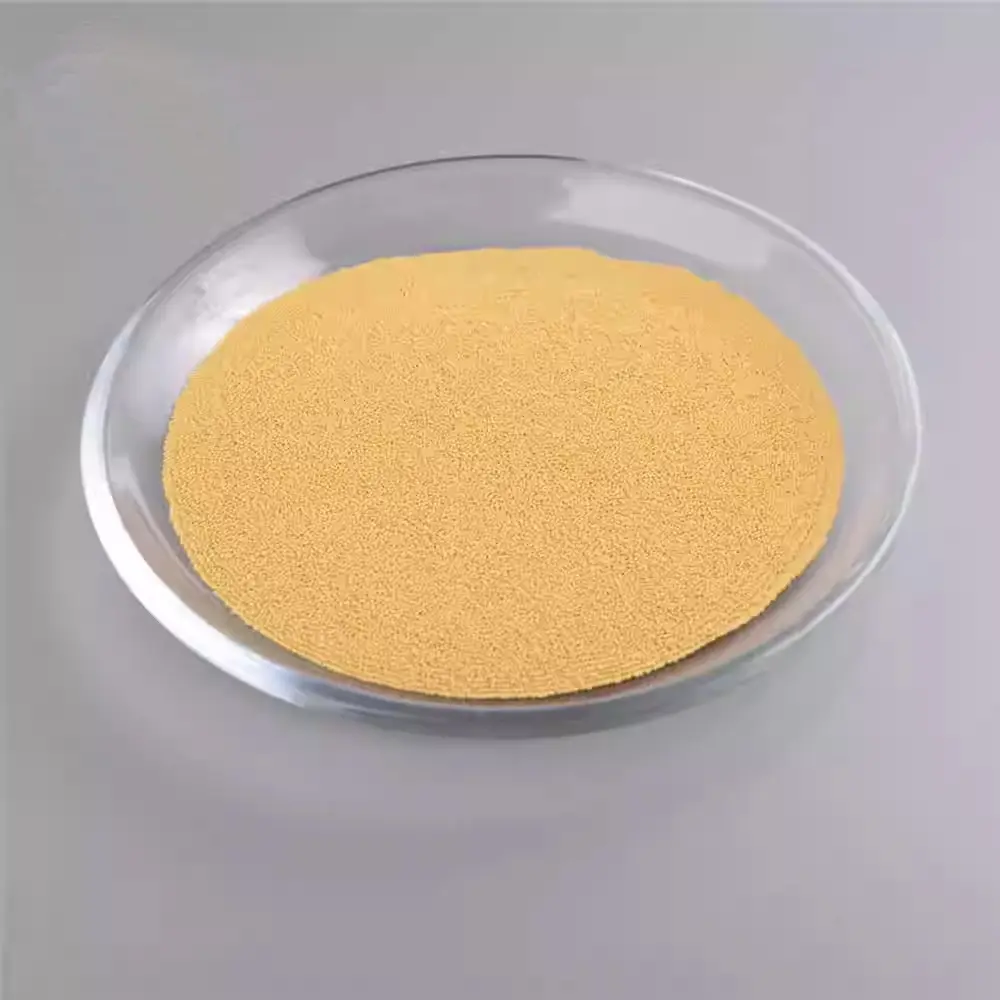
Used for fine grinding of rare earth magnets (neodymium-iron-boron, ferrite) and magnetic recording media, delivering superior wear resistance and maintaining product purity.
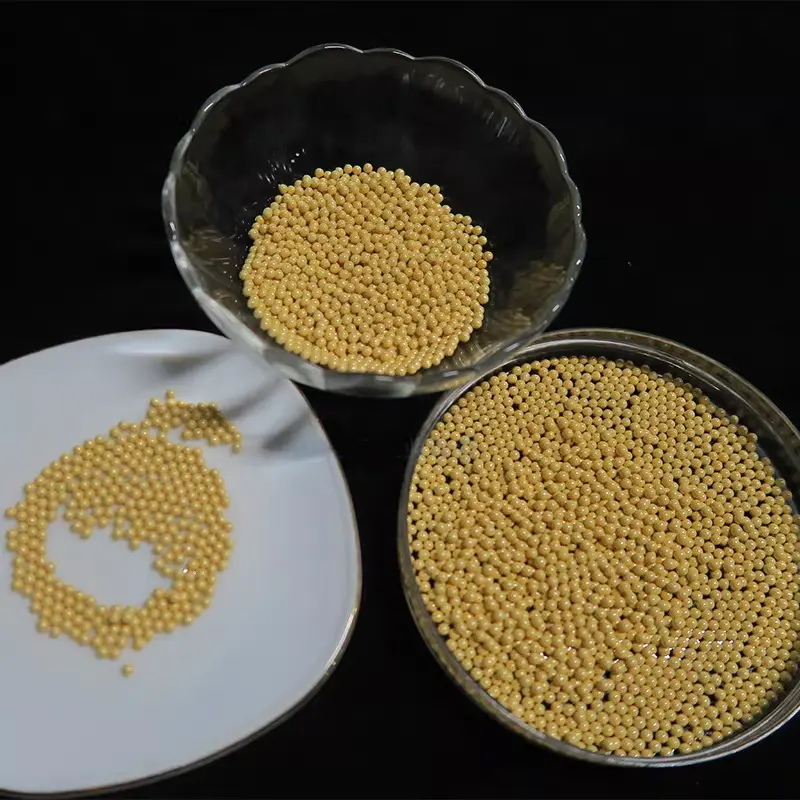
Applied in grinding and dispersion of structural ceramics, electronic ceramics, and ceramic powders requiring ultra-fine particle size and high purity.
Ideal for high-end automotive coatings, industrial paints, and functional coatings where exceptional color consistency, gloss, and dispersion quality are required.
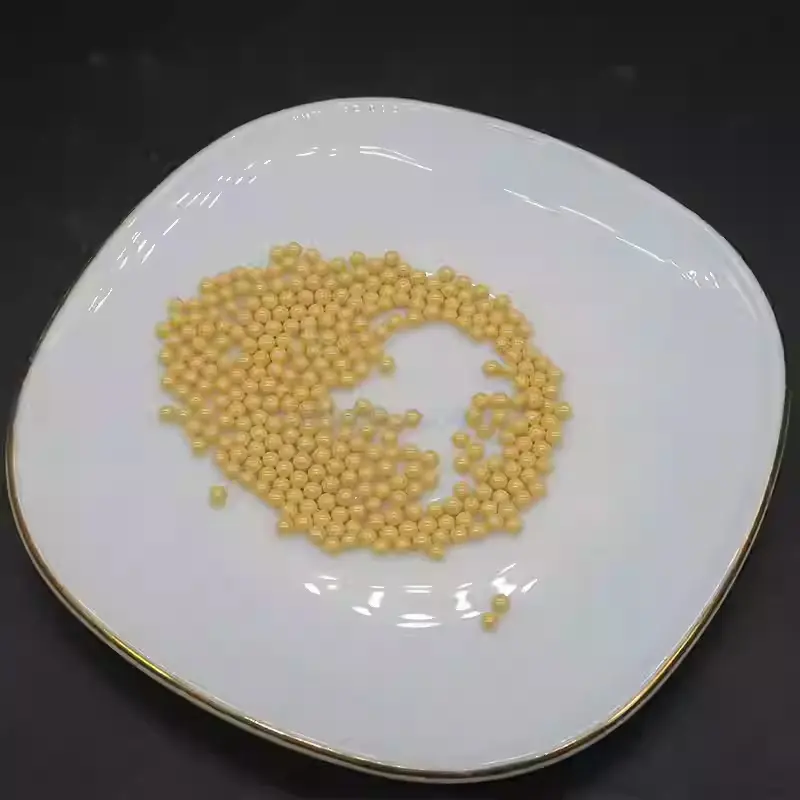
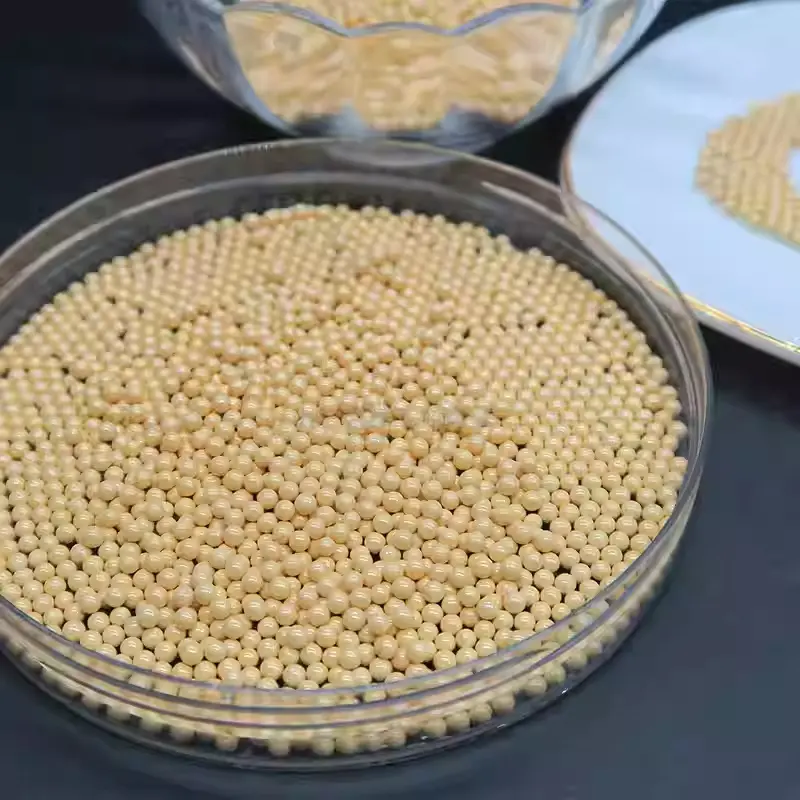
Used for producing high-quality digital inks, ceramic inks, and conductive inks, ensuring stable dispersion and precise particle size control.
Employed in wet grinding of pharmaceutical active ingredients and bio-materials where ultra-fine particle size and zero contamination are critical.
Applied in production of high-performance pesticide suspensions and crop protection formulations requiring stable nano-scale dispersion.
Used for grinding electronic pastes, dielectric materials, and advanced functional materials for semiconductor and display applications.
Technology: Sintering
Size: 0.4 – 15 mm
Specific Density: 5.95 – 6.2 g/cm³
Bulk Density: 3.9 g/ml
Hardness: 1200 HV1
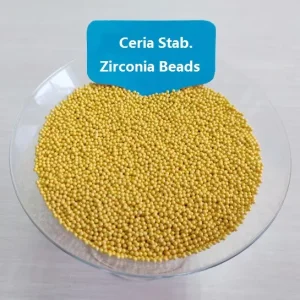
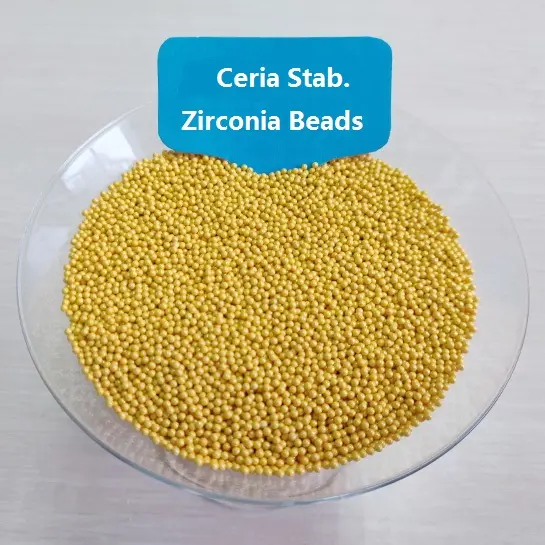
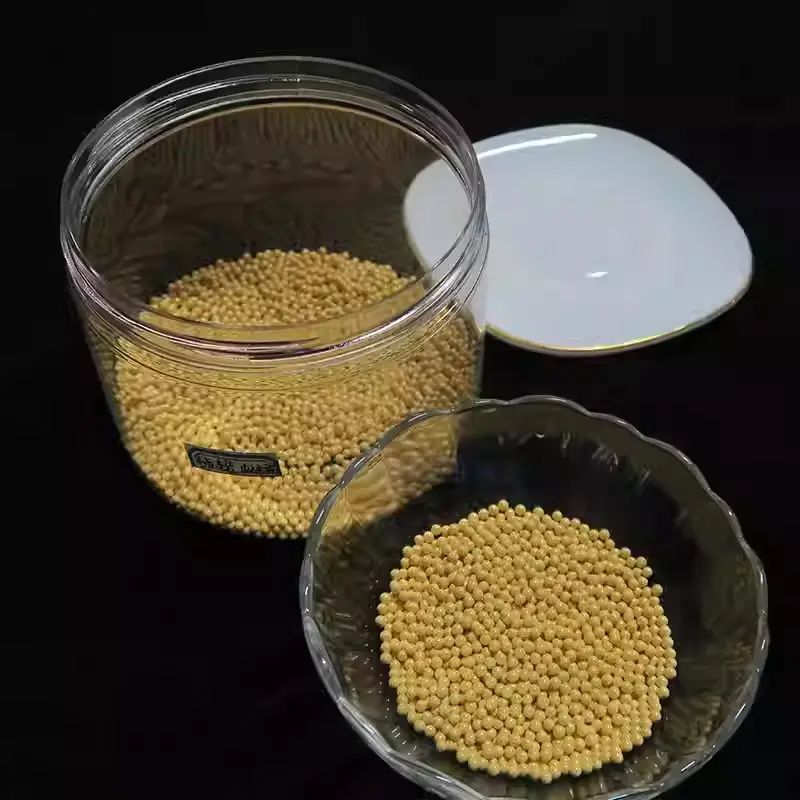
Ceria stabilized zirconia grinding beads offer the highest specific gravity among zirconia-based grinding media (5.5 ~ 6.20 g/cm³, customizable per customer needs). From a dynamics perspective (EC = ½mv²), using ceria-stabilized zirconia beads generates greater impact energy, thereby enhancing production efficiency — especially for high-viscosity or high-solid-content abrasive products.
For low-viscosity products, selecting smaller Ce-stabilized zirconia beads at a fixed volume increases the total grinding surface area, resulting in finer and more efficient grinding outcomes.
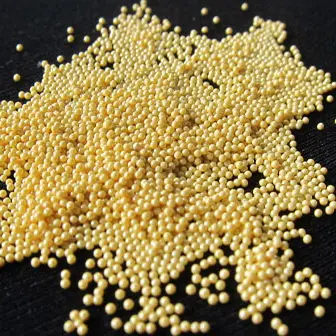
The micro-structure is delicate, uniform, and dense — a gem-like hardness and density that makes it the most outstanding among all zirconia-based grinding media series. Its excellent wear resistance and fracture toughness make it particularly suited for high-solid-phase, high-viscosity, and high-hardness paste grinding and dispersion. It also delivers superior performance when matched with high-input-energy, high-shear sanding machines.
| Items | Unit | Parameter |
|---|---|---|
| Composition | wt% | 78~80% ZrO₂ / 13~20% CeO₂ |
| Bulk Density | Kg/L | 3.8 (Φ7mm) |
| Specific Density | g/cm³ | 5.95~6.2 |
| Hardness (HV) | GPa | >9 |
| Elastic Modulus | GPa | 200 |
| Thermal Conductivity | W/m·K | 3 |
| Crushing Load | KN | ≥10 (Φ7mm) |
| Fracture Toughness | MPa·m1/2 | 8.5 |
| Grain Size | µm | ≤0.5 |
| Thermal Expansion Coefficient (20–400 °C) | ×10⁻⁶ / °C | 9.0 |