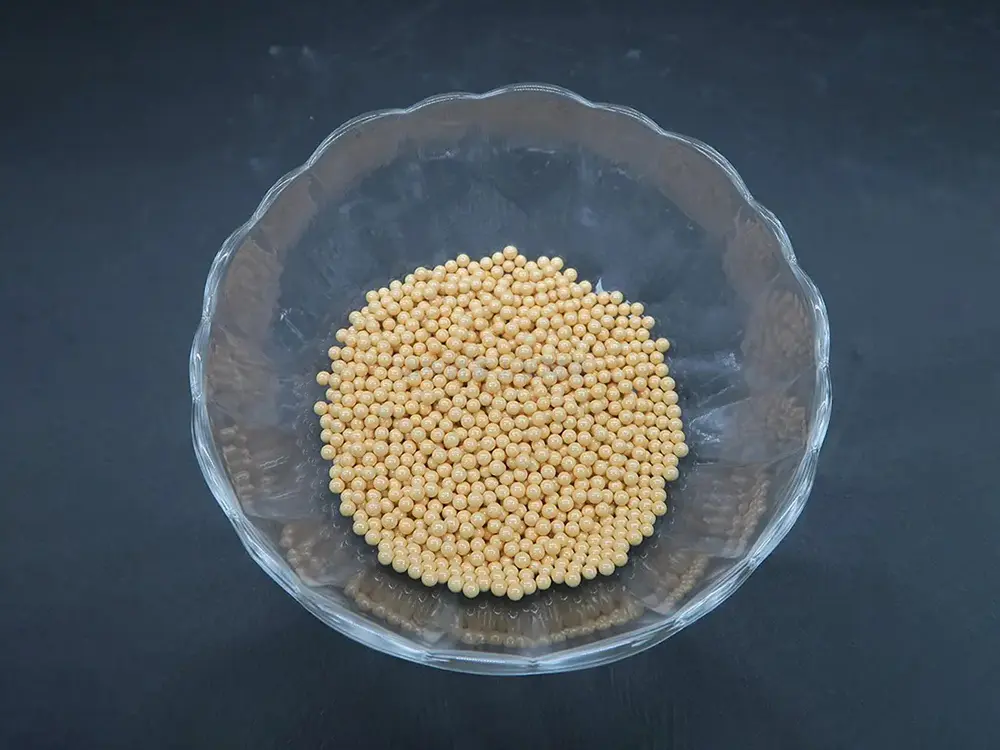
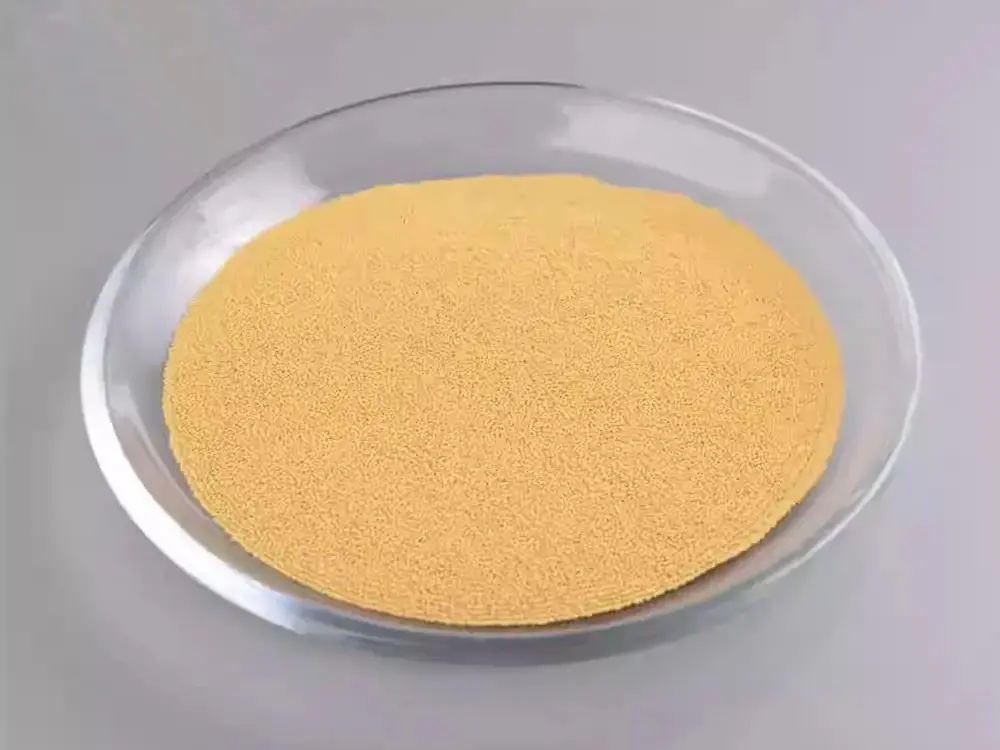
1 / 4

Critical for high-efficiency grinding and dispersion of cathode materials (lithium iron phosphate, ternary precursors), silicon anodes, and solid-state electrolytes, achieving nano-scale particle size with minimal contamination.
Used for fine grinding of rare earth magnets (neodymium-iron-boron, ferrite) and magnetic recording media, delivering superior wear resistance and maintaining product purity.
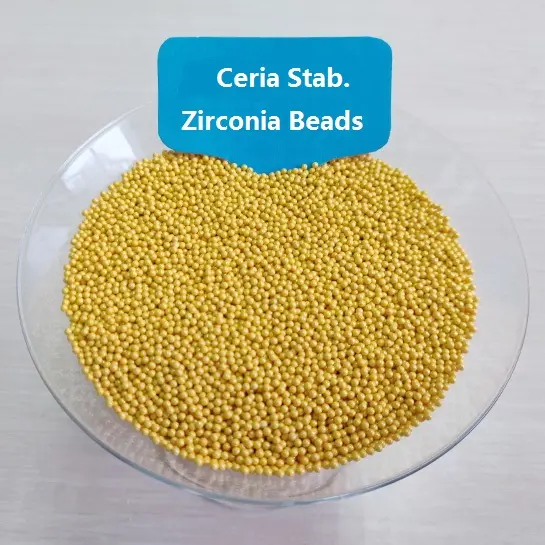
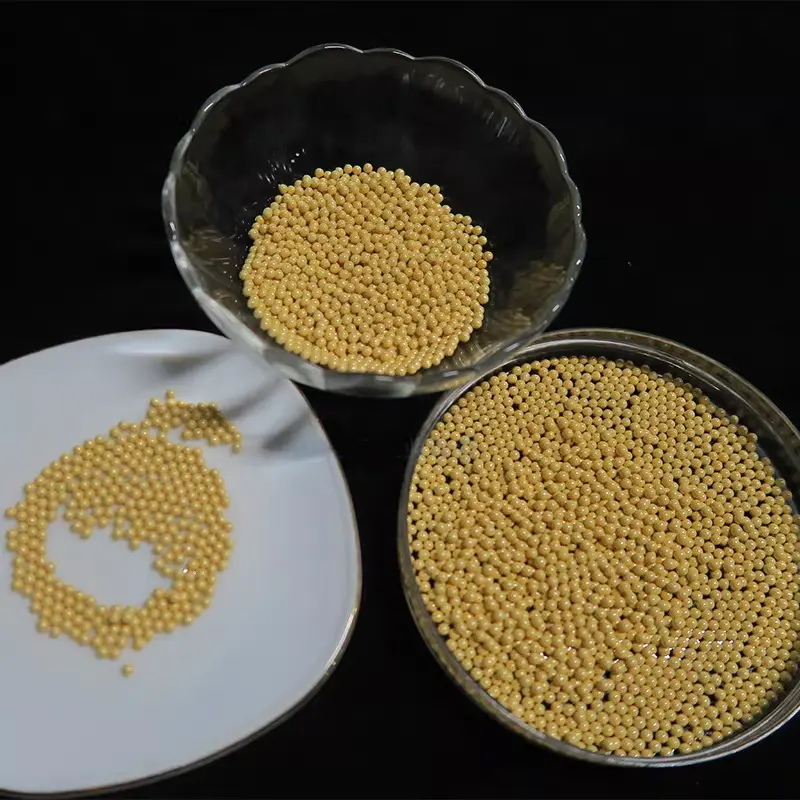
Applied in grinding and dispersion of structural ceramics, electronic ceramics, and ceramic powders requiring ultra-fine particle size and high purity.
Ideal for high-end automotive coatings, industrial paints, and functional coatings where exceptional color consistency, gloss, and dispersion quality are required.
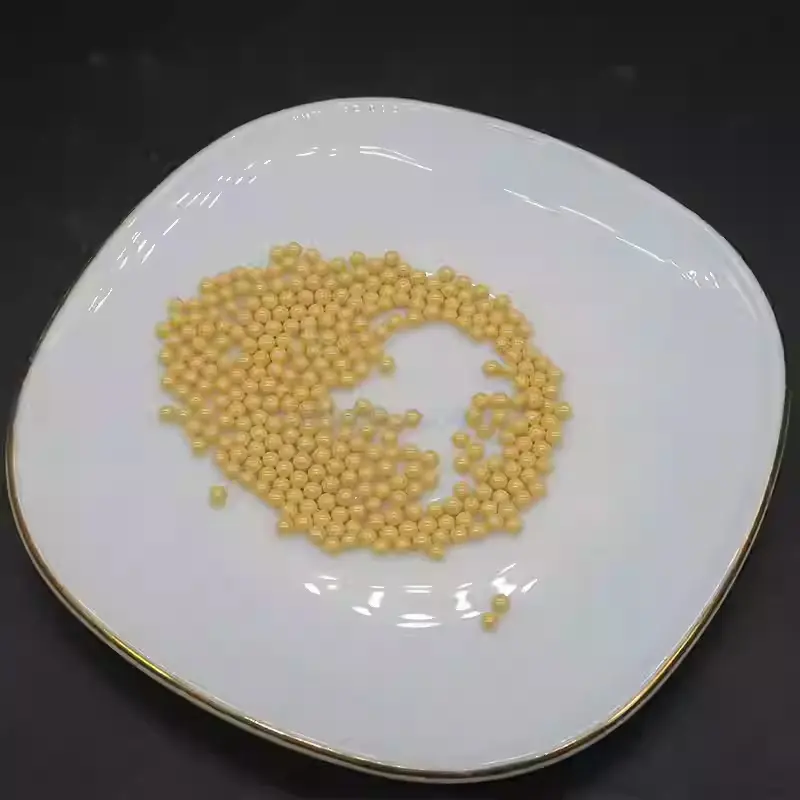
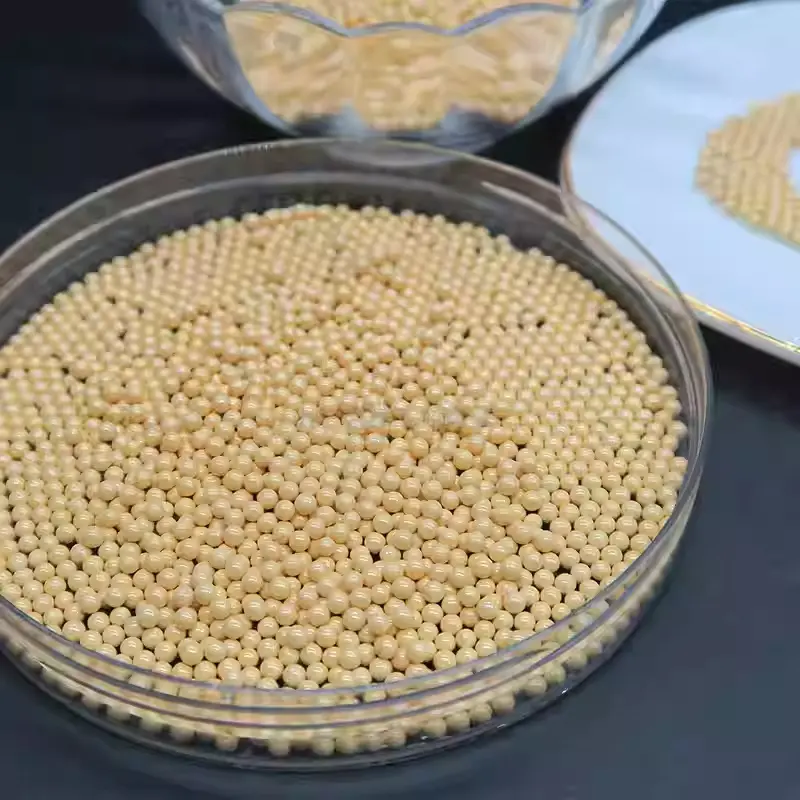
Used for producing high-quality digital inks, ceramic inks, and conductive inks, ensuring stable dispersion and precise particle size control.
Employed in wet grinding of pharmaceutical active ingredients and bio-materials where ultra-fine particle size and zero contamination are critical.
Applied in production of high-performance pesticide suspensions and crop protection formulations requiring stable nano-scale dispersion.
Used for grinding electronic pastes, dielectric materials, and advanced functional materials for semiconductor and display applications.
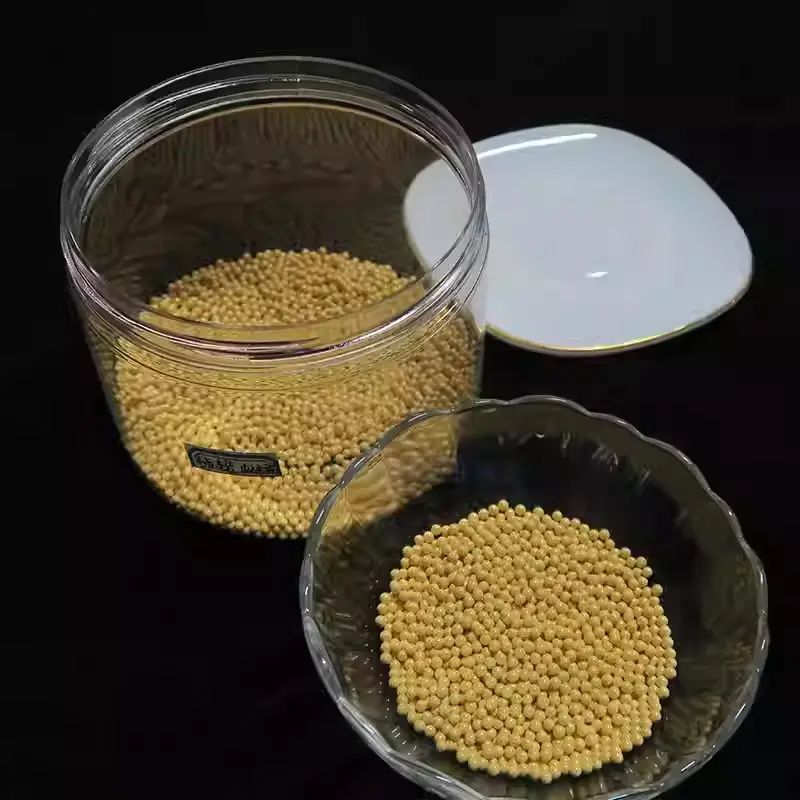
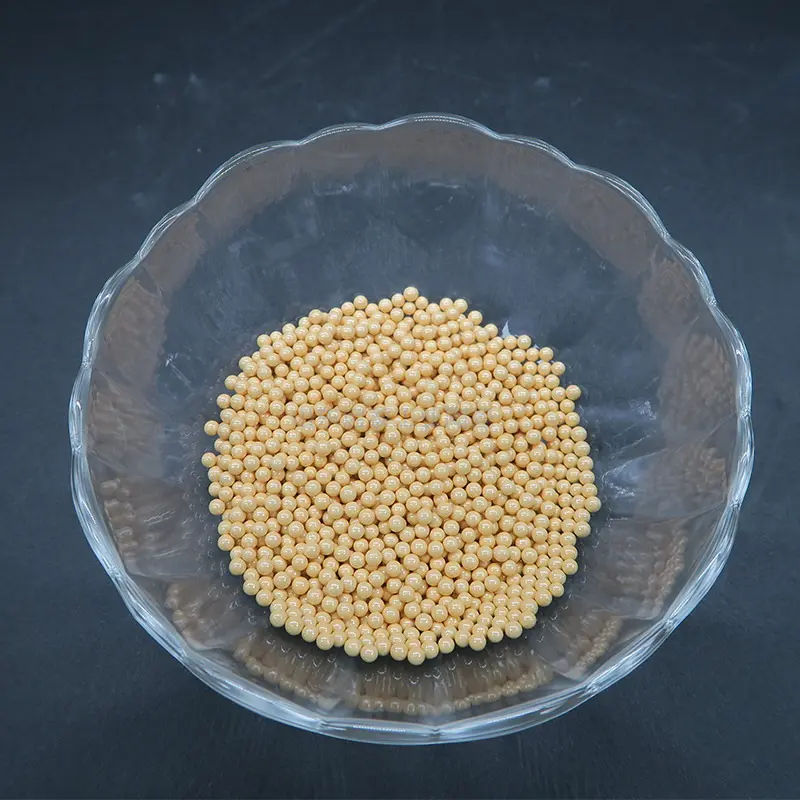
Technology: Sintering
Size Range: 0.4 - 15mm
Specific Density: 5.95 - 6.20 g/cm³
Bulk Density: 3.9 g/ml
Hardness: 1200 HV1
Performance Overview: High hardness intensity, excellent wear resistance, and applicable to all types of high shear energy sanding machines.
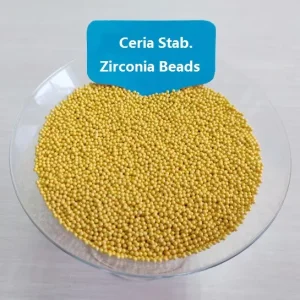
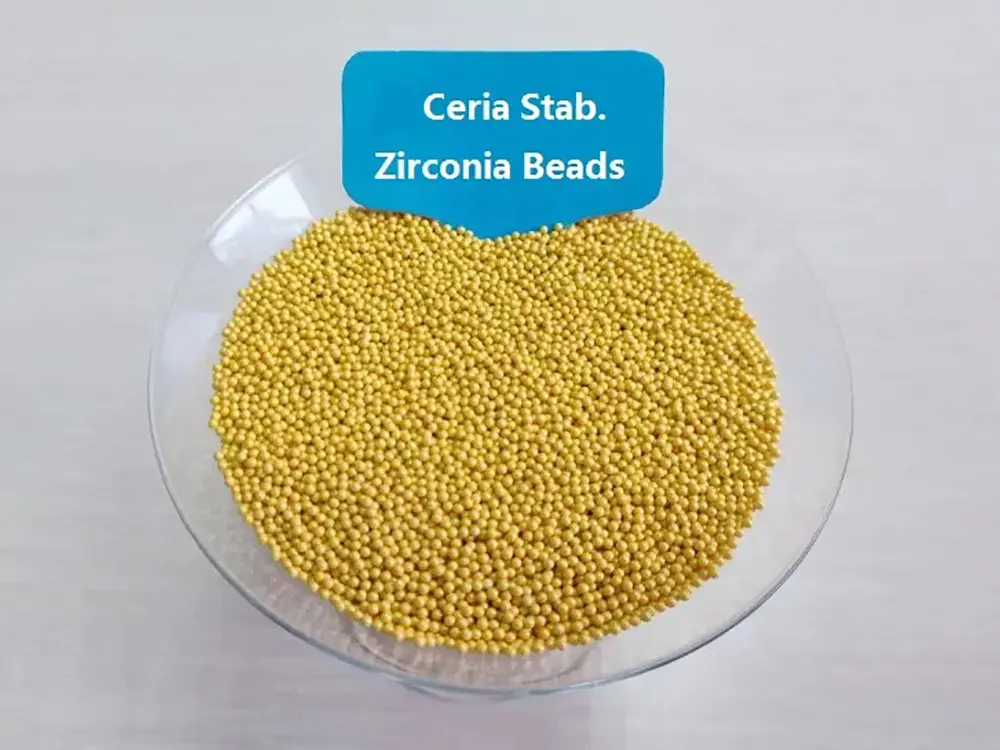
Ceria stabilized zirconia grinding media boasts one of the highest specific gravities (5.5 ~ 6.20 g/cm³). Based on kinetic energy principles (E=1/2mv²), utilizing ceria-stabilized zirconia media delivers greater impact energy, thereby significantly boosting production efficiency. This is especially advantageous for high-viscosity or abrasive products with high solid content. For lower viscosity formulations, choosing smaller Ce-stabilized zirconia media increases the grinding surface contact area, achieving superior dispersion results.
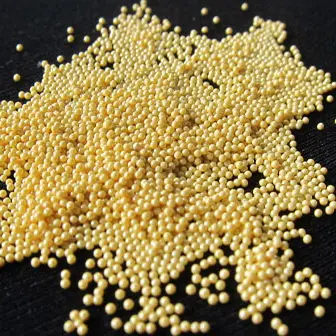
Featuring a delicate, uniform, and dense tetragonal microstructure, these ceramics possess gem-like hardness and high density among zirconium grinding media series. Their outstanding wear resistance and fracture toughness make them exceptionally suitable for ultra-fine grinding and pure dispersion of high-solid, high-viscosity, and high-hardness pastes, matching perfectly with high energy input and high-shear sand mills.
1. Wear-resistant & Corrosion-resistant: Paints, textiles, coatings, printing and dyeing
2. High-strength & High-toughness: Magnetic materials, piezoelectric ceramics, dielectric ceramics
3. Contamination-sensitive: Medicine, food, cosmetics
4. Technical Ceramics: Electronic ceramics, refractory ceramics, structural ceramics
Available Sizes (Sphere):
Φ0.4, Φ0.6, Φ1, Φ1.5, Φ2, Φ2.5, Φ3, Φ10, Φ12, Φ15 mm
| Items | Unit | Parameter |
|---|---|---|
| Composition | wt% | 78~80% ZrO2 13~20% CeO2 |
| Bulk Density | Kg/L | 3.8 (Φ7mm) |
| Specific Density | g/cm³ | 5.95~6.20 |
| Hardness (HV) | GPa | > 9 |
| Elastic Modulus | GPa | 200 |
| Thermal Conductivity | W/m.K | 3 |
| Crushing Load | KN | ≥ 10 (Φ7mm) |
| Fracture Toughness | MPam1/2 | 8.5 |
| Grain Size | µm | ≤ 0.5 |
| Thermal Expansion Coefficient (20-400 °C) | 10⁻⁶ / °C | 9.0 |
What are the main applications of Ceria-Stabilized Zirconia Beads?
They are widely used in grinding and dispersing lithium battery materials, magnetic materials, advanced ceramics, paints & coatings, inks, pharmaceuticals, agrochemicals, and electronics.
What is the specific density of these zirconia beads?
The specific density ranges from 5.95 to 6.20 g/cm³, providing larger impact energy to enhance production efficiency in high-shear mills.
Why are they suitable for high-viscosity products?
Due to their gem-like hardness (1200 HV1), excellent wear resistance, and high specific density, they deliver exceptional impact energy needed for high-solid-phase and high-viscosity pastes.
What sizes are available for the spherical beads?
Available spherical sizes range from Φ0.4mm up to Φ15mm (including Φ0.4, Φ0.6, Φ1, Φ1.5, Φ2, Φ2.5, Φ3, Φ10, Φ12, and Φ15mm).
Are these beads safe for pharmaceuticals and food processing?
Yes, their ultra-fine grain structure (≤0.5 µm) and exceptional wear resistance prevent pollution, ensuring zero contamination critical for medical, food, and cosmetic applications.
What are the key physical strength properties of these beads?
They feature a crushing load of ≥10 KN (for Φ7mm), a fracture toughness of 8.5 MPam1/2, a hardness greater than 9 GPa, and an elastic modulus of 200 GPa.