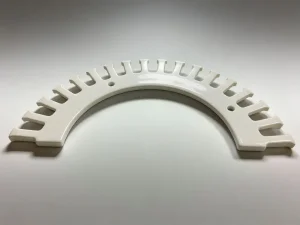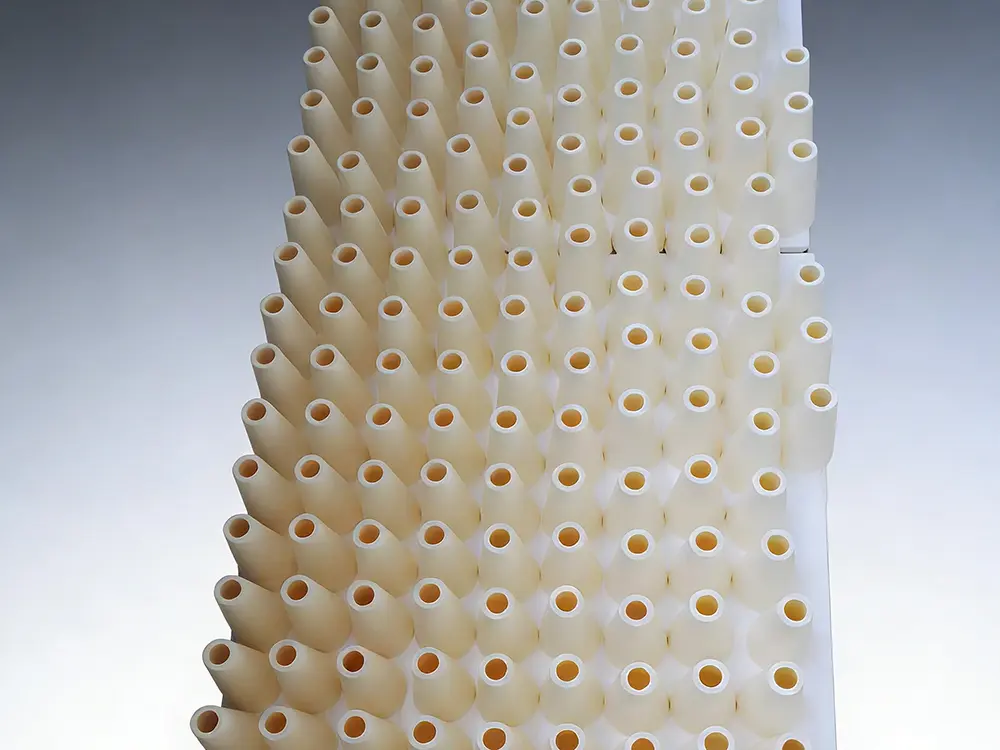

China High-Purity Alumina Technical Ceramics: Top China Suppliers & Factory for Electronics, Engineering, and Medical Applications Manufacturers, Factory

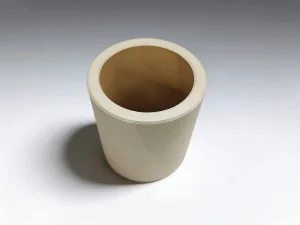
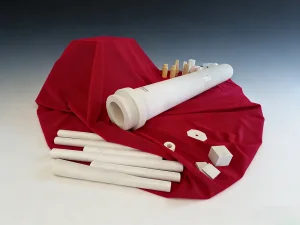
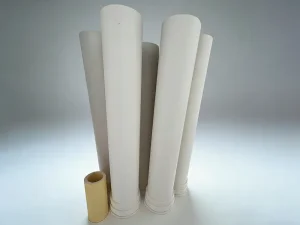
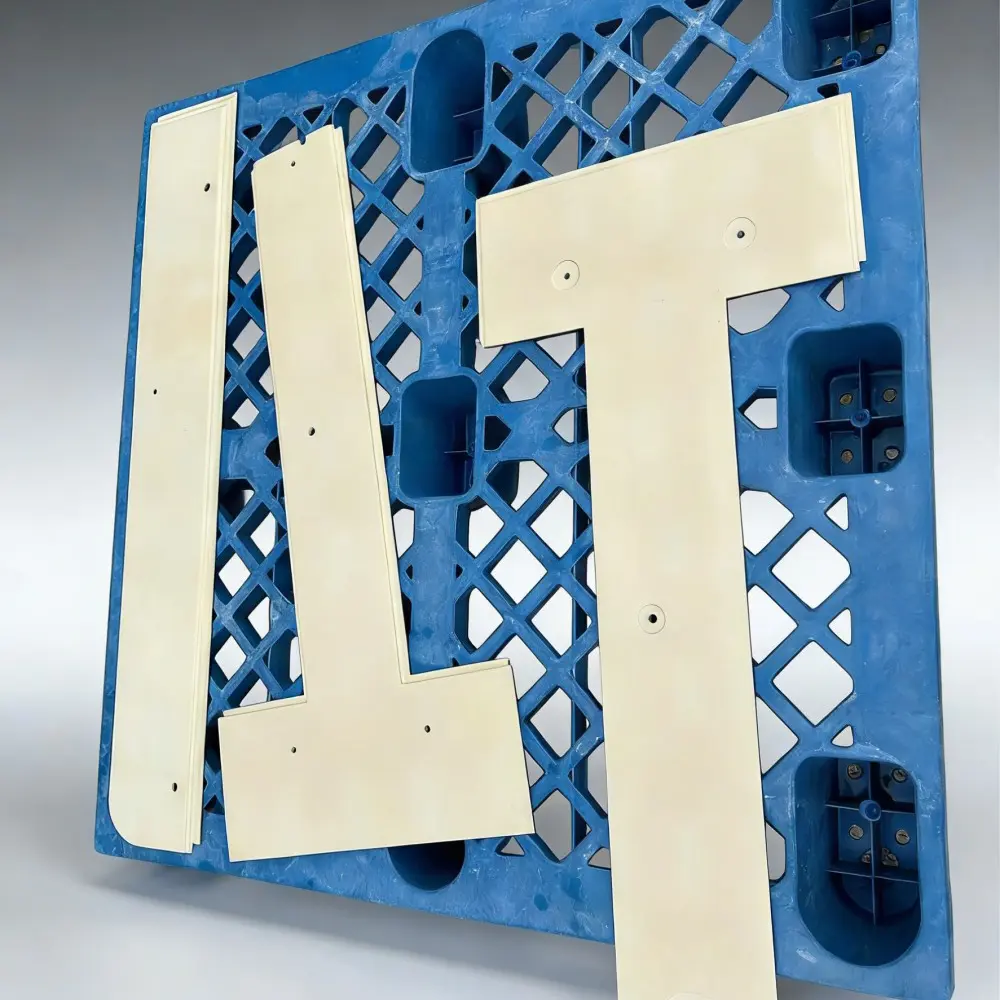
High-purity alumina ceramics are top-tier technical materials offered by leading suppliers and factories in China. Known for their exceptional electrical insulation, high mechanical strength, and superior wear resistance, these materials are engineered to withstand extreme conditions. With remarkable thermal stability and chemical inertness, they maintain reliable performance in harsh environments, featuring a melting point that exceeds 2000°C. Their versatility makes them invaluable in various applications, including electronic substrates, industrial wear parts, cutting tools, and medical implants. The impressive hardness and corrosion resistance of high-purity alumina ceramics ensure their crucial role in the electronics, engineering, and healthcare industries. Trust China’s premier suppliers for your high-purity alumina ceramic needs

Product Description

Material Overview|Alumina Ceramics for Multi-Industry Applications

Key Properties: High hardness · Outstanding wear resistance · Strong electrical insulation · Good thermal conductivity · Cost-effective & highly processable

Alumina ceramics (Al₂O₃) are among the most widely used advanced ceramic materials due to their excellent combination of electrical, thermal, mechanical, and chemical properties. Known for high hardness, outstanding wear resistance, strong electrical insulation, and good thermal conductivity, alumina ceramics deliver stable and reliable performance across a broad range of demanding applications. Their cost-effectiveness and processability further contribute to their popularity in both high-volume industrial uses and precision-engineered components.
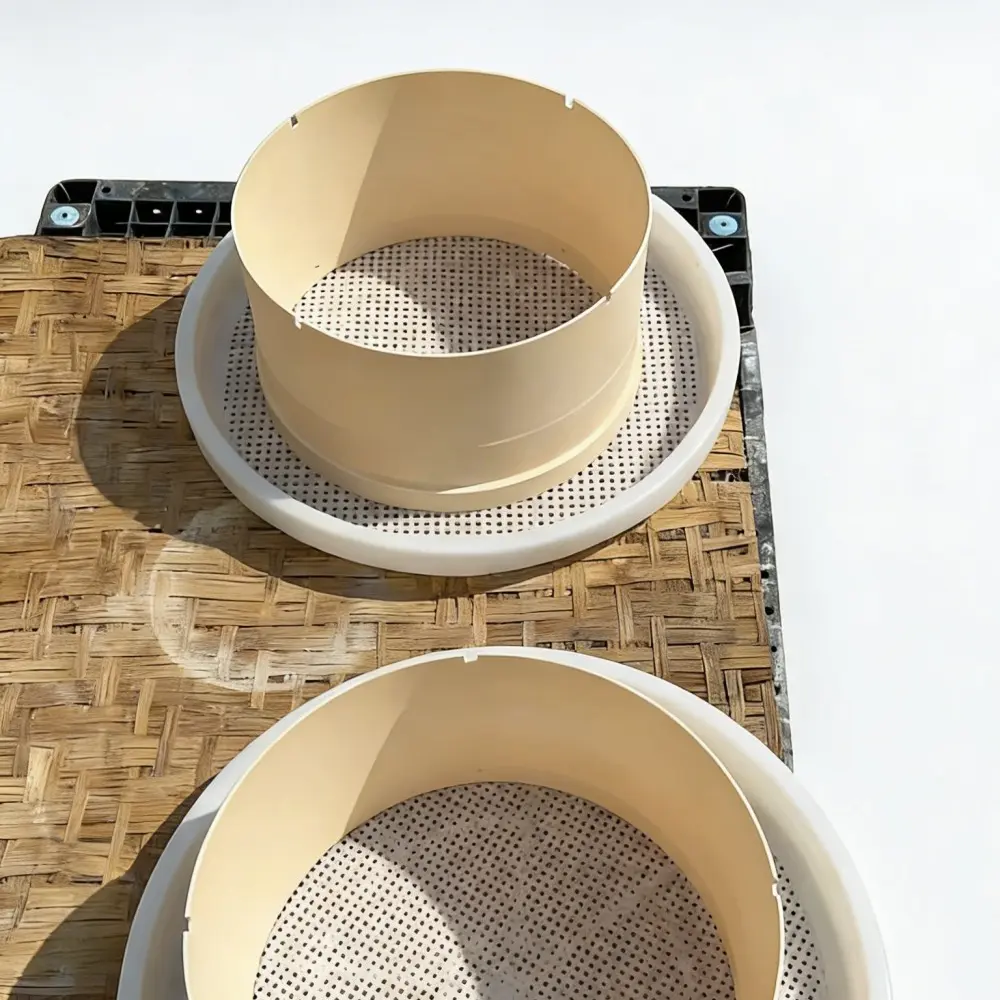
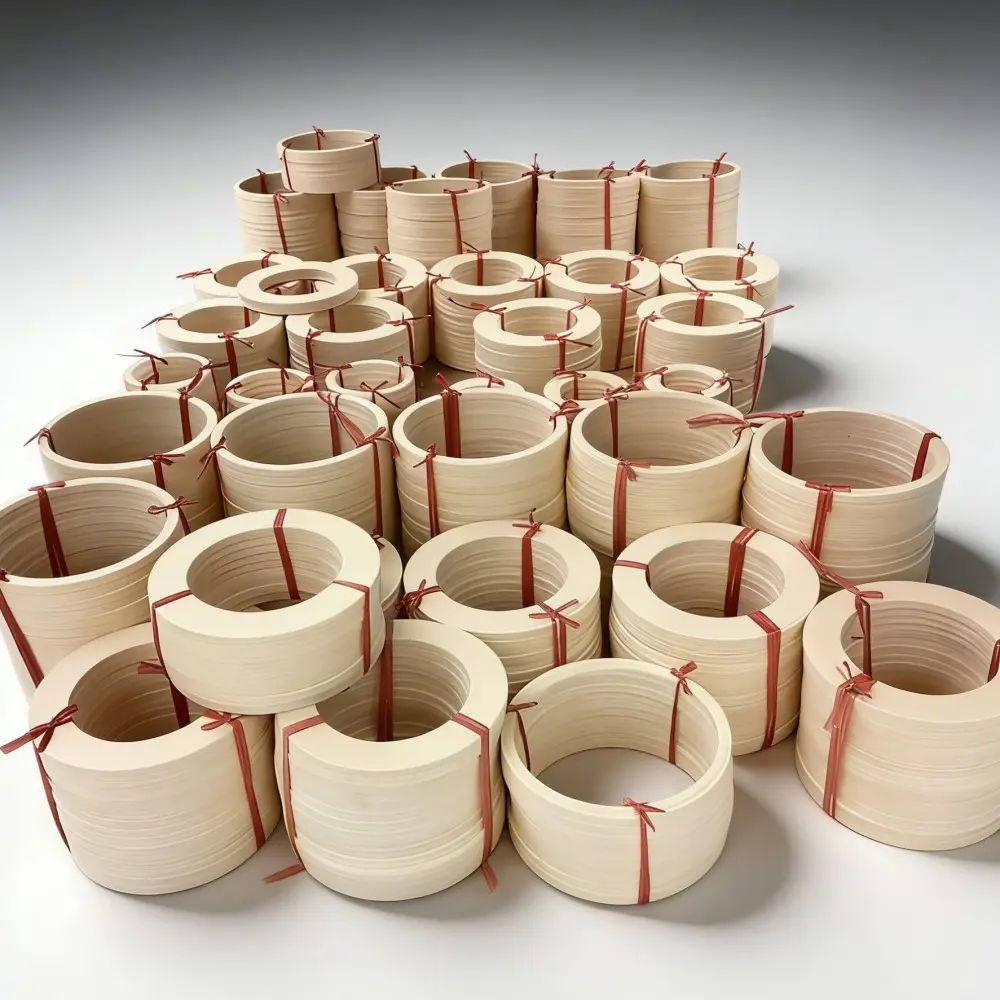
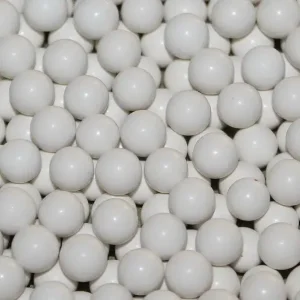
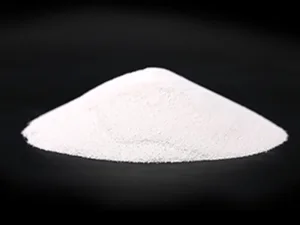
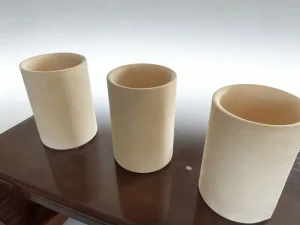
High-Purity Alumina Technical Ceramics (1)
High-Purity Alumina Technical Ceramics (2)

Electronics Applications|Substrates and Insulating Components

Key Advantages: Excellent electrical insulation · Thermal expansion matched to silicon · Effective heat dissipation · Ideal for microelectronics & power electronics

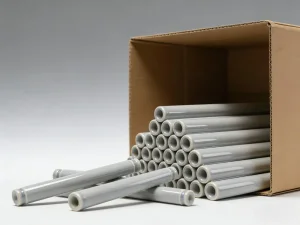
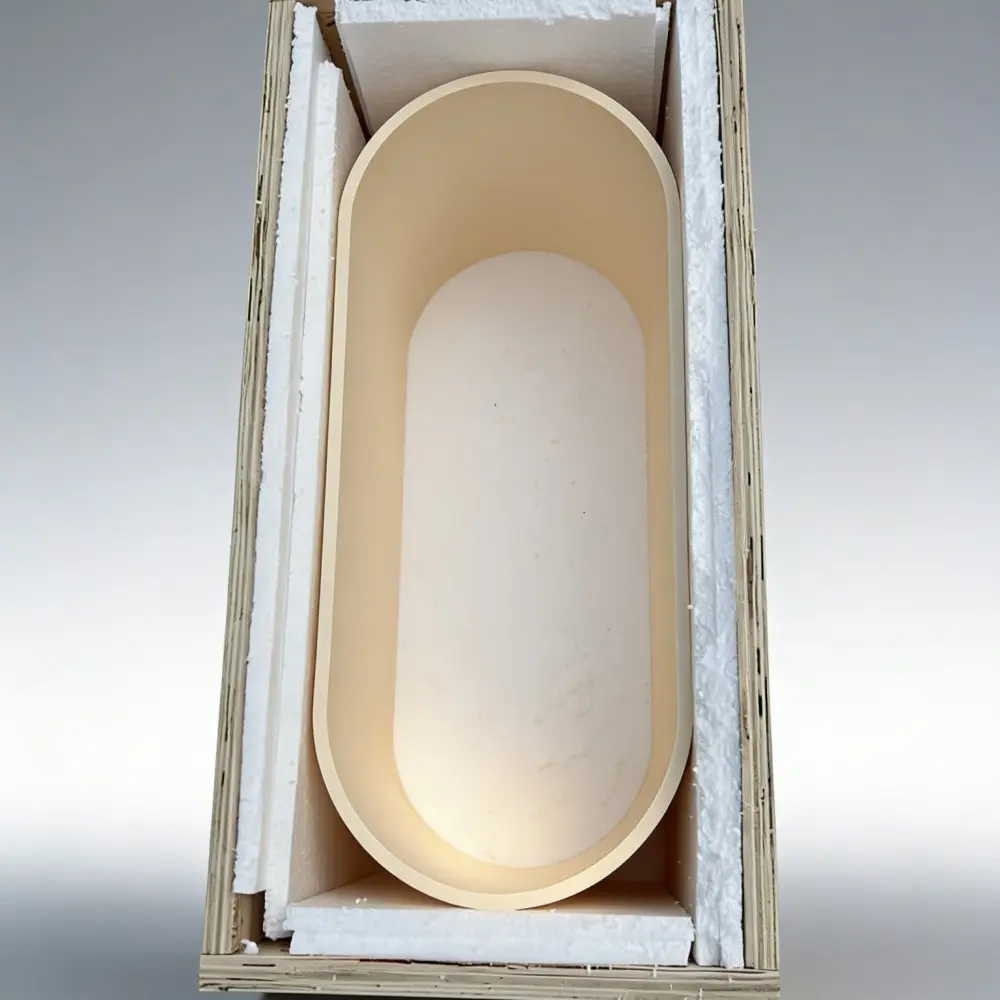
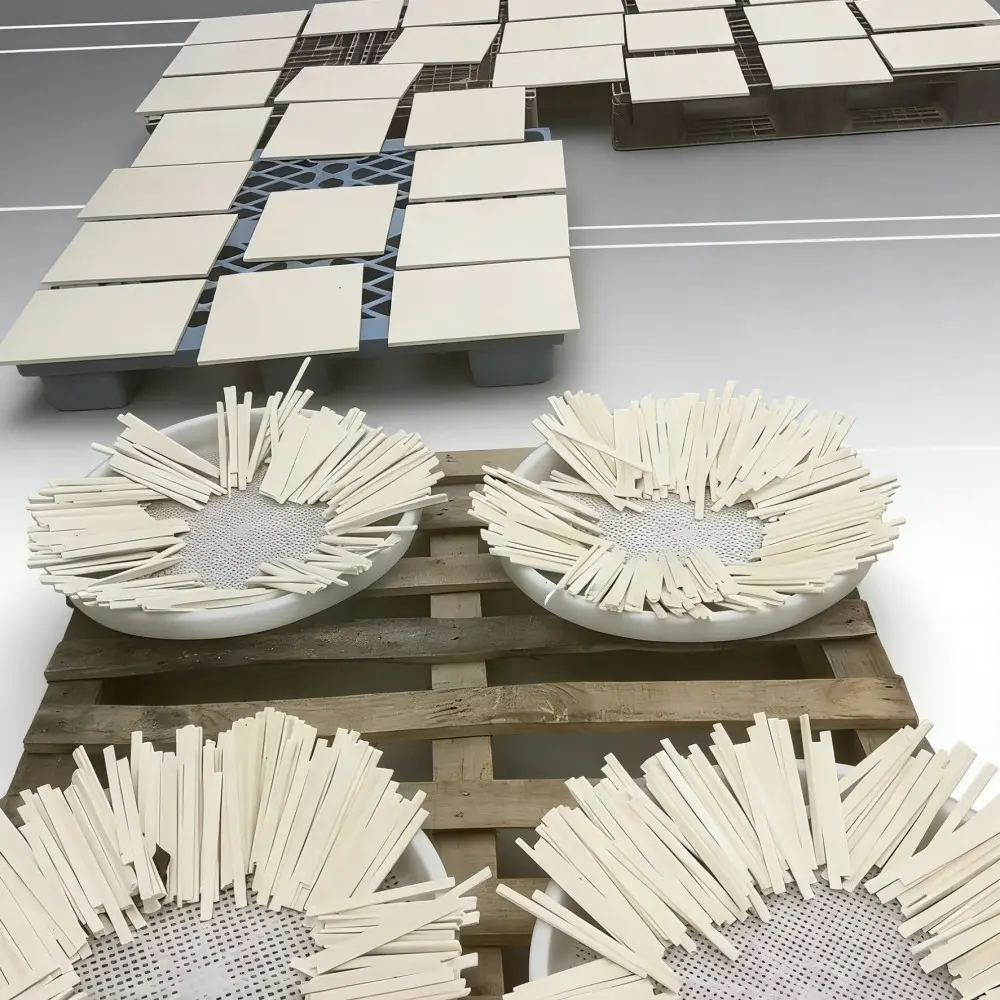
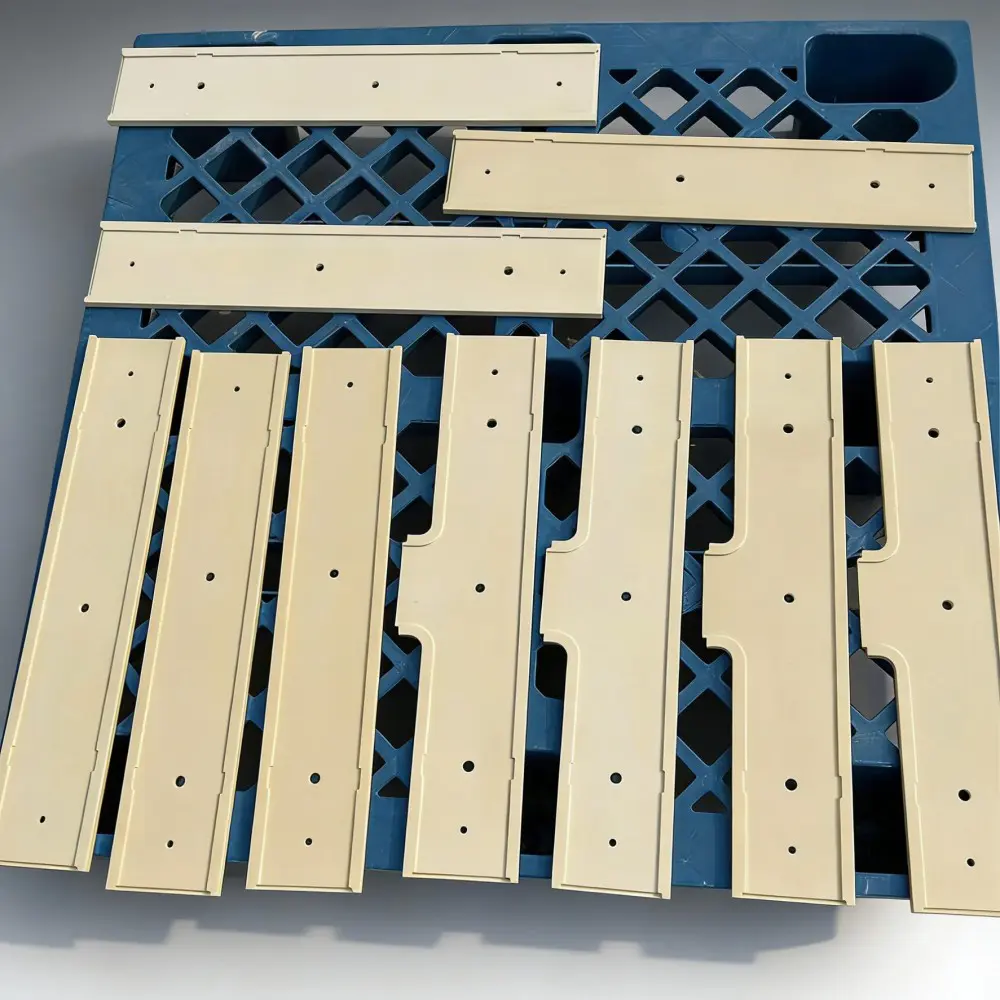
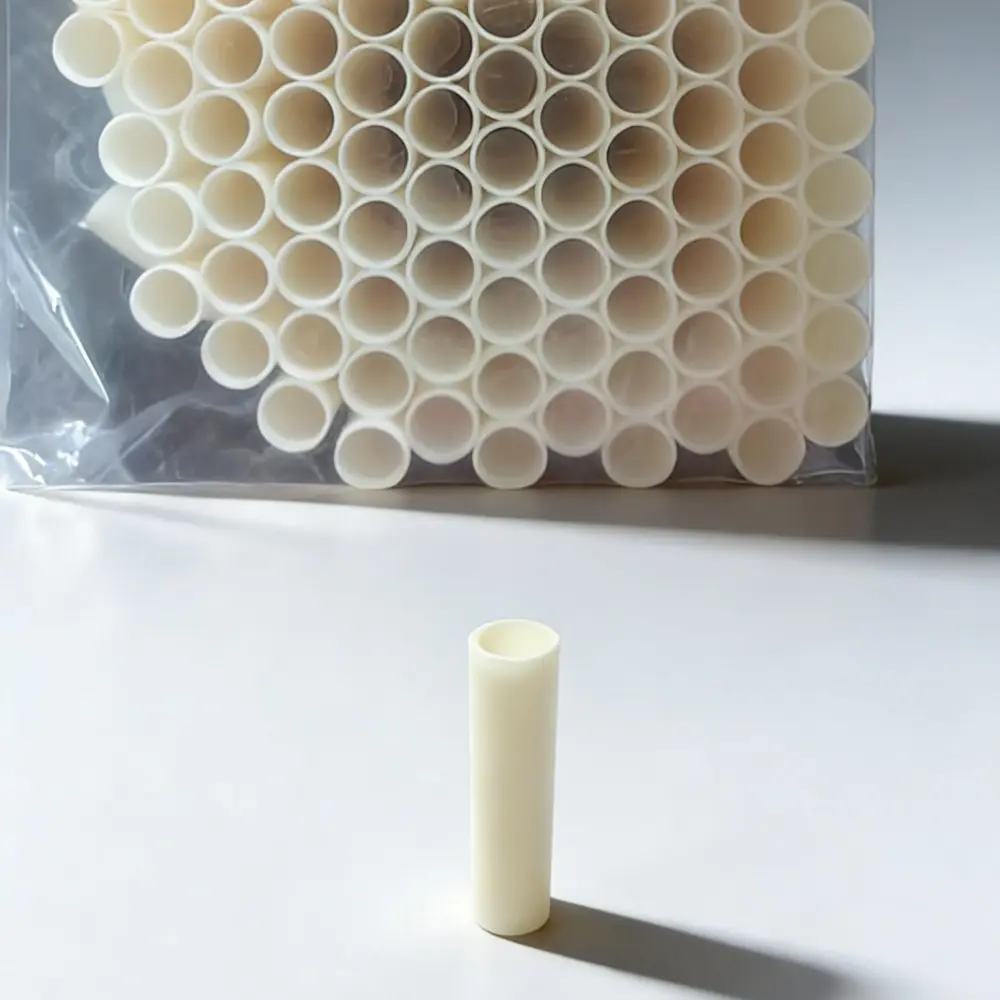
In the electronics industry, alumina ceramics are extensively used for electronic components and substrates. Their excellent electrical insulation properties, coupled with a thermal expansion coefficient closely matched to silicon, make them ideal for electronic substrates, chip packaging, and insulating tubes. At the same time, their relatively high thermal conductivity allows effective heat dissipation, which is critical for maintaining the reliability and lifespan of electronic devices. As a result, alumina ceramics are widely applied in microelectronics, power electronics, and communication equipment.
High-Purity Alumina Technical Ceramics (3)
High-Purity Alumina Technical Ceramics (4)

Industrial Performance|Wear-Resistant Components and Seals

Key Advantages: Extreme hardness · High abrasion resistance · Reliable under high loads & corrosive environments · Extended service life & reduced maintenance costs

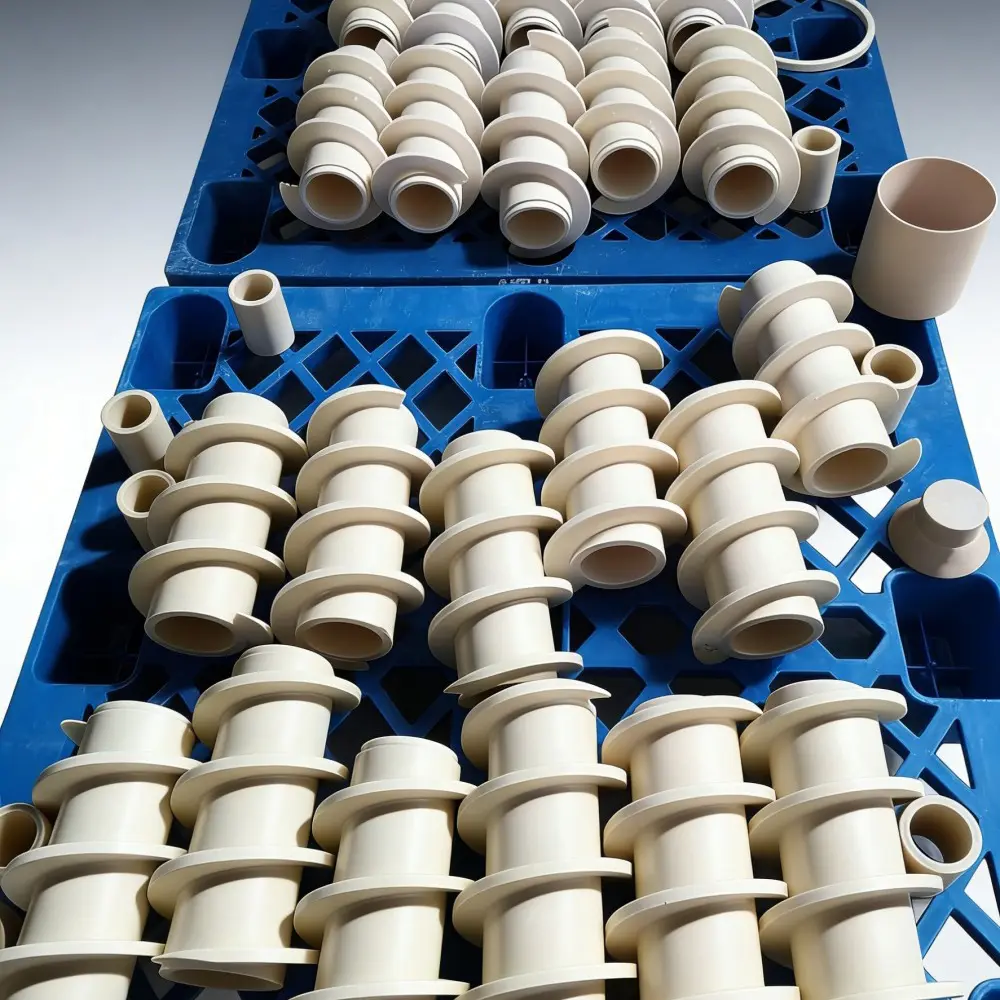
Alumina ceramics also play a crucial role in industrial applications that demand exceptional wear resistance and mechanical durability. Thanks to their extreme hardness and resistance to abrasion, they are commonly used to manufacture mechanical seals, wear-resistant liners, nozzles, and grinding media. These components can operate reliably under high loads, corrosive environments, and continuous friction, significantly extending service life and reducing maintenance costs in harsh working conditions.
High-Purity Alumina Technical Ceramics (5)
High-Purity Alumina Technical Ceramics (6)

Medical Applications|Biocompatible Orthopedic Implants

Key Advantages: Excellent biocompatibility · High strength · Corrosion resistance · Long-term stability & safety inside the human body

In addition, high-purity alumina ceramics are increasingly used in biomedical applications. Their excellent biocompatibility, high strength, and resistance to corrosion make them suitable for orthopedic implants such as artificial hip and knee joints. These properties ensure long-term stability and safety inside the human body, supporting reliable performance in demanding medical environments.
High-Purity Alumina Technical Ceramics (7)
High-Purity Alumina Technical Ceramics (8)

Frequently Asked Questions (FAQ)

Q1 What is alumina ceramic (Al₂O₃) and what makes it a popular advanced ceramic material?
Alumina ceramic (Al₂O₃) is an oxide-based advanced ceramic material composed primarily of aluminum oxide. It is widely favored due to its outstanding combination of properties, including high hardness, excellent wear resistance, strong electrical insulation, good thermal conductivity, and strong chemical stability. Its relative cost-effectiveness and versatile processability make it suitable for both high-volume industrial manufacturing and precision-engineered applications across multiple industries.
Q2 Why are alumina ceramics preferred for electronic substrates and chip packaging?
Alumina ceramics are preferred for electronic substrates and chip packaging because their thermal expansion coefficient closely matches that of silicon, minimizing thermal stress during operation. Additionally, they offer excellent electrical insulation to prevent short circuits, combined with good thermal conductivity that efficiently dissipates heat from electronic components — a critical factor in maintaining device reliability and extending service life in microelectronics, power electronics, and communication equipment.
Q3 What industrial components are commonly manufactured from alumina ceramics?
In industrial settings, alumina ceramics are commonly used to manufacture mechanical seals, wear-resistant liners, spray nozzles, and grinding media. Their extreme hardness and high abrasion resistance allow these components to withstand high mechanical loads, continuous friction, and exposure to corrosive chemical environments. This results in significantly extended service life and reduced maintenance requirements compared to conventional metallic or polymer-based alternatives.
Q4 How are high-purity alumina ceramics used in medical and biomedical applications?
High-purity alumina ceramics are used in biomedical applications primarily for orthopedic implants, such as artificial hip joints and knee joint components. Their excellent biocompatibility means they do not cause adverse reactions when implanted in the human body. Combined with high mechanical strength and superior corrosion resistance to bodily fluids, these ceramics provide long-term stability and safety, making them a trusted material choice for demanding medical implant environments.
Q5 What is the difference between standard alumina ceramics and high-purity alumina ceramics?
Standard alumina ceramics typically contain Al₂O₃ content ranging from around 85% to 96%, with various sintering aids and additives that influence their mechanical and electrical properties. High-purity alumina ceramics contain 99% or greater Al₂O₃ content, resulting in superior electrical insulation, better chemical inertness, higher temperature resistance, and enhanced biocompatibility. High-purity grades are therefore preferred for critical applications such as biomedical implants, semiconductor processing, and precision electronic components where material purity is essential.
Q6 Can alumina ceramics withstand corrosive chemical environments?
Yes, alumina ceramics exhibit excellent chemical stability and resistance to a wide range of corrosive media, including acids, alkalis, and organic solvents, particularly at moderate temperatures. This chemical inertness makes them highly suitable for use in chemical processing equipment, industrial seals, nozzles, and biomedical implants where prolonged exposure to aggressive chemical or biological environments is expected. Their resistance to corrosion also contributes to their long operational lifespan and low maintenance requirements.

Related Products