1 / 1

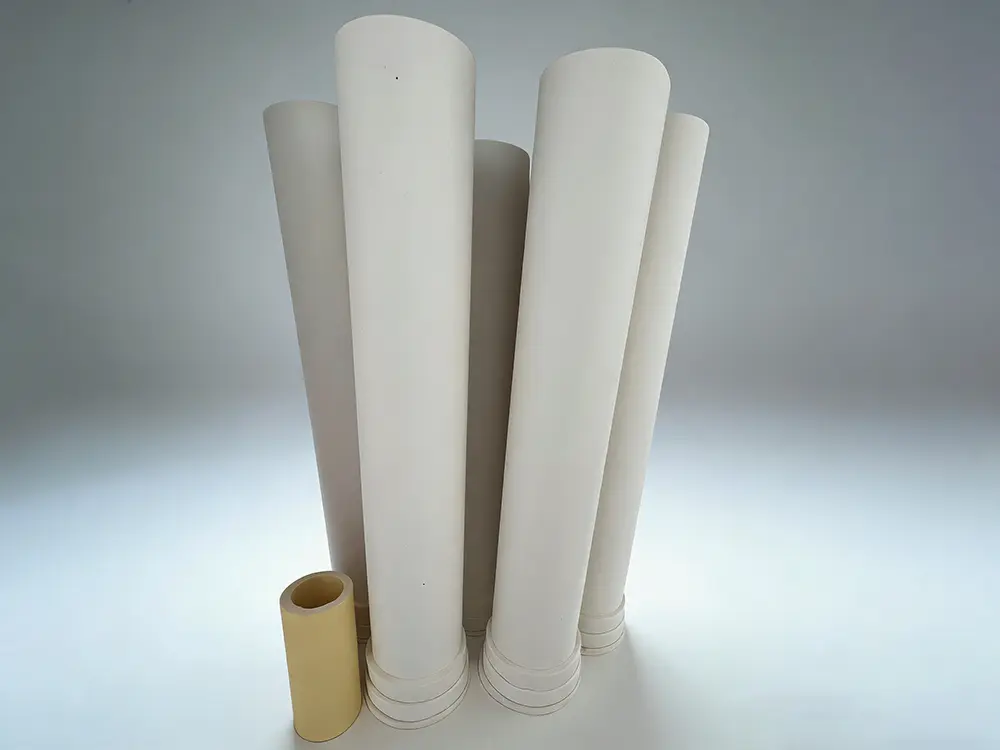
In addition to outstanding refractoriness, magnesium oxide ceramics exhibit high thermal conductivity, allowing efficient heat transfer and thermal management in demanding systems. They also provide excellent electrical insulation even at elevated temperatures, combined with strong mechanical strength, good corrosion resistance, and wear resistance. This unique balance of properties ensures long-term reliability and stability in industrial, electronic, and metallurgical applications where conventional materials may degrade or fail.
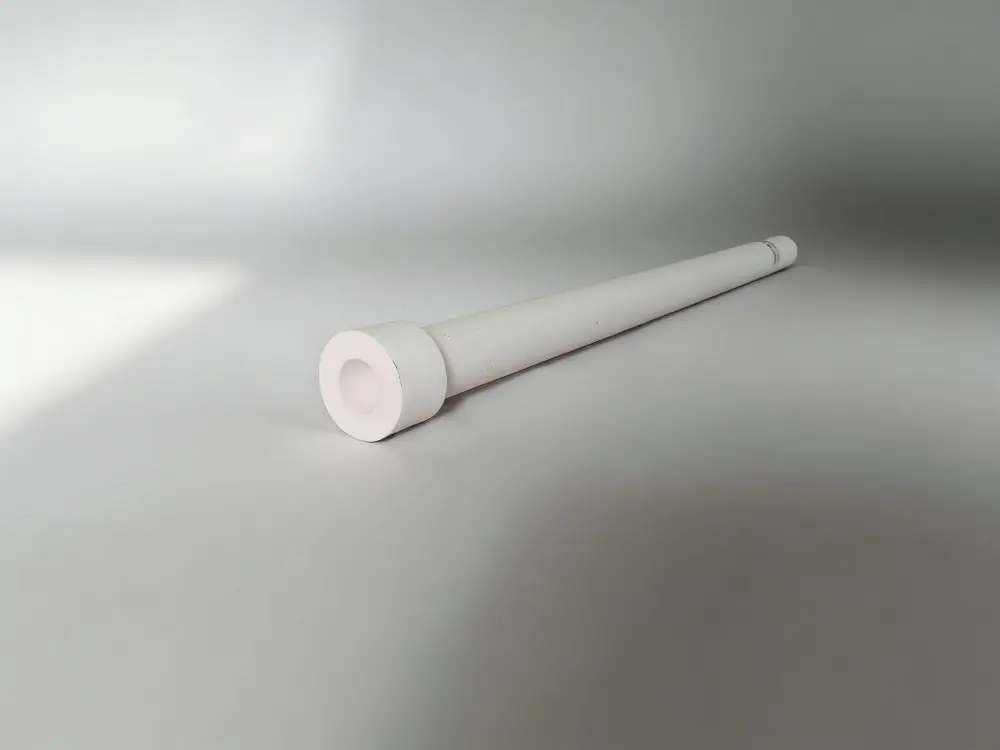
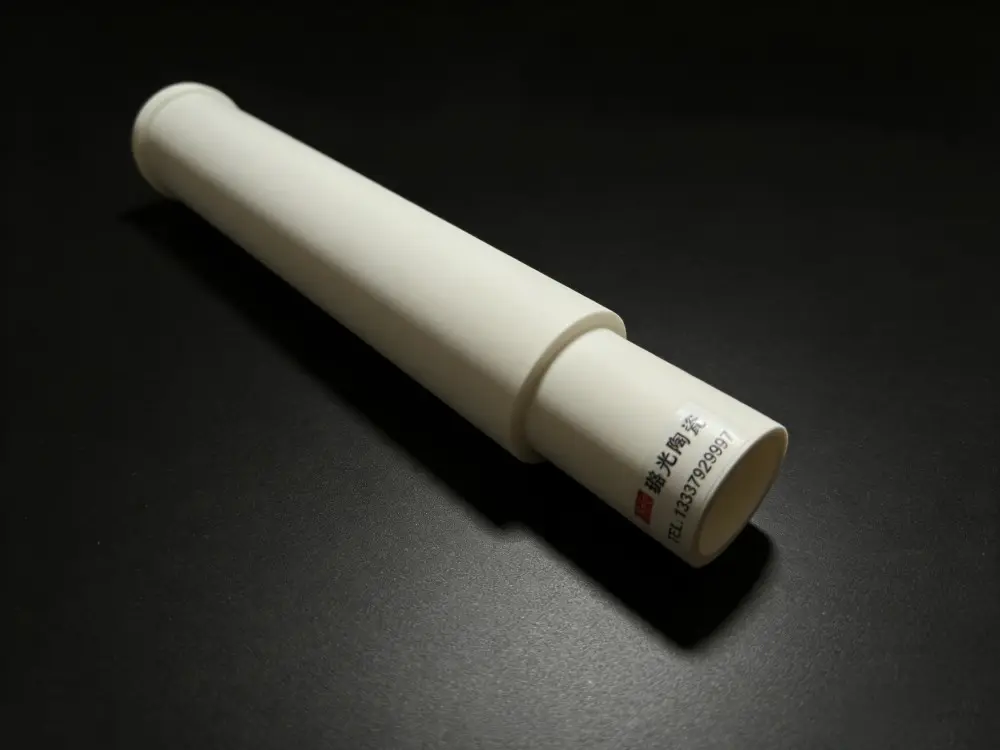
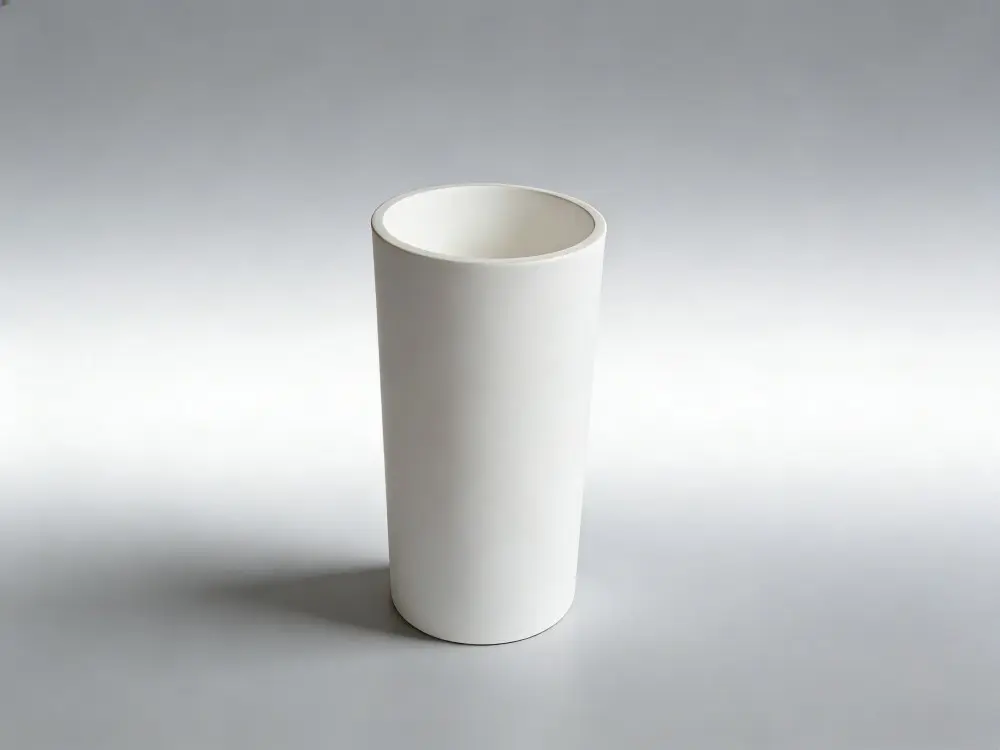
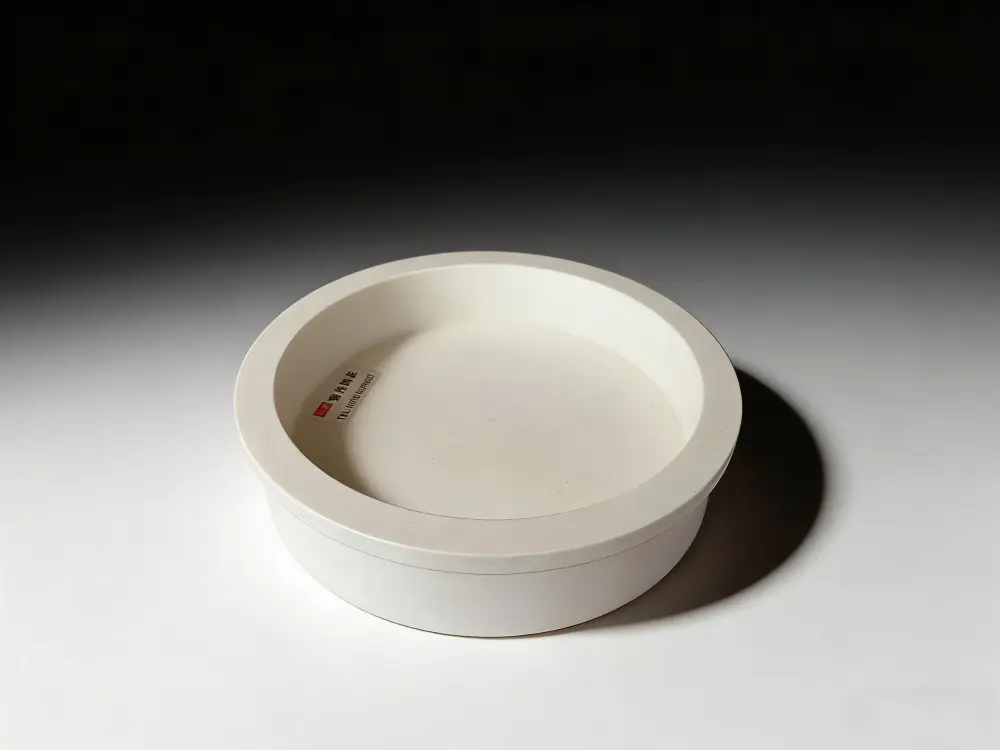
One of the most important uses of MgO ceramics is in crucibles and furnace linings for melting high-purity and noble metals. Magnesium oxide's chemical inertness prevents unwanted reactions with molten metals such as platinum, iridium, and their alloys, ensuring purity and minimizing contamination. Its ability to withstand temperatures above 2,000 °C allows repeated use in high-temperature melting and refining processes, making it an indispensable material for precious metal processing.
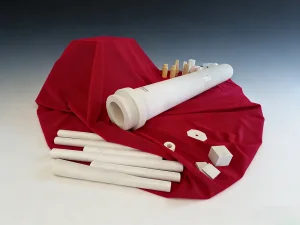
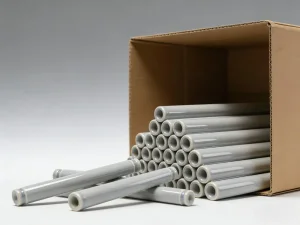
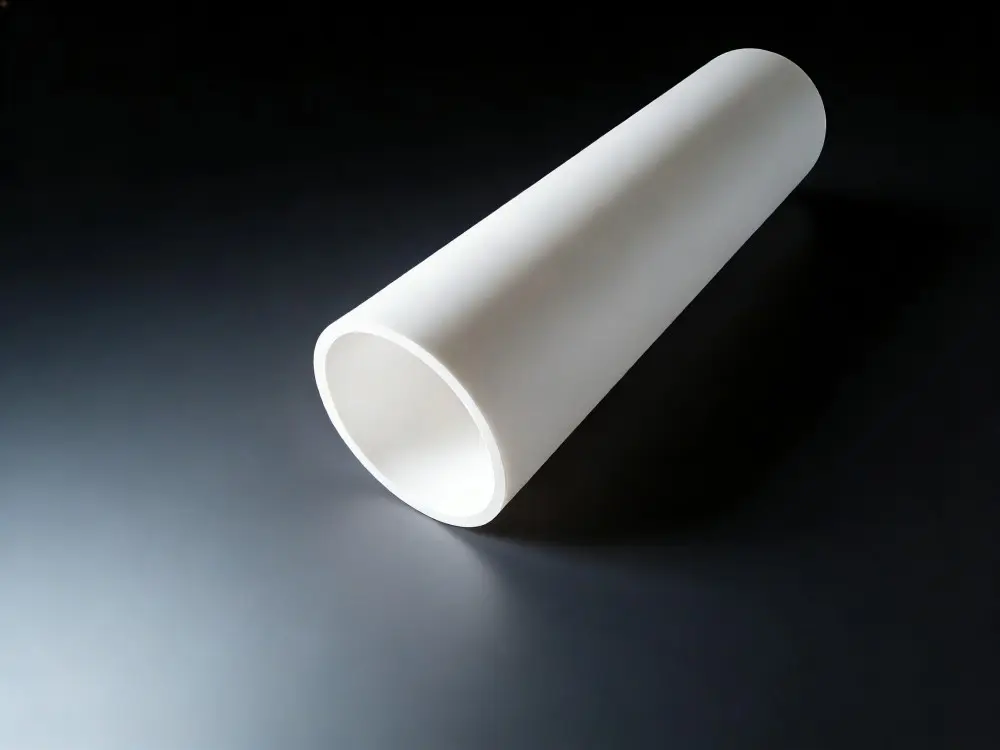
Magnesium oxide ceramics are also widely used as protective tubes and insulation components for high-temperature sensors. In industrial furnaces and metallurgical operations, MgO thermocouple sheaths provide excellent electrical insulation while protecting sensitive sensors from heat, corrosion, and aggressive atmospheres. This ensures accurate and stable temperature measurement in extreme environments, improving process control and operational safety.
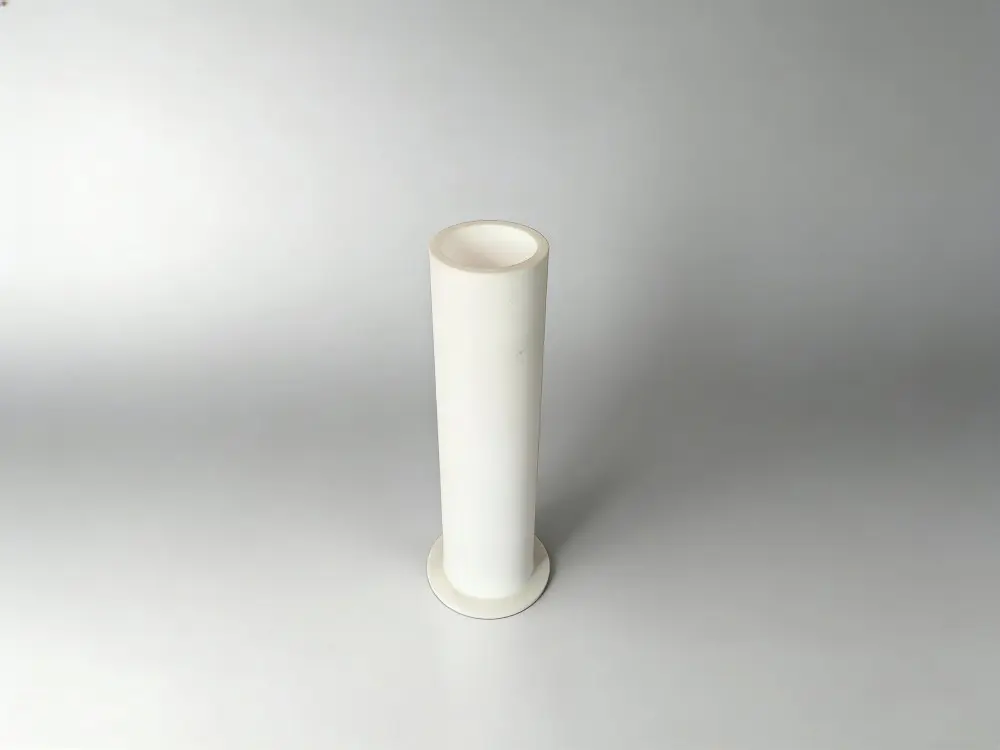
Furthermore, MgO ceramics play a vital role in plasma-related systems, particularly in semiconductor manufacturing. Their resistance to thermal shock and corrosive plasma conditions makes them ideal for components such as insulating rings and plasma windows. These components must endure intense thermal and chemical stress while maintaining dimensional stability and electrical insulation, making magnesium oxide ceramics a reliable choice for advanced plasma processing technologies.
| Property | Value |
|---|---|
| Magnesium Oxide Content | ≥ 99% |
| Bulk Density | ≥ 3.30 – 3.50 g/cm³ |
| Thermal Conductivity | ≥ 60 W/(m·K) |
| Flexural Strength | ≥ 150 MPa |
| Maximum Service Temperature (Oxidizing Atmosphere) | ≥ 2200 °C × 5h |