1 / 5

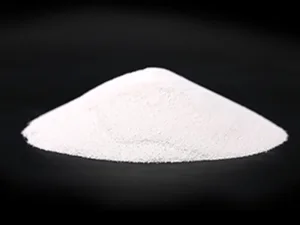
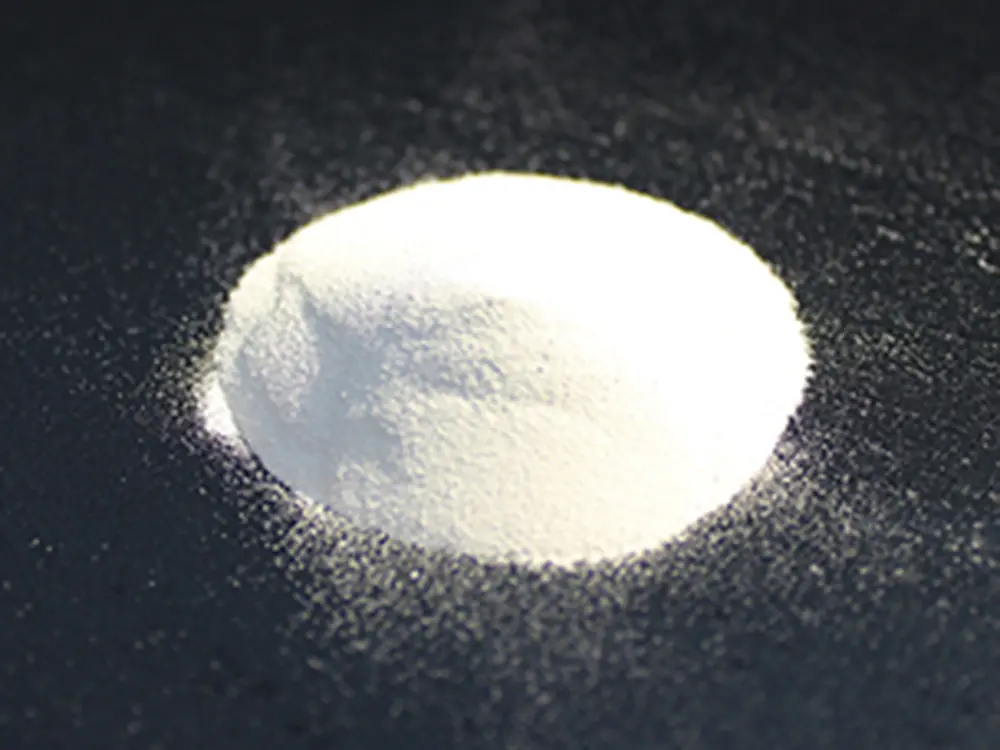
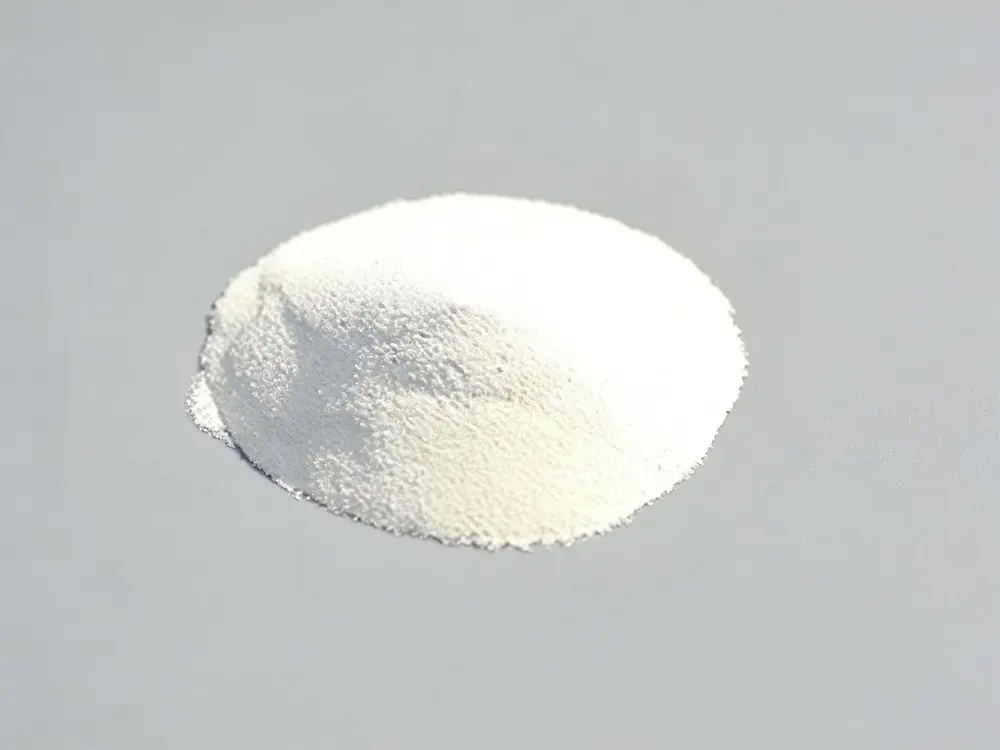
Our Mg-PSZ powder can be divided into three types: ceramic grade, the oxygen determination grade and refractory grade.
With special production process, we can produce different Mg-PSZ powder by adjusting the content of MgO.
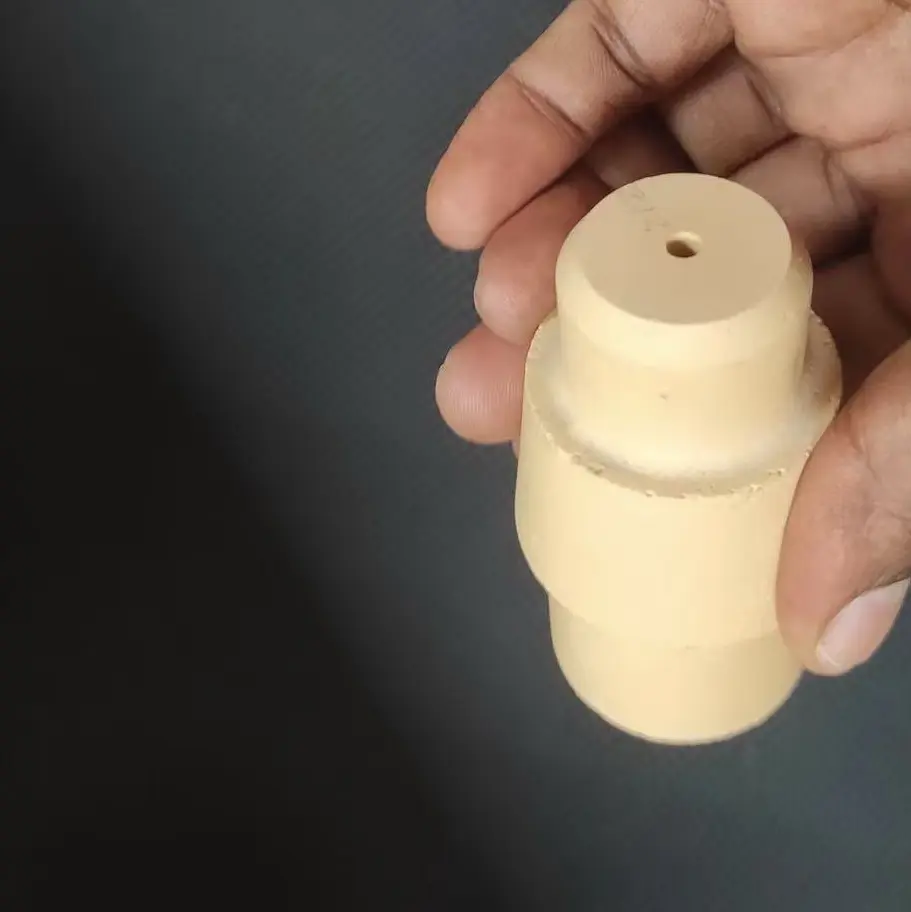
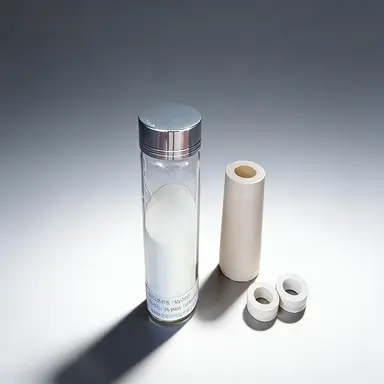
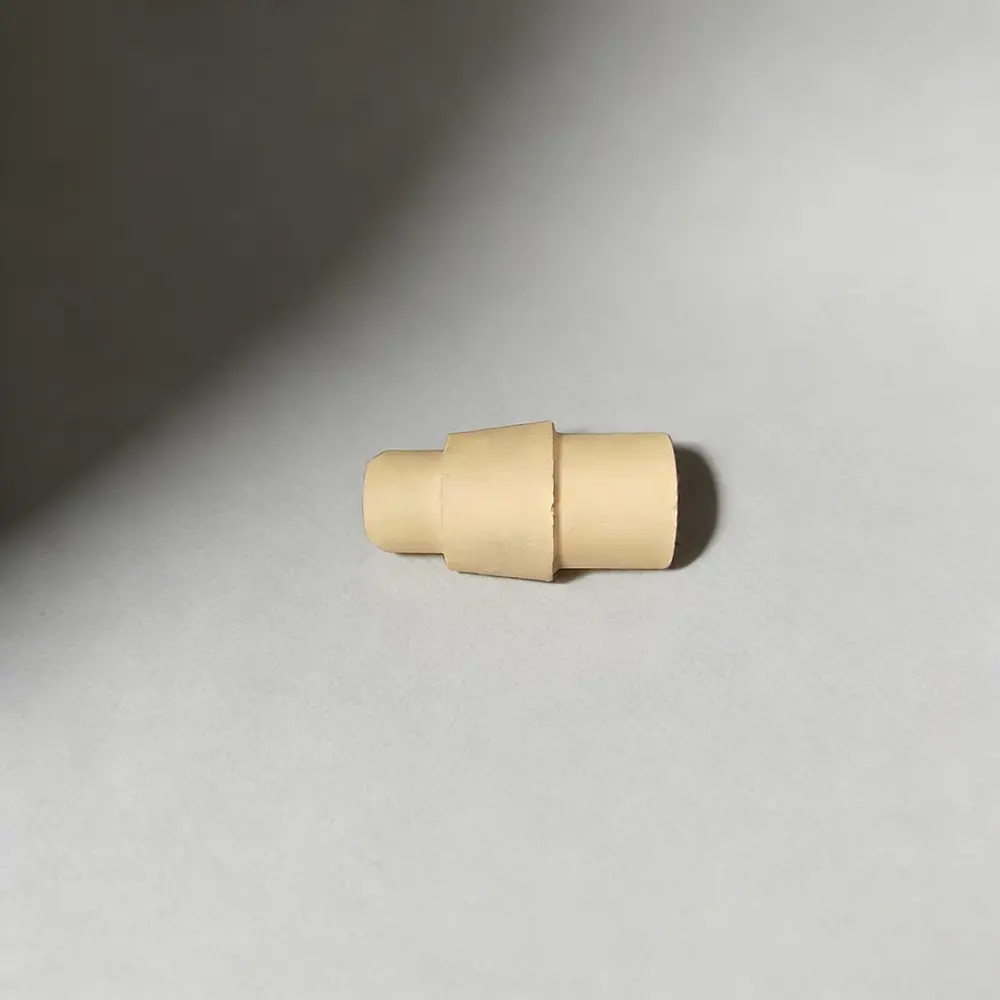
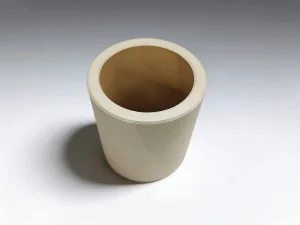
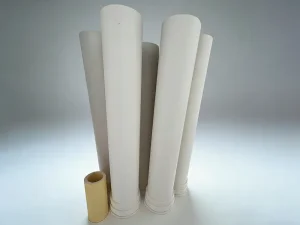
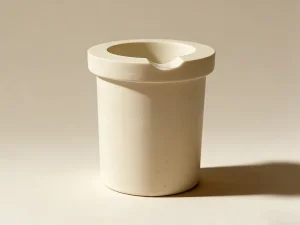
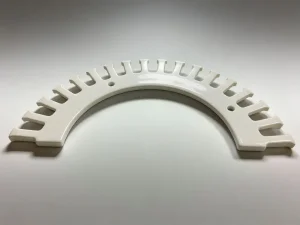
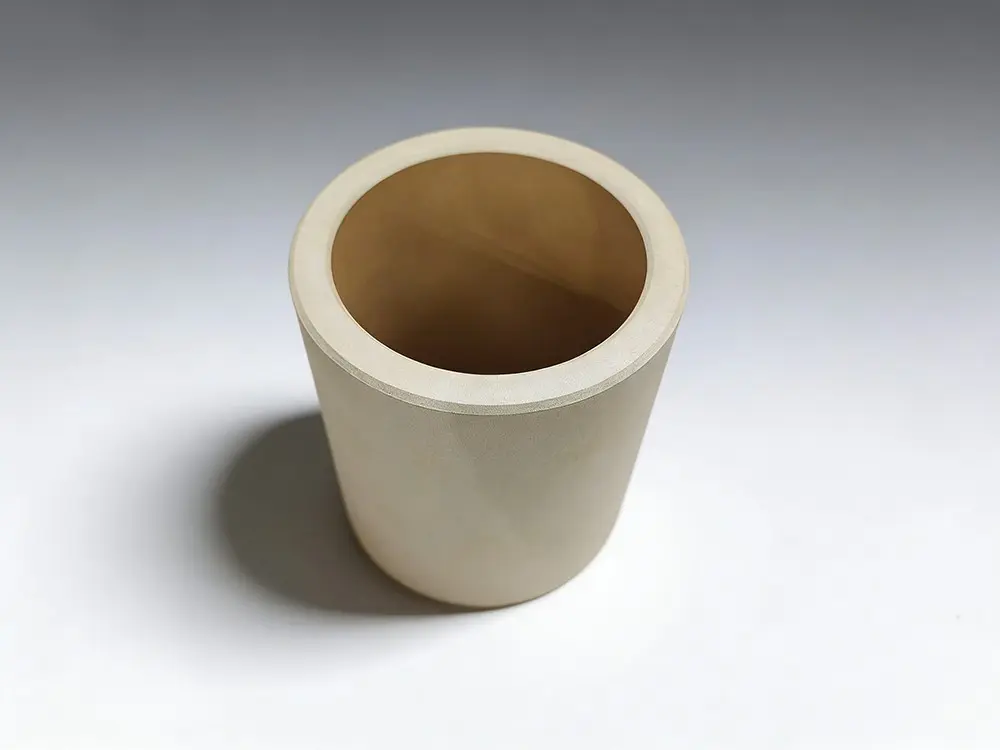
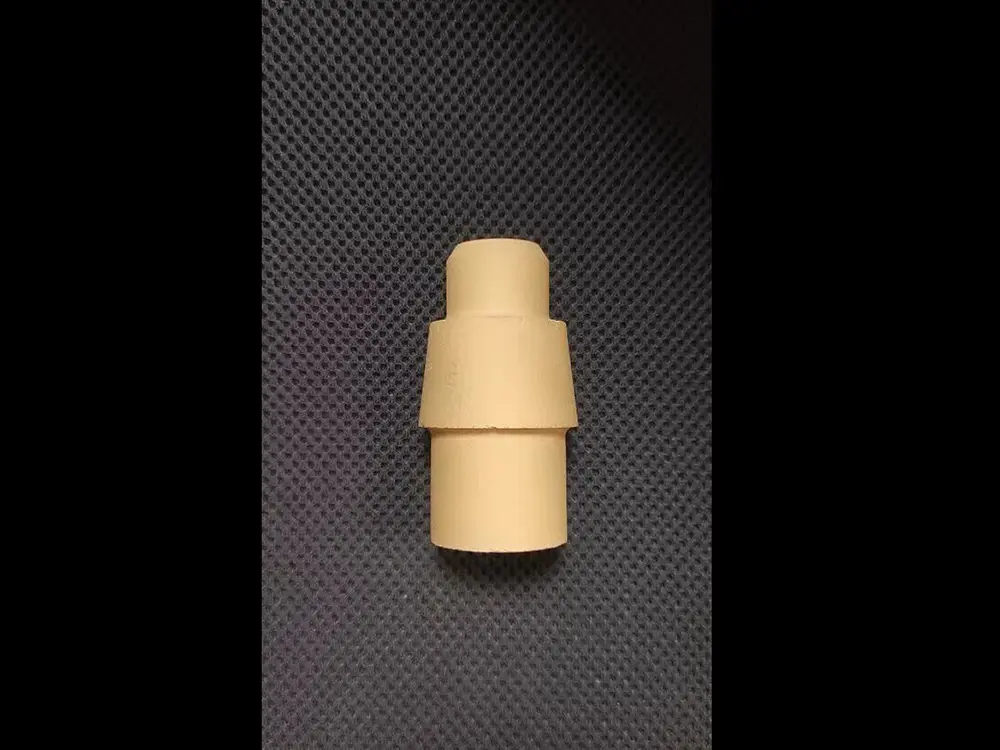
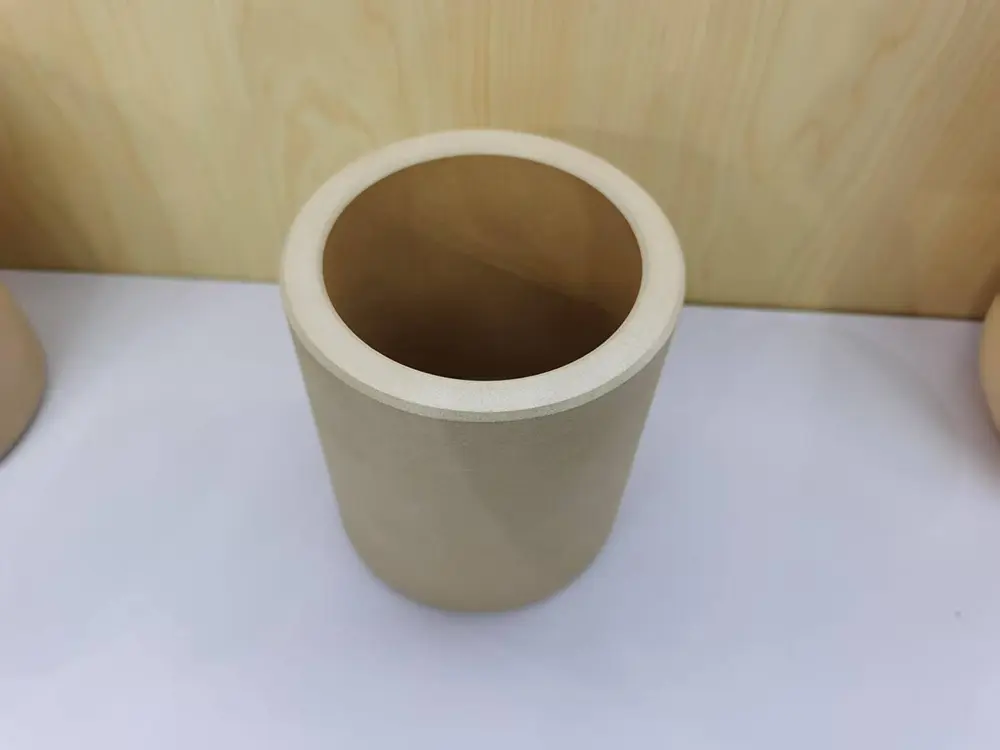
Our Mg-PSZ powder can be divided into two types: One is white and the other is yellow and earth yellow, which are applied for different structural ceramics, anti-corrosion ceramics and Refractory ceramics.
Magnesium stabilized zirconia powder is a critical material in high-tech industries due to its exceptional stability and performance under extreme conditions. Its primary applications include:
| Type | FR-3M01 | FR-3M01B | FR-3M02 | FR-3M02B | FR-3M03 |
|---|---|---|---|---|---|
| ZrO₂%+(HfO₂) | 95.65 | 96.65 | 95.65 | 96.65 | 96.65 |
| MgO (wt%) | 3.2±0.2 | 3.2±0.2 | 3.2±0.2 | 3.2±0.2 | 3.2±0.2 |
| Al₂O₃% ≤ | 0.01 | 0.01 | 0.01 | 0.01 | 0.01 |
| SiO₂% ≤ | 0.01 | 0.01 | 0.01 | 0.01 | 0.01 |
| Fe₂O₃% ≤ | 0.01 | 0.01 | 0.01 | 0.01 | 0.01 |
| CaO% ≤ | 0.02 | 0.02 | 0.02 | 0.02 | 0.02 |
| others ≤ | 1 | 0 | 1 | 0 | 0 |
| IL (%) | 3 | 0 | 3 | 0 | 0 |
| Density (g/cm³) > | 5.70 | 5.6 | 5.75 | 5.65 | 5.5 |
| Bending Strength (MPa) | 550 | 500 | 650 | 600 | 450 |
| Corrosion Resistance | Good | Excellent | Good | Excellent | Good |
| Color after Sintering | White | Grey White | Yellow | Yellow | Earth Yellow |
| HV (MPa) > | 1000 | — | 1200 | — | — |
| Application | Structural ceramics, mechanical parts, anti-corrosion chemical ceramics, refractory ceramics. | ||||
| Test Date | 2023.10.4 | Report Date | 2023.10.5 |
| Product Batch No. | 20231004 | Quantity | 200kg |
| Color after Sintering | White | ||
| Item | Chemical Composition | ||
| Specification % | Value % | ||
| MgO (%) | 3.5±0.1 | 3.51 | |
| Zr(Hf)O₂ (%) | ≥95.8 | 96.0 | |
| Fe₂O₃ (%) | <0.01 | 0.0015 | |
| TiO₂ (%) | <0.01 | 0.0010 | |
| SiO₂ (%) | <0.01 | 0.005 | |
| Al₂O₃ (%) | <0.3 | 0.21 | |
| Y₂O₃ (%) | <0.3 | 0.19 | |
| Loss on Ignition (TL) (%) | <1.6 | 1.30 | |
| SSA (m²/g) | 8–12 | 11.5 | |
| D50 (µm) — Secondary Particle Size | <1.0 | 0.6 | |
| Moisture Content % | ≤0.8 | 0.61 | |
| Density after Sintering (g/cm³) | ≥5.7 | 5.74 | Experiment Condition |
| Firing Shrinkage % | 20–24 | 23 | |
|
Note:
The firing process is carried out at 1600 ℃, and the firing cycle is determined based on the size of the work piece. When applying the strength and toughness of the ceramic parts, it is best to apply thermal shock resistance when the ceramic parts are naturally cooled to 1400 ℃ and kept at a constant temperature for 5–10 hours. When the ceramic parts are naturally cooled to 1100 ℃ and kept at a constant temperature for 5–10 hours, the thermal shock resistance is the best.
|
|||