
China Advanced Silicon Nitride Engineering Ceramics from China Suppliers and Factory for High-Performance Applications Factories, Factory

Silicon nitride ceramics are cutting-edge engineering materials renowned for their exceptional thermal stability, impressive mechanical strength, and remarkable fracture toughness. Sourced from top suppliers in China, these advanced ceramics exhibit outstanding resistance to thermal shock, wear, and corrosion, making them ideal for performance in extreme environments. Their low density and self-lubricating properties enhance their suitability for high-demand applications such as cutting tools, bearings, turbocharger rotors, and aerospace and medical components. As a trusted factory for silicon nitride products, we provide a superior choice for tackling high-stress, high-temperature engineering challenges

Product Description

🔬 Material Overview|Silicon Nitride Advanced Engineering Ceramics

Silicon nitride (Si₃N₄) ceramics are advanced engineering materials widely valued for their exceptional mechanical strength, thermal stability, wear resistance, and chemical inertness. With a unique combination of low density, high fracture toughness, and excellent performance at elevated temperatures, silicon nitride ceramics deliver reliable operation in environments where conventional metallic materials are unable to perform. These characteristics make them an ideal choice for demanding industrial, aerospace, and biomedical applications.
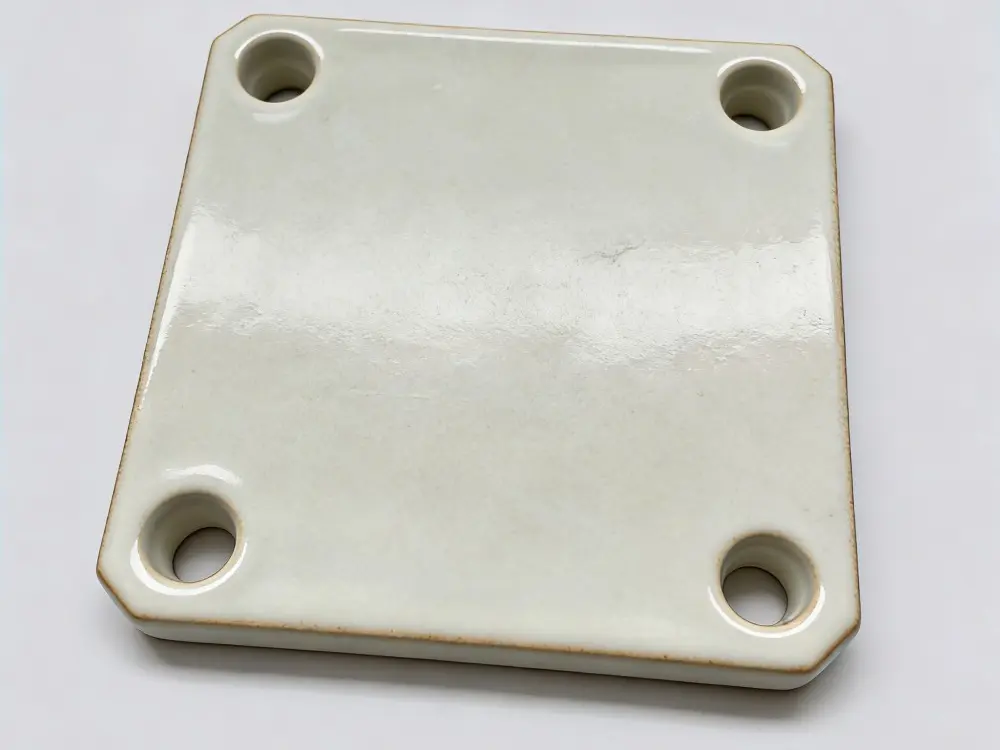
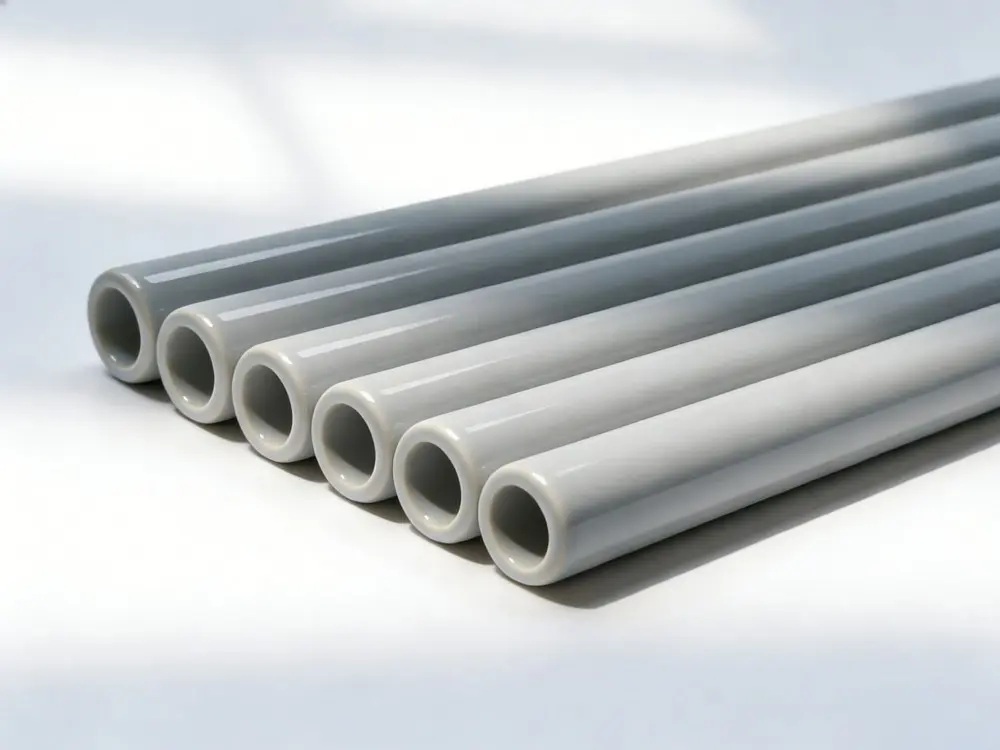
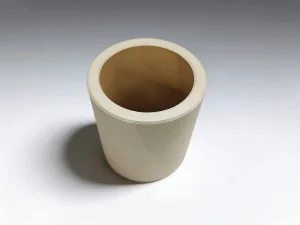
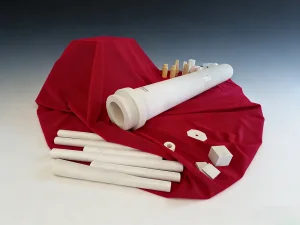
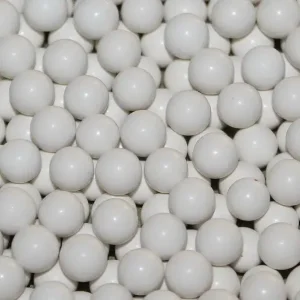
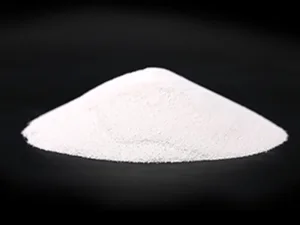
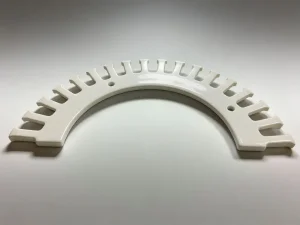
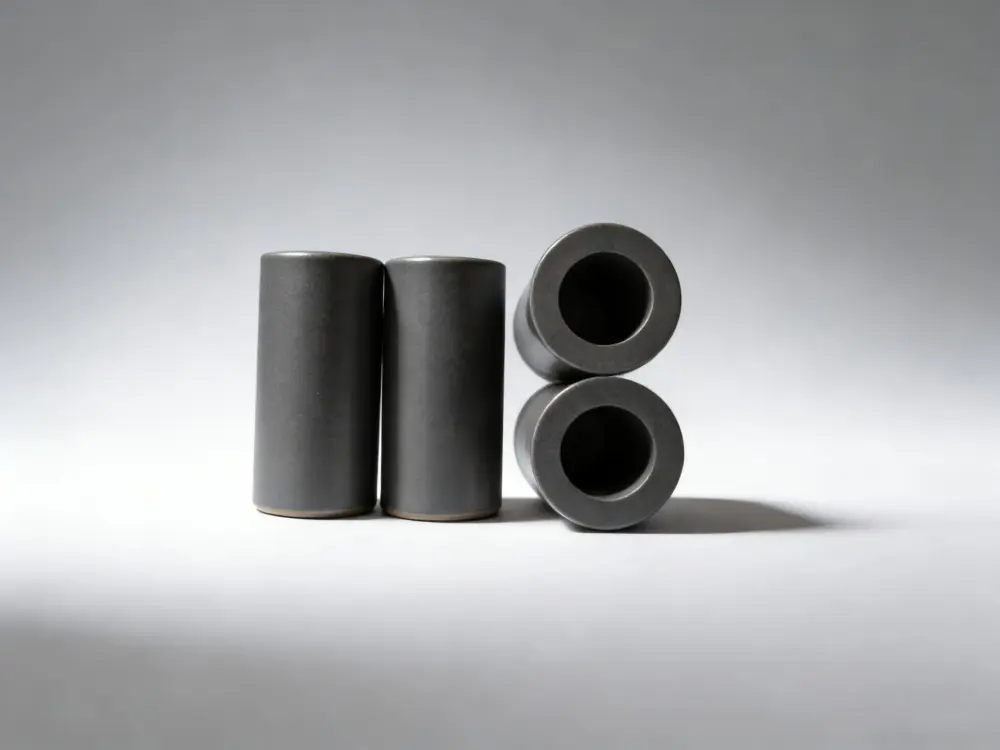
Advanced Silicon Nitride Engineering Ceramics (1) Advanced Silicon Nitride Engineering Ceramics (2)

⚙️ Mechanical Performance|High-Performance Bearing Applications

One of the most important applications of silicon nitride ceramics is in high-performance bearing systems. Used as rolling elements in bearings for aerospace equipment, machine tools, and high-speed machinery, silicon nitride offers significant advantages over steel. Its low density reduces centrifugal forces during high-speed rotation, while its extreme hardness and wear resistance ensure long service life. In addition, silicon nitride bearings can operate with minimal lubrication and maintain stable performance at temperatures where traditional steel bearings would experience rapid degradation or failure.
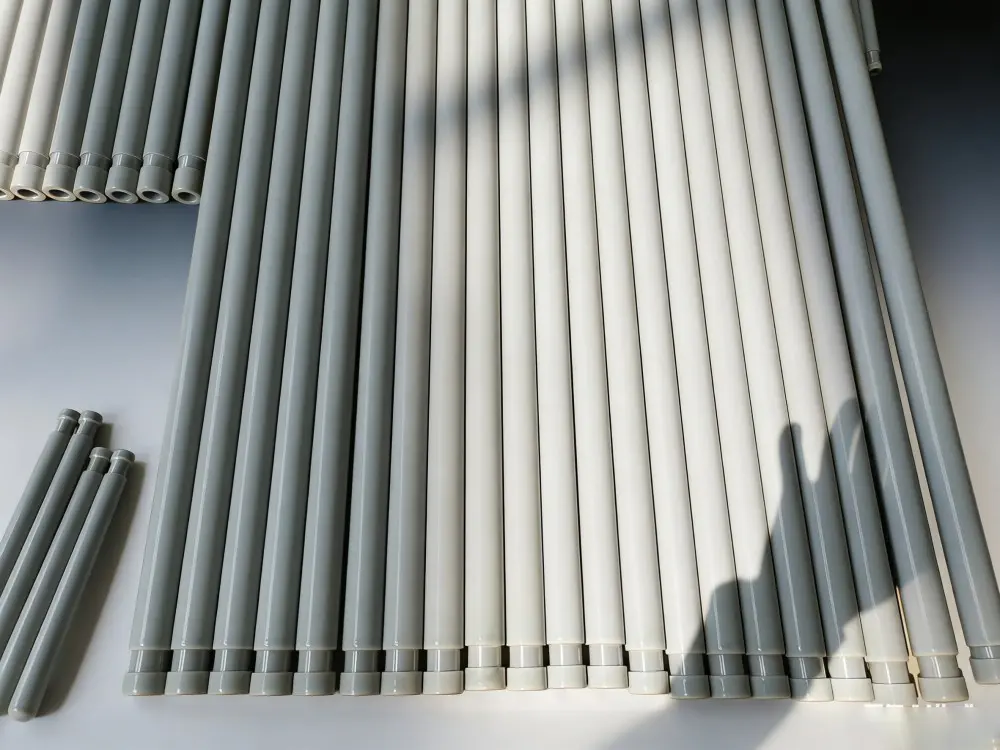
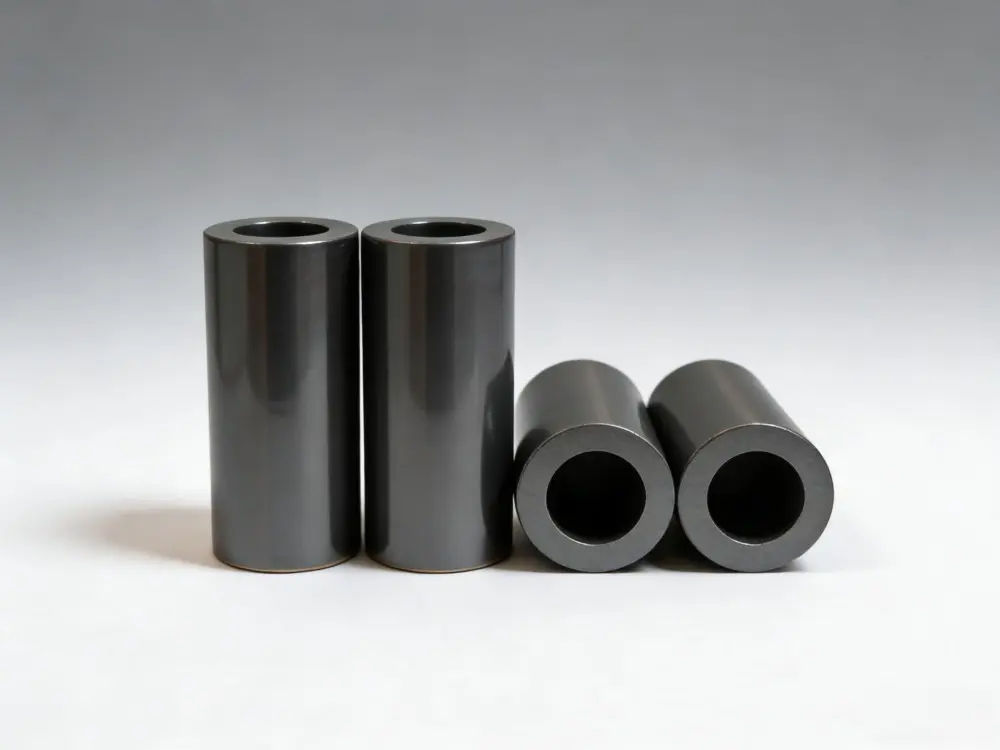
Key Advantage: Silicon nitride bearings operate with minimal lubrication and maintain stable performance at extreme temperatures — far exceeding the limits of conventional steel bearing systems.
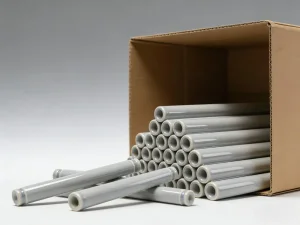
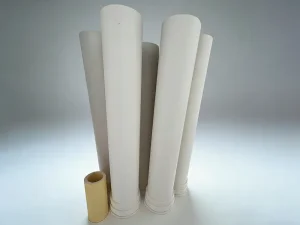
Advanced Silicon Nitride Engineering Ceramics (3) Advanced Silicon Nitride Engineering Ceramics (4)

🔧 Manufacturing Efficiency|Metal Cutting Tool Inserts

Silicon nitride ceramics are also extensively used as cutting tool materials, particularly for metal cutting inserts. Their exceptional hot hardness and resistance to thermal shock allow them to withstand the high temperatures generated during high-speed machining. As a result, silicon nitride cutting tools are especially effective for machining cast iron and nickel-based superalloys. Compared with traditional carbide tools, they offer higher cutting speeds, improved tool life, and greater productivity in demanding manufacturing environments.
🏆
Performance Edge: Higher cutting speeds, improved tool life, and greater productivity vs. traditional carbide tools — especially effective for cast iron and nickel-based superalloys.
Advanced Silicon Nitride Engineering Ceramics (5) Advanced Silicon Nitride Engineering Ceramics (5)

🏥 Biomedical Applications|Orthopedic and Spinal Implants

In the medical field, silicon nitride ceramics are increasingly recognized as a premium material for orthopedic implants. Their excellent biocompatibility, high strength, and superior wear resistance make them particularly suitable for spinal fusion cages. Moreover, silicon nitride's bone-like surface chemistry promotes bone on-growth, while its radiolucency allows clear post-operative imaging using CT and MRI scans, supporting accurate diagnosis and long-term patient outcomes.
💡
Clinical Benefit: Radiolucency enables clear CT and MRI post-operative imaging, while the bone-like surface chemistry actively promotes bone on-growth for superior long-term outcomes.
Advanced Silicon Nitride Engineering Ceramics (7) Advanced Silicon Nitride Engineering Ceramics (8)

📊 Typical Quality Analysis

Material

Silicon Nitride (Si₃N₄)

Color

Gray

Black

Gray

Black

Sintering

GPSN

HPSN

Density

g/cm³

3.20

3.25

≥3.20

≥3.25

Water Absorption

%

0

0

0

0

Vickers Hardness (Load 5KG)

GPa

13.9

14.5

15.0

15.0

Flexural Strength

MPa

610

700

≥900

≥1000

Compressive Strength

MPa

3200

3200

3900

3900

Young's Modulus of Elasticity

GPa

300

310

300

310

Poisson's Ratio


0.27

0.28

0.27

0.28

Fracture Toughness

MPa.m¹/²

6–7

6–7

≥6

≥6

Coefficient of Linear Thermal Expansion

40–400℃

×10⁻⁶/℃

3.3

3.5

3.3

3.5

Thermal Conductivity

20℃

W/(m·K)

20

23

20

23

Volume Resistivity

20℃

Ω·cm

10¹⁴

10¹⁴

≥10¹⁴

≥10¹⁴

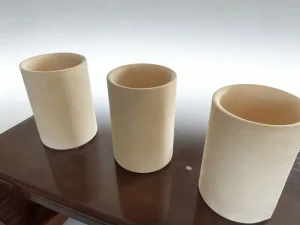
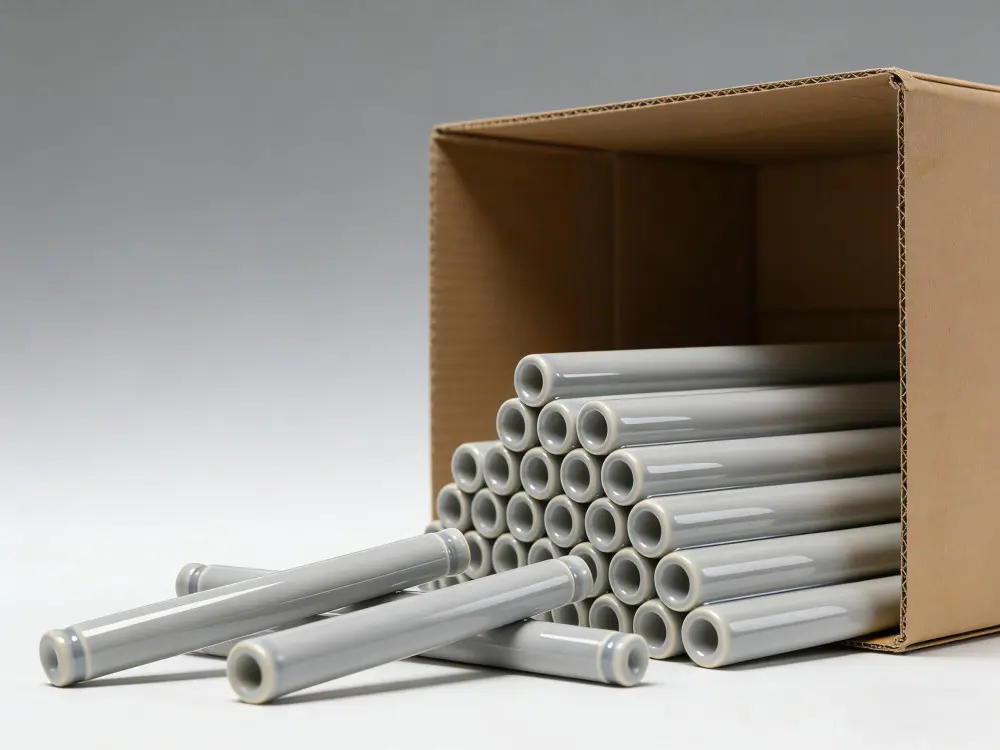
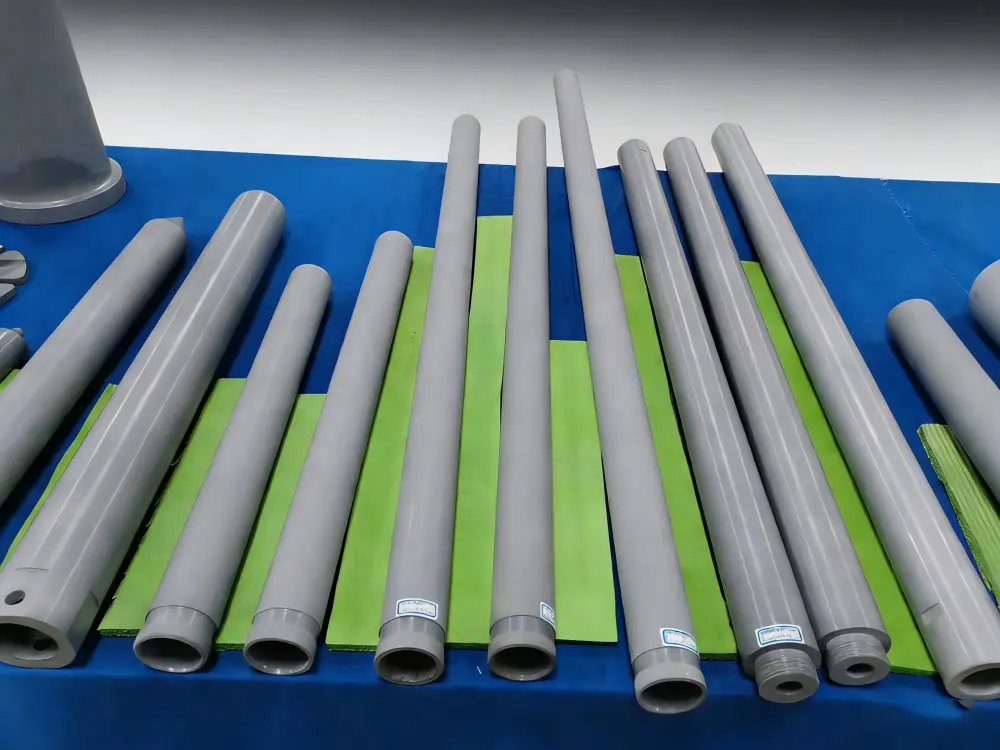
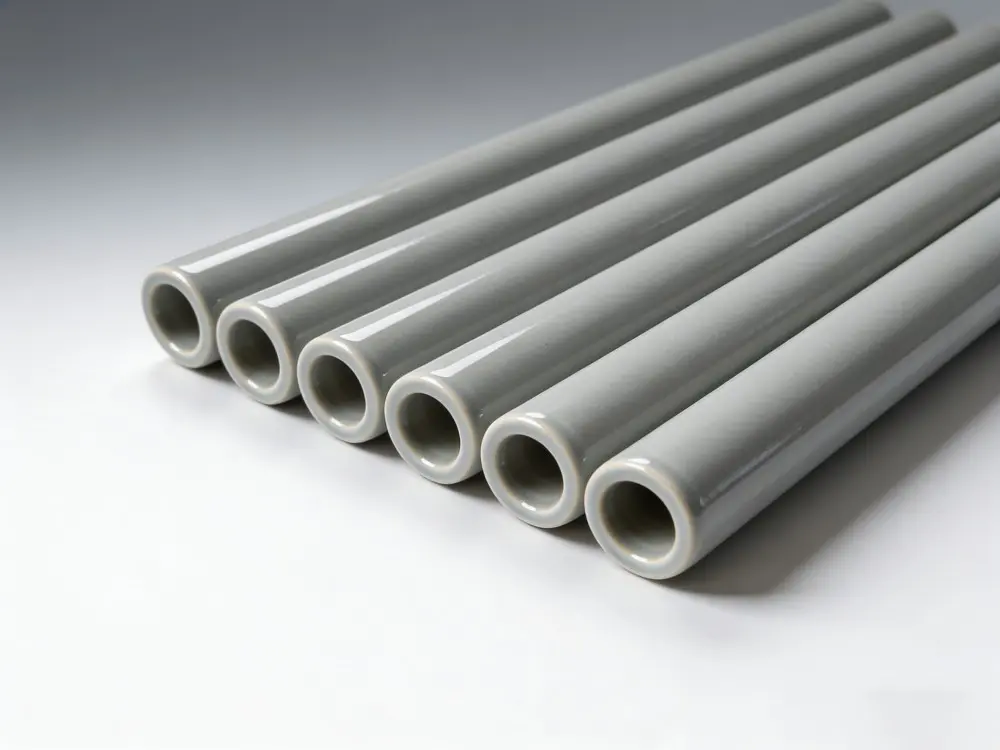
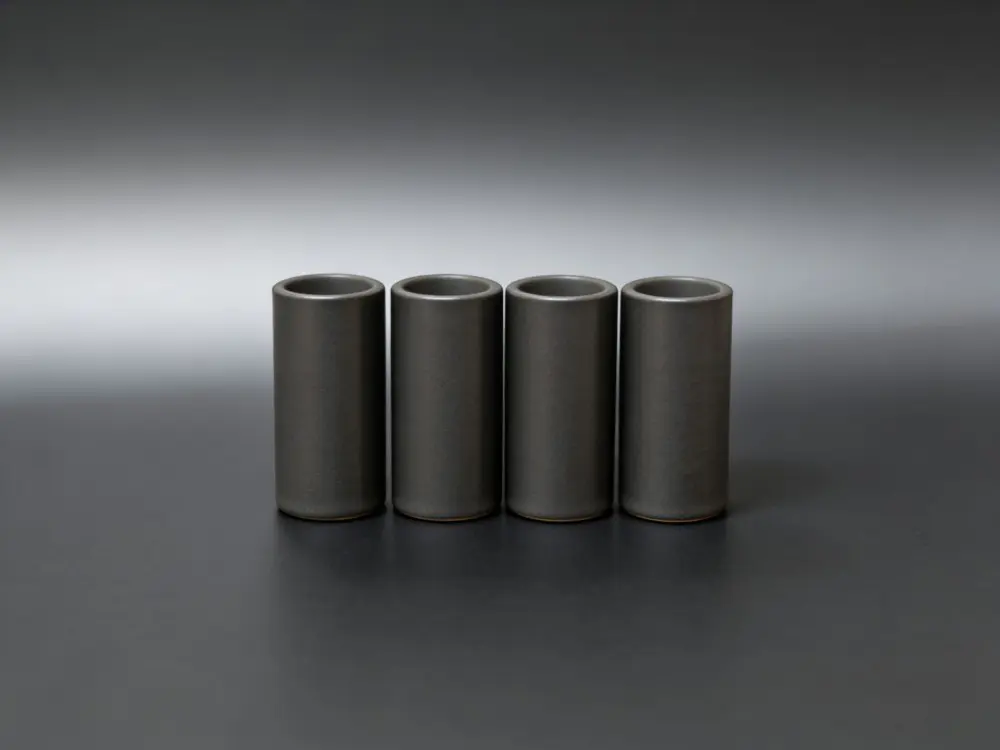
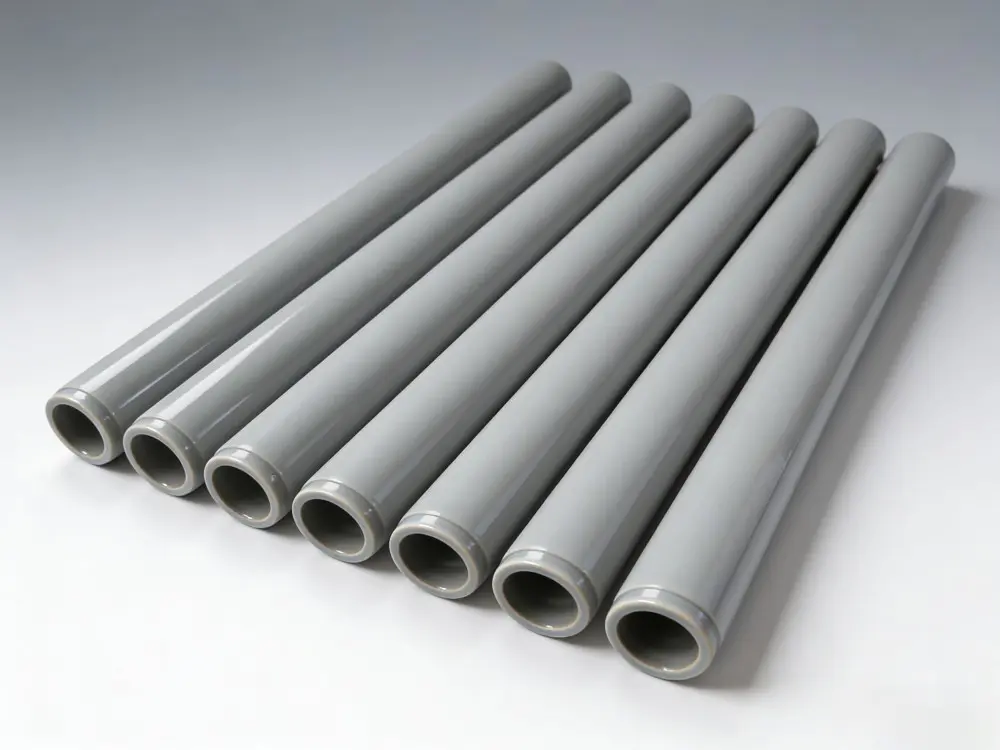
📌 Application: Silicon Nitride ceramics have found extensive use in non-ferrous molten metal handling, particularly aluminum and its alloys, including metal feed tubes for aluminum die casting, burner and immersion heater tubes, injector and degassing for nonferrous metals, thermocouple protection tubes, crucibles and ladles.

❓ Frequently Asked Questions (FAQ)

Q What makes silicon nitride ceramics superior to steel in bearing applications?
Silicon nitride bearings offer lower density, which reduces centrifugal forces at high rotational speeds. They also provide greater hardness, superior wear resistance, and the ability to operate with minimal lubrication. Unlike steel bearings, they maintain stable performance at elevated temperatures, making them ideal for aerospace and high-speed machinery applications.
Q What is the difference between GPSN and HPSN silicon nitride?
GPSN (Gas Pressure Sintered Silicon Nitride) and HPSN (Hot Pressed Silicon Nitride) are two common sintering methods. HPSN generally achieves higher density and mechanical properties — for example, flexural strength of ≥900–1000 MPa compared to 610–700 MPa for GPSN — making HPSN suitable for the most demanding structural applications.
Q Is silicon nitride ceramic safe for use in medical implants?
Yes. Silicon nitride ceramics exhibit excellent biocompatibility and have been clinically used in orthopedic and spinal implants. Their bone-like surface chemistry promotes bone on-growth, and their radiolucency allows for clear post-operative monitoring via CT and MRI imaging without interference, supporting accurate long-term patient care.
Q Why is silicon nitride preferred for cutting tool inserts over carbide?
Silicon nitride cutting tools offer exceptional hot hardness and thermal shock resistance, enabling them to withstand the extreme temperatures of high-speed machining. Compared to carbide tools, they allow higher cutting speeds, longer tool life, and improved productivity — especially when machining cast iron and nickel-based superalloys.
Q Can silicon nitride ceramics be used in molten metal handling environments?
Absolutely. Silicon nitride ceramics are widely used in non-ferrous molten metal handling, particularly for aluminum and its alloys. Typical components include metal feed tubes for die casting, burner and immersion heater tubes, injectors, degassing systems, thermocouple protection tubes, crucibles, and ladles — all benefiting from Si₃N₄'s chemical inertness and thermal stability.
Q What are the key thermal properties of silicon nitride ceramics?
Silicon nitride ceramics have a low coefficient of thermal expansion (3.3–3.5 × 10⁻⁶/℃ at 40–400℃), good thermal conductivity (20–23 W/m·K at 20℃), and outstanding thermal shock resistance. These properties allow them to endure rapid temperature changes without cracking, making them highly reliable in high-temperature industrial and engineering environments.

Related Products