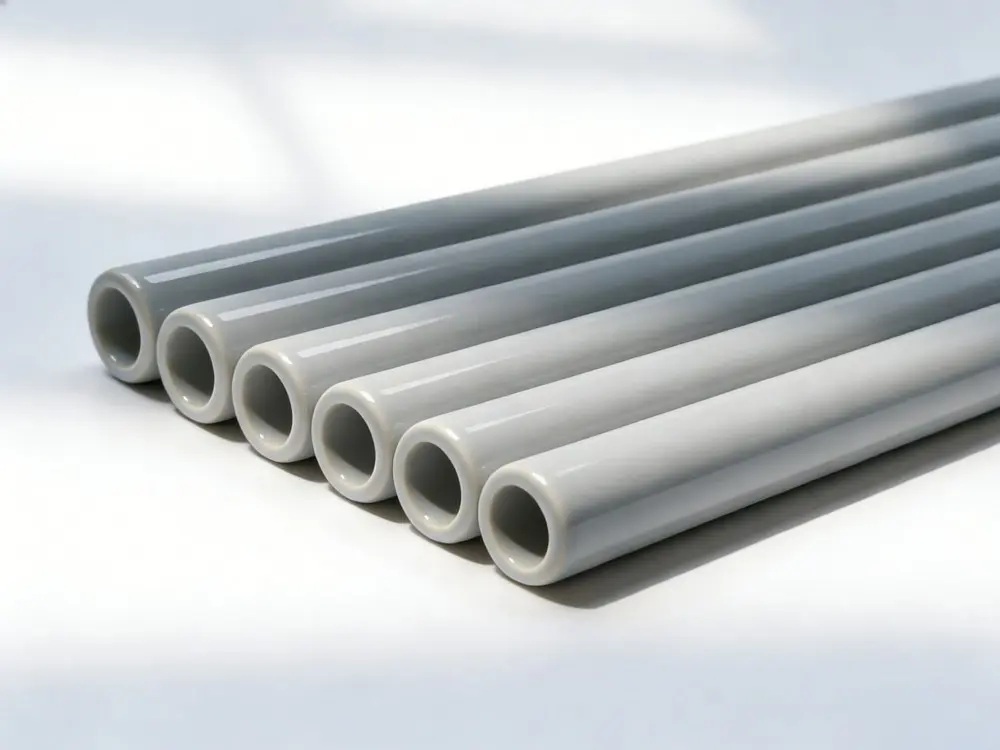
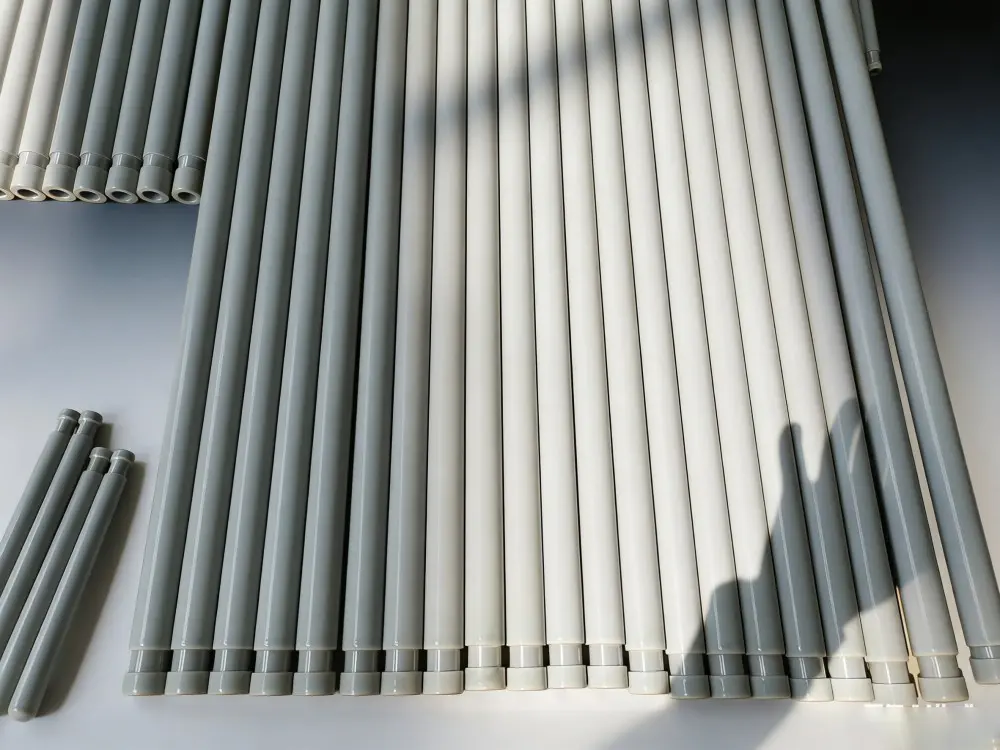
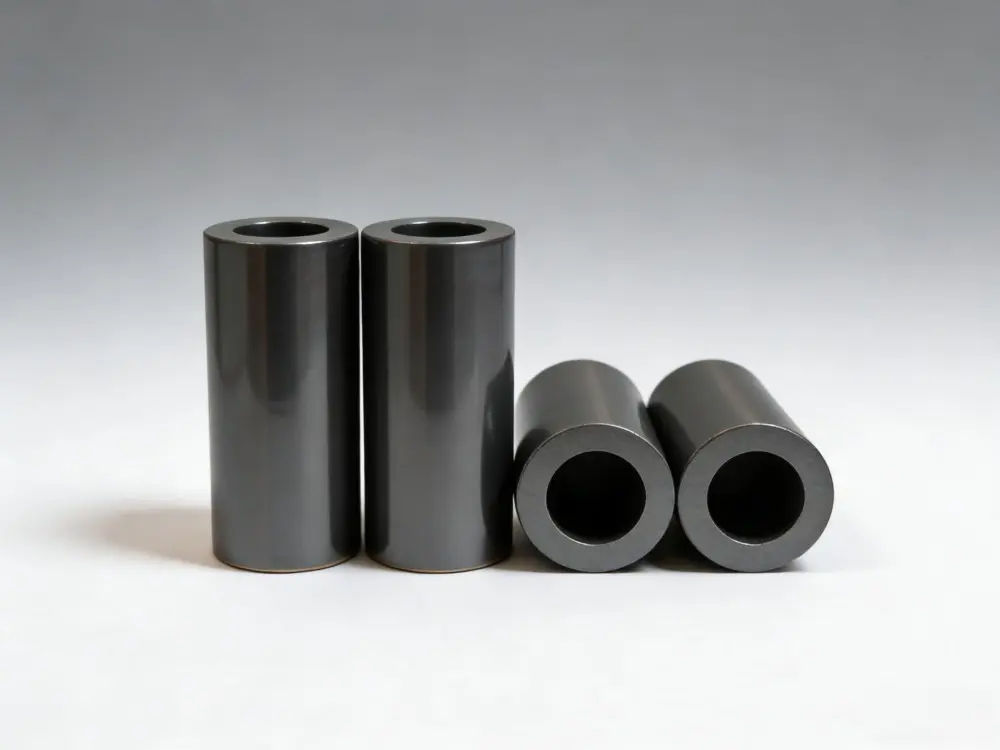
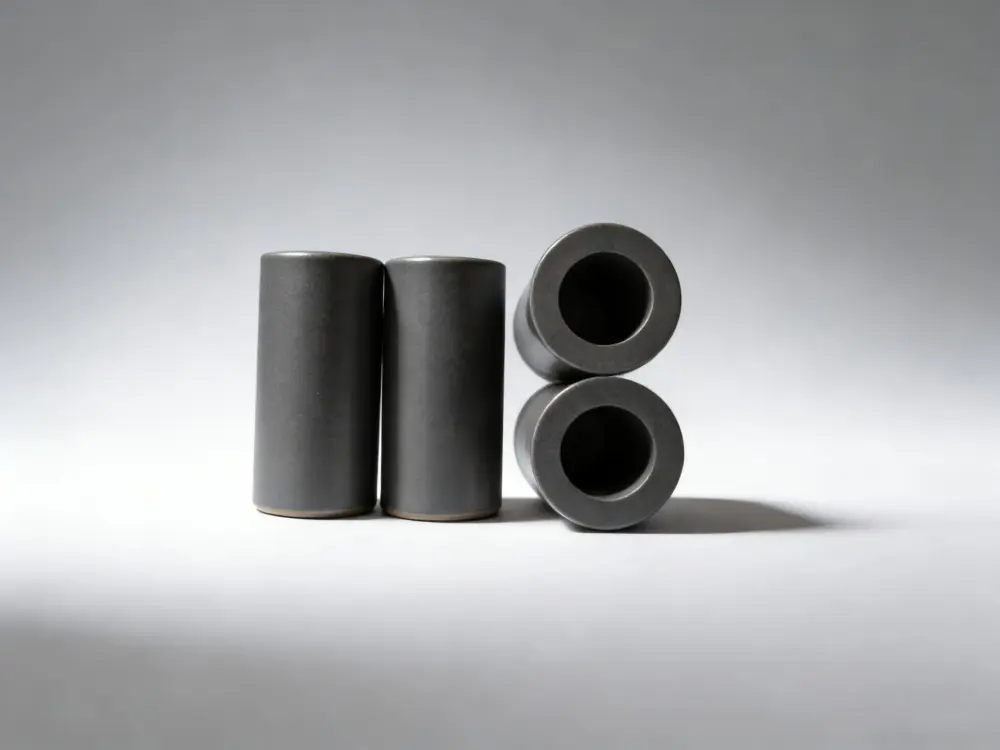
🔬Material Overview|Silicon Nitride Advanced Engineering Ceramics
Silicon nitride (Si₃N₄) ceramics are advanced engineering materials widely valued for their exceptional mechanical strength, thermal stability, wear resistance, and chemical inertness. With a unique combination of low density, high fracture toughness, and excellent performance at elevated temperatures, silicon nitride ceramics deliver reliable operation in environments where conventional metallic materials are unable to perform. These characteristics make them an ideal choice for demanding industrial, aerospace, and biomedical applications.
⚙️
Exceptional Mechanical Strength
High flexural and compressive strength for demanding structural applications.
🌡️
Thermal Stability
Stable performance at elevated temperatures where metals fail.
🛡️
Chemical Inertness
Excellent resistance to chemical attack and corrosive environments.
⚙️Mechanical Performance|High-Performance Bearing Applications
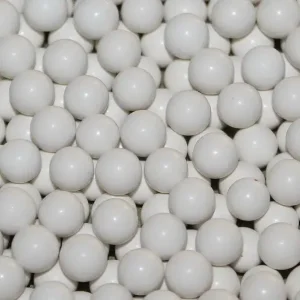
One of the most important applications of silicon nitride ceramics is in high-performance bearing systems. Used as rolling elements in bearings for aerospace equipment, machine tools, and high-speed machinery, silicon nitride offers significant advantages over steel. Its low density reduces centrifugal forces during high-speed rotation, while its extreme hardness and wear resistance ensure long service life. In addition, silicon nitride bearings can operate with minimal lubrication and maintain stable performance at temperatures where traditional steel bearings would experience rapid degradation or failure.
🏎️
Low Density
Reduces centrifugal forces during high-speed rotation for better performance.
💧
Minimal Lubrication
Operates with reduced lubrication needs, lowering maintenance costs.
🔩
Long Service Life
Extreme hardness and wear resistance for extended operational lifespan.
🔧Manufacturing Efficiency|Metal Cutting Tool Inserts
Silicon nitride ceramics are also extensively used as cutting tool materials, particularly for metal cutting inserts. Their exceptional hot hardness and resistance to thermal shock allow them to withstand the high temperatures generated during high-speed machining. As a result, silicon nitride cutting tools are especially effective for machining cast iron and nickel-based superalloys. Compared with traditional carbide tools, they offer higher cutting speeds, improved tool life, and greater productivity in demanding manufacturing environments.
🔥
Hot Hardness
Retains hardness at elevated machining temperatures for consistent results.
⚡
Higher Cutting Speeds
Enables faster machining compared to conventional carbide tools.
📈
Greater Productivity
Improved tool life and throughput in demanding manufacturing environments.
🏥Biomedical Applications|Orthopedic and Spinal Implants
In the medical field, silicon nitride ceramics are increasingly recognized as a premium material for orthopedic implants. Their excellent biocompatibility, high strength, and superior wear resistance make them particularly suitable for spinal fusion cages. Moreover, silicon nitride's bone-like surface chemistry promotes bone on-growth, while its radiolucency allows clear post-operative imaging using CT and MRI scans, supporting accurate diagnosis and long-term patient outcomes.
🧬
Excellent Biocompatibility
Safe and compatible with human tissue for long-term implant use.
🦴
Promotes Bone On-Growth
Bone-like surface chemistry actively encourages natural bone integration.
🩻
Radiolucency
Allows clear CT and MRI imaging for accurate post-operative diagnosis.
📊Typical Quality Analysis
| Material |
Silicon Nitride (Si₃N₄) |
| Color |
Gray |
Black |
Gray |
Black |
| Sintering |
GPSN |
HPSN |
| Density |
g/cm³ |
3.20 |
3.25 |
≥3.20 |
≥3.25 |
| Water Absorption |
% |
0 |
0 |
0 |
0 |
| Vickers Hardness (Load 5KG) |
GPa |
13.9 |
14.5 |
15.0 |
15.0 |
| Flexural Strength |
MPa |
610 |
700 |
≥900 |
≥1000 |
| Compressive Strength |
MPa |
3200 |
3200 |
3900 |
3900 |
| Young's Modulus of Elasticity |
GPa |
300 |
310 |
300 |
310 |
| Poisson's Ratio |
|
0.27 |
0.28 |
0.27 |
0.28 |
| Fracture Toughness |
MPa.m¹/² |
6–7 |
6–7 |
≥6 |
≥6 |
| Coefficient of Linear Thermal Expansion |
40–400℃ |
×10⁶/℃ |
3.3 |
3.5 |
3.3 |
3.5 |
| Thermal Conductivity |
20℃ |
W/(m·k) |
20 |
23 |
20 |
23 |
| Volume Resistivity |
20℃ |
Ω·cm |
10¹⁴ |
10¹⁴ |
≥10¹⁴ |
≥10¹⁴ |
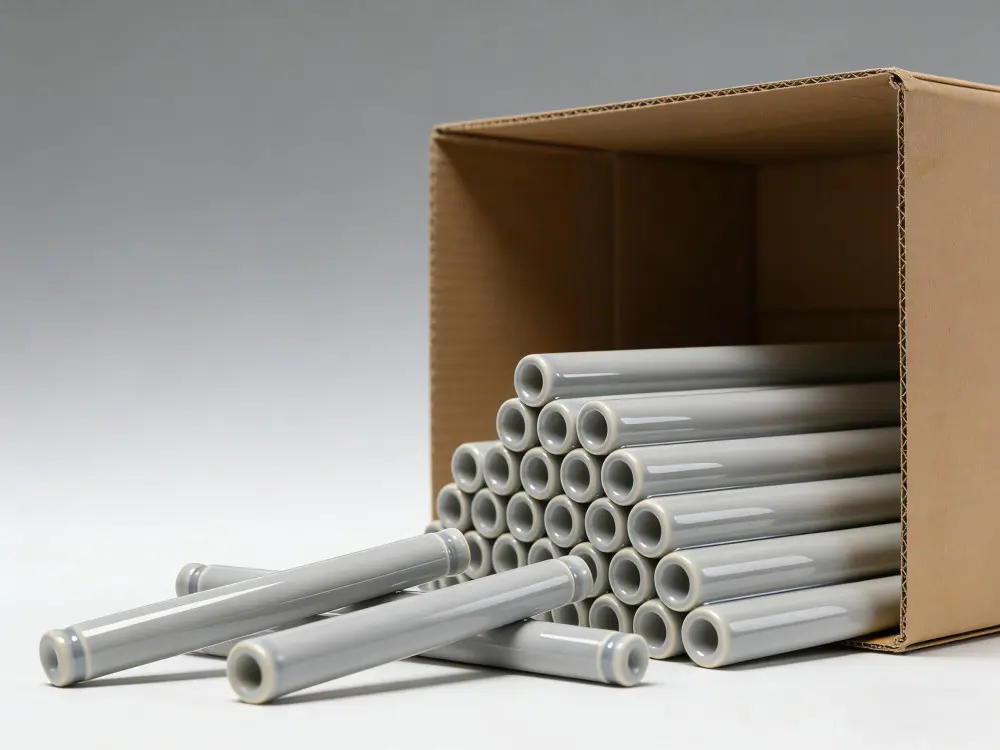
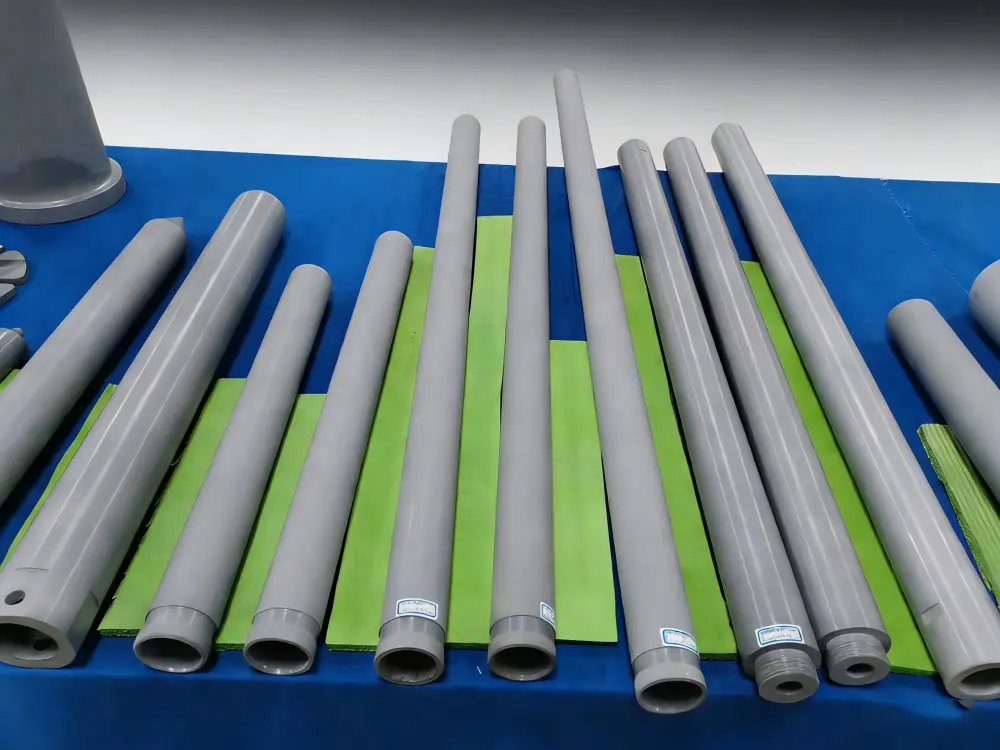
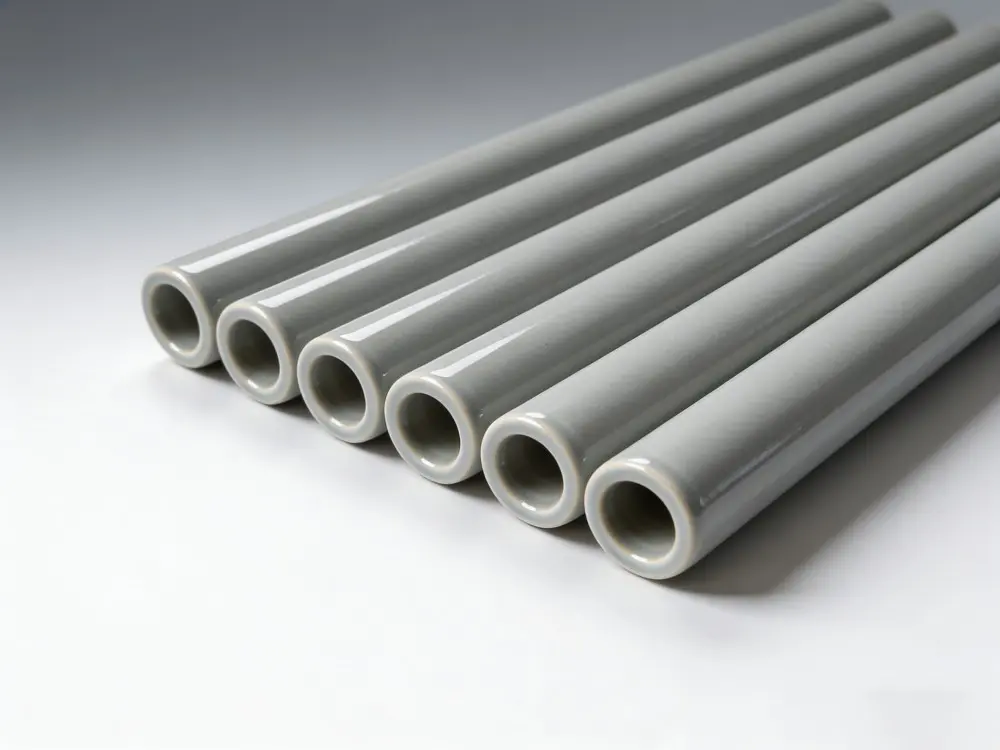
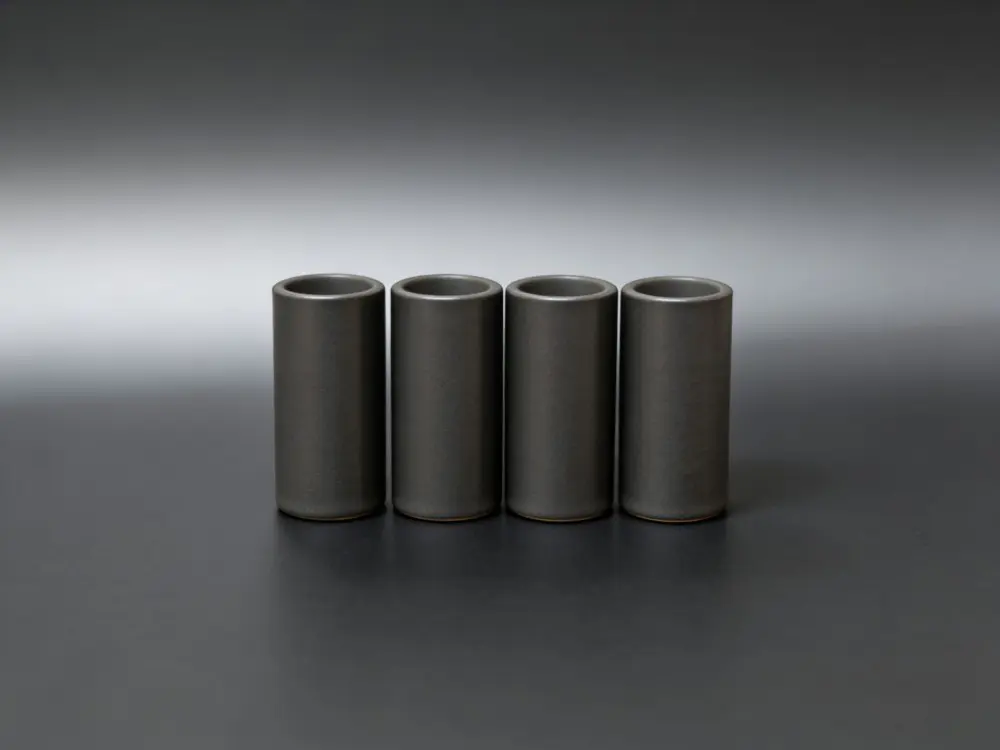
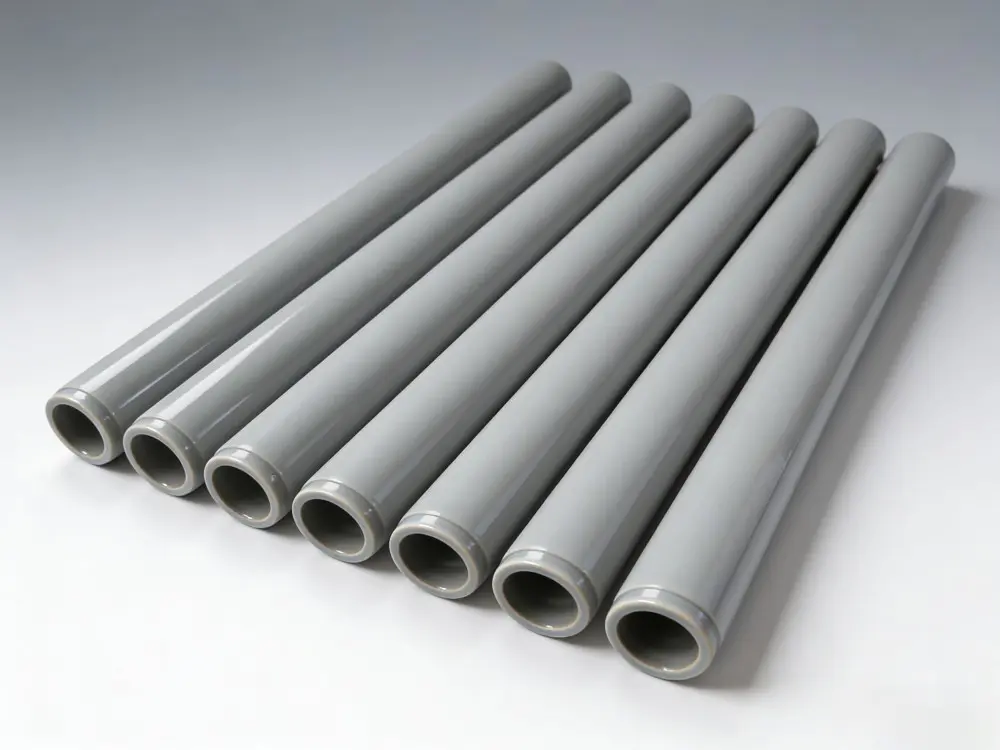
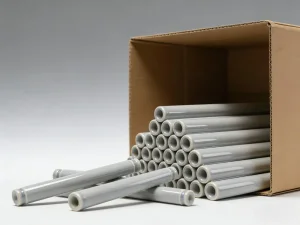
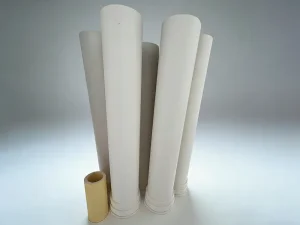
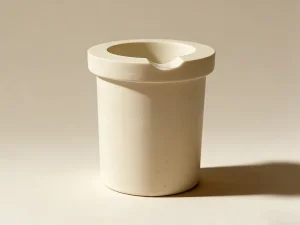
📌 Application: Silicon Nitride ceramics have found extensive use in non-ferrous molten metal handling, particularly aluminum and its alloys, including metal feed tubes for aluminum die casting, burner and immersion heater tubes, injector and degassing for nonferrous metals, thermocouple protection tubes, crucibles and ladles.
❓ Frequently Asked Questions (FAQ)
Q
What makes silicon nitride ceramics superior to traditional steel in bearing applications?
Silicon nitride bearings offer significantly lower density than steel, which reduces centrifugal forces during high-speed rotation. They also exhibit greater hardness, better wear resistance, and the ability to operate with minimal lubrication at elevated temperatures where steel bearings would degrade or fail. This makes them ideal for aerospace, machine tools, and high-speed industrial equipment.
Q
What is the difference between GPSN and HPSN silicon nitride?
GPSN (Gas Pressure Sintered Silicon Nitride) and HPSN (Hot Pressed Silicon Nitride) differ primarily in their sintering process and resulting mechanical properties. HPSN generally achieves higher density, greater flexural strength (≥900–1000 MPa), and superior compressive strength (3900 MPa) compared to GPSN (610–700 MPa flexural strength). HPSN is typically chosen for more demanding structural and high-load applications.
Q
Why is silicon nitride used in medical implants such as spinal fusion cages?
Silicon nitride is biocompatible, meaning it is safe for long-term contact with human tissue. Its bone-like surface chemistry actively promotes bone on-growth and osseointegration, which is critical for spinal fusion procedures. Additionally, its radiolucency allows surgeons to obtain clear CT and MRI images post-operatively, enabling accurate monitoring of the patient's recovery and implant positioning.
Q
Which metals can be machined effectively using silicon nitride cutting tool inserts?
Silicon nitride cutting tool inserts are particularly effective for machining cast iron and nickel-based superalloys. Their exceptional hot hardness and thermal shock resistance allow them to maintain cutting performance at the high temperatures generated during high-speed machining, offering longer tool life and higher productivity compared to conventional carbide tools.
Q
What are the key thermal properties of silicon nitride ceramics?
Silicon nitride ceramics have a low coefficient of linear thermal expansion (approximately 3.3–3.5 × 10⁻⁶/℃ at 40–400℃), which minimizes thermal stress during temperature cycling. Their thermal conductivity is approximately 20–23 W/(m·k) at 20℃, providing good heat dissipation. These properties contribute to excellent thermal shock resistance, making silicon nitride suitable for applications involving rapid temperature changes.
Q
How is silicon nitride used in non-ferrous metal handling industries?
Silicon nitride ceramics are widely used in non-ferrous molten metal handling, especially for aluminum and its alloys. Typical applications include metal feed tubes for aluminum die casting, burner and immersion heater tubes, injectors and degassing components for nonferrous metals, thermocouple protection tubes, as well as crucibles and ladles. Their chemical inertness and thermal stability ensure reliable performance in these highly corrosive, high-temperature environments.