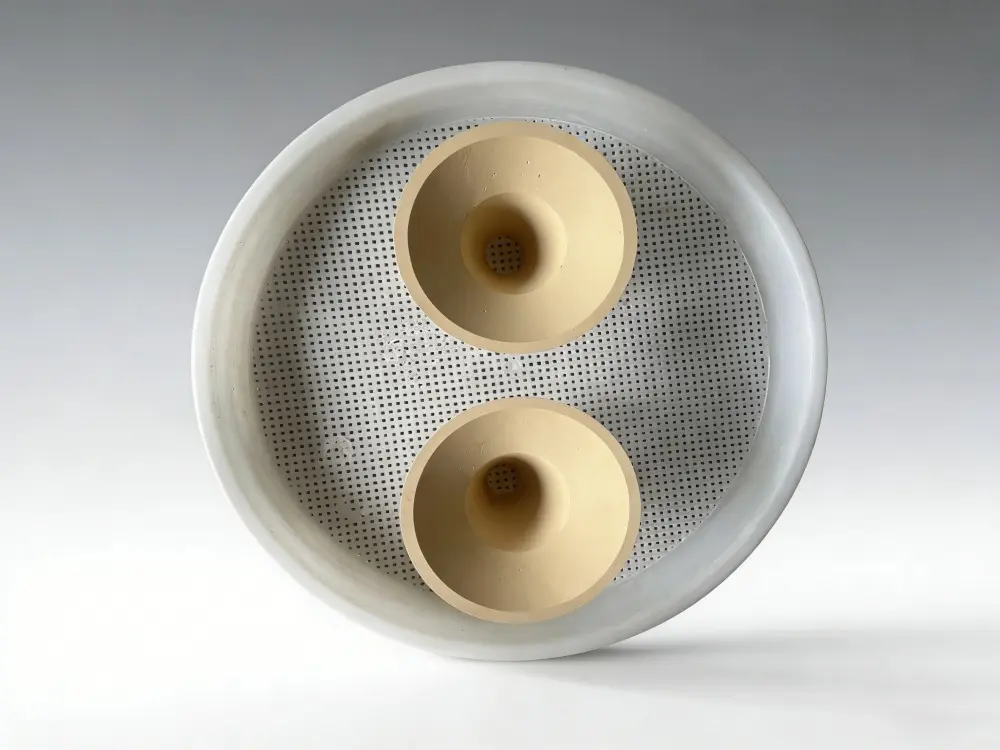

China High-Performance Zirconia Ceramics from China Supplier & Factory for Cutting Tools, Implants, and Protheses Manufacturers, Factories

Zirconia ceramics, produced by leading China suppliers, are cutting-edge engineering materials known for their remarkable fracture toughness and strength through transformation toughening. These advanced ceramics offer exceptional wear resistance, low thermal conductivity, and high chemical inertness, making them indispensable in high-demand applications. With a flexural strength exceeding 1000 MPa, zirconia ceramics are ideal for cutting tools, biomedical implants such as dental crowns and hip joints, and industrial wear parts, including oxygen sensors. Additionally, their biocompatibility and aesthetic qualities make them perfect for medical and dental prosthetics. Our factory is committed to delivering top-quality zirconia ceramics to meet your needs

Product Description

🔬 Material Overview|Zirconia Ceramics for High-Performance Applications

Zirconia ceramics are advanced ceramic materials renowned for their outstanding mechanical performance, excellent biocompatibility, and functional properties. With high strength, superior fracture toughness, excellent wear resistance, and chemical stability, zirconia ceramics deliver reliable performance in applications where both durability and precision are required. In addition, their unique ionic conductivity at elevated temperatures enables functional use in sensing and energy-related technologies, making zirconia one of the most versatile ceramic materials in modern industry.
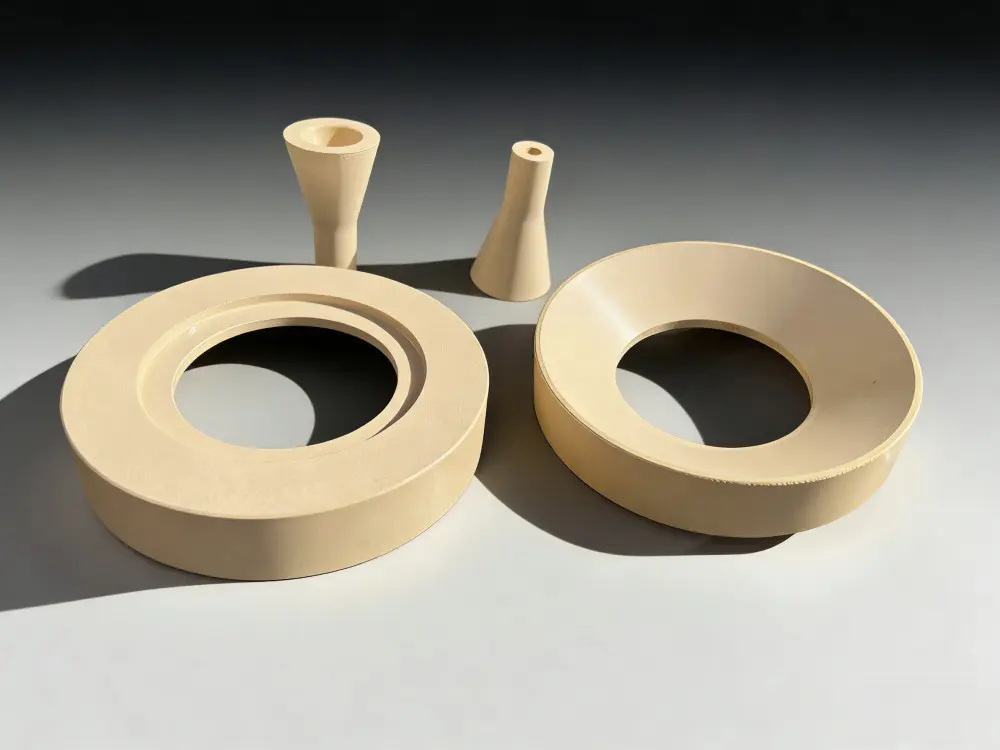
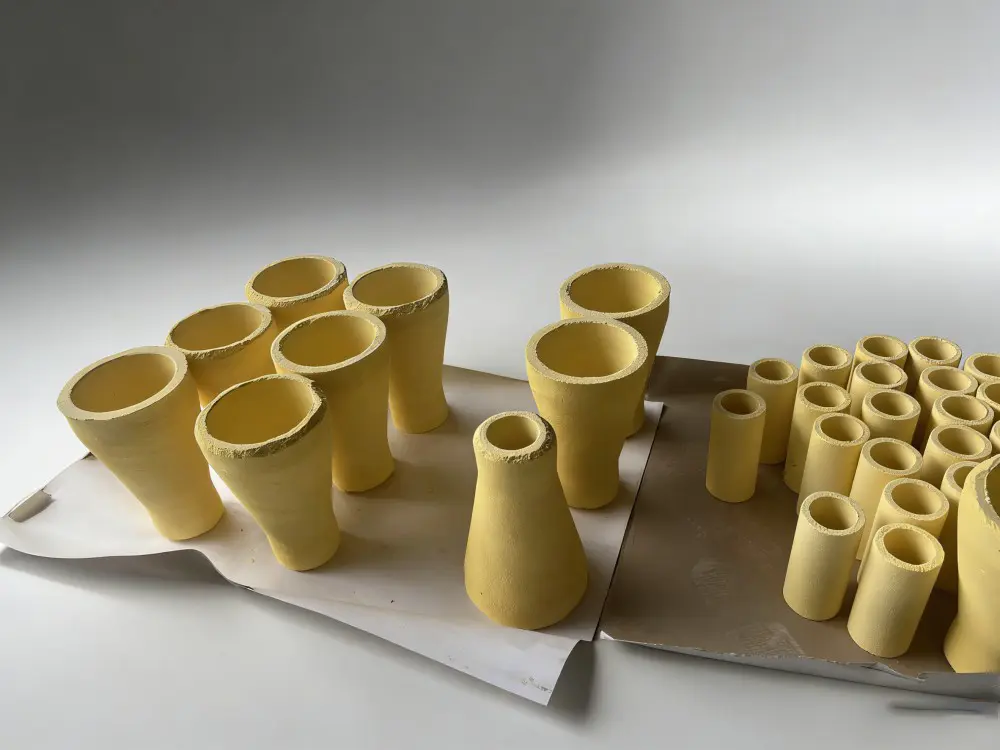
⚡ Key Performance Advantages:
  • High mechanical strength & superior fracture toughness
  • Excellent wear resistance & chemical stability
  • Outstanding biocompatibility
  • Unique ionic conductivity at elevated temperatures
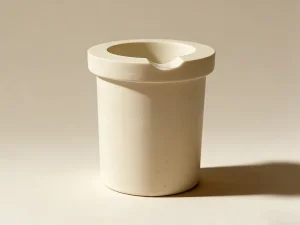
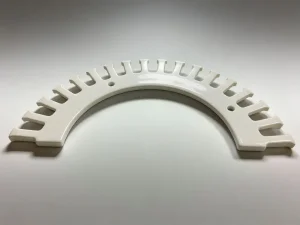
Zirconia Ceramics – High Performance Grade (1) Zirconia Ceramics – High Performance Grade (2)

🦷 Medical & Dental Applications|Restorations and Implants

In the medical and dental field, zirconia ceramics have become the preferred material for a wide range of dental restorations and implants. Their high mechanical strength and fracture resistance allow them to withstand long-term chewing forces, while their excellent biocompatibility ensures safe and stable interaction with human tissue. Moreover, zirconia's tooth-like color and translucency provide superior aesthetic results compared to metal-based restorations. As a result, zirconia is widely used in dental crowns and bridges, implant abutments, and all-ceramic dentures, offering an ideal balance of durability, functionality, and natural appearance.
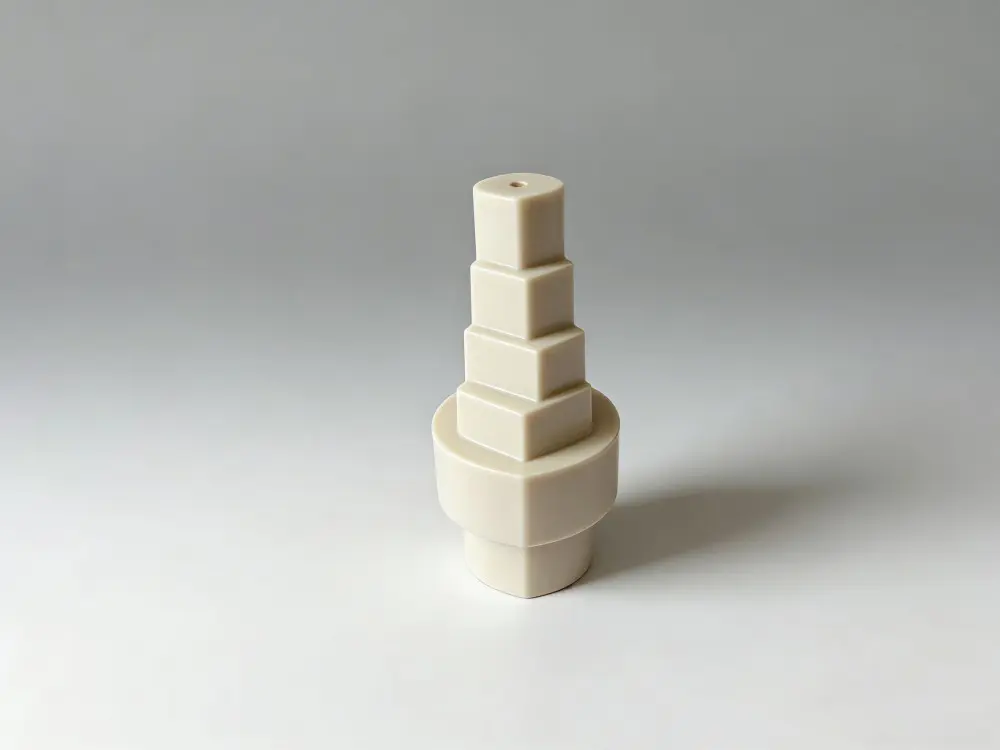
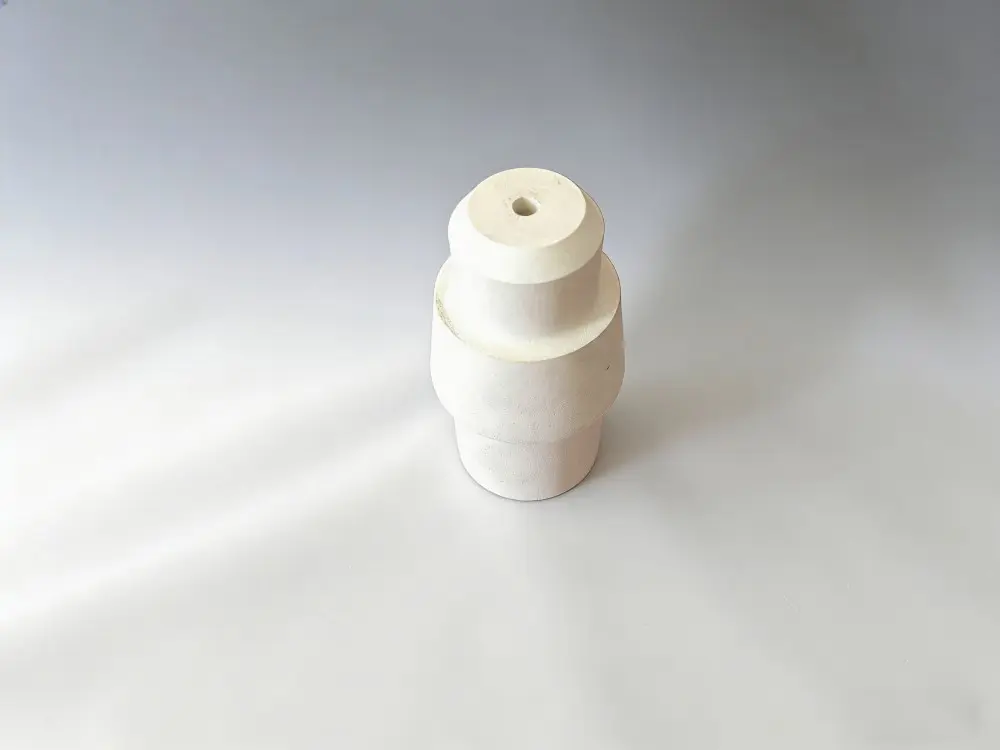
🏥 Typical Dental & Medical Uses:
  • Dental crowns and bridges
  • Implant abutments
  • All-ceramic dentures
Zirconia Ceramics – High Performance Grade (3) Zirconia Ceramics – High Performance Grade (4)

⚙️ Industrial Performance|Wear-Resistant and Structural Components

Zirconia ceramics are also extensively applied in industrial wear-resistant and structural components. Benefiting from their exceptional fracture toughness, high compressive strength, and resistance to abrasion, zirconia components perform reliably under high loads, continuous friction, and harsh operating conditions. Typical applications include precision bearings, cutting tools, pump and valve components, and fiber guides, where long service life and dimensional stability are critical for reducing maintenance costs and improving equipment efficiency.
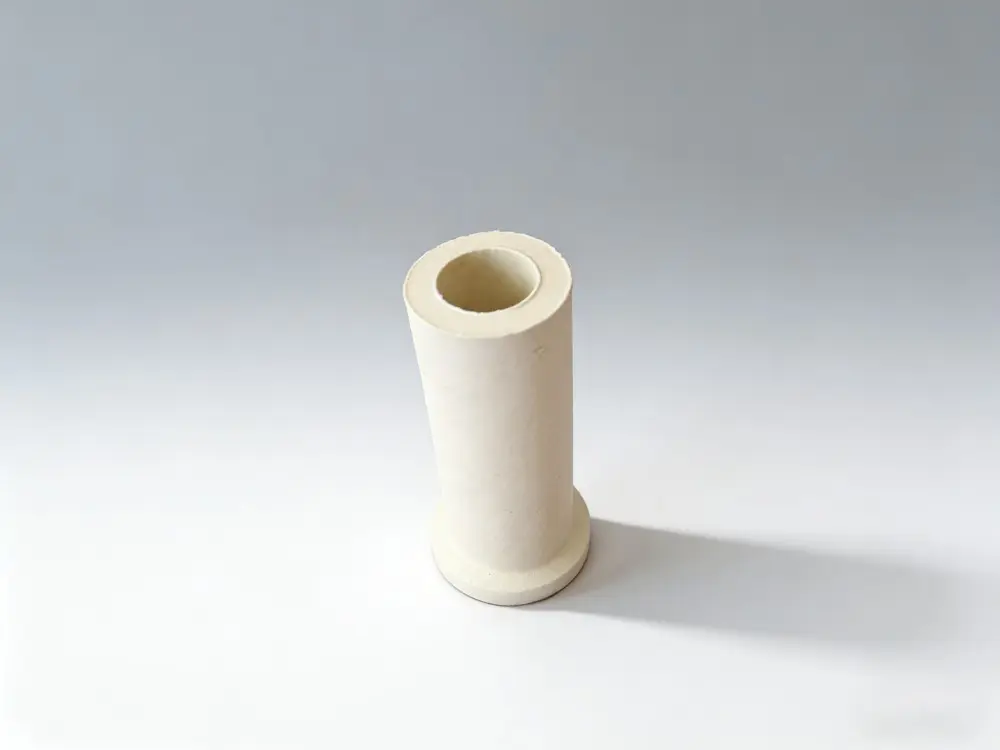
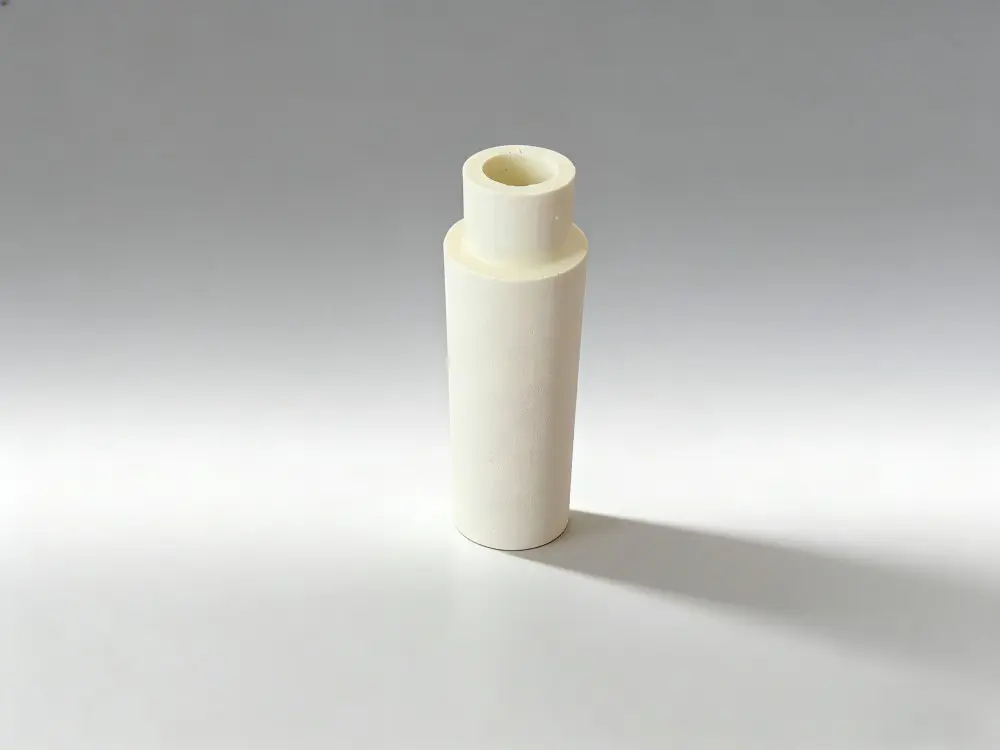
🔩 Key Industrial Applications:
  • Precision bearings & cutting tools
  • Pump and valve components
  • Fiber guides & structural parts
Zirconia Ceramics – High Performance Grade (5) Zirconia Ceramics – High Performance Grade (6)

💡 Smart Technologies|Sensors and Energy Devices

In addition, zirconia ceramics play an important role in smart sensing and electronic products. Their ability to conduct oxygen ions at elevated temperatures makes them a key material for automotive oxygen sensors and solid oxide fuel cell (SOFC) electrolyte membranes. These applications enable precise oxygen concentration monitoring and efficient energy conversion, supporting cleaner emissions control and advanced energy technologies.
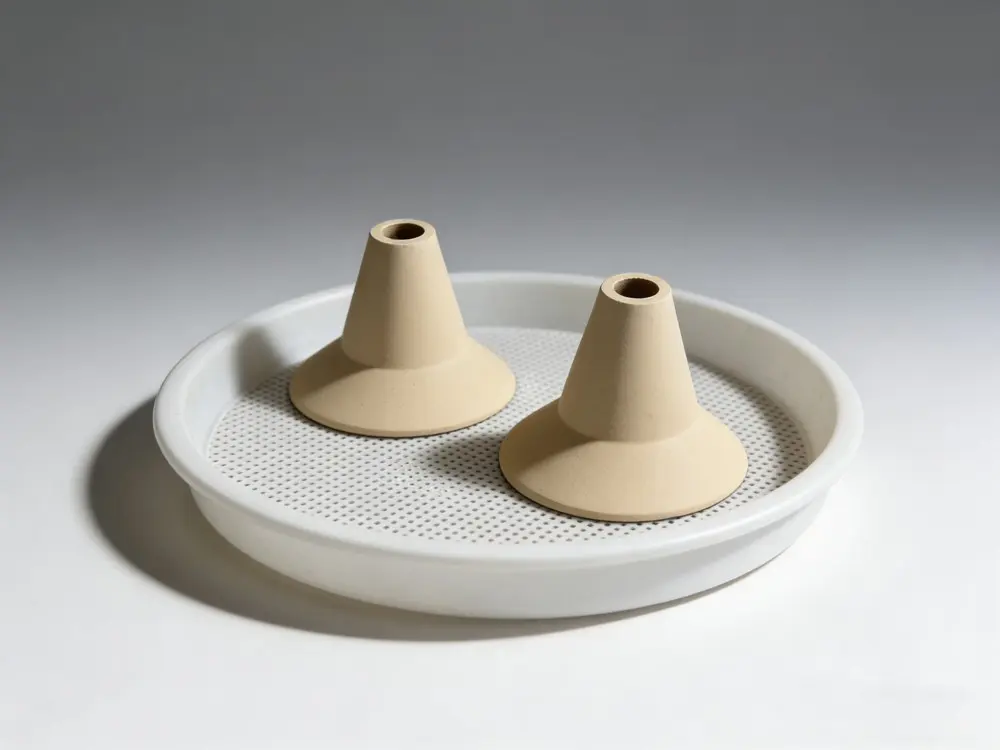
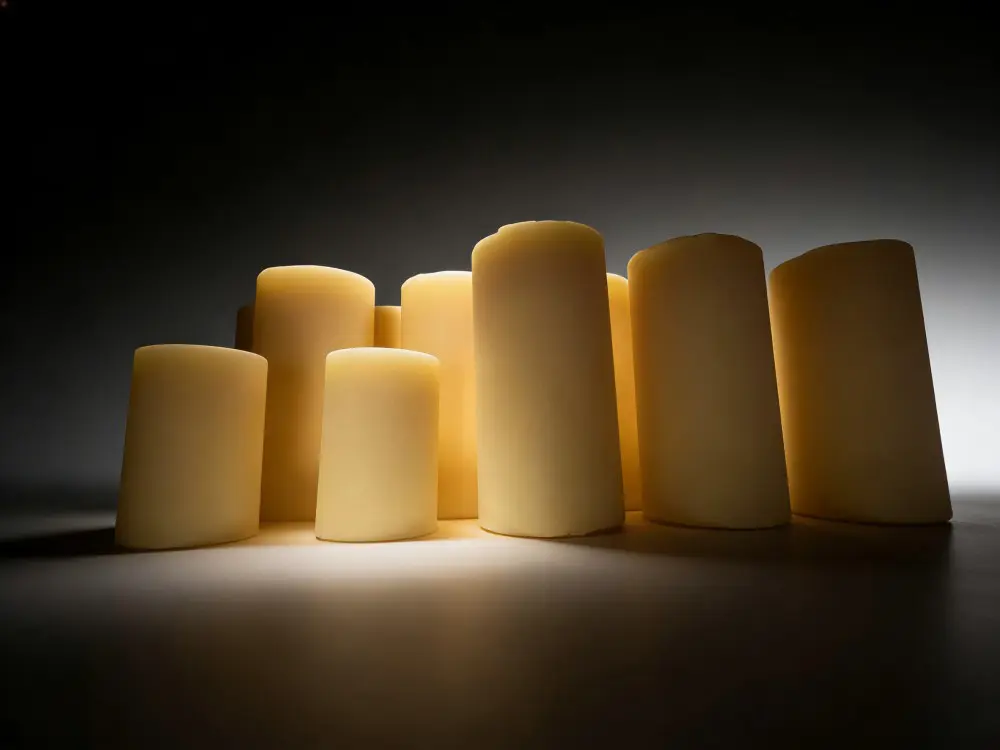
🌐 Smart & Energy Applications:
  • Automotive oxygen sensors
  • Solid oxide fuel cell (SOFC) electrolyte membranes
  • Precise oxygen concentration monitoring
Zirconia Ceramics – High Performance Grade (7) Zirconia Ceramics – High Performance Grade (8)

📋 Specification for Zirconia Ceramics

Item No. Description Chemical Composition Characteristic
1 YTTRIA STABILIZED ZIRCONIA Y₂O₃ 8~20%
ZrO₂ 92~80%
Ultra-high operating temperature ≥ 2,500 ℃
Resistant to high-temperature erosion by the vast majority of metals
2 MAGNESIUM STABILIZED ZIRCONIA MgO 1.6~3.3%
ZrO₂ ≥95%
Refractoriness: 2200 ℃
Superior thermal shock stability

❓ Frequently Asked Questions (FAQ)

Q What makes zirconia ceramics suitable for high-performance applications?
Zirconia ceramics combine high mechanical strength, superior fracture toughness, excellent wear resistance, and chemical stability. These properties make them reliable in demanding environments where both durability and dimensional precision are required, from industrial machinery to medical devices.
Q Why is zirconia preferred over metal in dental restorations?
Zirconia offers excellent biocompatibility, ensuring safe interaction with human tissue. Its tooth-like color and translucency provide superior aesthetics compared to metal-based options. Combined with high fracture resistance capable of withstanding long-term chewing forces, zirconia is the leading material for dental crowns, bridges, and implant abutments.
Q What is the difference between Yttria Stabilized Zirconia and Magnesium Stabilized Zirconia?
Yttria Stabilized Zirconia (YSZ) features an ultra-high operating temperature of ≥2,500°C and excellent resistance to high-temperature metal erosion, making it ideal for extreme thermal environments. Magnesium Stabilized Zirconia offers a refractoriness of 2,200°C with superior thermal shock stability, suitable for applications requiring rapid temperature cycling.
Q How are zirconia ceramics used in smart sensing and energy technologies?
Zirconia's unique ability to conduct oxygen ions at elevated temperatures makes it essential for automotive oxygen sensors, enabling precise monitoring of exhaust gas composition. It is also used as the electrolyte membrane in solid oxide fuel cells (SOFCs), facilitating efficient electrochemical energy conversion for clean energy applications.
Q What industrial components are commonly made from zirconia ceramics?
Common industrial applications include precision bearings, cutting tools, pump and valve components, and fiber guides. Zirconia's exceptional hardness, abrasion resistance, and dimensional stability make it ideal for components that must endure high loads, continuous friction, and harsh operating conditions while minimizing maintenance requirements.
Q Can zirconia ceramics be customized for specific application requirements?
Yes. Zirconia ceramics can be formulated with different stabilizing agents — such as yttria or magnesia — to tailor properties like operating temperature range, thermal shock resistance, and mechanical performance. This flexibility allows zirconia to be optimized for a wide spectrum of applications across medical, industrial, and energy sectors.

Related Products