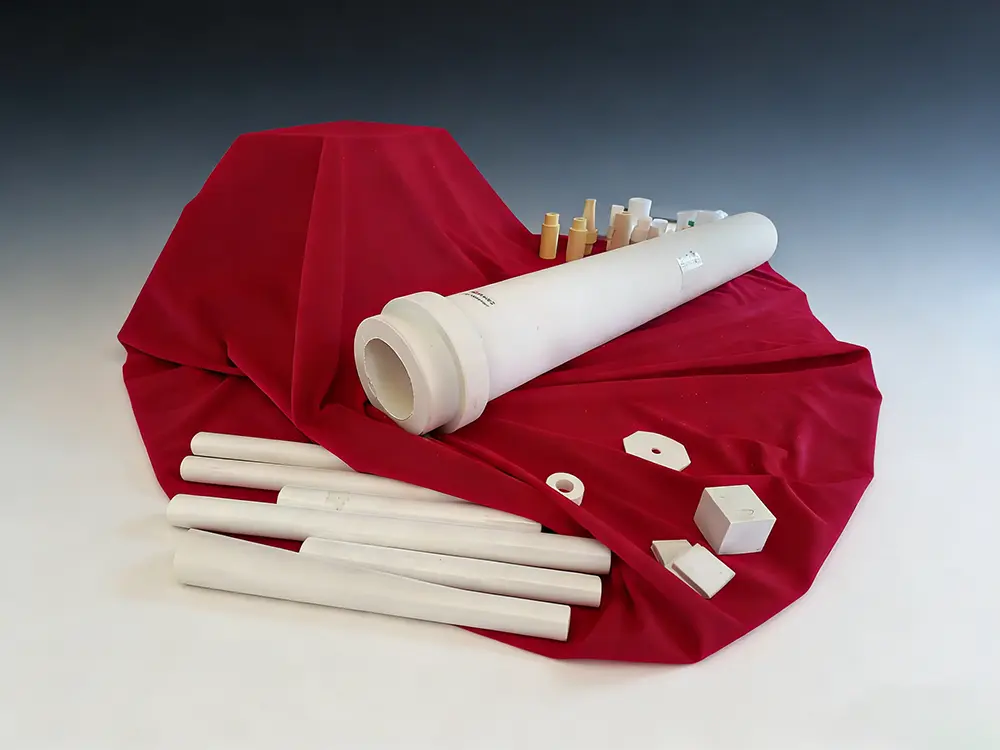
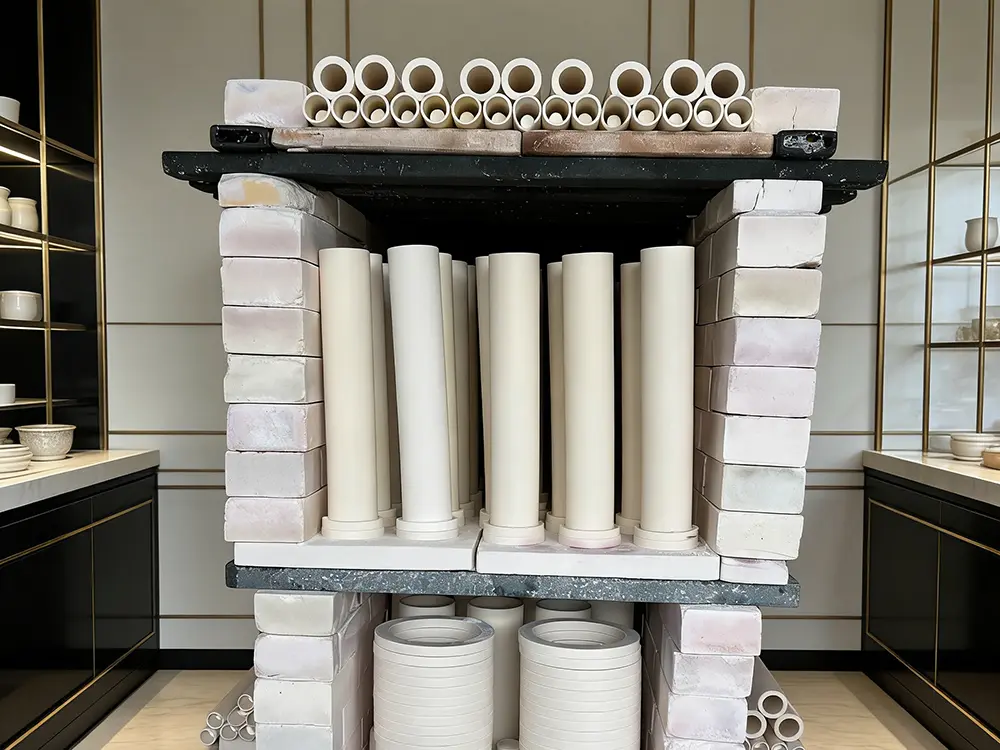

Wholesale High-Performance Aluminium Titanate Ceramics from China Suppliers and Factory for Extreme Thermal Resistance Manufacturer, Factory

Aluminium Titanate ceramics are advanced engineered materials produced by leading suppliers and factories in China. These ceramics are specifically designed to maintain reliability under extreme thermal and chemical conditions. With their ultra-low thermal expansion coefficient, Aluminium Titanate ceramics offer remarkable resistance to thermal shock, enabling them to endure rapid and repeated temperature fluctuations without cracking or deforming. This exceptional quality makes Aluminium Titanate an ideal choice for demanding industrial applications where traditional ceramic materials often fall short. Choose Aluminium Titanate ceramics from trusted suppliers in China for superior performance in challenging environments

Product Description

Performance Advantages|Thermal Shock and Molten Metal Resistance

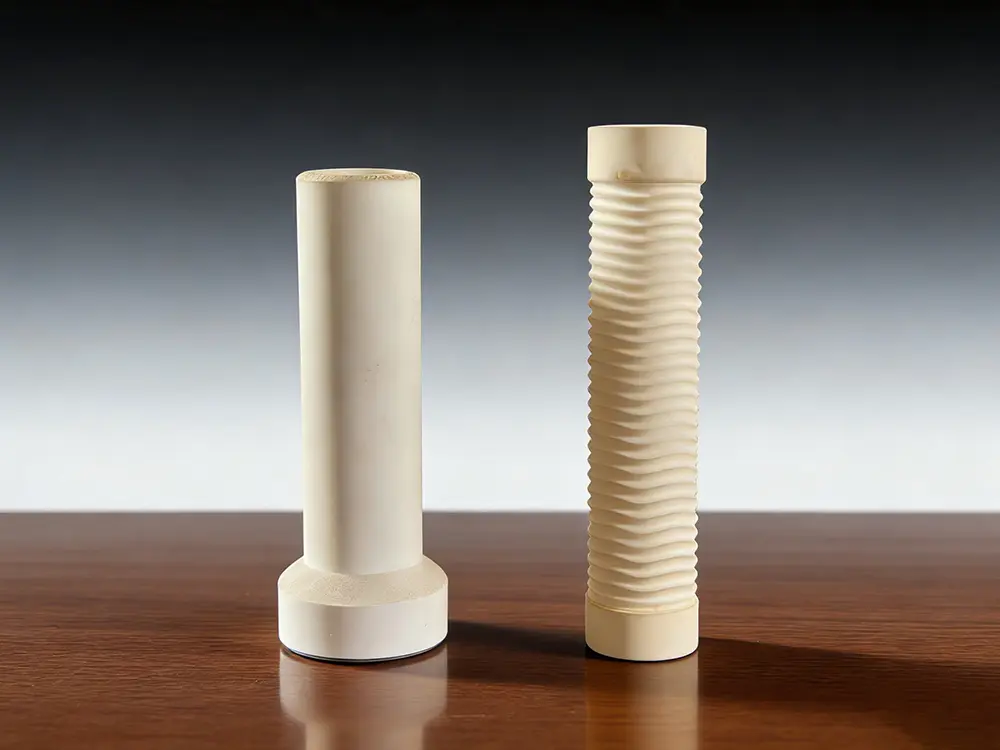
Our Aluminium Titanate ceramics are expertly formulated to operate in harsh working conditions involving severe thermal cycling and exposure to corrosive molten metals. They demonstrate outstanding resistance to molten aluminum and copper, preventing wetting, erosion, and chemical degradation. As a result, components manufactured from Aluminium Titanate deliver superior durability, reduced maintenance requirements, and extended service life, helping customers minimize downtime and improve overall process efficiency.
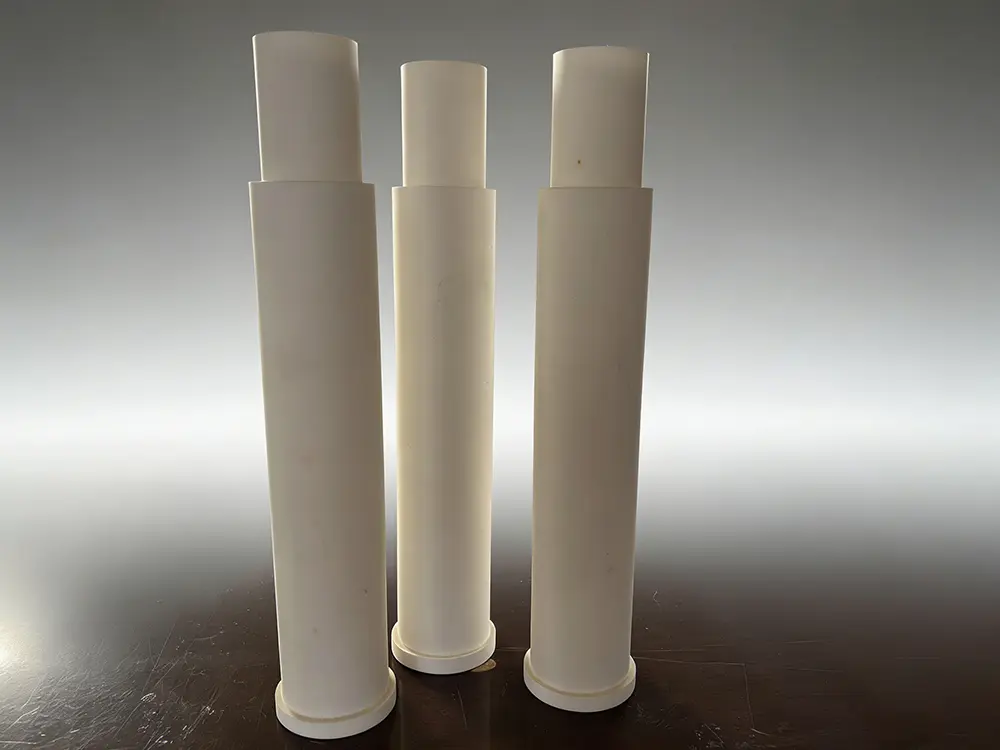
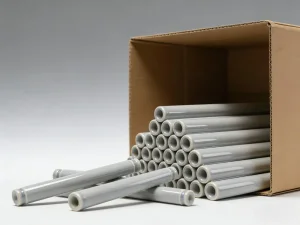
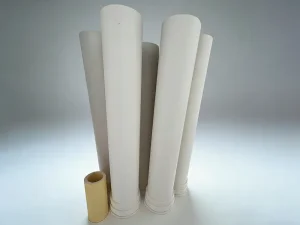
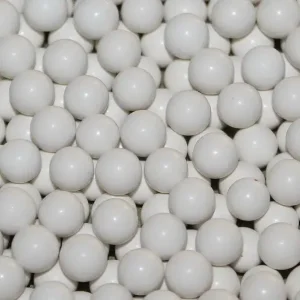
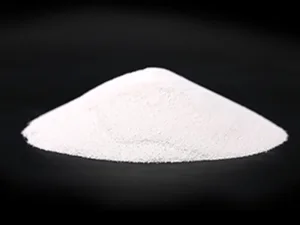
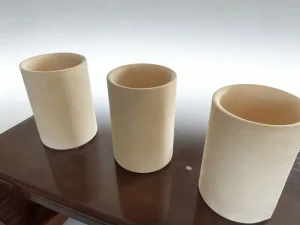
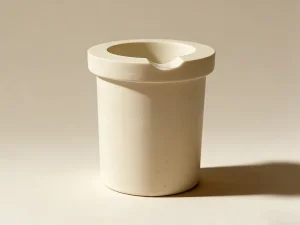
Aluminium Titanate ceramics are engineered for extreme thermal and chemical resistance (1) Aluminium Titanate ceramics are engineered for extreme thermal and chemical resistance (2)

Application

🏭 Foundry & Metallurgy|Molten Metal Handling Applications

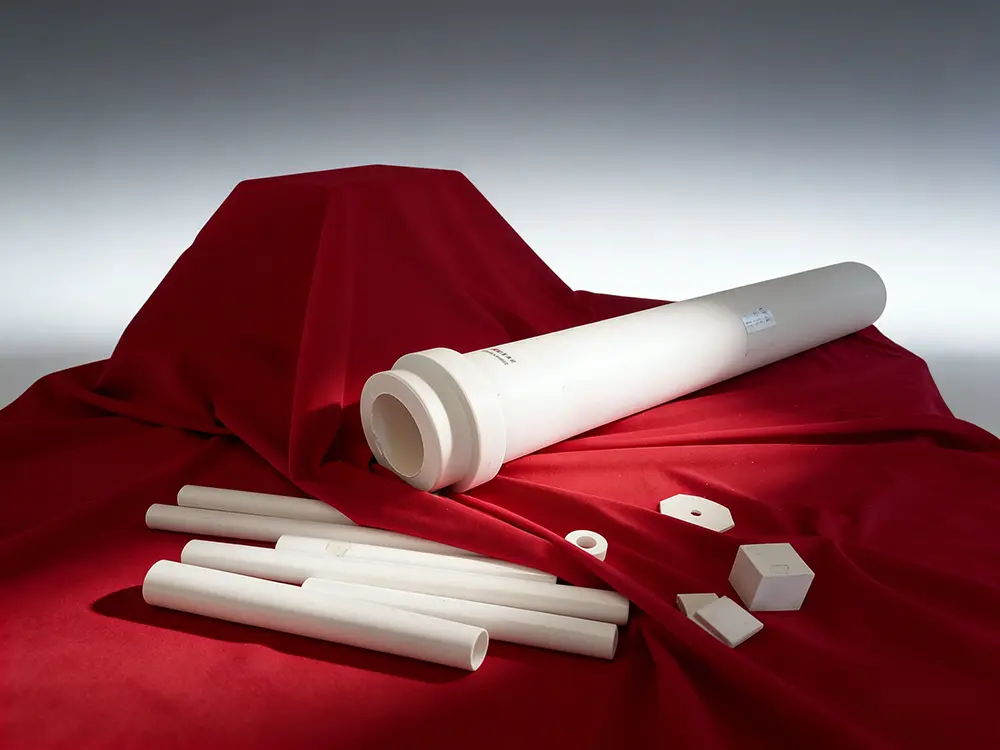
In molten metal handling applications, Aluminium Titanate ceramics are widely used for riser tubes, nozzles, pouring cups, launders, and thermocouple protection sheaths. These components maintain structural integrity when repeatedly exposed to high-temperature molten metals, while also preventing contamination of the melt. Their ability to provide accurate and stable temperature measurement in molten aluminum, copper, and related alloys further enhances process control in foundry and metallurgical operations.

🚗 Automotive Industry|High-Temperature Welding and Engine Components

Within the automotive industry, Aluminium Titanate ceramics play a critical role in resistance welding and high-temperature assembly processes. Components such as welding pinch rolls and pads are essential for body-in-white assembly lines, where they must withstand intense localized heat and avoid reacting with zinc coatings on galvanized steel. In addition, Aluminium Titanate shows strong potential for use in selected engine components, including exhaust port liners and other parts requiring thermal insulation and high shock resistance.

⚗️ Industrial & Chemical Processing|High-Temperature Structural Components

Beyond metallurgical and automotive applications, Aluminium Titanate ceramics are also utilized in industrial and chemical processing environments. Typical uses include heat exchanger components exposed to rapid temperature changes, wear-resistant liners for high-temperature abrasive processes, and laboratory or instrumentation applications such as kiln furniture, setters, and trays. In all these applications, Aluminium Titanate ceramics provide reliable performance where minimal thermal expansion, chemical stability, and long service life are critical.

Aluminium Titanate Ceramics

ITEM NO. DESCRIPTION Chemical Composition Characteristic
1 HIGH-PURITY ALUMINIUM TITANATE Al₂O₃ 56%
TiO₂ 40%
Stabilizer 4%
Ultra-low thermal expansion, excellent thermal shock resistance
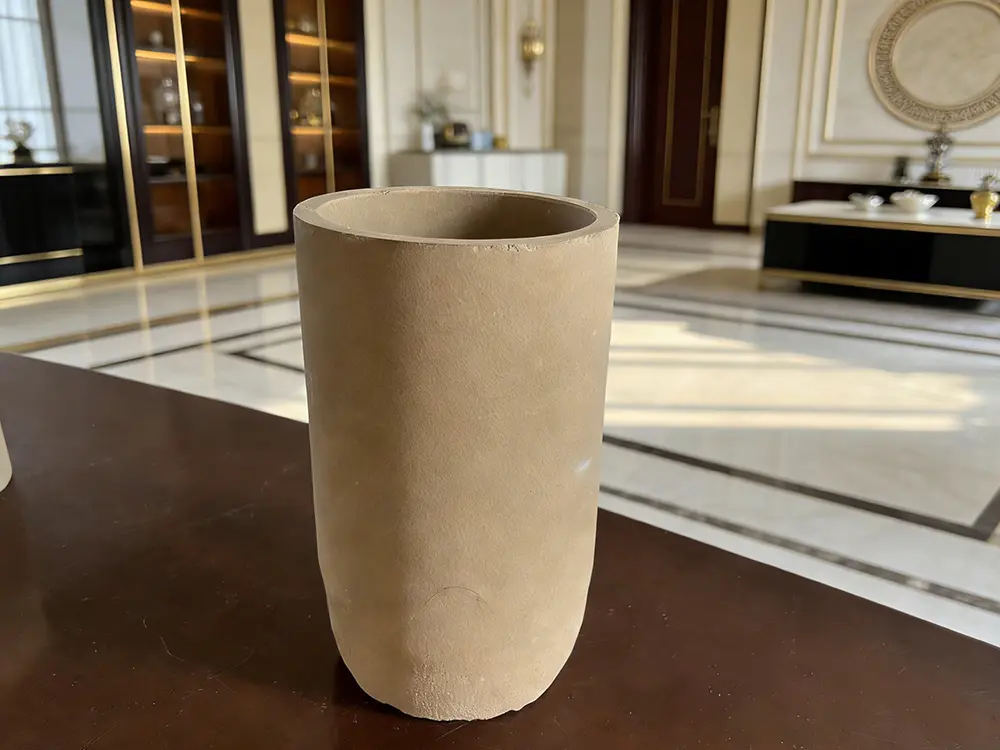
2 CORUNDUM ALUMINIUM TITANATE COMPOSITE MATERIALS Corundum 30% Higher operating temperature, better high-temperature strength
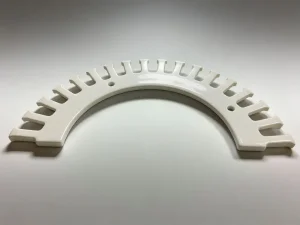
Aluminium Titanate ceramics are engineered for extreme thermal and chemical resistance (3) Aluminium Titanate ceramics are engineered for extreme thermal and chemical resistance (4)

Frequently Asked Questions

Q What makes Aluminium Titanate ceramics resistant to molten metals?
Aluminium Titanate ceramics possess a unique combination of ultra-low thermal expansion and inherent chemical inertness toward molten metals such as aluminum and copper. This prevents wetting and erosion of the ceramic surface, ensuring long-term structural integrity and preventing contamination of the melt during metal casting or handling processes.
Q What is the difference between High-Purity Aluminium Titanate and Corundum Aluminium Titanate Composite?
High-Purity Aluminium Titanate (Al₂O₃ 56%, TiO₂ 40%, Stabilizer 4%) offers ultra-low thermal expansion and excellent thermal shock resistance, making it ideal for applications involving rapid temperature cycling. The Corundum Aluminium Titanate Composite incorporates 30% Corundum, which enhances high-temperature strength and raises the maximum operating temperature, suitable for more mechanically demanding environments.
Q Which foundry components are typically made from Aluminium Titanate ceramics?
In foundry and metallurgical operations, Aluminium Titanate ceramics are commonly used to manufacture riser tubes, nozzles, pouring cups, launders, and thermocouple protection sheaths. These components are chosen for their ability to withstand repeated exposure to high-temperature molten metals while maintaining dimensional stability and preventing melt contamination.
Q How are Aluminium Titanate ceramics used in the automotive industry?
In the automotive sector, Aluminium Titanate ceramics are primarily used in resistance welding components such as welding pinch rolls and pads for body-in-white assembly lines. They withstand intense localized heat and do not react with zinc coatings on galvanized steel. They also show strong potential for engine components like exhaust port liners that require thermal insulation and thermal shock resistance.
Q Can Aluminium Titanate ceramics be used in chemical processing environments?
Yes. Aluminium Titanate ceramics are well-suited for industrial and chemical processing applications due to their chemical stability and resistance to thermal shock. They are used in heat exchanger components, wear-resistant liners for high-temperature abrasive processes, and laboratory equipment such as kiln furniture, setters, and trays where reliable performance under extreme conditions is essential.
Q How do Aluminium Titanate ceramics help reduce maintenance costs and downtime?
Due to their exceptional thermal shock resistance, low thermal expansion, and resistance to chemical attack from molten metals, Aluminium Titanate ceramic components experience significantly less wear and degradation compared to conventional materials. This translates into extended service life, fewer part replacements, reduced unplanned maintenance shutdowns, and improved overall process efficiency for industrial operations.

Related Products