1 / 4

Key Advantage: AlN ceramics deliver exceptional thermal conductivity combined with excellent electrical insulation — ideal for advanced electronic and semiconductor applications.
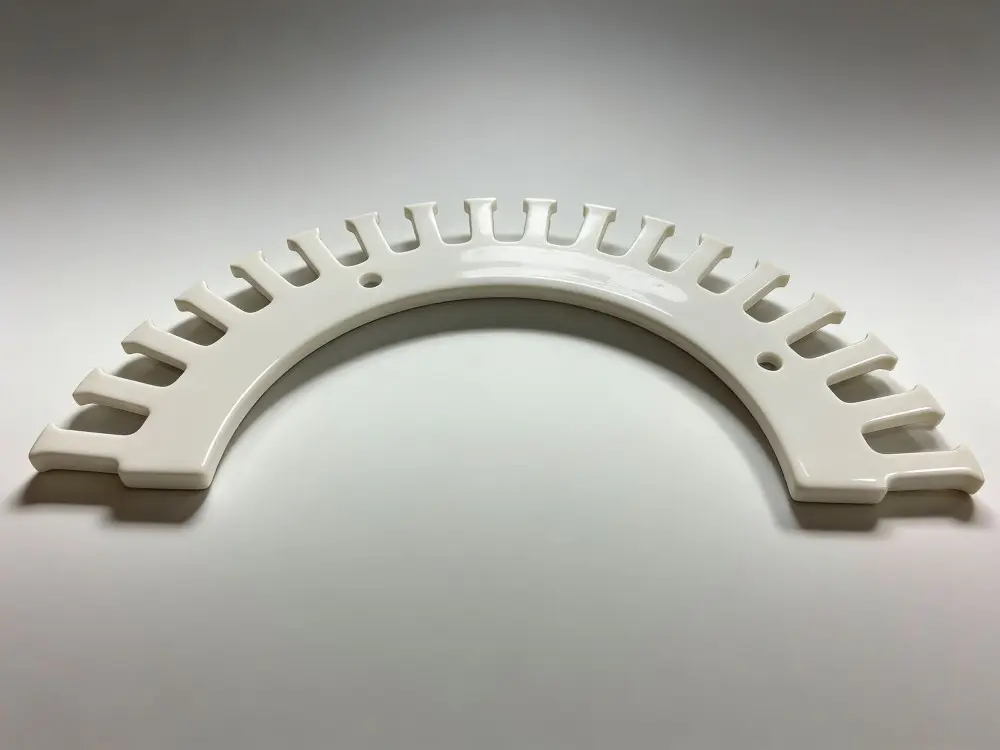
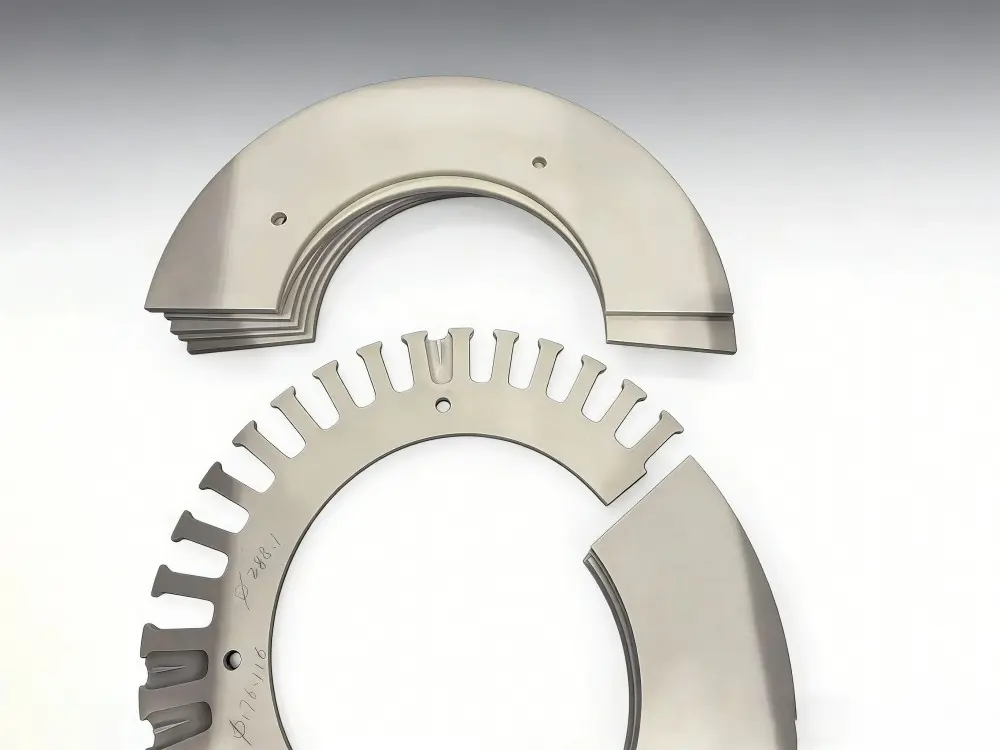
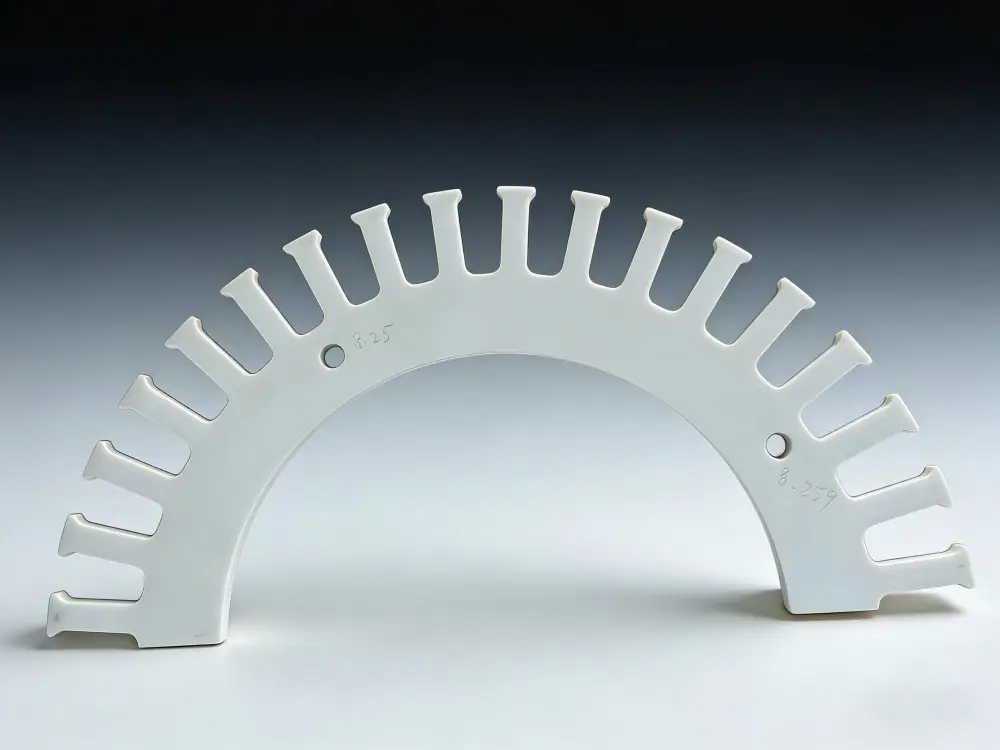
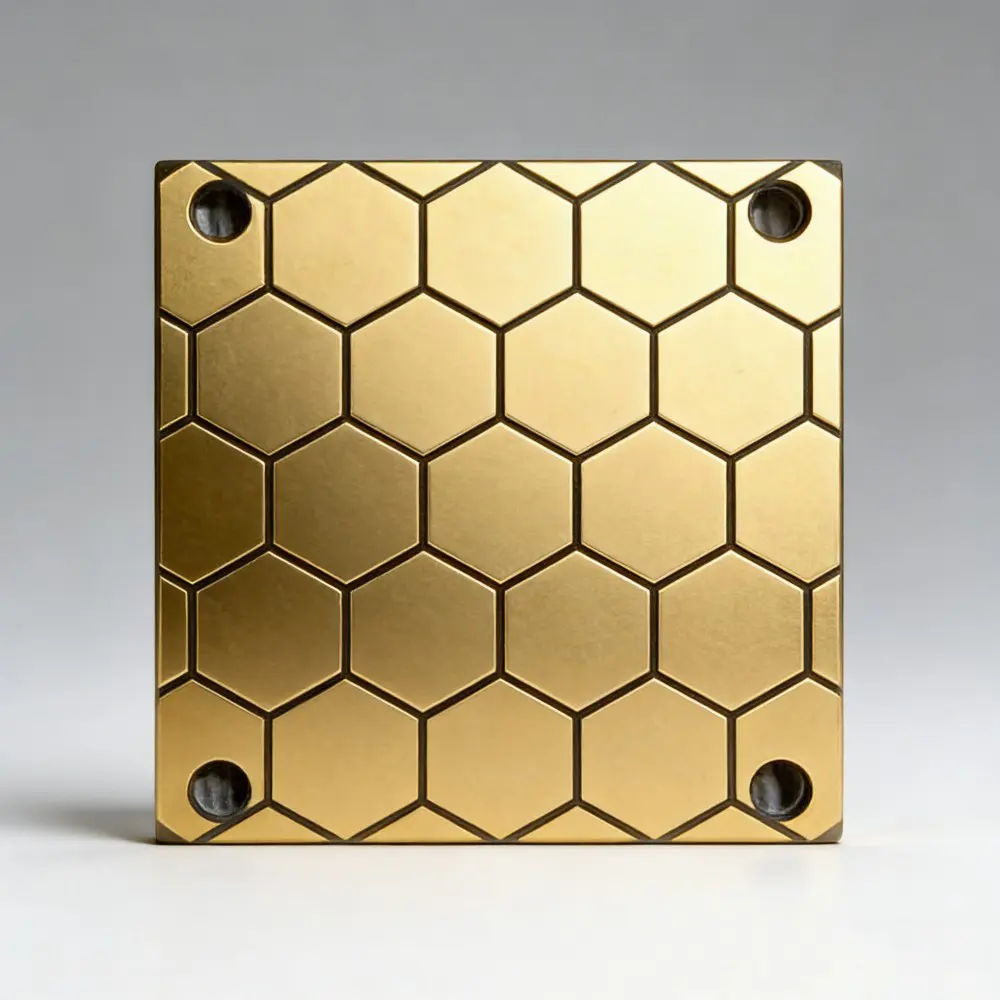
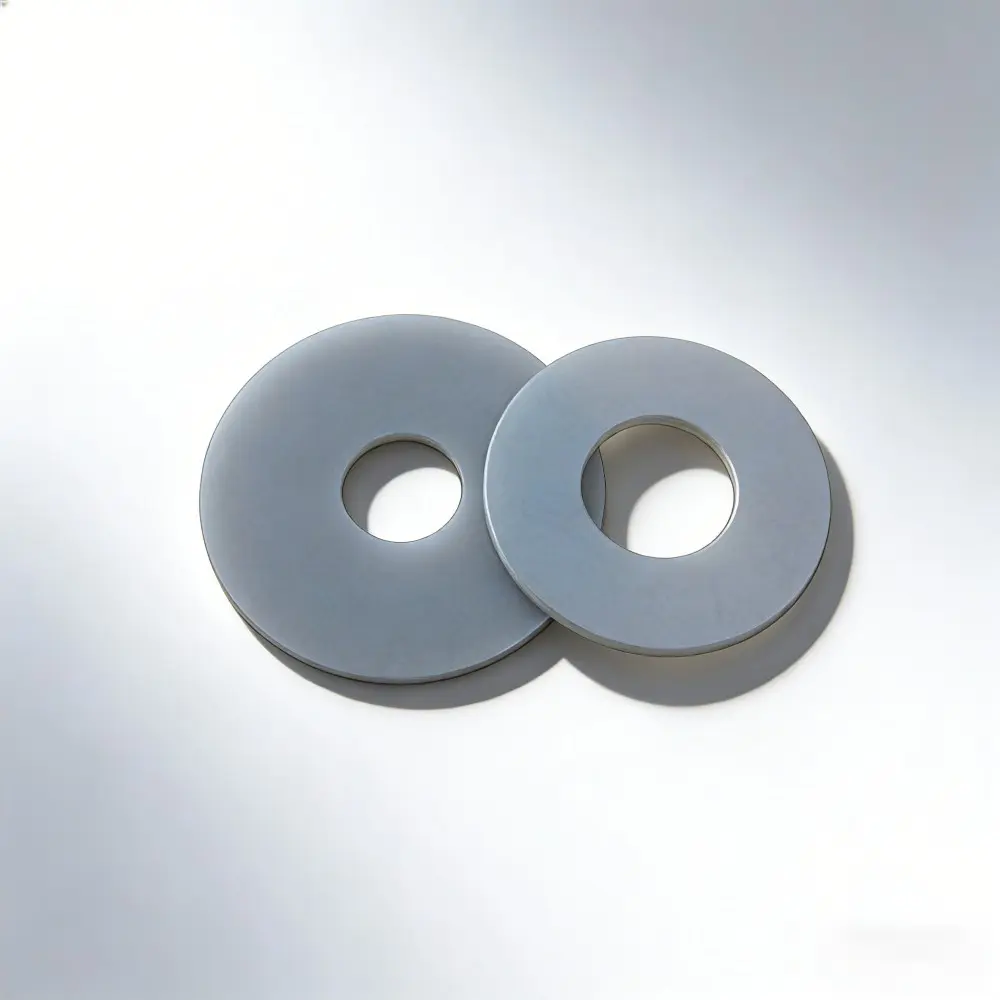
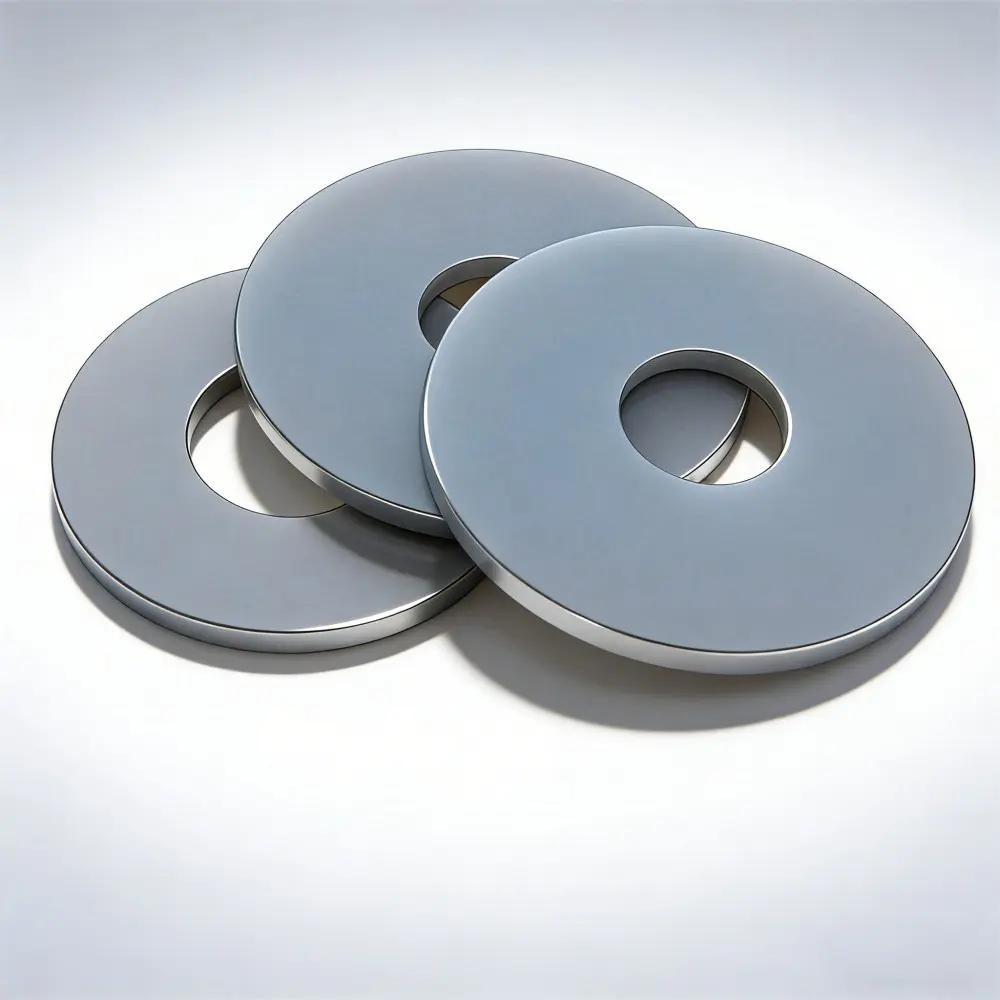
Aluminum nitride (AlN) ceramics are high-performance technical ceramic materials widely recognized for their exceptional thermal conductivity combined with excellent electrical insulation. This unique combination allows AlN to efficiently dissipate heat while maintaining electrical isolation, making it an ideal solution for advanced electronic and semiconductor applications. In addition, AlN ceramics exhibit good mechanical strength, low thermal expansion, and strong resistance to high temperatures and corrosive environments, ensuring stable performance in demanding operating conditions.
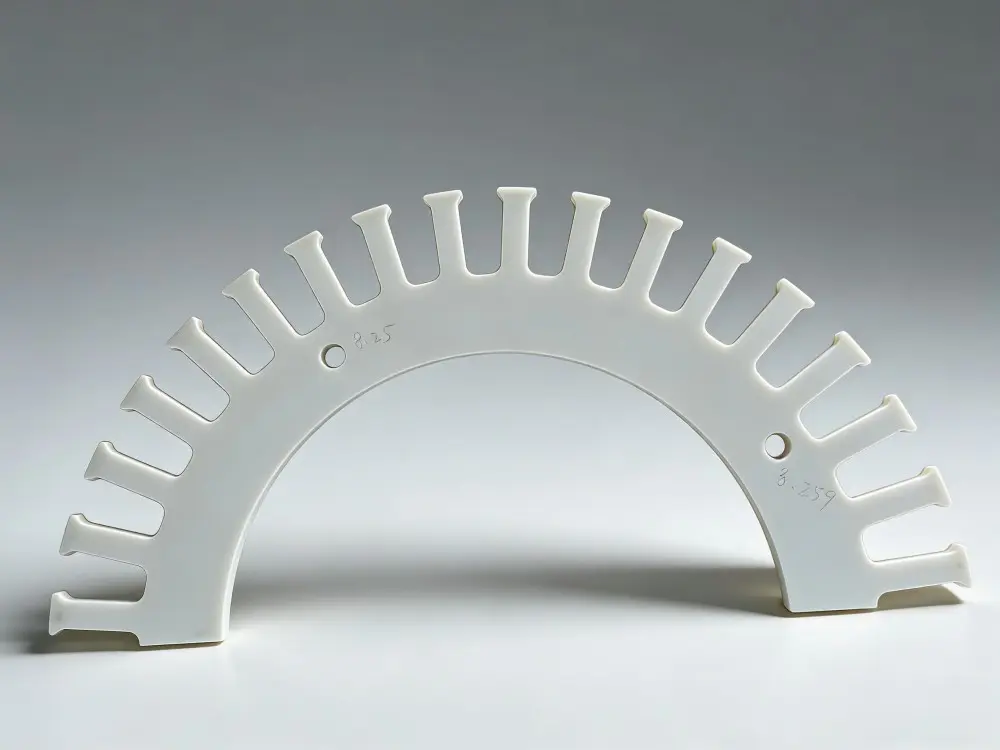
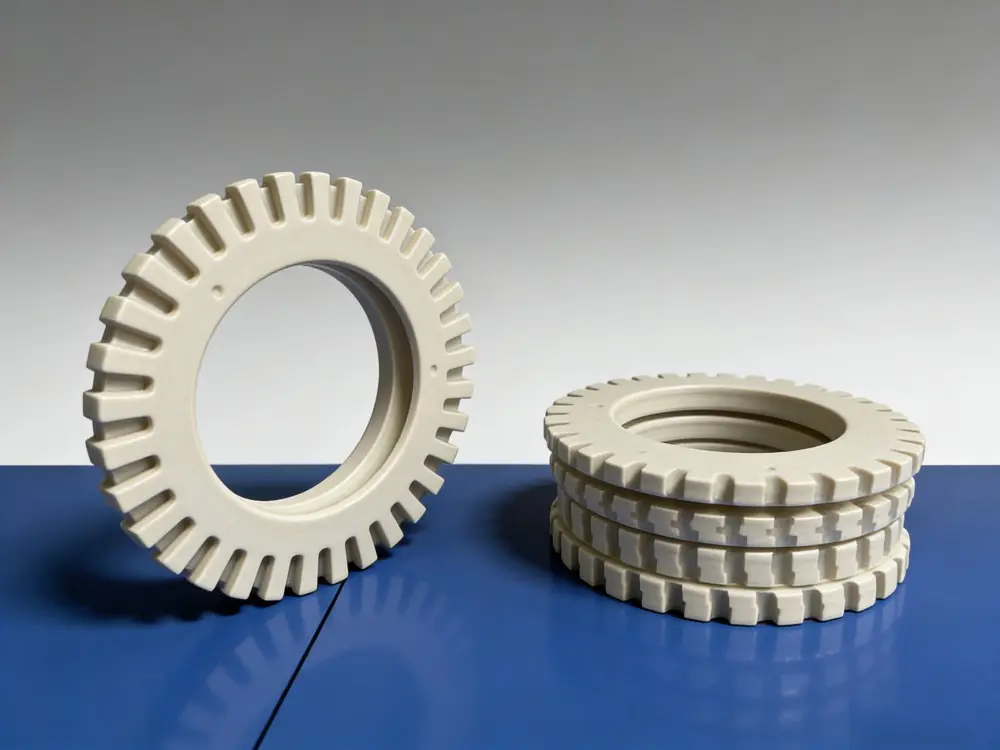
Key Application: AlN substrates and heat sinks are widely used in power electronics, optoelectronics, and high-density integrated systems for rapid and reliable heat dissipation.
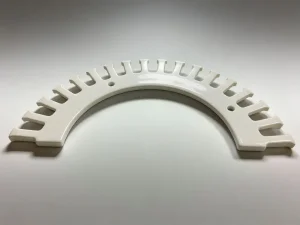
One of the most important applications of AlN ceramics is in electronic substrates and heat sinks. In high-power electronic devices, LED modules, and laser diodes, effective heat dissipation is critical to maintaining performance and extending service life. AlN's high thermal conductivity enables rapid heat transfer away from active components, while its excellent electrical insulation prevents short circuits and signal interference. As a result, AlN substrates and heat sinks are widely used in power electronics, optoelectronics, and high-density integrated systems.
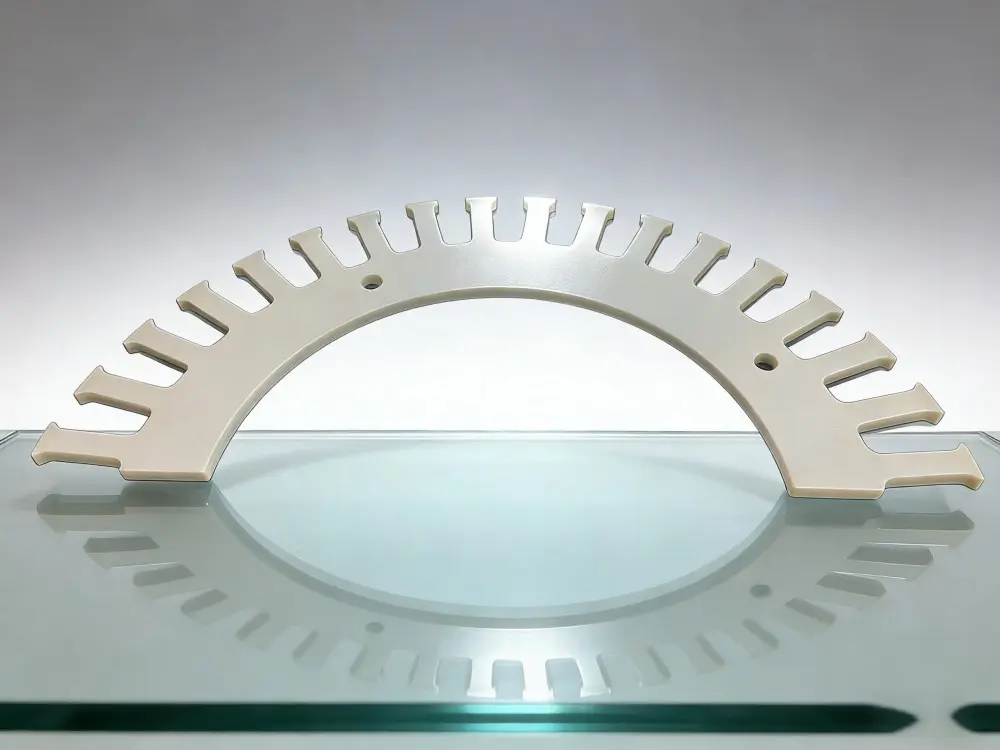
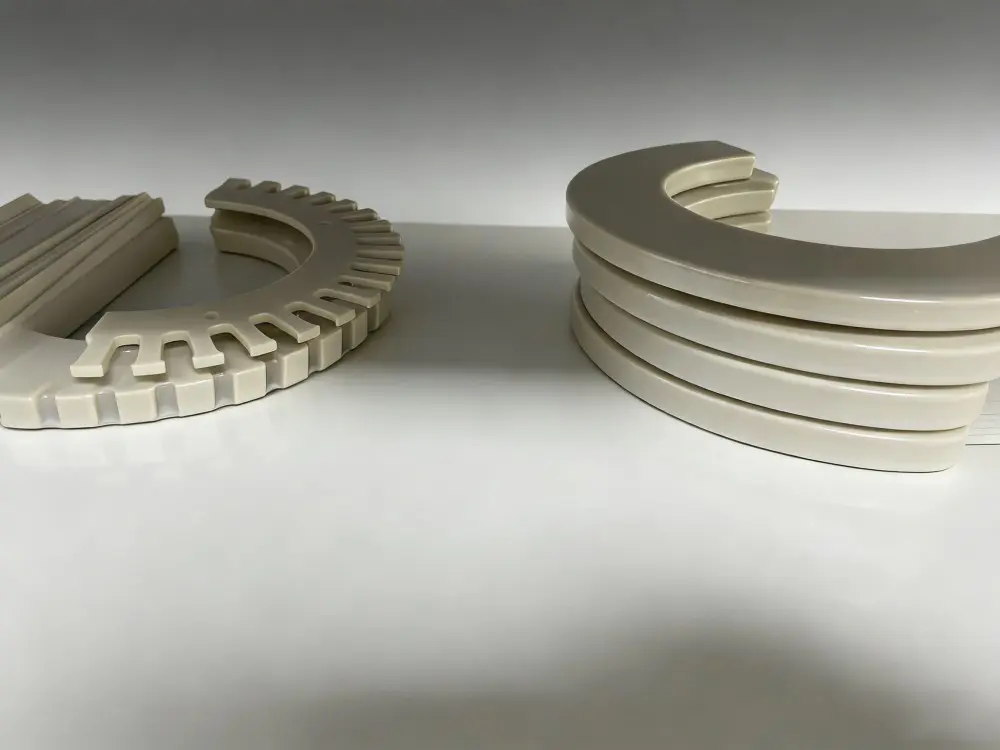
Key Role: AlN ceramics withstand high temperatures and corrosive plasma environments, making them essential for electrostatic chucks, heater stages, and precision wafer fixtures.
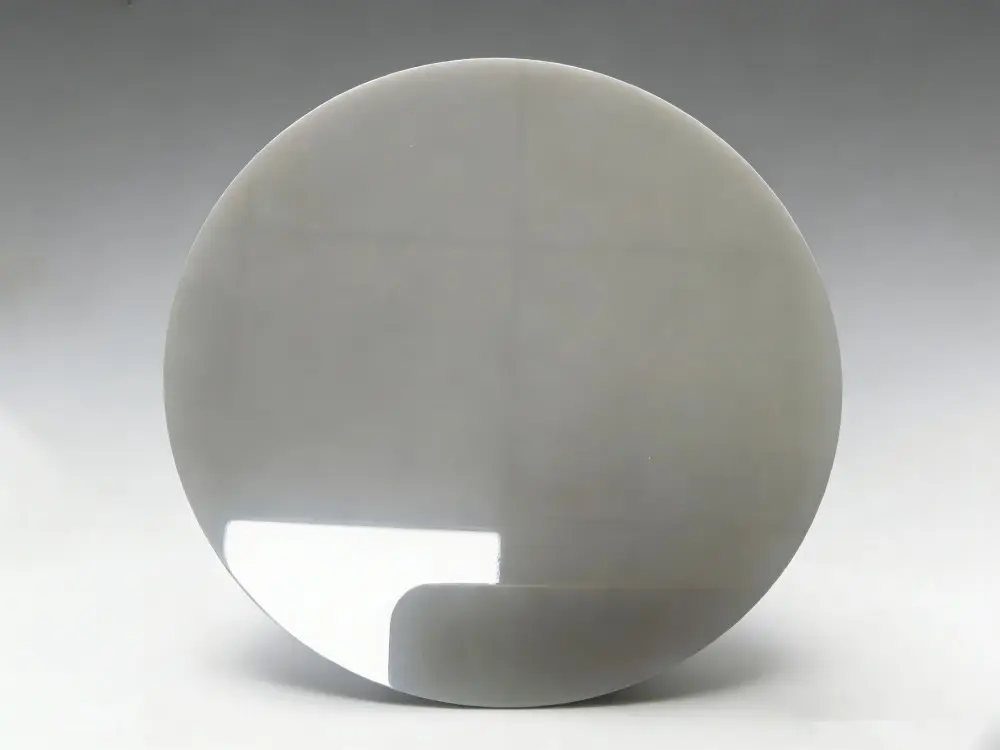
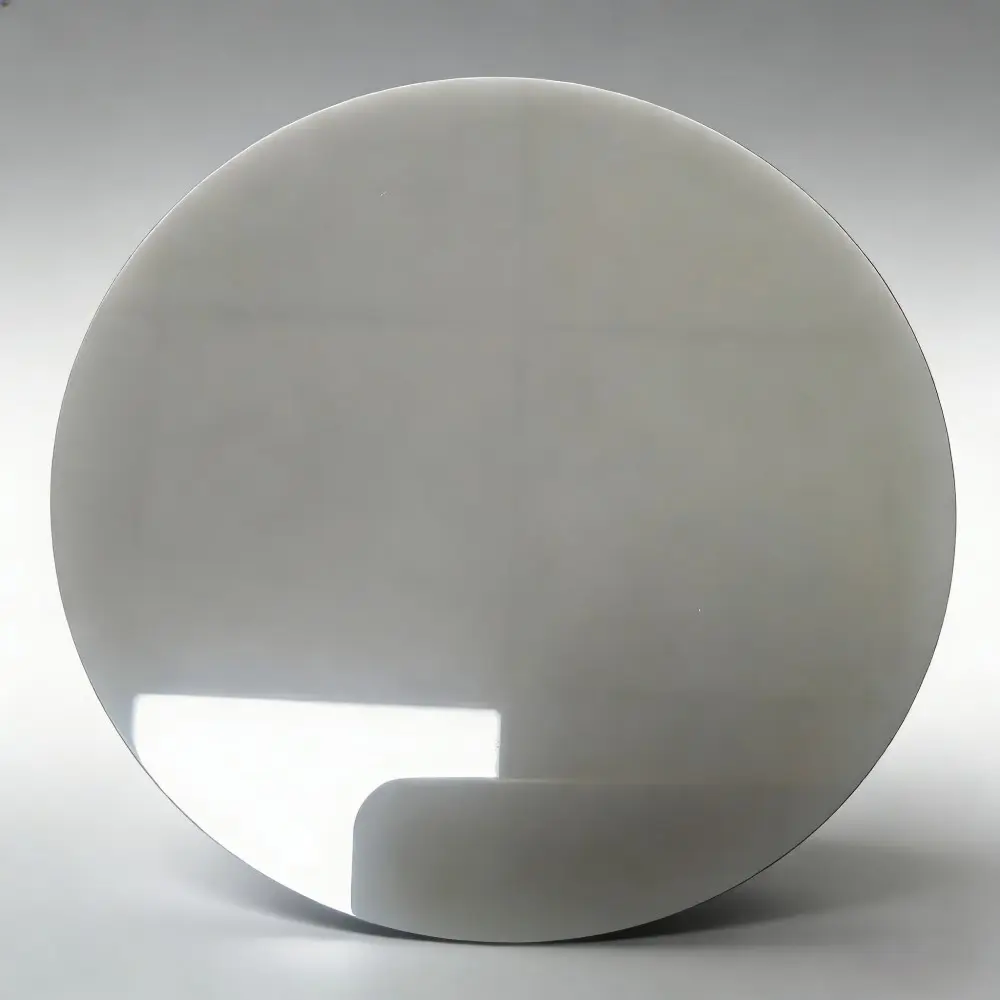
Aluminum nitride ceramics also play a crucial role in semiconductor manufacturing. Their ability to withstand high temperatures and resist corrosive plasma environments makes them suitable for wafer processing components such as electrostatic chucks, heater stages, and other precision fixtures. These components must maintain dimensional stability, cleanliness, and reliability under extreme thermal and chemical stress, all of which are effectively provided by AlN ceramics.
Key Benefit: AlN-based packages and substrates improve system performance, reliability, and miniaturization for high-frequency RF modules and high-power integrated circuits.
In addition, AlN is extensively used in packaging for high-power and radio frequency (RF) modules. Its combination of high thermal conductivity and electrical insulation supports efficient thermal management while protecting sensitive circuits. AlN-based packages and substrates are therefore ideal for high-frequency RF modules and high-power integrated circuits, helping to improve system performance, reliability, and miniaturization in advanced electronic devices.
| Properties | Units | |
| Color | Grey | |
| Mechanical Properties | ||
| Density | g/cm³ | 3.31 |
| Modulus of Elasticity | GPa | 310 |
| Fracture Toughness | MPa × m^1/2 | 3.5 |
| Poisson's Ratio | 0.25 | |
| Compressive Strength | MPa | 2100 |
| Flexural Strength | MPa | 335 |
| Hardness (Knoop 100 g) | Kg/mm² | 1170 |
| Hardness (Vickers) | GPa | 11 |
| Thermal Properties | ||
| Maximum Temperature * | ||
| Oxidizing | °C | 700 |
| Inert | °C | 1300 |
| Thermal Conductivity | ||
| @ 25°C | W/mK | 180 |
| @ 300°C | W/mK | 130 |
| Specific Heat | J/kg.K | 750 |
| Thermal Shock Resistance ΔT | °C | 400 |
| Coefficient of Thermal Expansion | ||
| CTE 25°C → 100°C | 10^-6/°C | 3.6 |
| CTE 25°C → 300°C | 10^-6/°C | 4.6 |
| CTE 25°C → 500°C | 10^-6/°C | 5.2 |
| CTE 25°C → 1000°C | 10^-6/°C | 5.6 |
| Electrical Properties | ||
| Dielectric Constant | 1 MHz | 8.6 |
| Loss Tangent | 1 MHz | 5×10^-4 |
| Dielectric Strength | kV/mm | >15 |
| Volume Resistivity | ||
| 25°C | Ω cm | >10^13 |
| 300°C | Ω cm | 10^9 |
| 500°C | Ω cm | 10^7 |