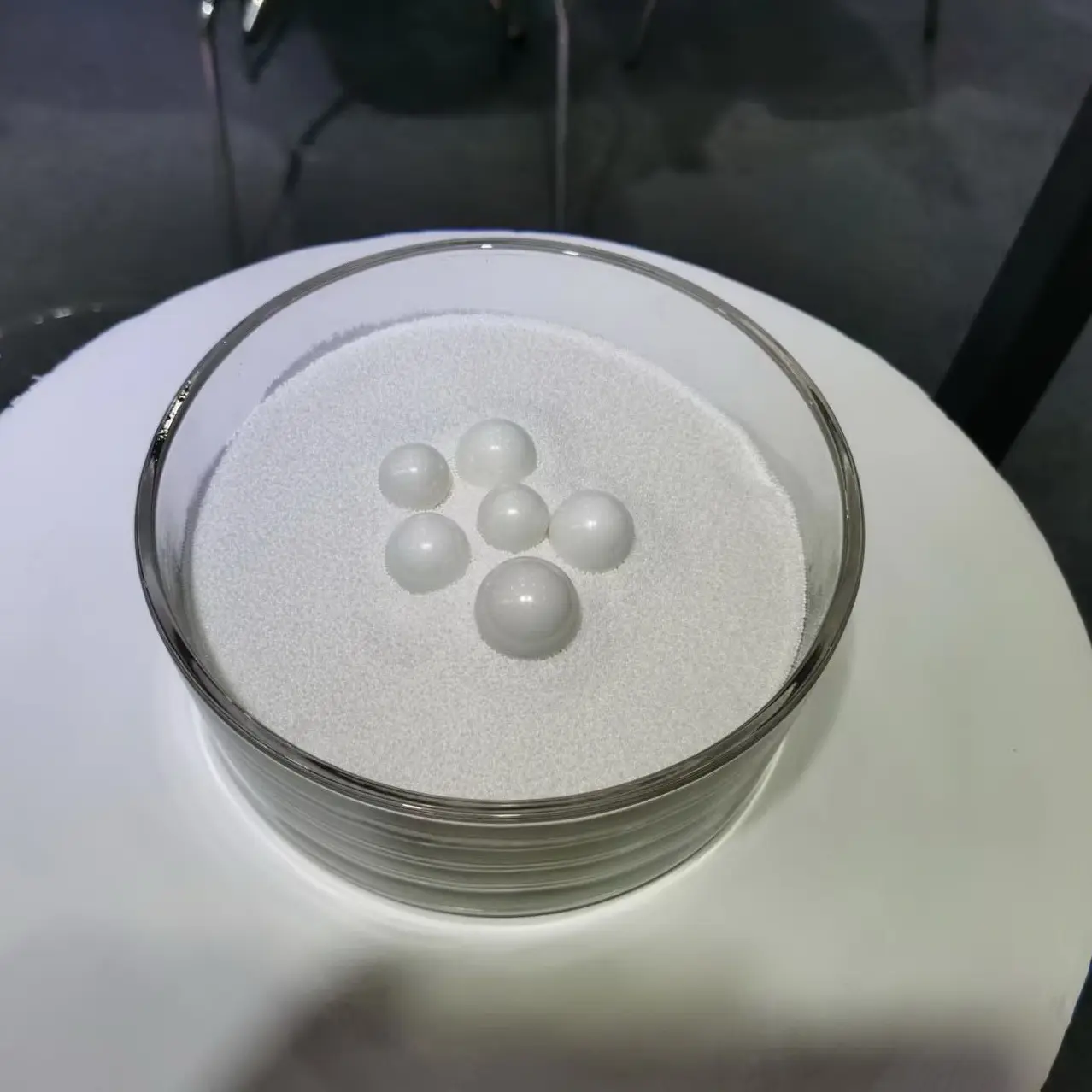

Wholesale High-Purity Alumina Ceramic Balls from China | Reliable Suppliers & Factory for Grinding and Industry Applications Supplier, Factory

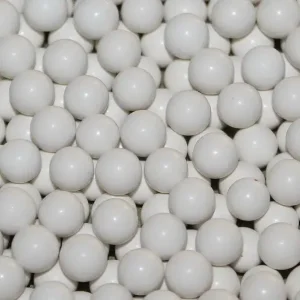
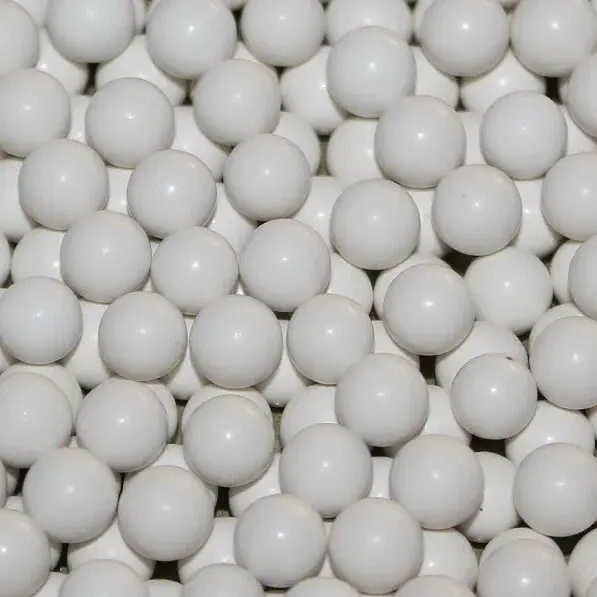
Discover our high-purity alumina ceramic balls, manufactured in China, that deliver exceptional hardness, wear resistance, and chemical stability. As trusted suppliers in the industry, our products are perfect for grinding, dispersion, and support media applications in sectors including mining, ceramics, paints, and chemicals. Designed with a dense structure, these ceramic balls ensure minimal contamination, outstanding impact resistance, and a prolonged service life. Experience reliable performance in high-speed milling and fixed-bed applications with our premium ceramic products from a leading factory

Product Description

Main Applications of Alumina Ceramic Balls

1. Grinding Media

Widely used in ball mills, stirred mills, and attritors for fine grinding of minerals (calcium carbonate, kaolin, quartz), ceramics, cement, and pigments, providing high wear resistance and low contamination.

2. Catalyst Support

Serving as inert catalyst carrier balls in petrochemical, chemical, and refinery applications, offering excellent thermal stability, mechanical strength, and chemical inertness for fixed-bed reactors.
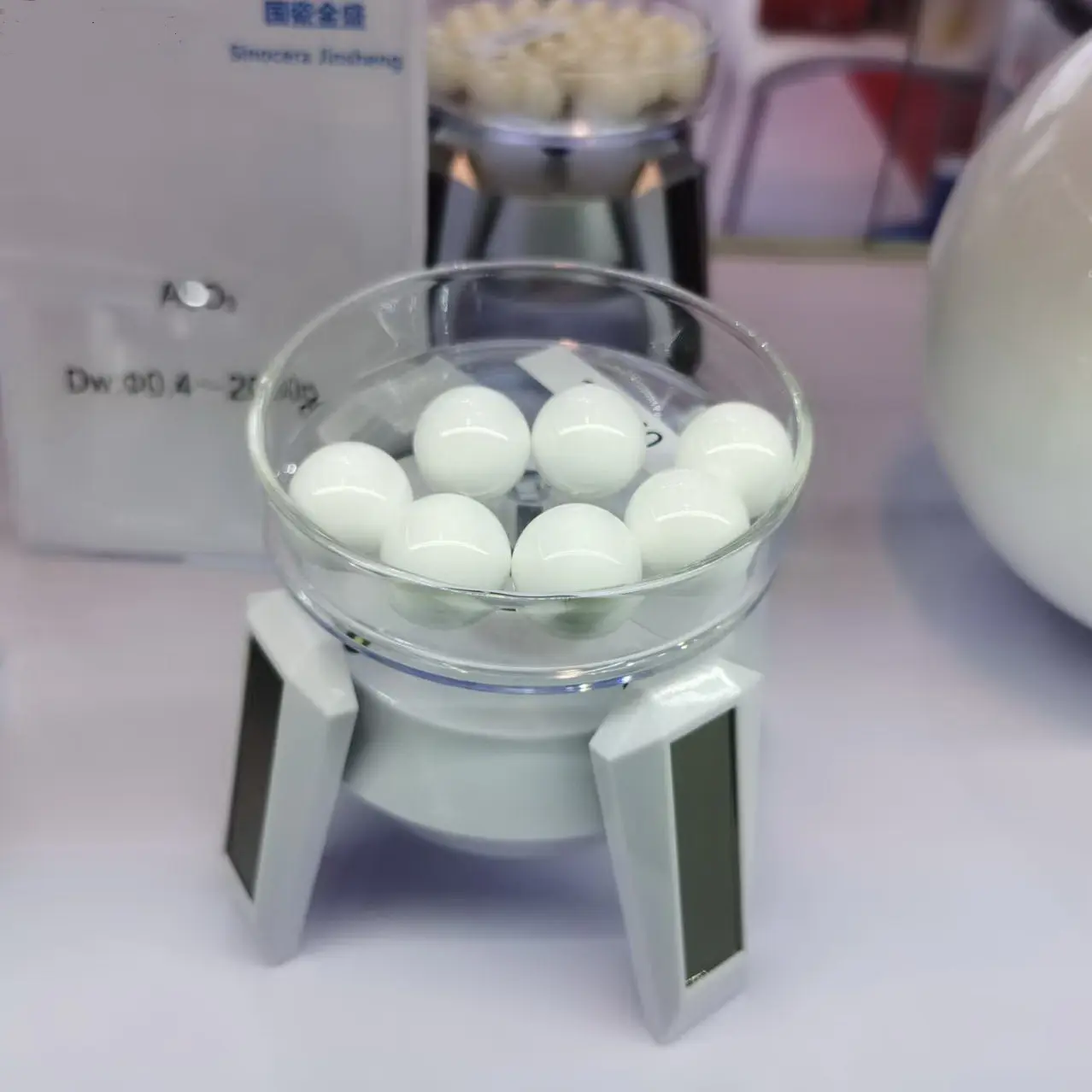
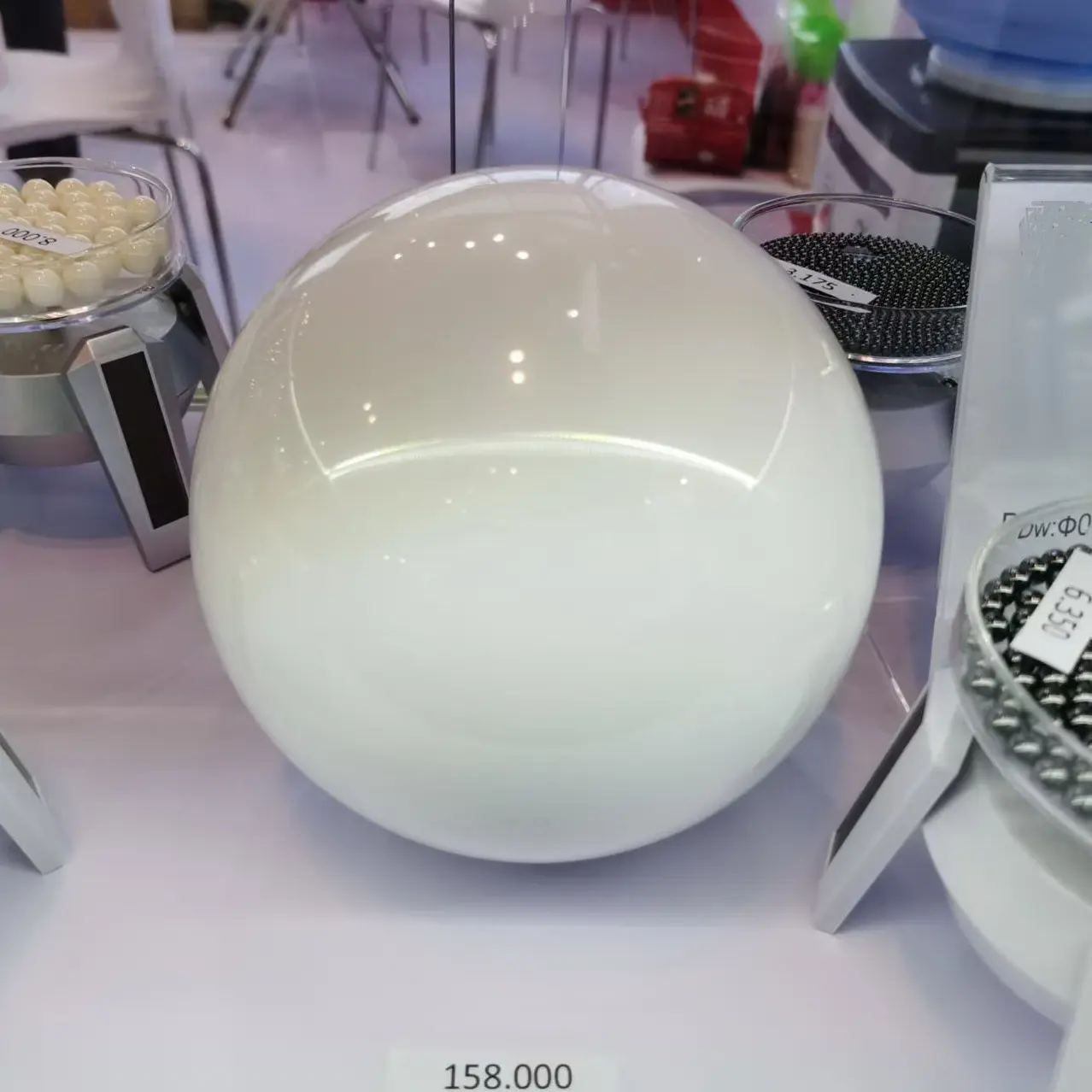
Alumina Balls Grinding Media Alumina Ceramic Catalyst Support Balls

Application

3. Paints & Coatings

Applied in dispersion and grinding of paints, inks, and coatings to achieve uniform particle size distribution and consistent product quality.

4. Mining & Mineral Processing

Used for grinding non-metallic ores and industrial minerals, delivering high efficiency and extended service life compared to conventional grinding media.
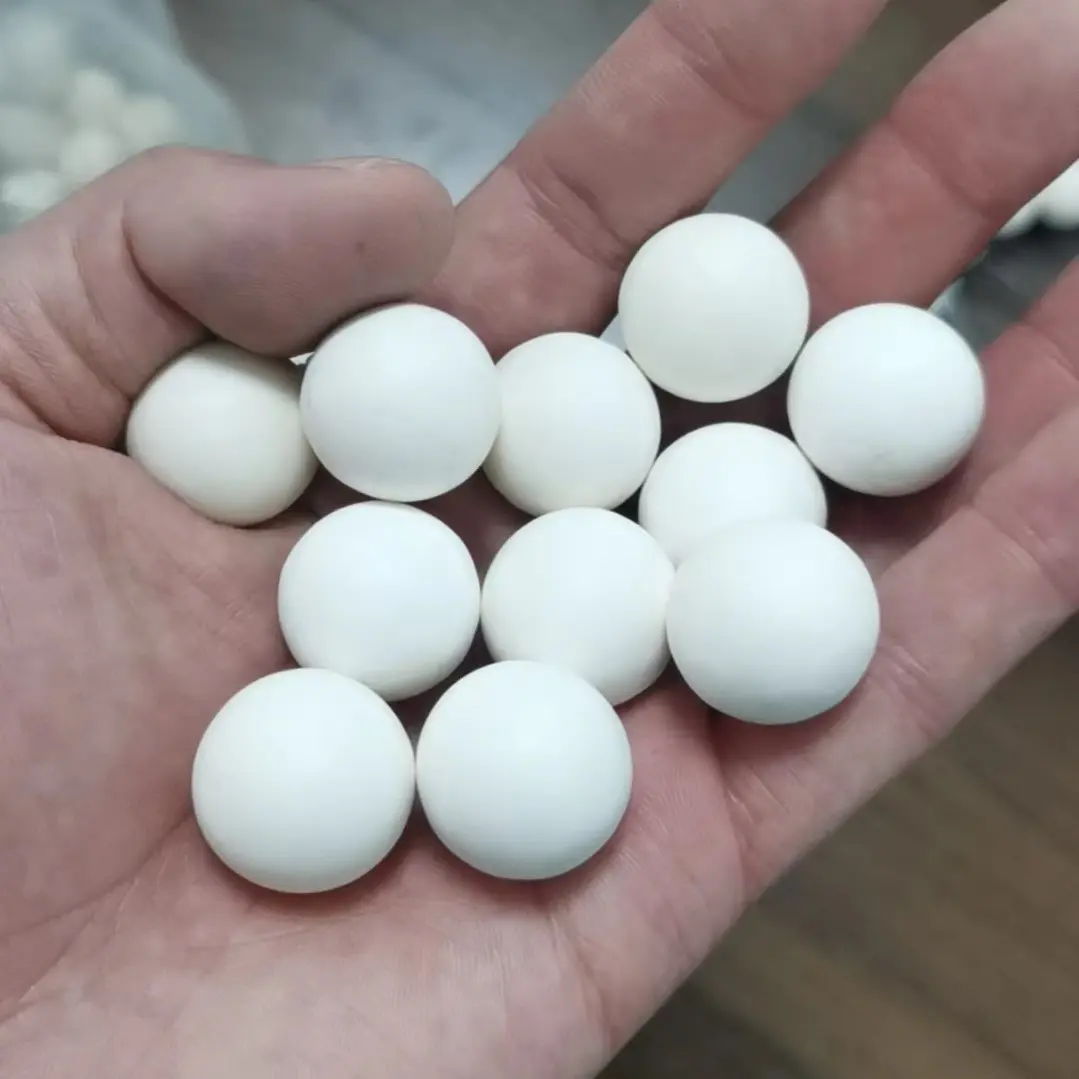
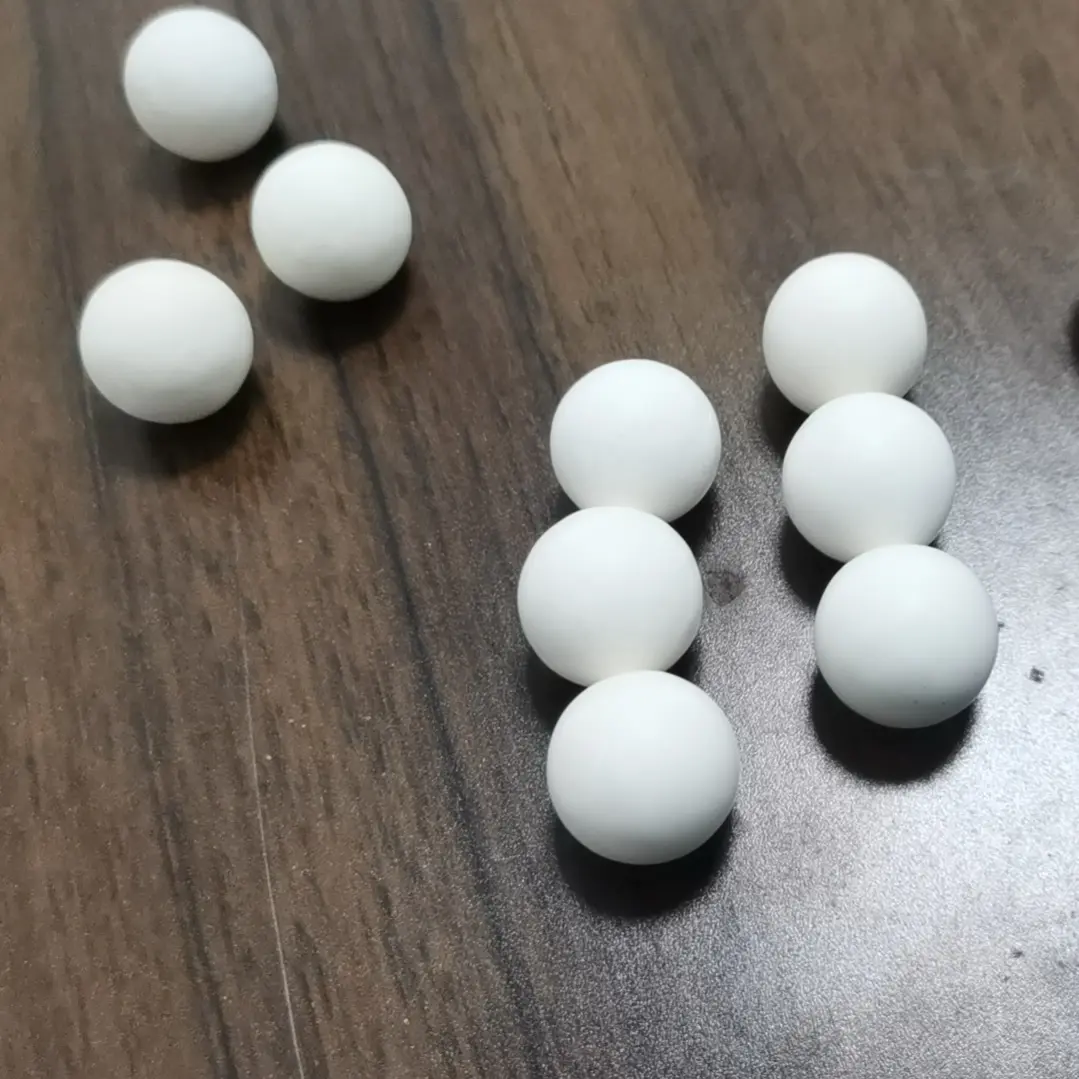
Paints and Coatings Grinding Alumina Media Mining Mineral Processing Alumina Balls

Application

5. Ceramics Industry

Essential for milling ceramic raw materials, glazes, and frits, ensuring high purity and fine particle size for premium ceramic products.

6. Electronics

Employed in grinding electronic materials, piezoelectric ceramics, and advanced functional ceramics requiring precise particle size control.

7. Chemical & Pharmaceutical Industries

Utilized as filling media in columns and reactors, as well as for fine grinding of chemical intermediates and pharmaceutical ingredients where corrosion resistance and purity are critical.
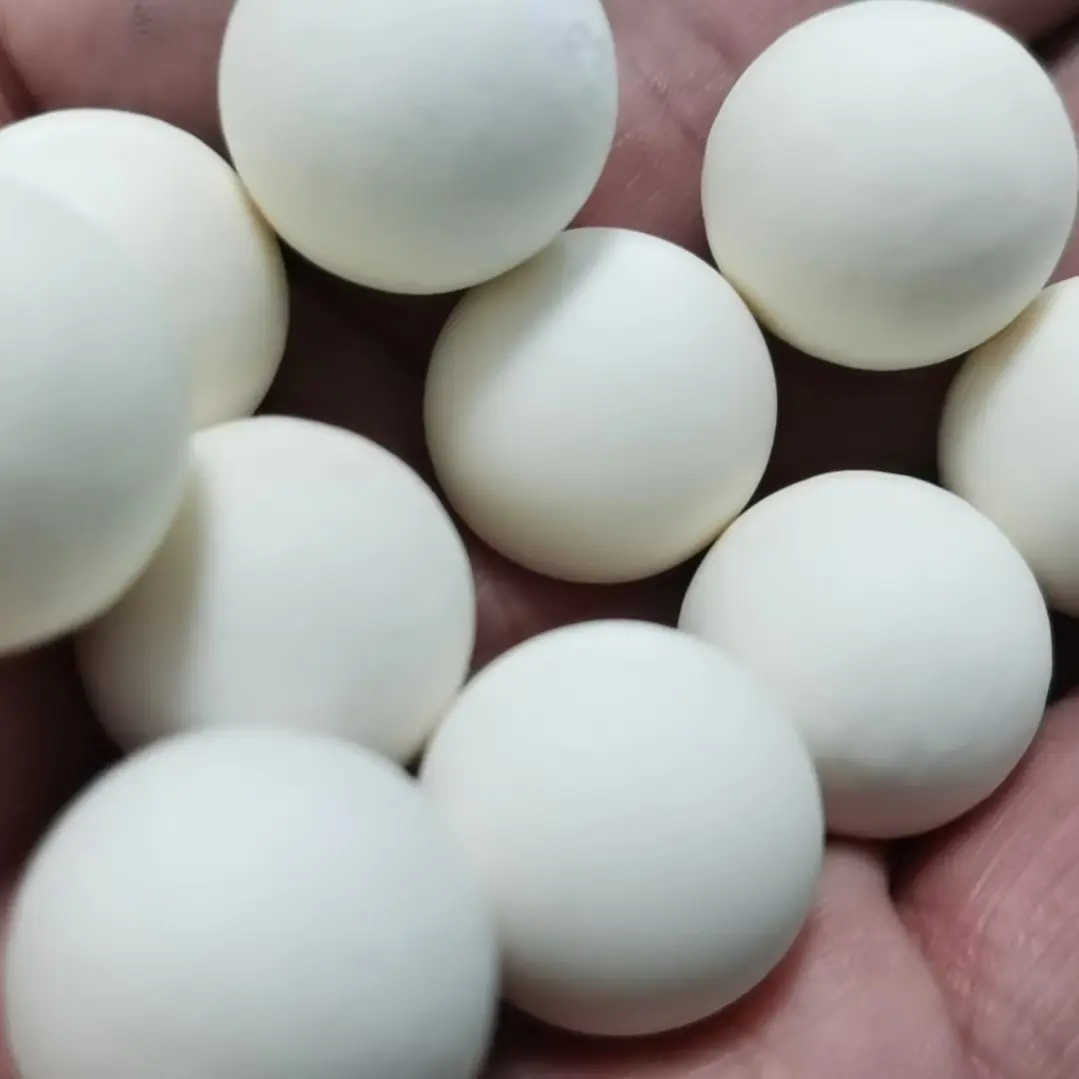
Ceramics and Electronics Grinding Alumina Balls Chemical and Pharmaceutical Inert Alumina Balls

Description

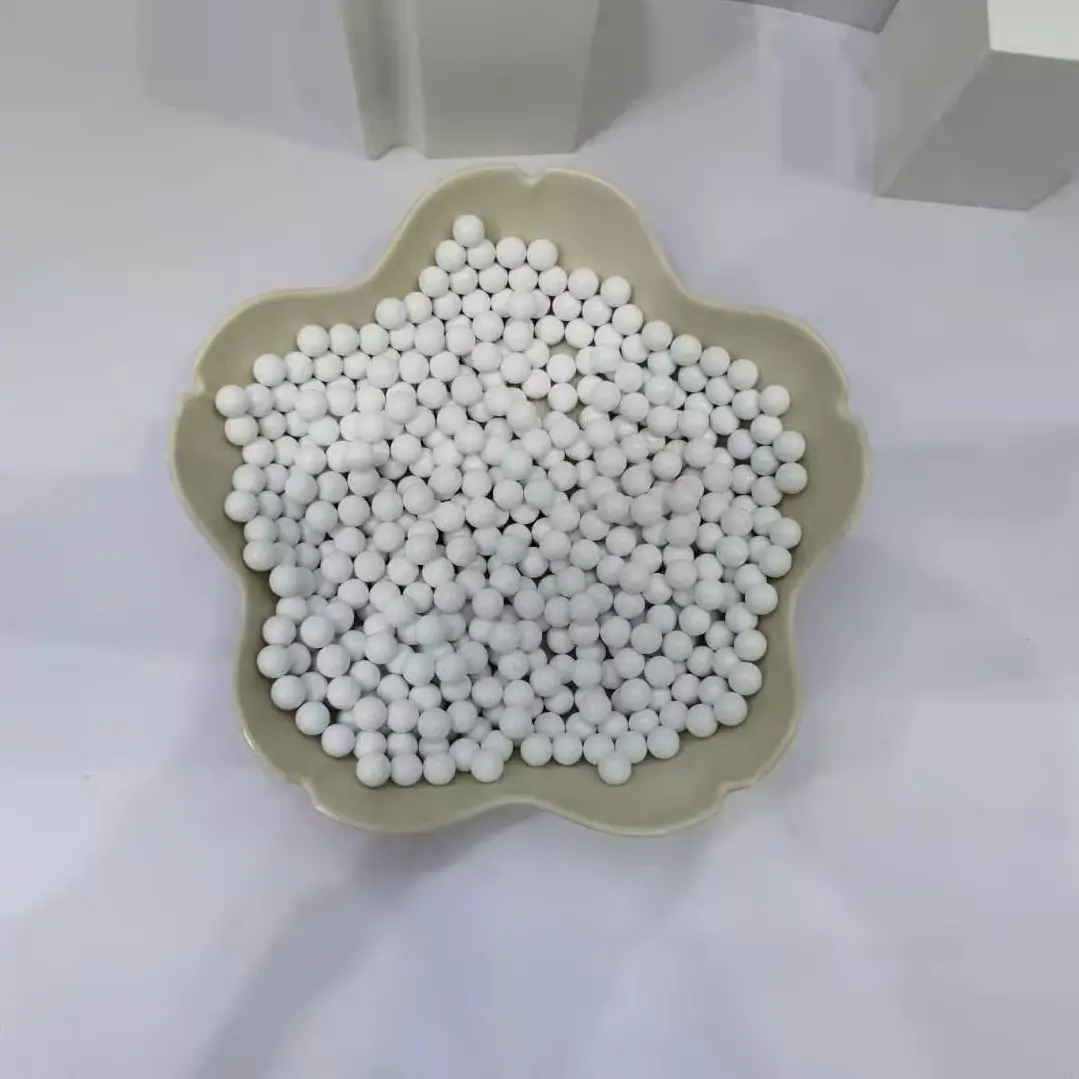
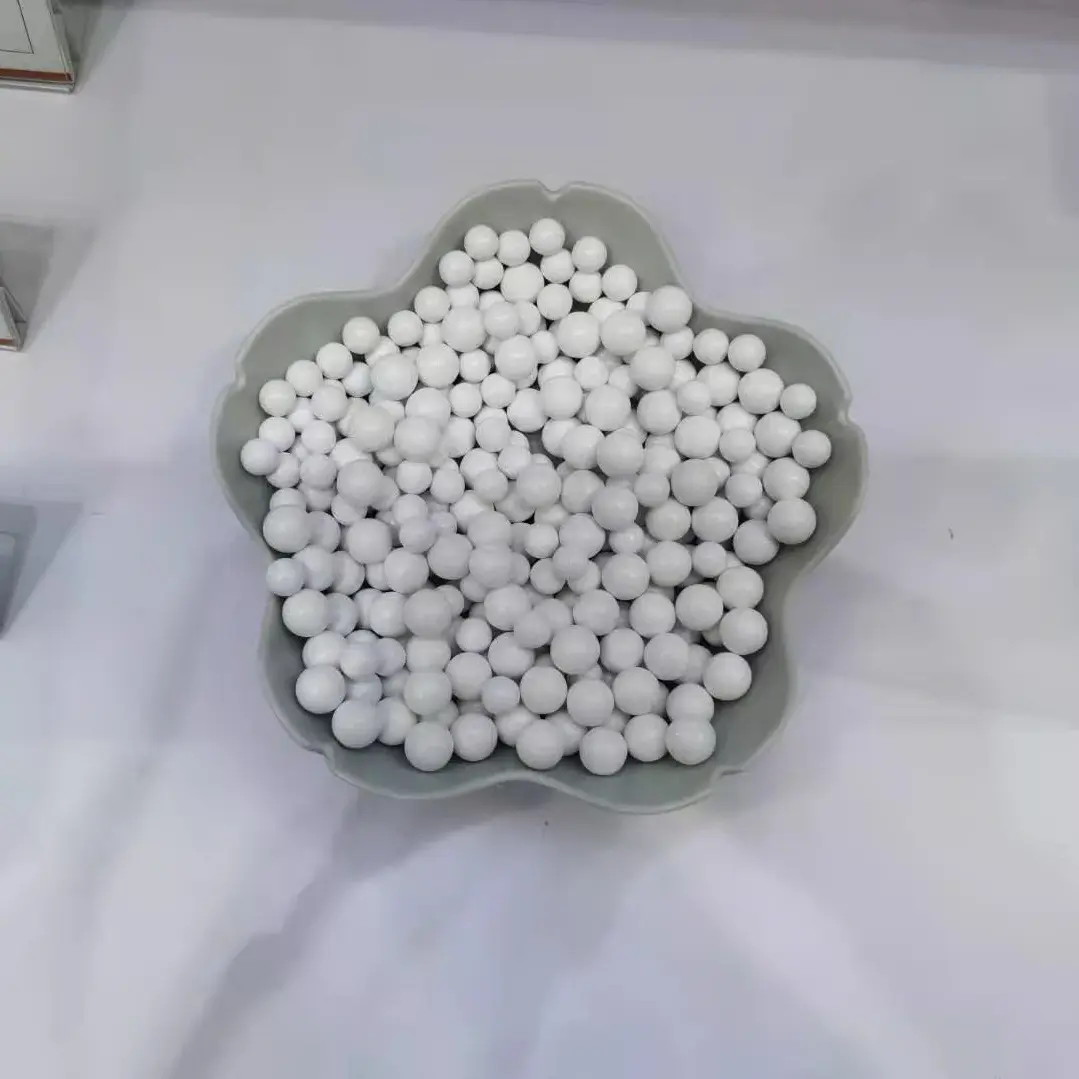
Alumina ceramic balls are made by isostatic press and sintered at high temperature by micro fine Al₂O₃ powder. The small crystal size is free from air pockets and has better wear resistance. It is ideal media for larger ball mills.
Features
More economic than zirconia ball
Higher density than glass or agate ball
Lower contamination than glass ball
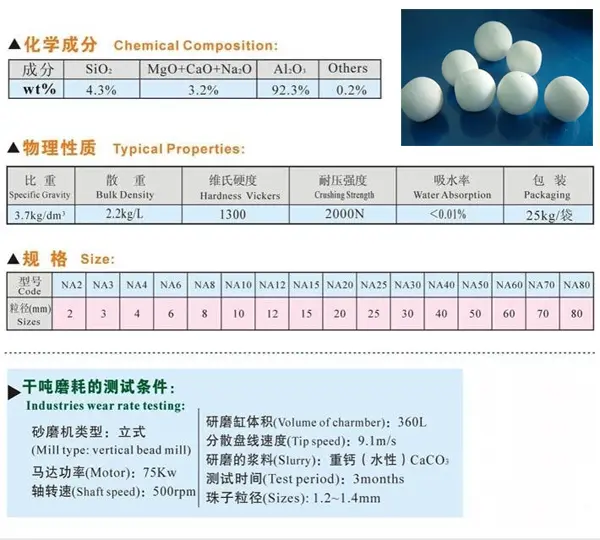
Alumina Ceramic Balls Features Chart

Frequently Asked Questions

Q What are alumina ceramic balls made of?
Alumina ceramic balls are manufactured using micro fine Al₂O₃ (aluminum oxide) powder through an isostatic pressing process, followed by high-temperature sintering. This process results in a dense, small crystal structure free from air pockets, which gives the balls superior wear resistance.
Q What is the main advantage of alumina balls over zirconia balls?
Alumina ceramic balls are significantly more economical than zirconia balls while still offering excellent wear resistance, chemical inertness, and mechanical strength. They are a cost-effective choice for large-scale grinding operations such as ball mills used in mineral and ceramic processing.
Q Can alumina ceramic balls be used as catalyst supports in reactors?
Yes. Alumina ceramic balls serve as excellent inert catalyst carrier balls in fixed-bed reactors used in petrochemical, chemical, and refinery industries. Their outstanding thermal stability, mechanical strength, and chemical inertness make them highly suitable for these demanding environments.
Q Are alumina balls suitable for pharmaceutical and chemical industry applications?
Absolutely. Alumina ceramic balls are widely used as filling media in columns and reactors and for fine grinding of chemical intermediates and pharmaceutical active ingredients. Their high corrosion resistance and purity ensure minimal contamination, which is critical in pharmaceutical manufacturing.
Q How do alumina ceramic balls compare to glass or agate balls?
Alumina ceramic balls have a higher density than glass or agate balls, which contributes to greater grinding efficiency. Additionally, they produce lower contamination compared to glass balls, making them a preferred choice for applications where product purity is essential, such as in ceramics, electronics, and pharmaceutical grinding.
Q Which industries benefit most from using alumina ceramic balls?
Alumina ceramic balls are used across a wide range of industries including mining and mineral processing, ceramics, paints and coatings, electronics, petrochemicals, and pharmaceutical manufacturing. Their versatility in both grinding media and catalyst support roles makes them one of the most widely adopted ceramic grinding solutions globally.

Related Products