1 / 3

Alumina ceramics (Al₂O₃) are among the most widely used advanced ceramic materials due to their excellent combination of electrical, thermal, mechanical, and chemical properties. Known for high hardness, outstanding wear resistance, strong electrical insulation, and good thermal conductivity, alumina ceramics deliver stable and reliable performance across a broad range of demanding applications. Their cost-effectiveness and processability further contribute to their popularity in both high-volume industrial uses and precision-engineered components.
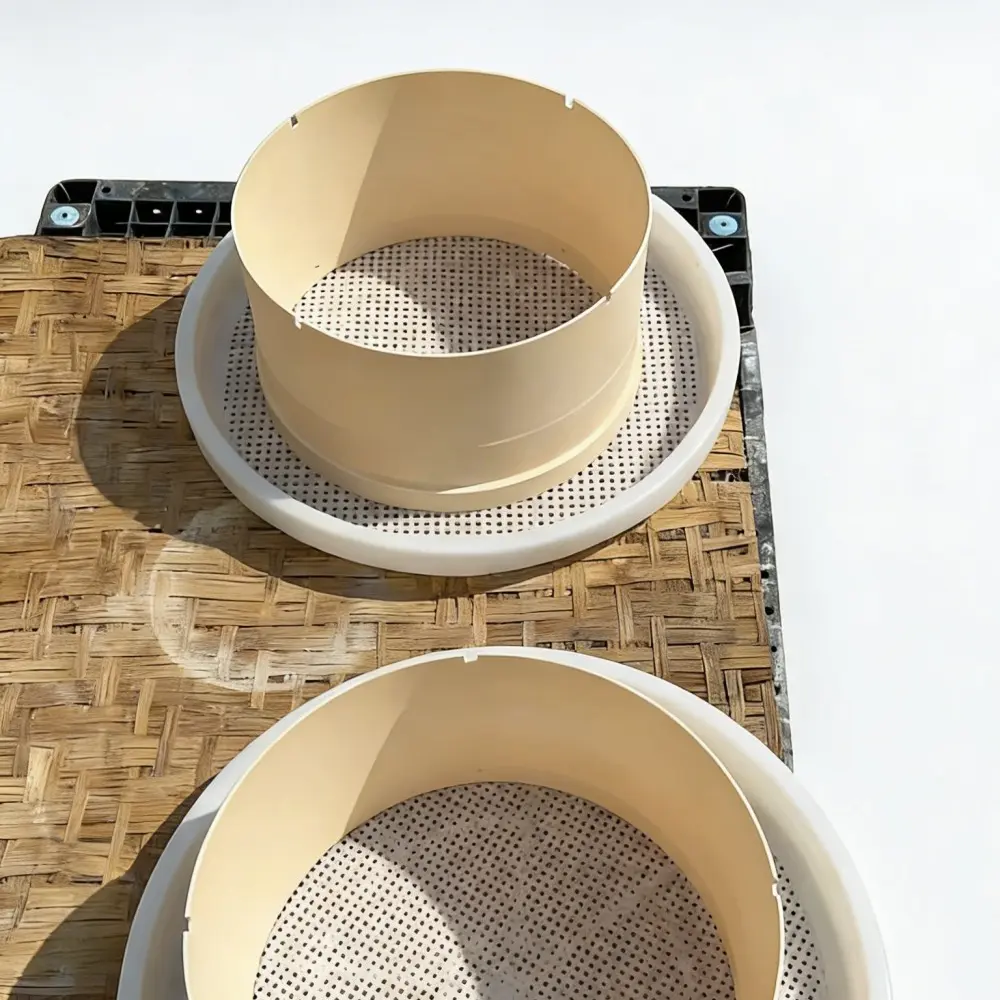
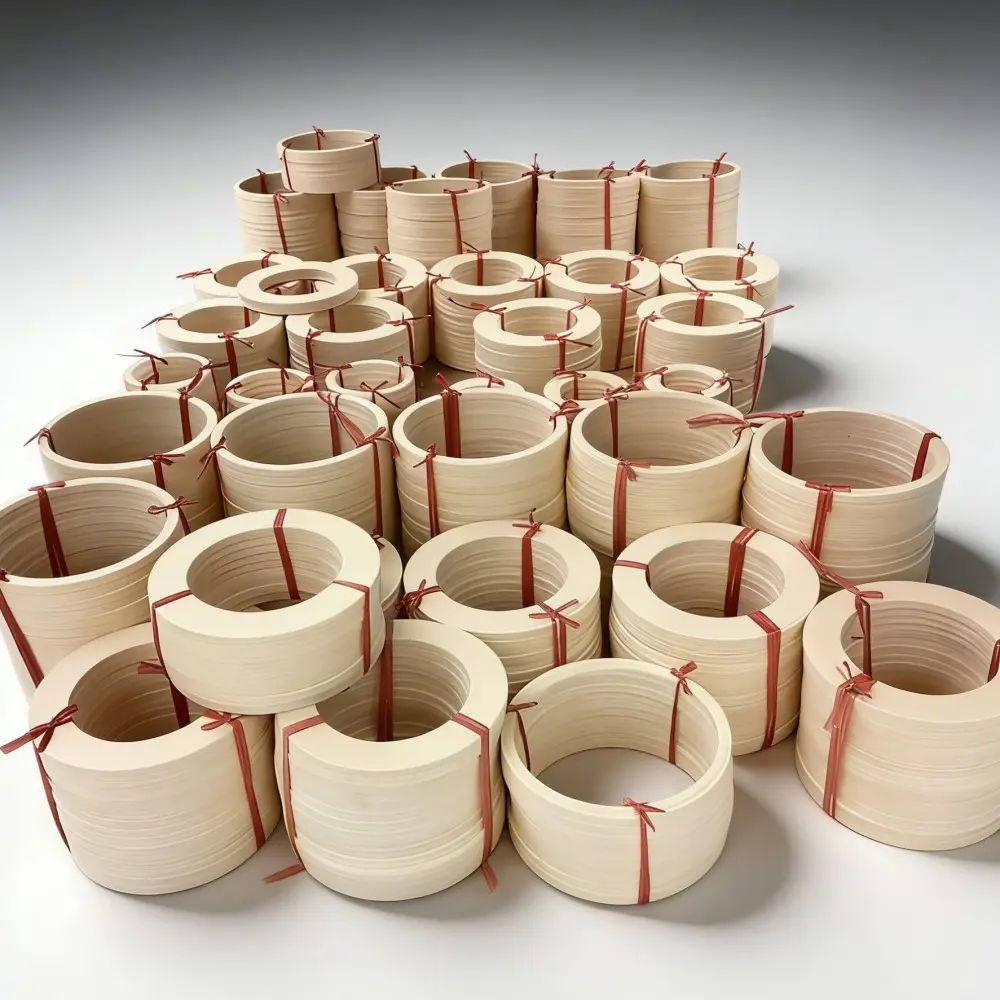
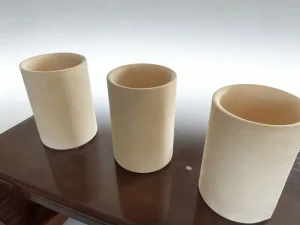
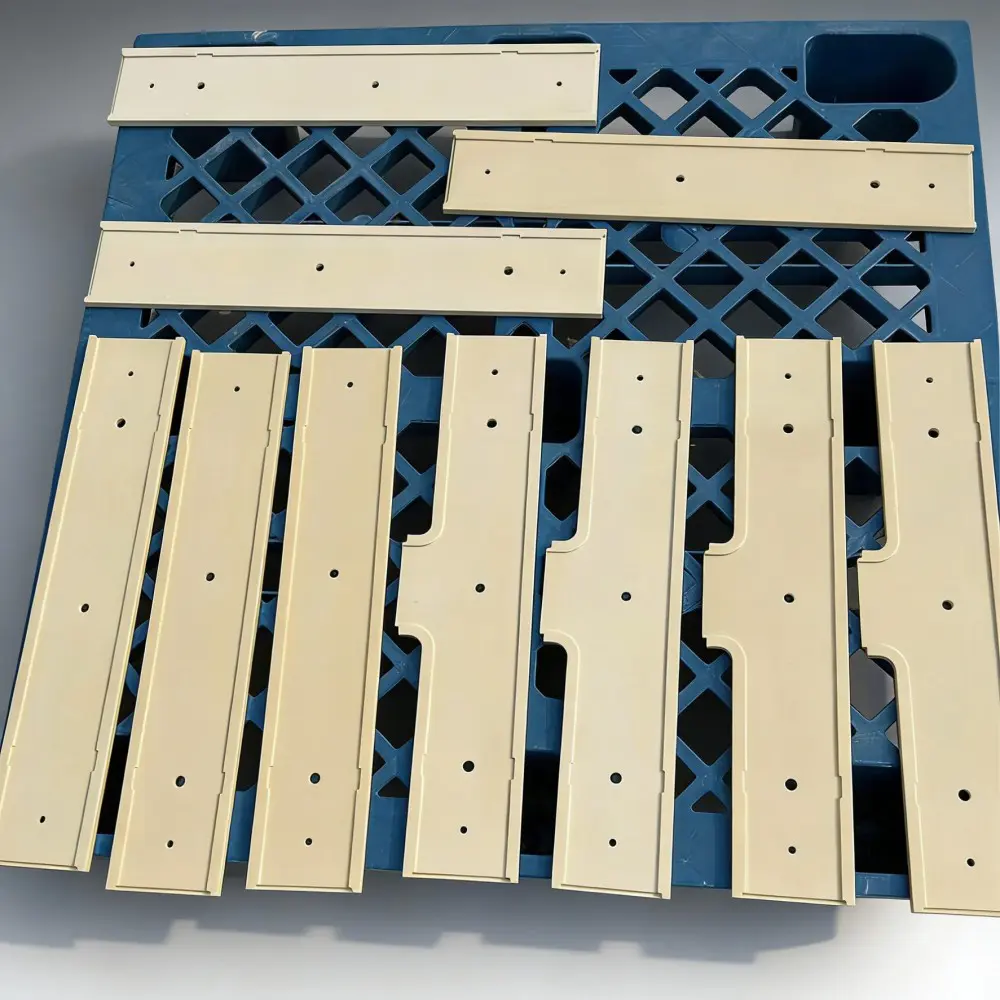
In the electronics industry, alumina ceramics are extensively used for electronic components and substrates. Their excellent electrical insulation properties, coupled with a thermal expansion coefficient closely matched to silicon, make them ideal for electronic substrates, chip packaging, and insulating tubes. At the same time, their relatively high thermal conductivity allows effective heat dissipation, which is critical for maintaining the reliability and lifespan of electronic devices. As a result, alumina ceramics are widely applied in microelectronics, power electronics, and communication equipment.
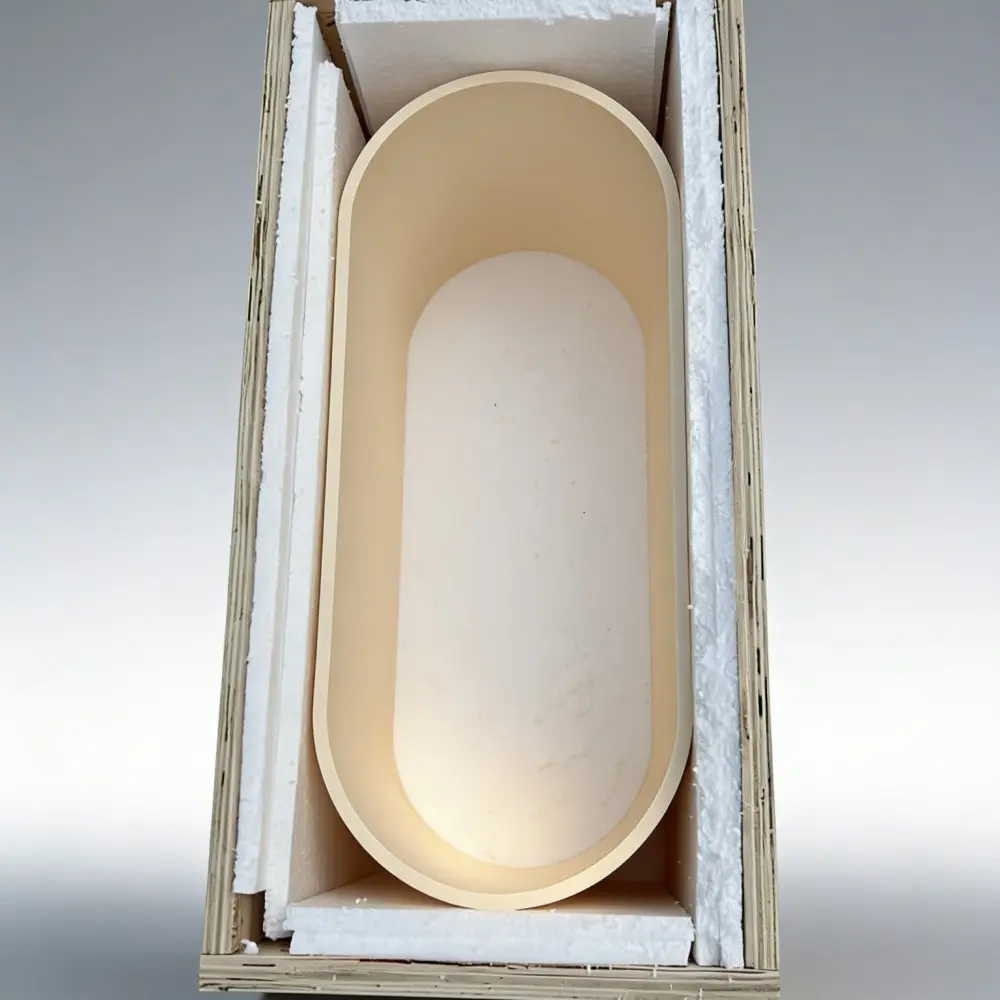
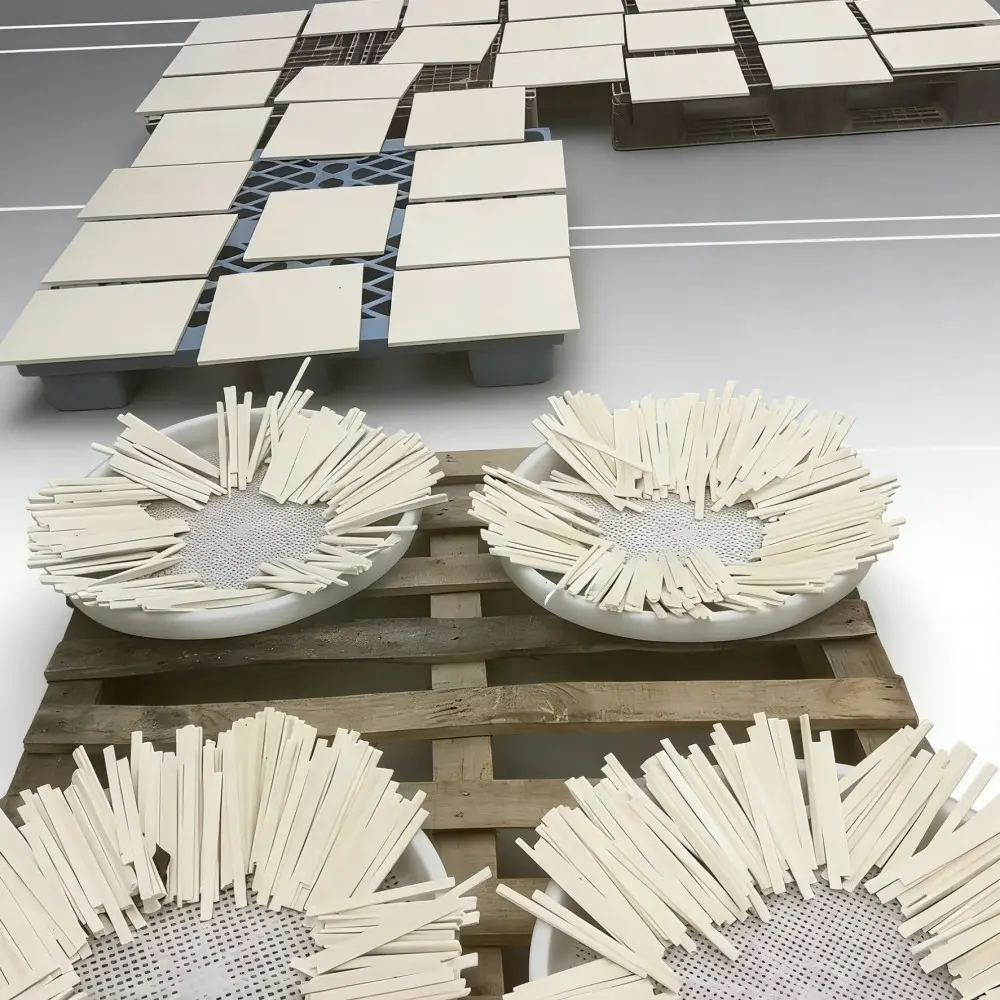
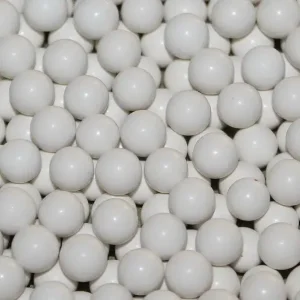
Alumina ceramics also play a crucial role in industrial applications that demand exceptional wear resistance and mechanical durability. Thanks to their extreme hardness and resistance to abrasion, they are commonly used to manufacture mechanical seals, wear-resistant liners, nozzles, and grinding media. These components can operate reliably under high loads, corrosive environments, and continuous friction, significantly extending service life and reducing maintenance costs in harsh working conditions.
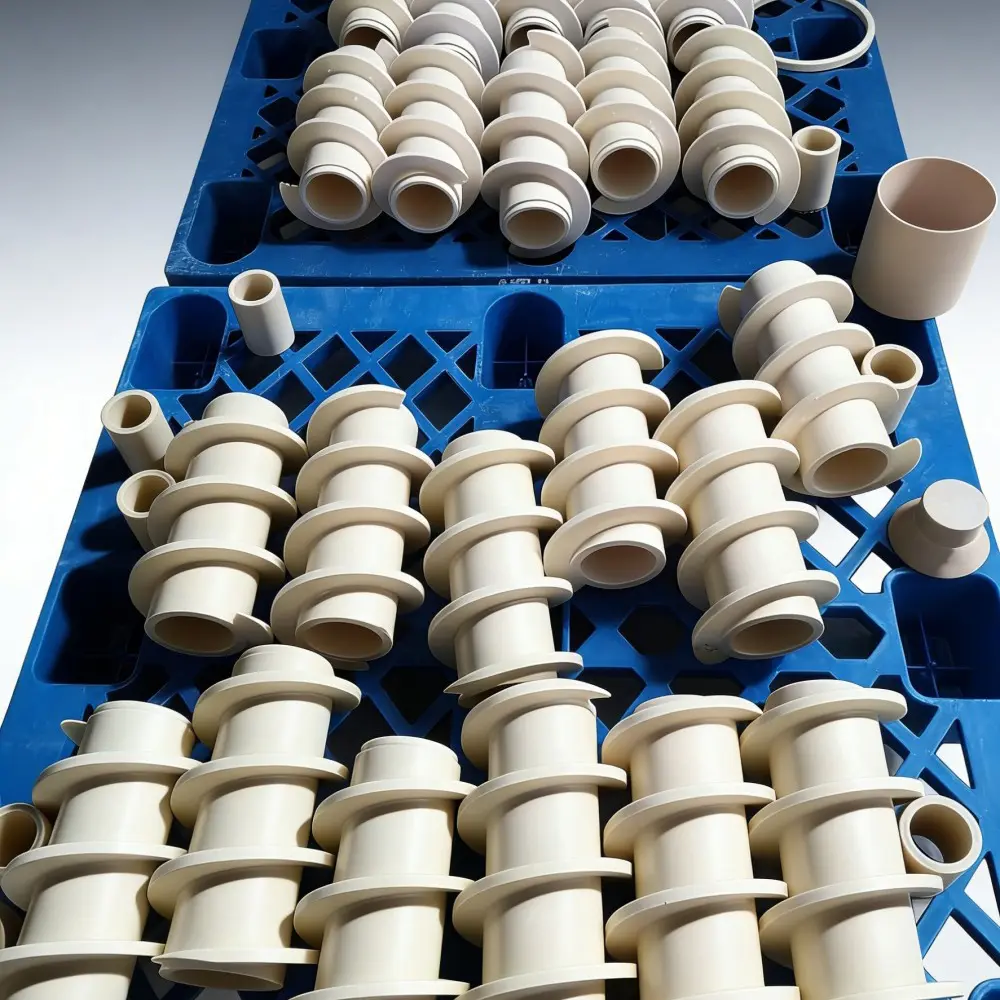
In addition, high-purity alumina ceramics are increasingly used in biomedical applications. Their excellent biocompatibility, high strength, and resistance to corrosion make them suitable for orthopedic implants such as artificial hip and knee joints. These properties ensure long-term stability and safety inside the human body, supporting reliable performance in demanding medical environments.
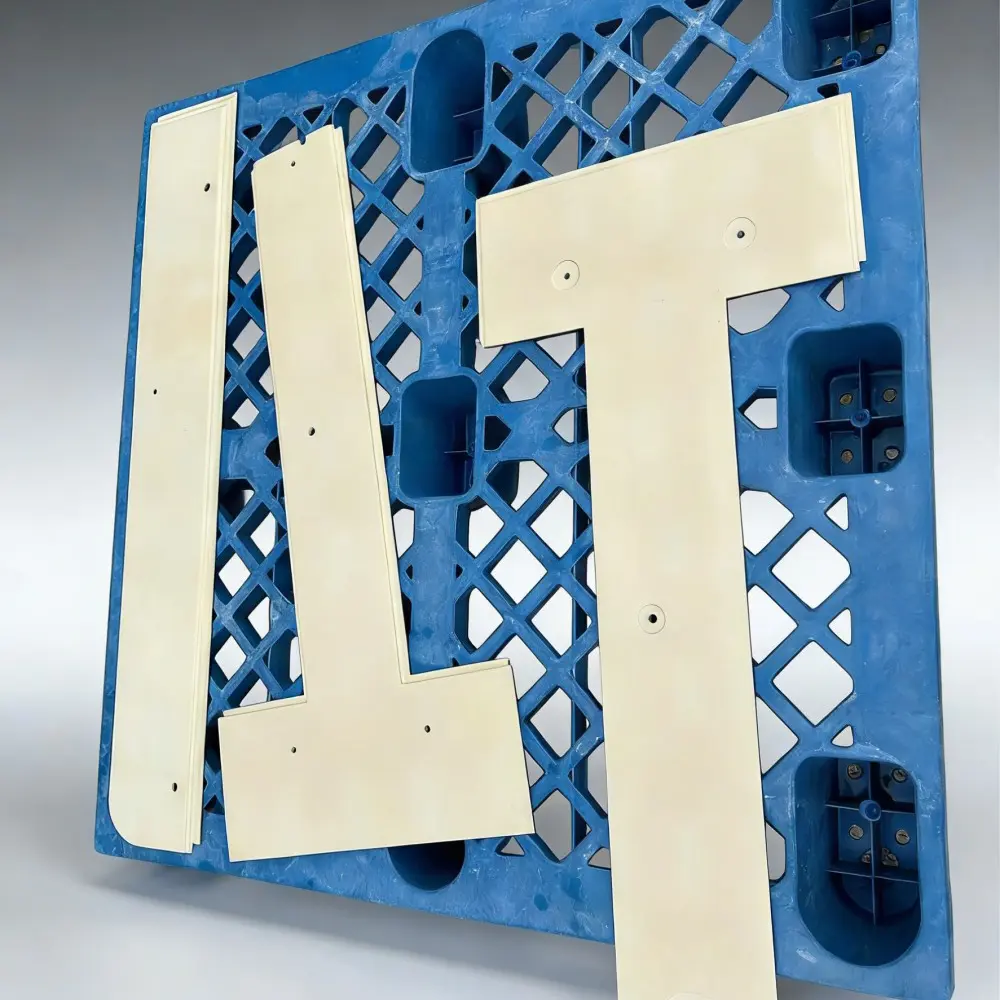
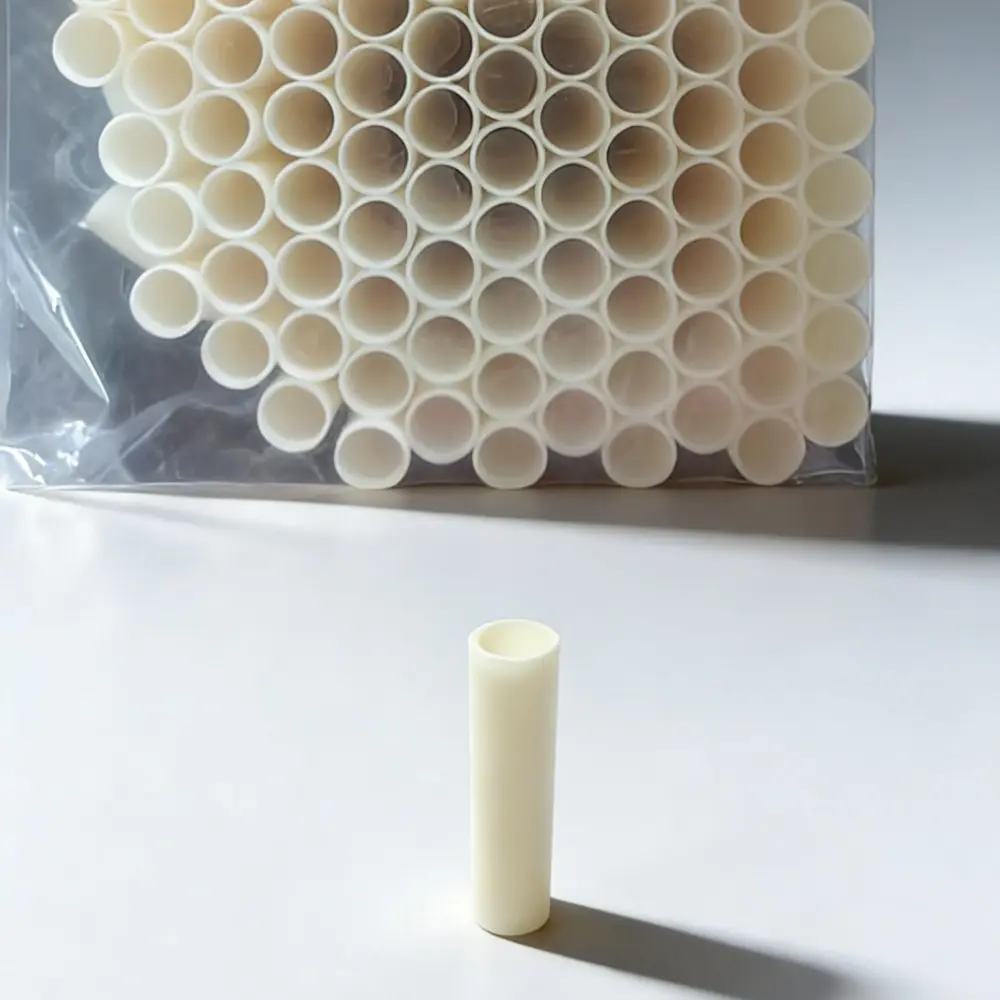
Alumina ceramics (Al₂O₃) are characterized by extremely high hardness, excellent wear and abrasion resistance, strong electrical insulation, high thermal conductivity, and superb chemical stability against acids and alkalis.
Due to its outstanding electrical insulation and a thermal expansion coefficient that closely matches silicon, alumina is ideal for substrates and semiconductor packaging. It also provides efficient heat dissipation to maintain device reliability.
It performs exceptionally well. Its high mechanical hardness and resistance to erosion make it standard for mechanical seals, wear-resistant liners, nozzles, and grinding media, significantly extending equipment lifespan under high-friction conditions.
Yes, high-purity alumina ceramics are highly biocompatible, non-toxic, and resistant to corrosion within the human body. This makes them ideal for orthopedic implants, such as artificial hip joint balls and sockets.
Technical alumina ceramics typically range from 95% to 99.9% purity. Higher purity levels are generally chosen for demanding electronic or medical applications that require superior electrical properties and biocompatibility.