1 / 3

YSZ is best known as the standard material for thermal barrier coatings (TBCs) in gas turbines and jet engines. When applied as a top coating on superalloy components, YSZ’s extremely low thermal conductivity and high-temperature phase stability protect metallic substrates from excessive heat, significantly improving engine efficiency, durability, and service life. These advantages have made YSZ an indispensable material in the aerospace and power generation industries.
Another key application of YSZ powder is in solid oxide fuel cells (SOFCs), where it serves as the preferred electrolyte material. At elevated operating temperatures, YSZ exhibits high oxygen-ion conductivity while remaining electronically insulating, enabling efficient electrochemical reactions and stable power generation. In addition, YSZ is widely used in oxygen sensors, particularly lambda sensors for automotive exhaust systems and industrial furnaces, where its oxygen-ion transport capability allows precise monitoring and control of combustion processes to improve efficiency and reduce emissions.
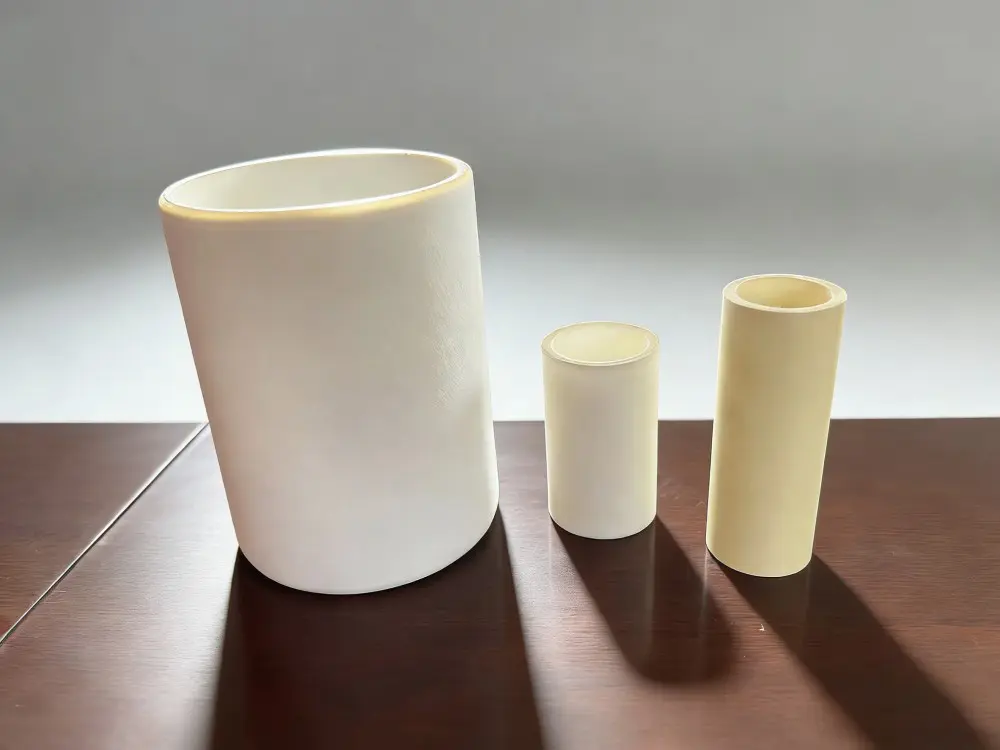
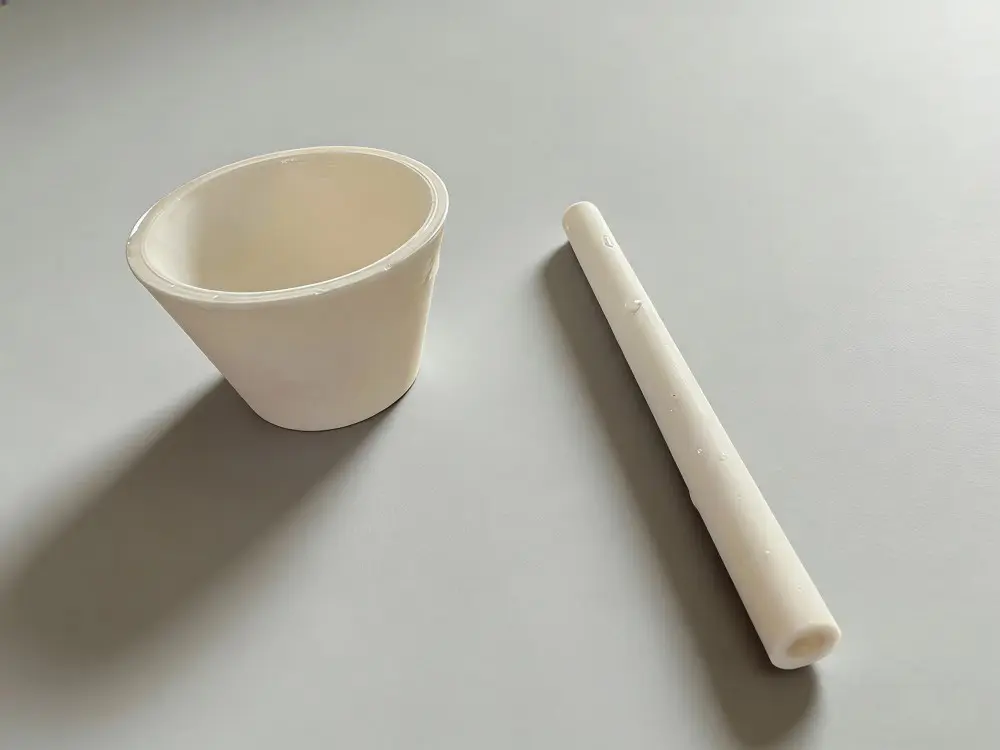
Another key application of YSZ powder is in solid oxide fuel cells (SOFCs), where it serves as the preferred electrolyte material. At elevated operating temperatures, YSZ exhibits high oxygen-ion conductivity while remaining electronically insulating, enabling efficient electrochemical reactions and stable power generation. In addition, YSZ is widely used in oxygen sensors, particularly lambda sensors for automotive exhaust systems and industrial furnaces, where its oxygen-ion transport capability allows precise monitoring and control of combustion processes to improve efficiency and reduce emissions.
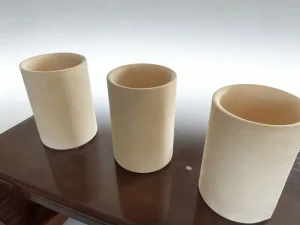
Beyond these primary applications, YSZ is also utilized in advanced structural ceramics, dental restorations, and wear-resistant components, benefiting from its strength, toughness, and long-term stability.
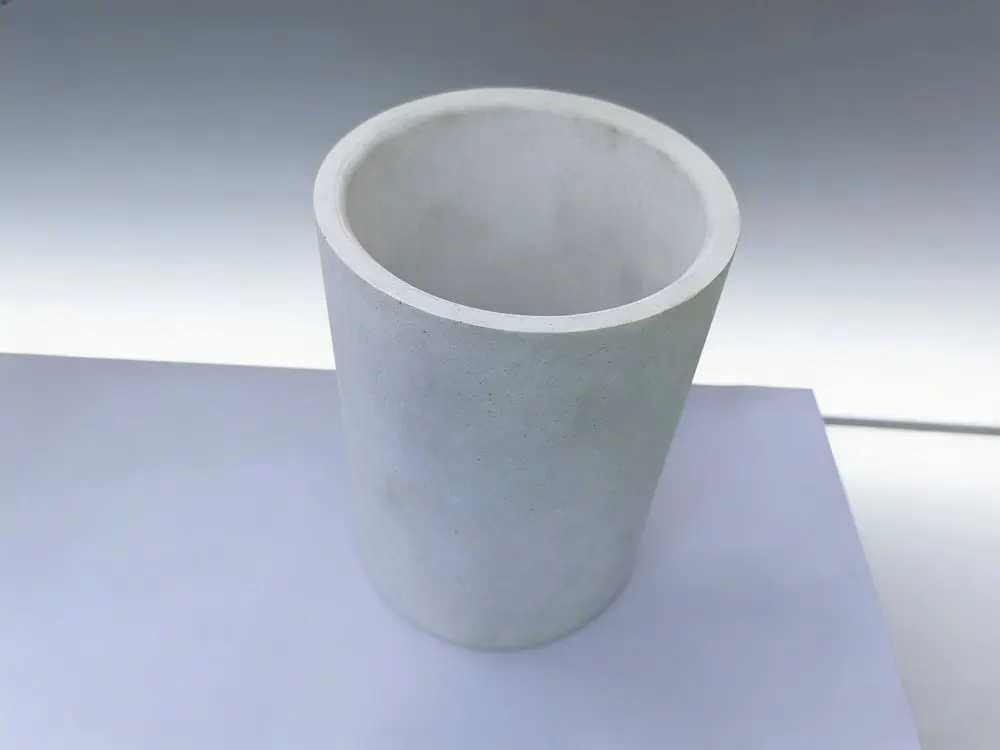
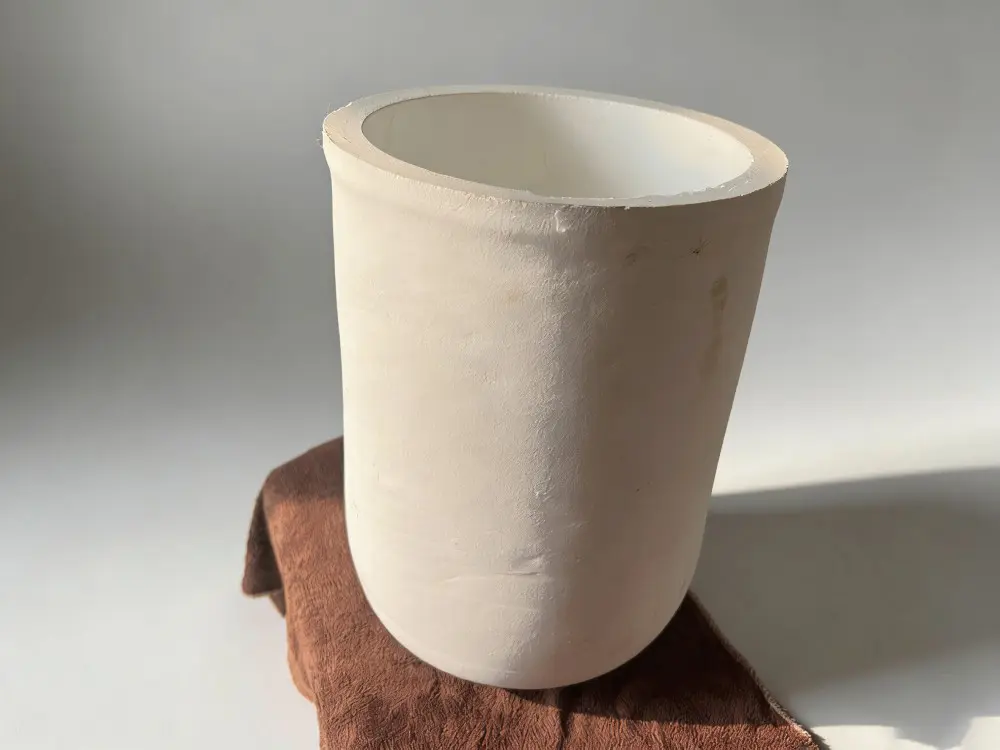
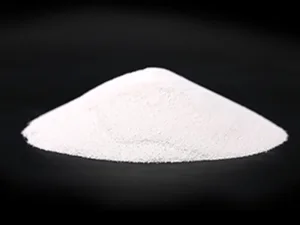
Our YSZ (Y-PSZ) powder is produced using a self-propagating hydrolysis process, ensuring high purity, uniform particle size distribution, and excellent sintering performance. By precisely controlling the yttria (Y₂O₃) content, we can supply different grades of Y-PSZ powder, with 3Y-PSZ as the standard product. Both compacted and non-compacted forms are available to meet customer requirements. The physical properties of our powders are suitable for a wide range of forming processes, including dry pressing, isostatic pressing, injection molding, tape casting, and slip casting, providing customers with flexible and reliable processing solutions.
YSZ features extremely low thermal conductivity and high-temperature phase stability. When applied to superalloy components, it effectively protects metallic substrates from excessive heat, thereby improving engine efficiency and service life.
YSZ acts as the preferred electrolyte material in SOFCs. At high operating temperatures, it exhibits high oxygen-ion conductivity while remaining electronically insulating, which enables efficient electrochemical reactions.
Due to its oxygen-ion transport capabilities, YSZ is widely used in lambda sensors for automotive exhaust systems and industrial furnaces. It allows for the precise monitoring and control of combustion processes to reduce emissions.
Beyond coatings and sensors, YSZ is used in advanced structural ceramics, dental restorations, and wear-resistant components due to its superior strength, toughness, and long-term stability.
Our Y-PSZ powder is produced via a self-propagating hydrolysis process to ensure high purity and uniform particle size. We offer different grades by controlling the yttria (Y₂O₃) content, with 3Y-PSZ as our standard product in both compacted and non-compacted forms.
Our powders are designed for a wide range of forming processes, including dry pressing, isostatic pressing, injection molding, tape casting, and slip casting.