User
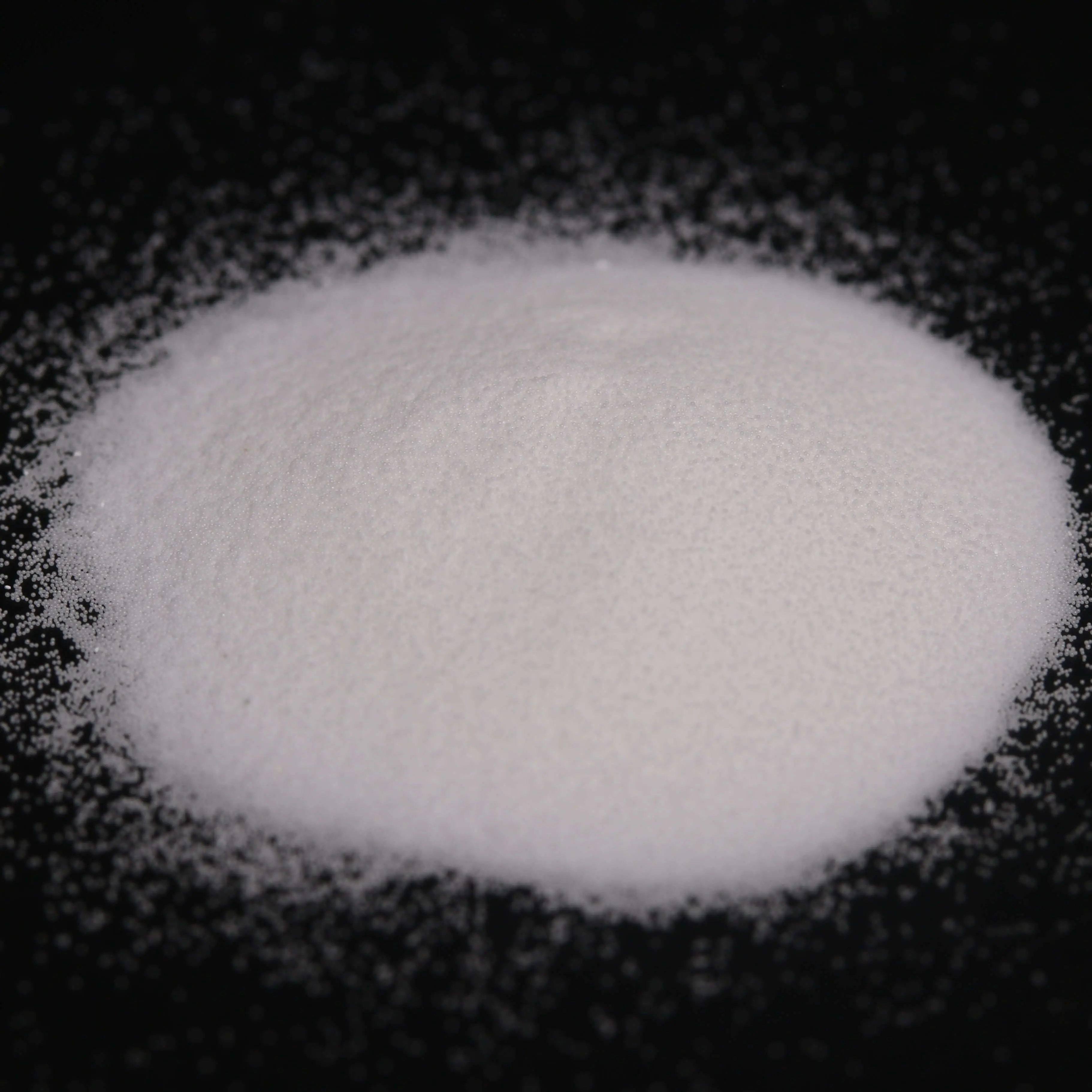
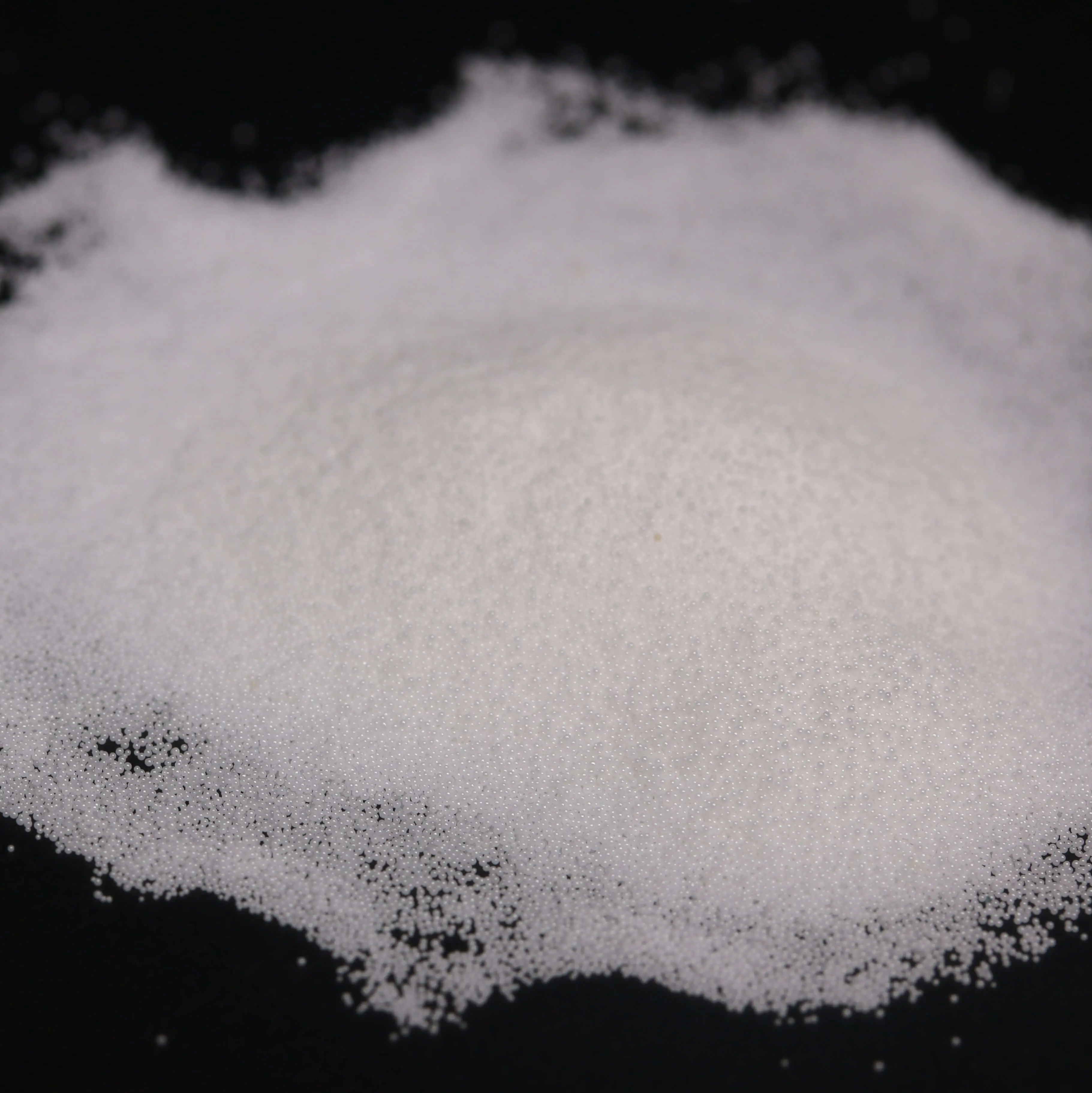
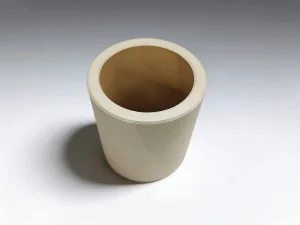
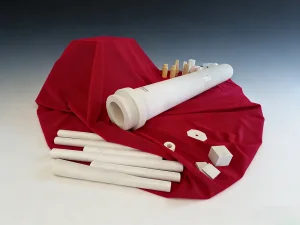
Materials for grinding and dispersing, structural ceramics, electronics ceramics, refractory ceramics, magnetic material, metallurgy, medicine, food, cosmetics, textiles, printing and dyeing, pigment and other industries.
Frequently Asked Questions (FAQ)
Q
What are zirconia ceramic beads used for?
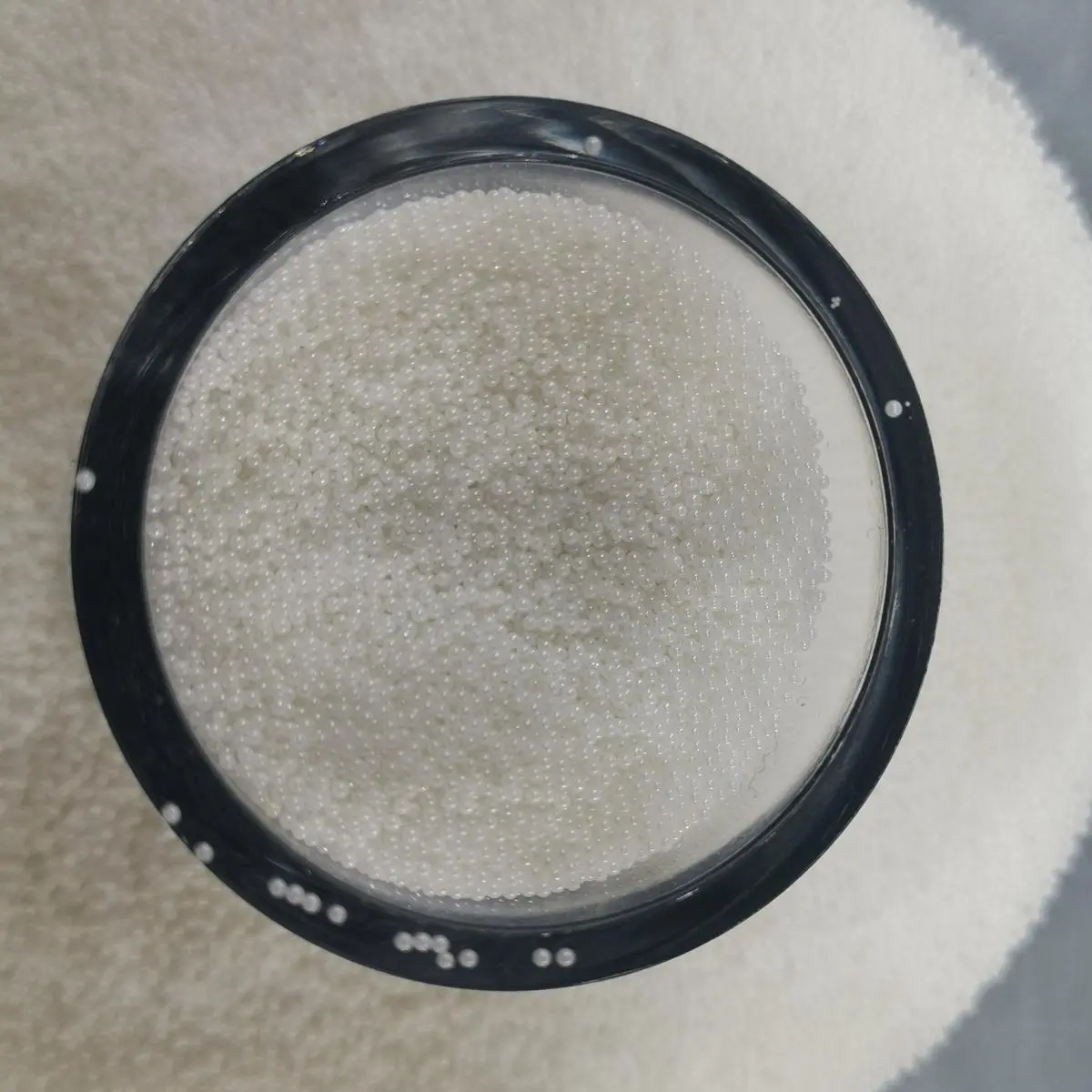
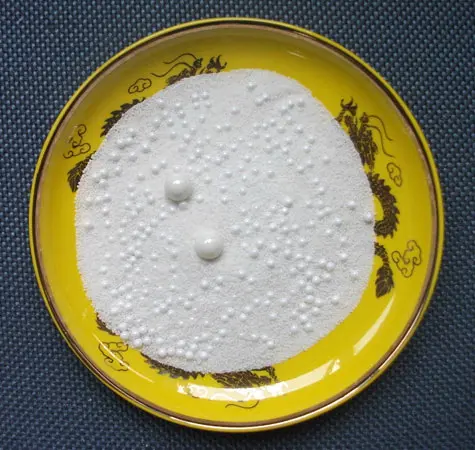
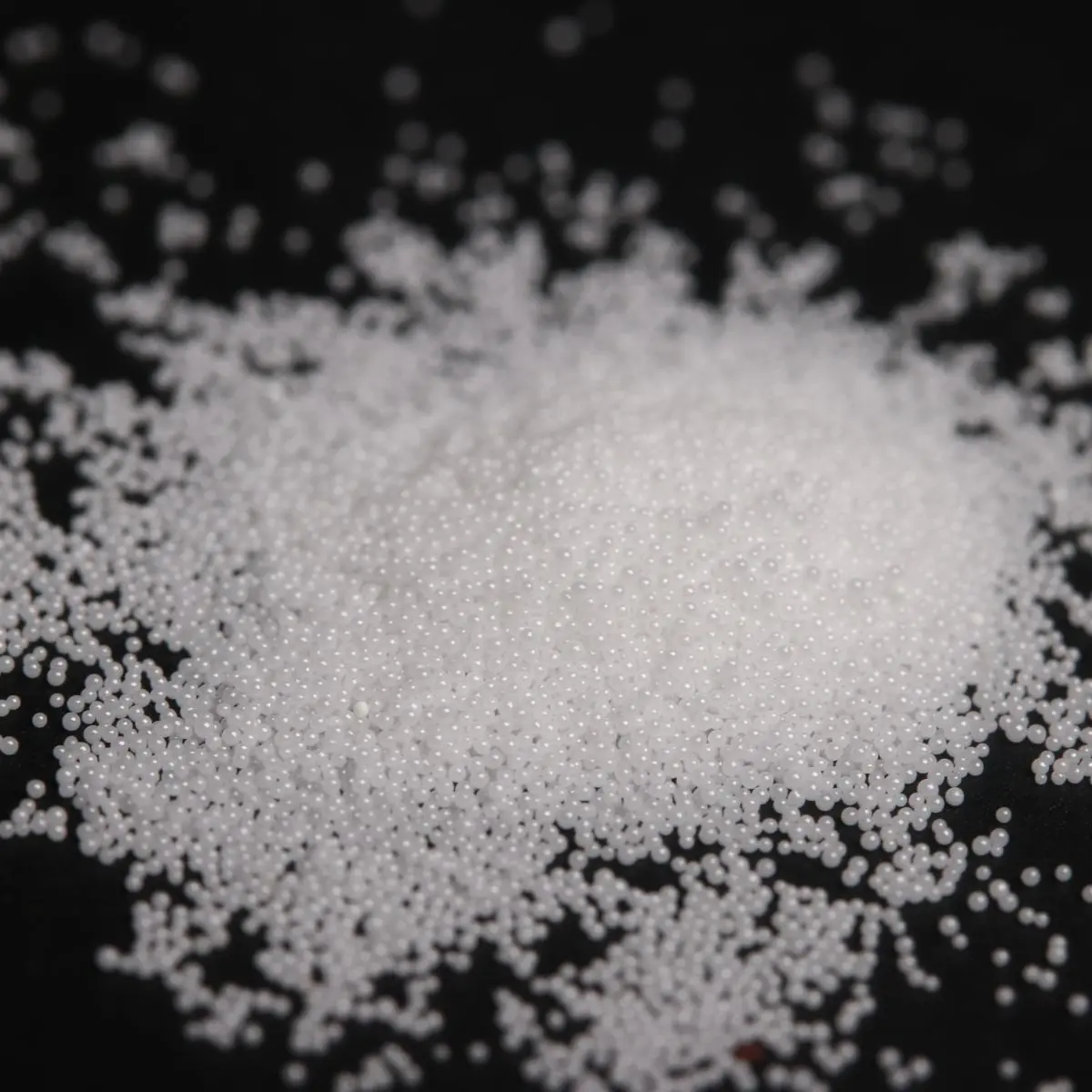
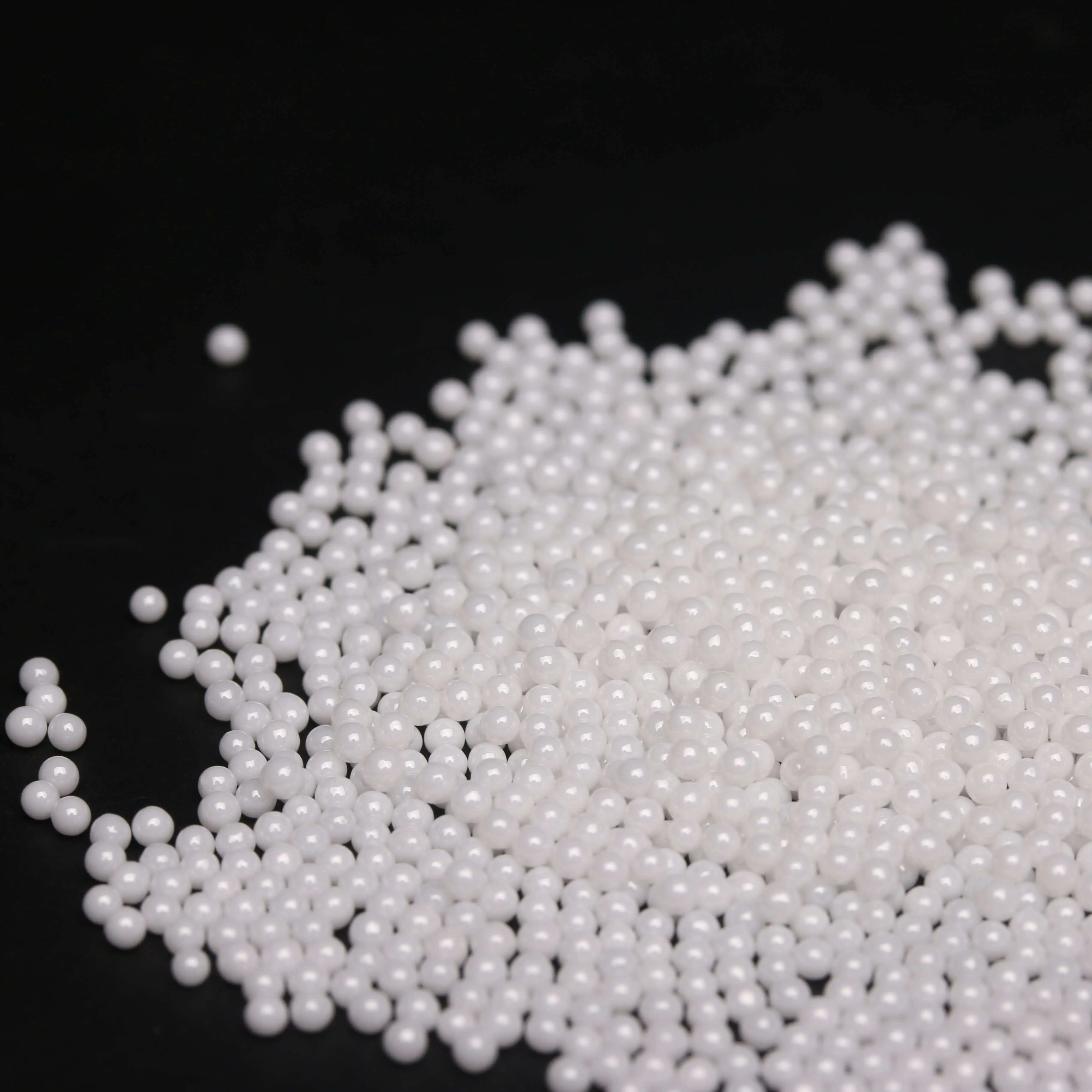
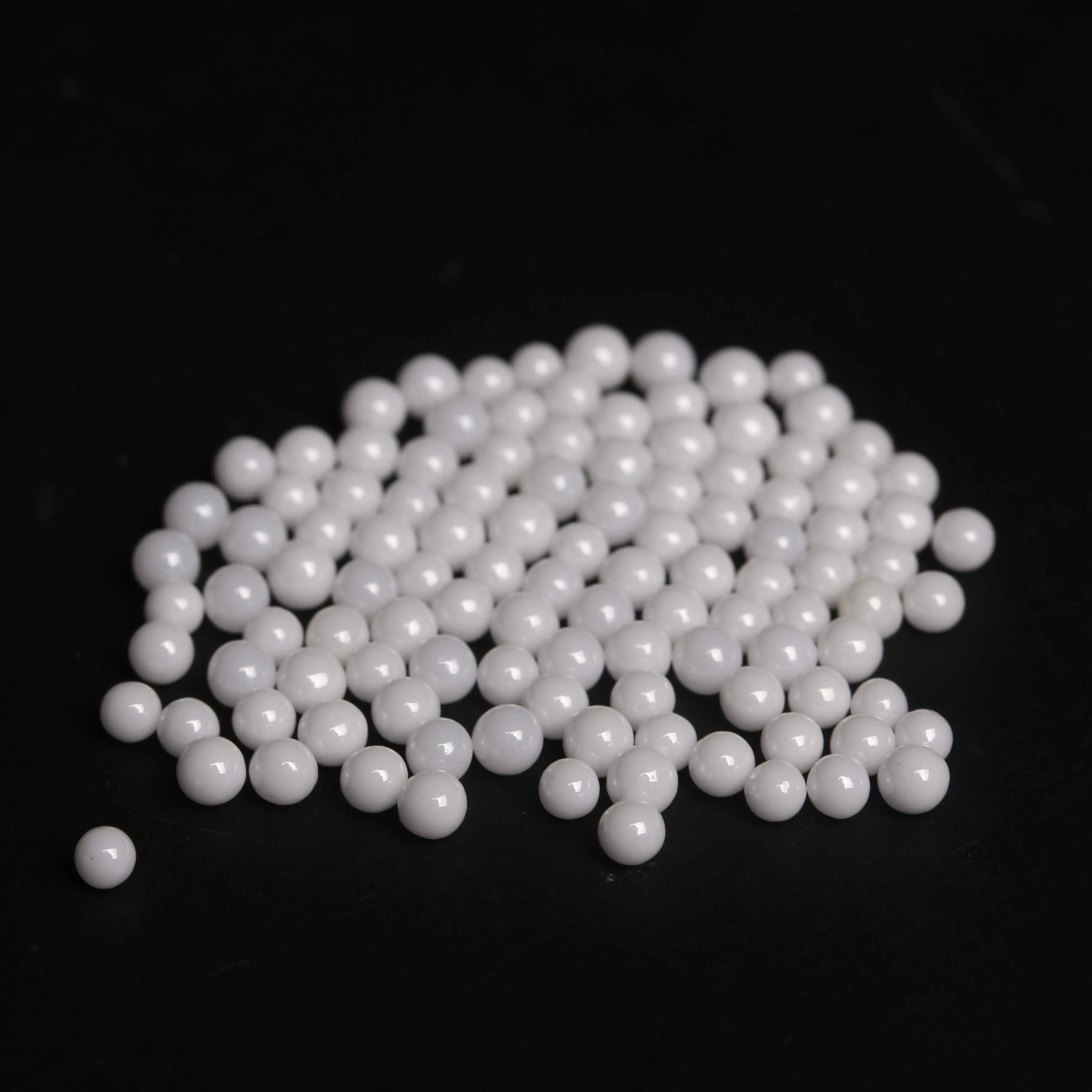
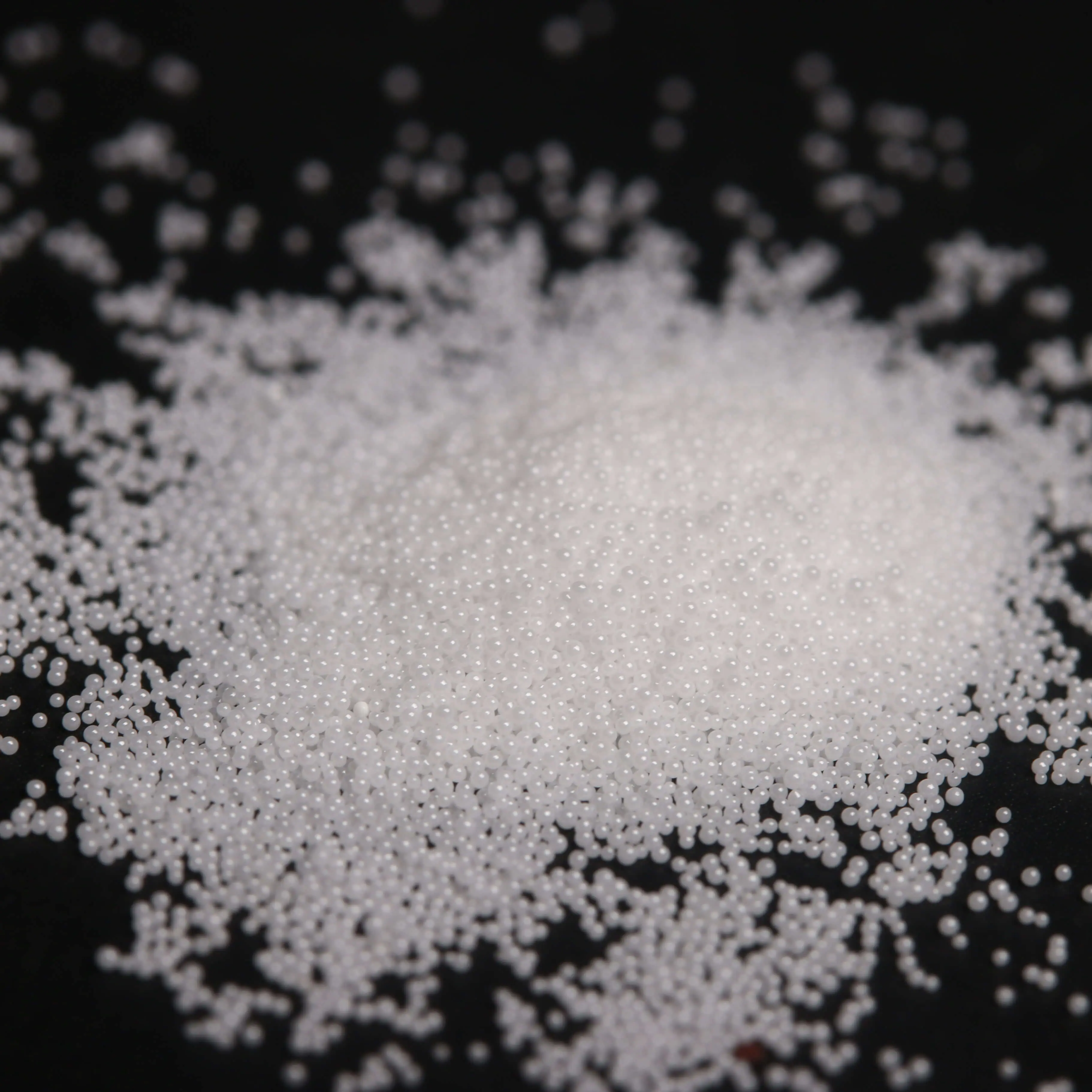
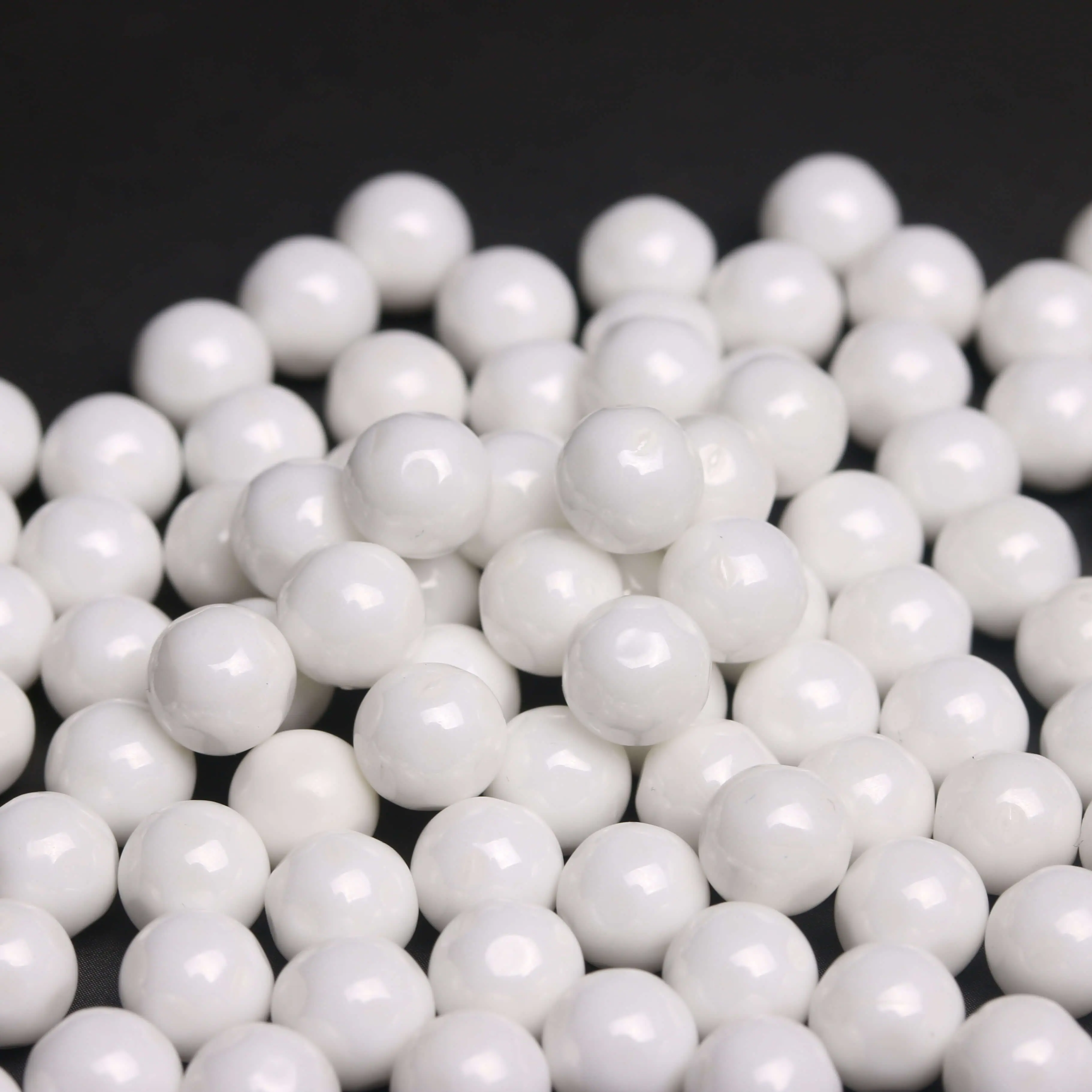
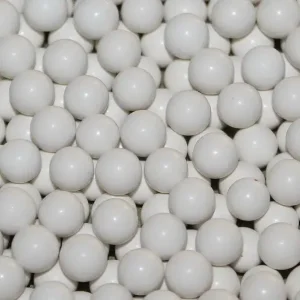
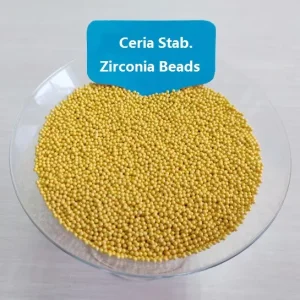
Zirconia ceramic beads are widely used for grinding and dispersing in industries such as paints & coatings, inks, battery materials, minerals, agrochemicals, pharmaceuticals, food, and electronic materials. Their high density and hardness make them ideal for ultra-fine milling applications.
Q
What is the composition of Yttria Stabilized Zirconia beads?
Yttria Stabilized Zirconia beads are composed of 94.5% ZrO₂ and 5.25% Y₂O₃ by weight. This composition provides exceptional toughness, hardness, and wear resistance compared to standard grinding media.
Q
What sizes are available for zirconia ceramic beads?
Zirconia ceramic beads are available in a wide range of sizes from Φ0.1mm up to Φ55mm, covering applications from ultra-fine nano-grinding to larger-scale milling processes. Custom sizes can also be arranged based on specific requirements.
Q
Why are zirconia beads preferred over other grinding media?
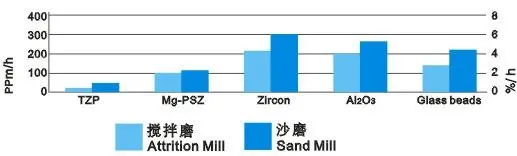
Zirconia beads offer significantly lower wear rates compared to glass, alumina, or steel grinding media. This results in minimal contamination of the ground material, higher grinding efficiency, and longer service life — ultimately reducing overall production costs.
Q
Are zirconia ceramic beads suitable for pharmaceutical and food applications?
Yes. Due to their extremely low wear rate and high chemical inertness, zirconia ceramic beads are suitable for fine grinding and homogenization in pharmaceutical and food applications where high purity and contamination-free processing are essential.
Q
What is the hardness and specific density of zirconia beads?
Zirconia ceramic beads have a Vickers hardness greater than 8.5 GPa and a specific density of ≥6.02 g/cm³. These properties ensure high impact resistance, efficient energy transfer during grinding, and long-lasting performance under demanding conditions.