Main Applications of Zirconia Ceramic Beads
🎨 1. Paints & Coatings
Used for high-efficiency dispersion and grinding of pigments, paints, automotive coatings, and architectural coatings to achieve optimal color consistency and fineness.
🖨️ 2. Inks
Essential for producing high-quality printing inks (gravure, flexographic, screen printing), ensuring uniform particle distribution and smooth flow properties.
Application
🔋 3. Battery Materials
Critical for grinding and dispersing cathode materials (e.g., lithium iron phosphate, ternary materials), anodes, and solid-state electrolytes in lithium-ion battery production.
⛏️ 4. Minerals & Mining
Applied in wet grinding of non-metallic minerals such as calcium carbonate, kaolin, and titanium dioxide.
Application
🌿 5. Agrochemicals
Used for producing high-performance pesticide suspensions, fungicides, and herbicides with stable particle size.
💊 6. Pharmaceuticals & Food
Utilized for fine grinding and homogenization of pharmaceutical ingredients, health supplements, and food products where high purity is required.
⚡ 7. Electronic Materials
Employed in grinding ceramic powders, electronic pastes, and magnetic materials for advanced electronic components.
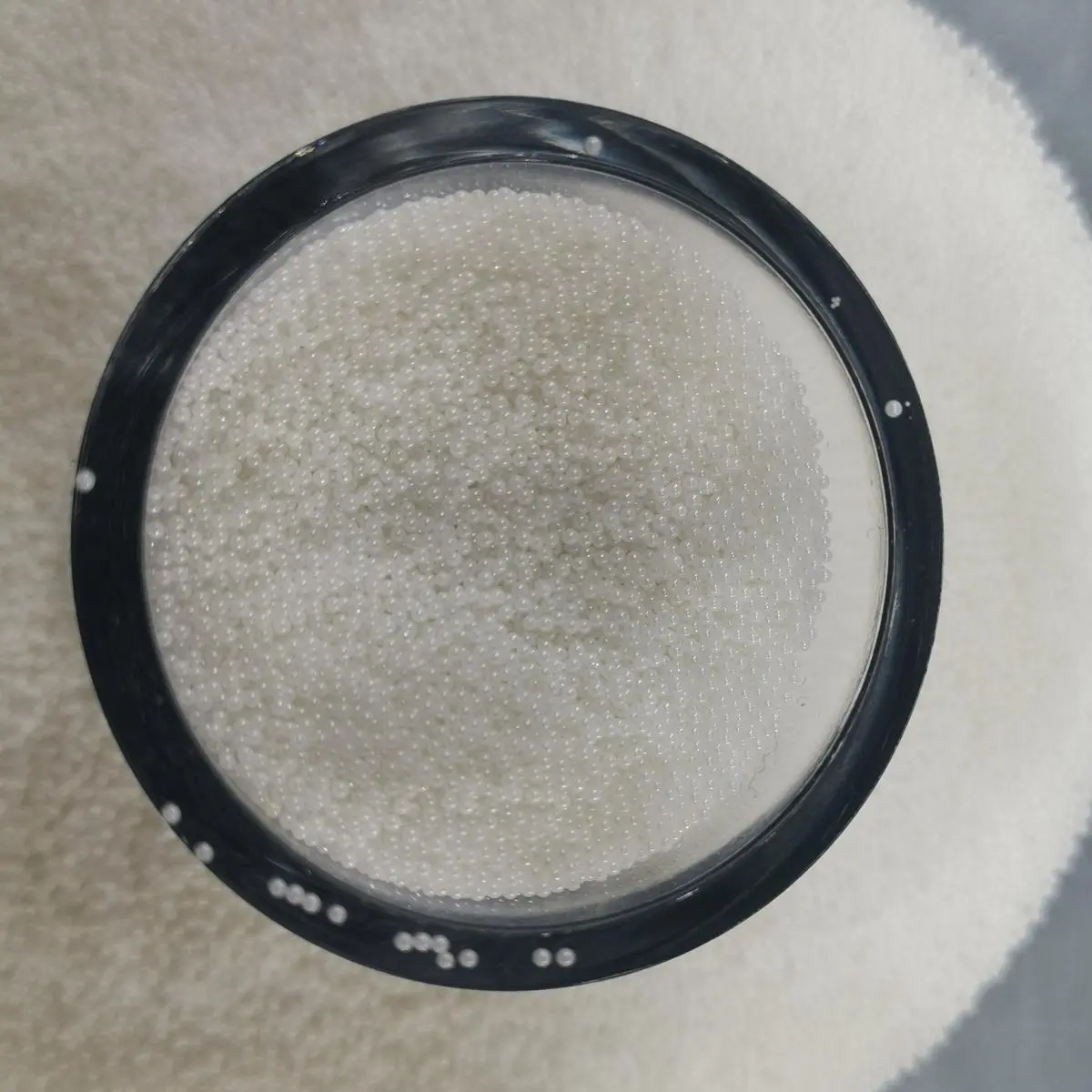
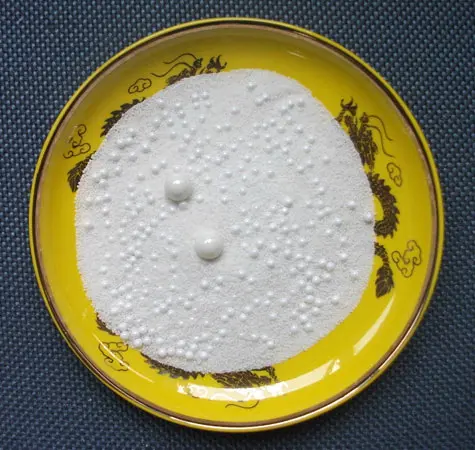
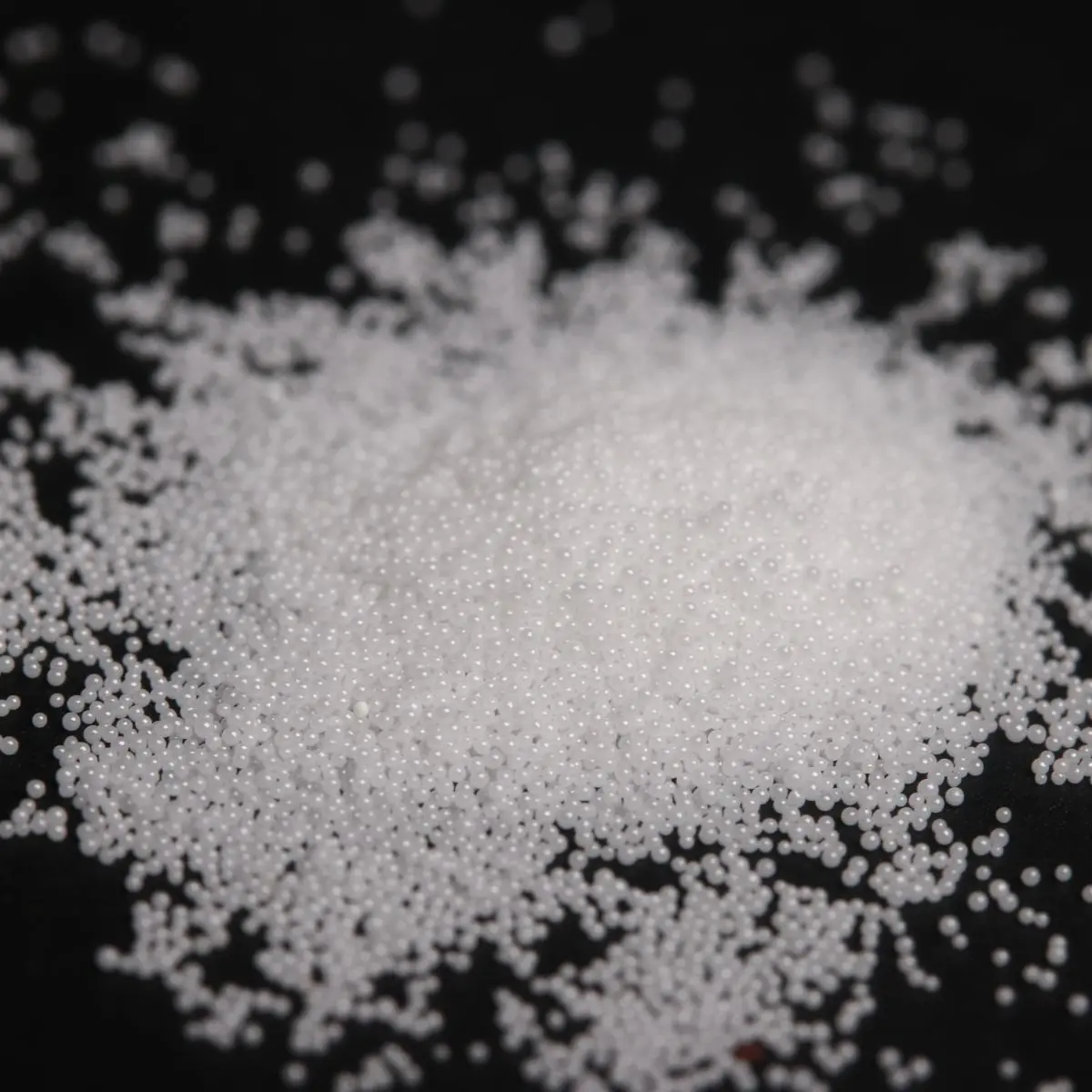
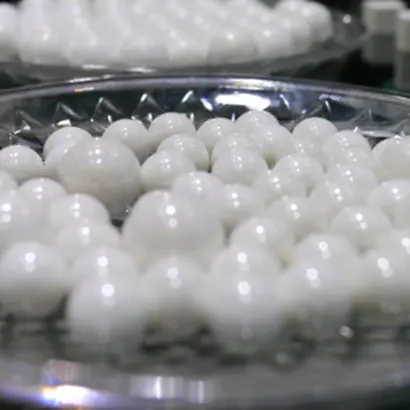
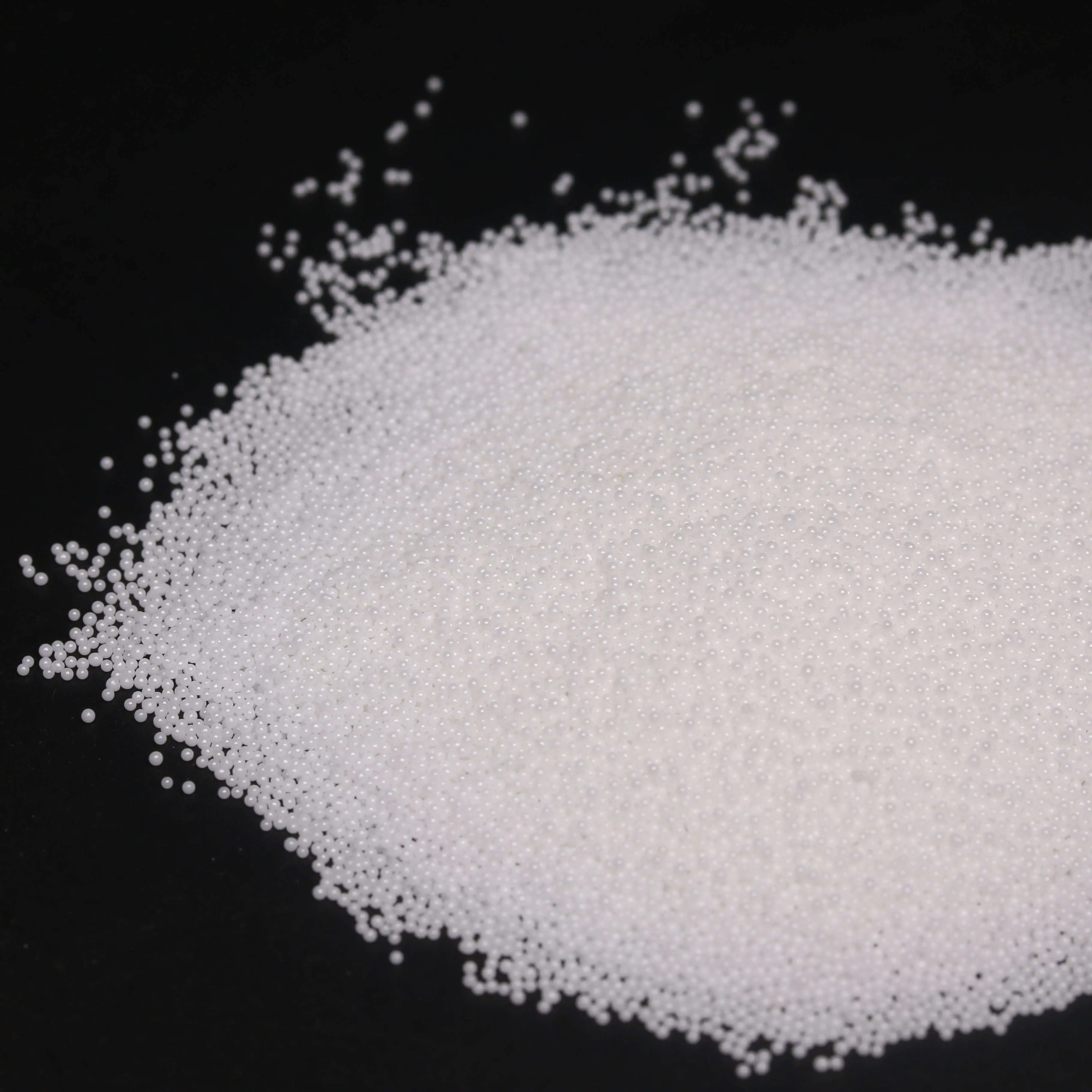
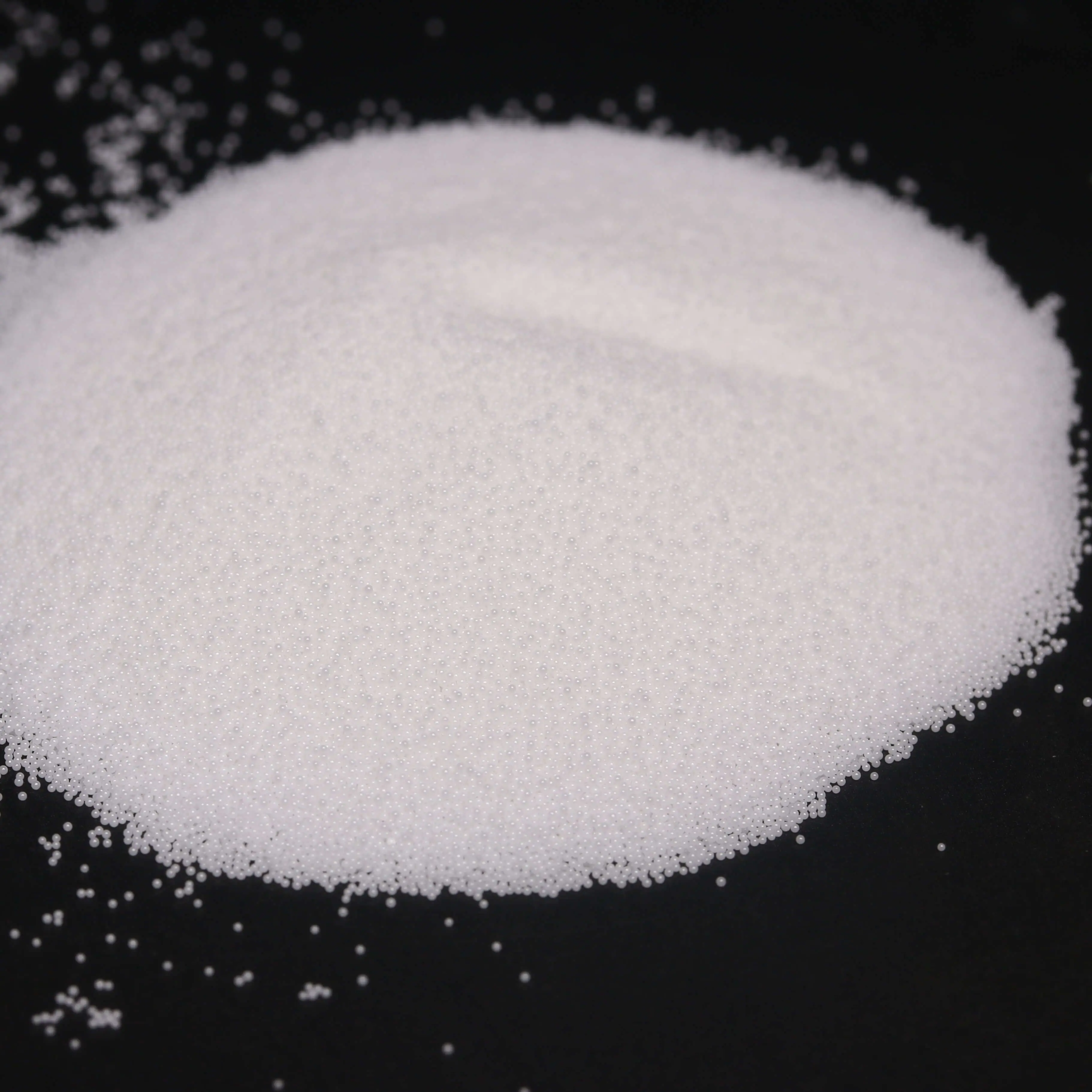
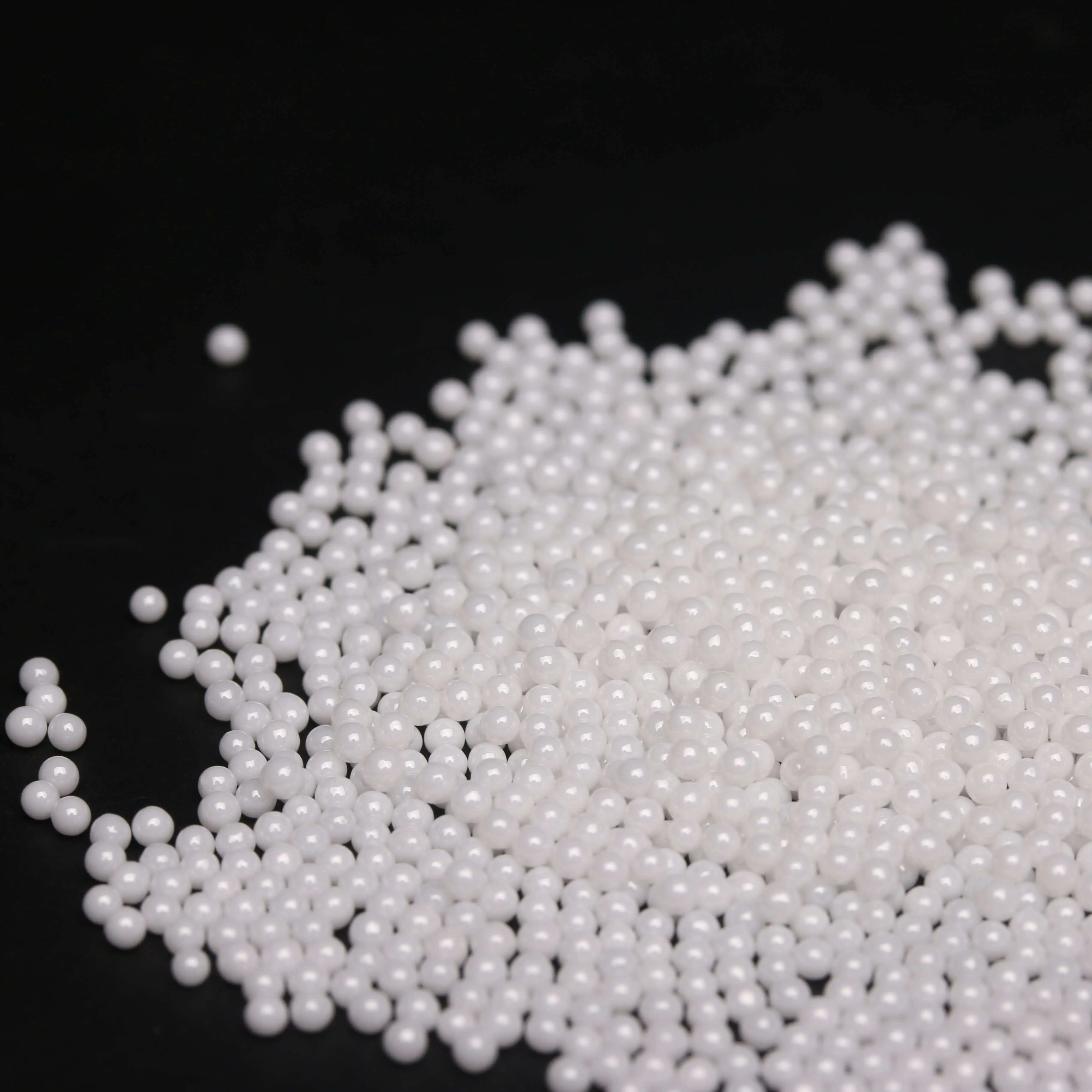
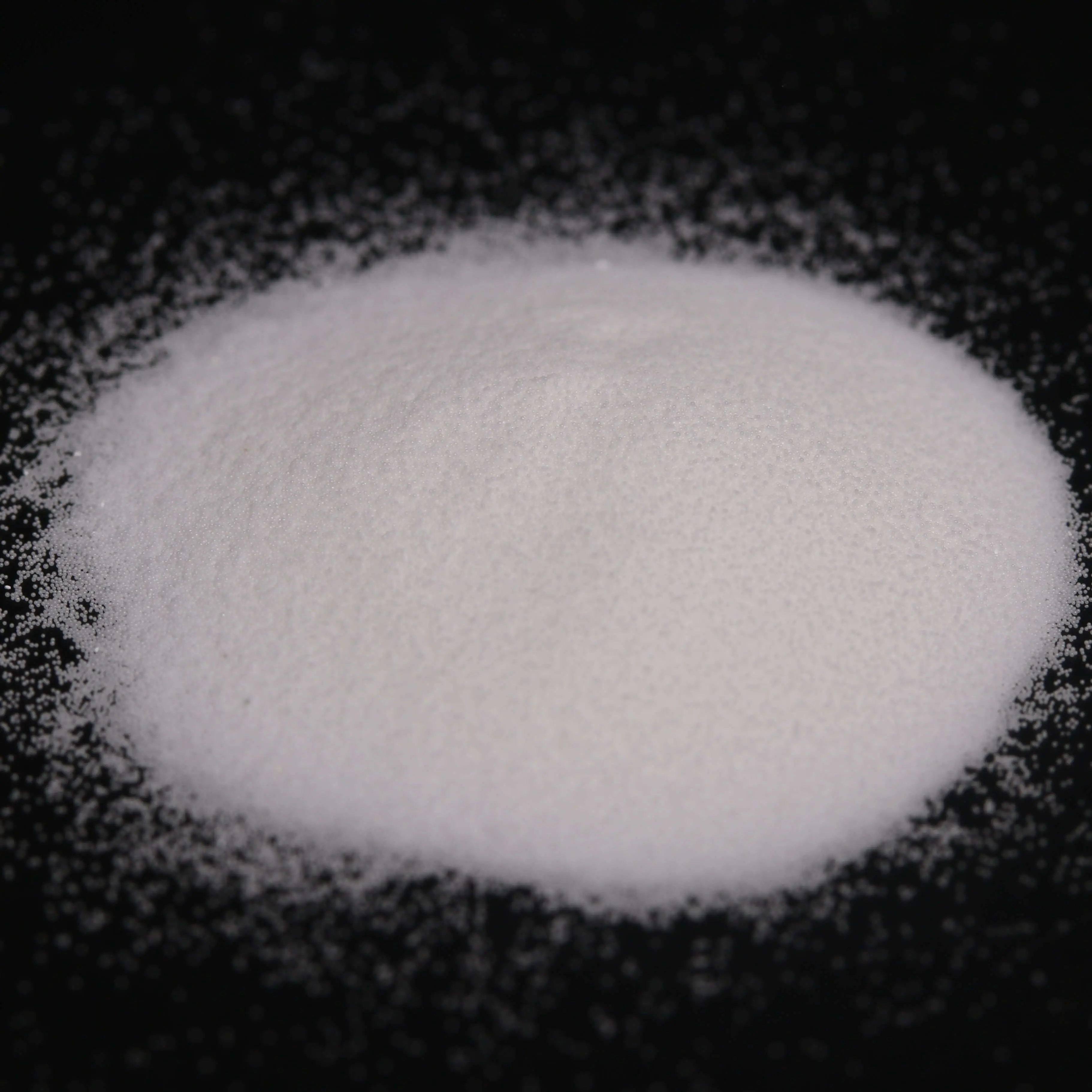
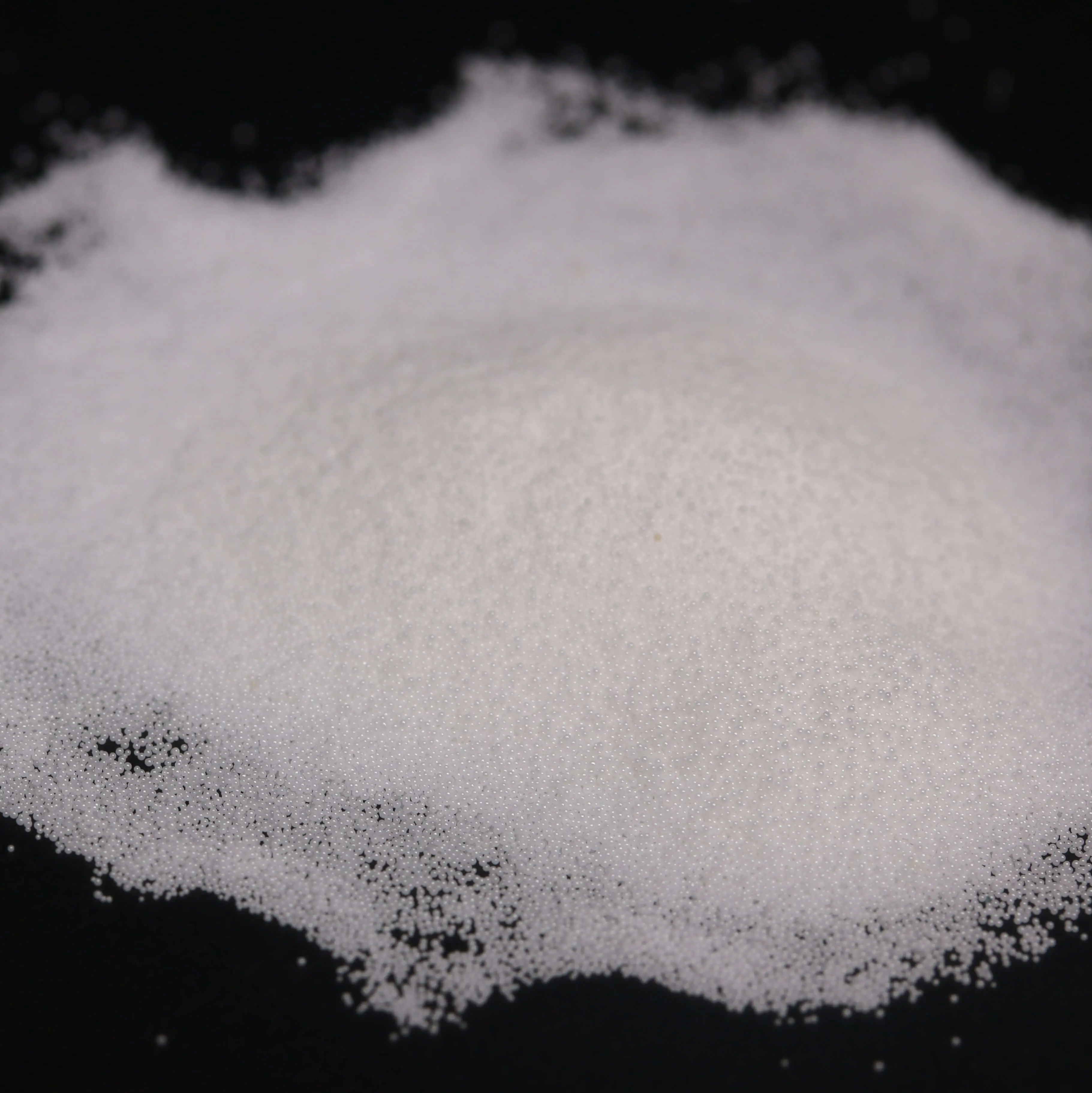
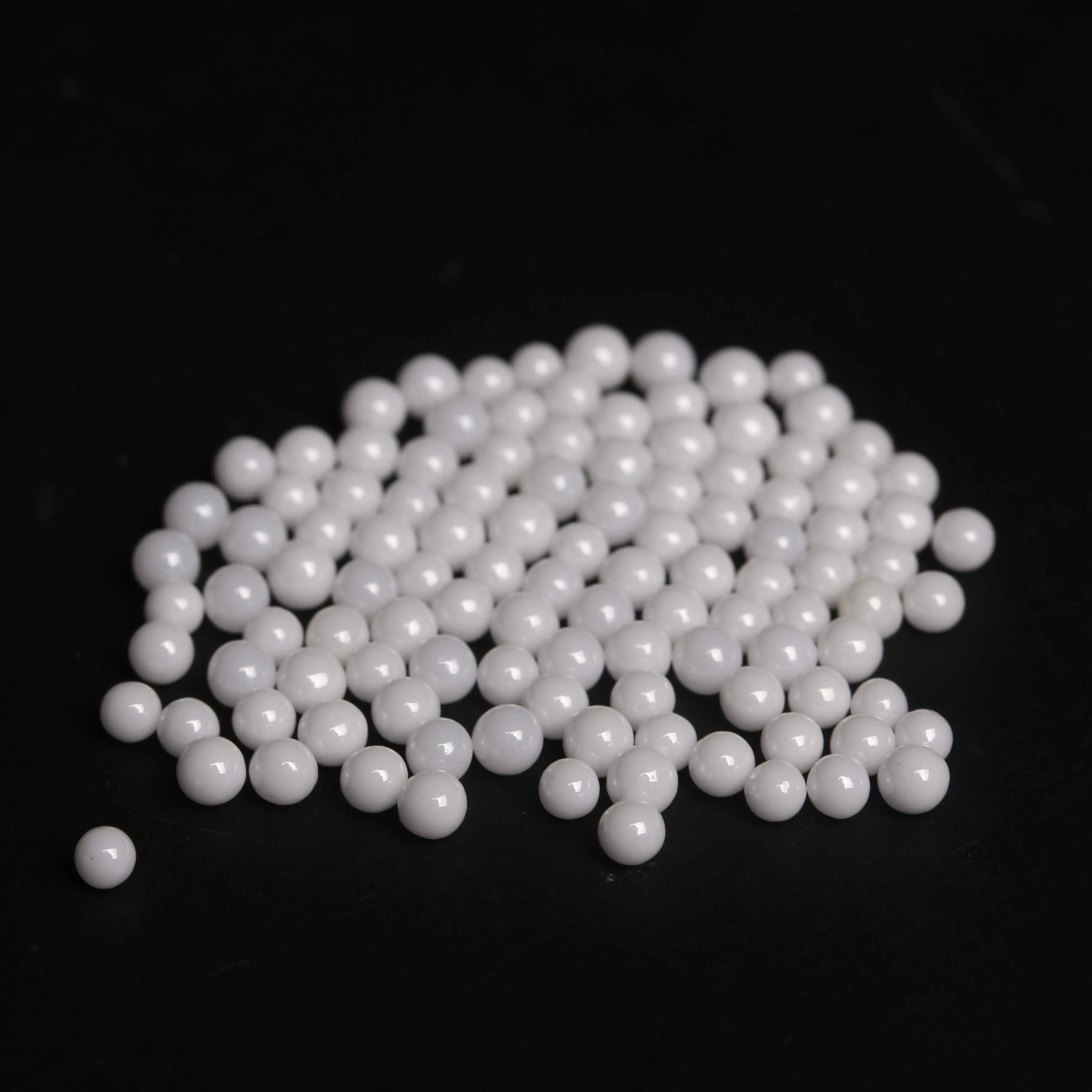
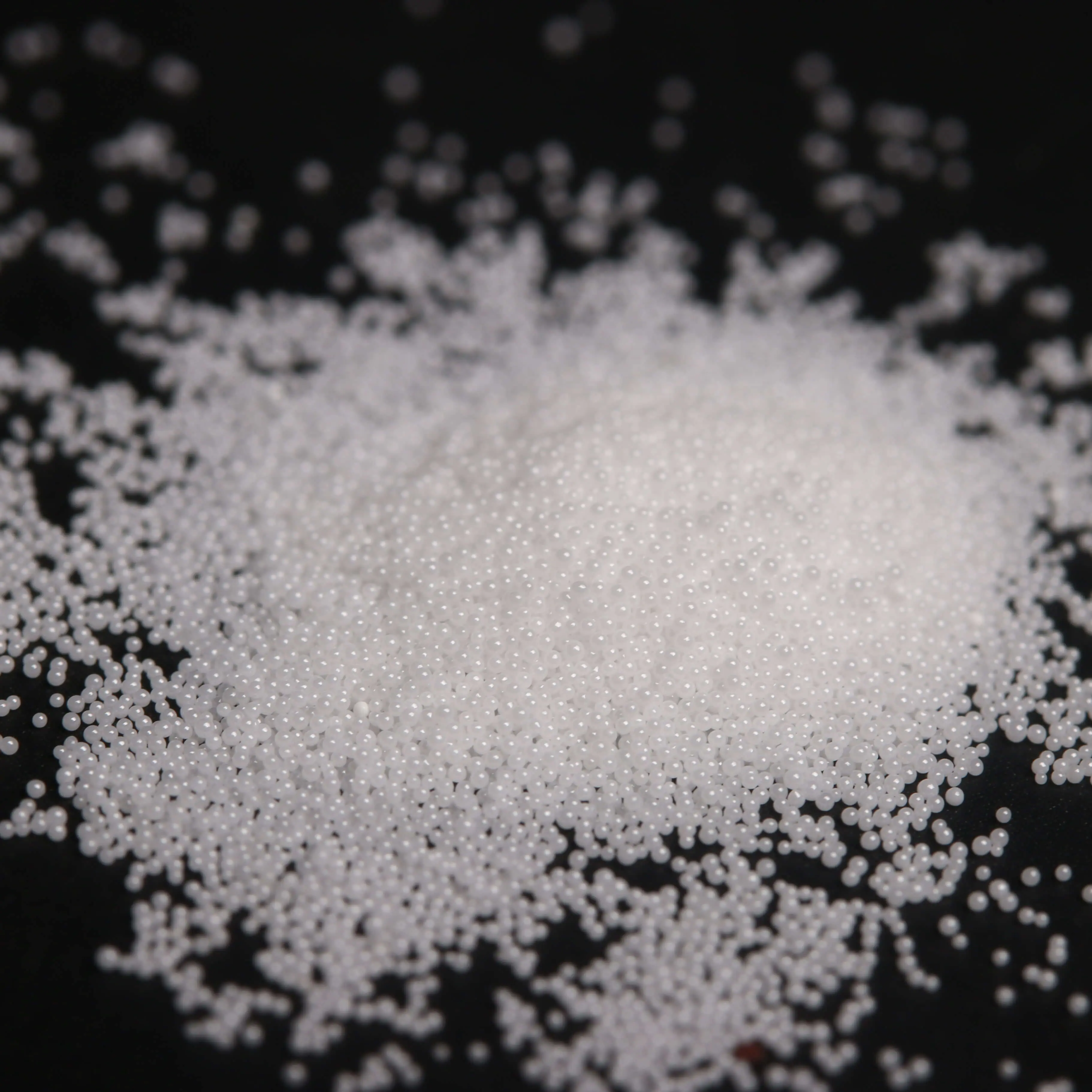
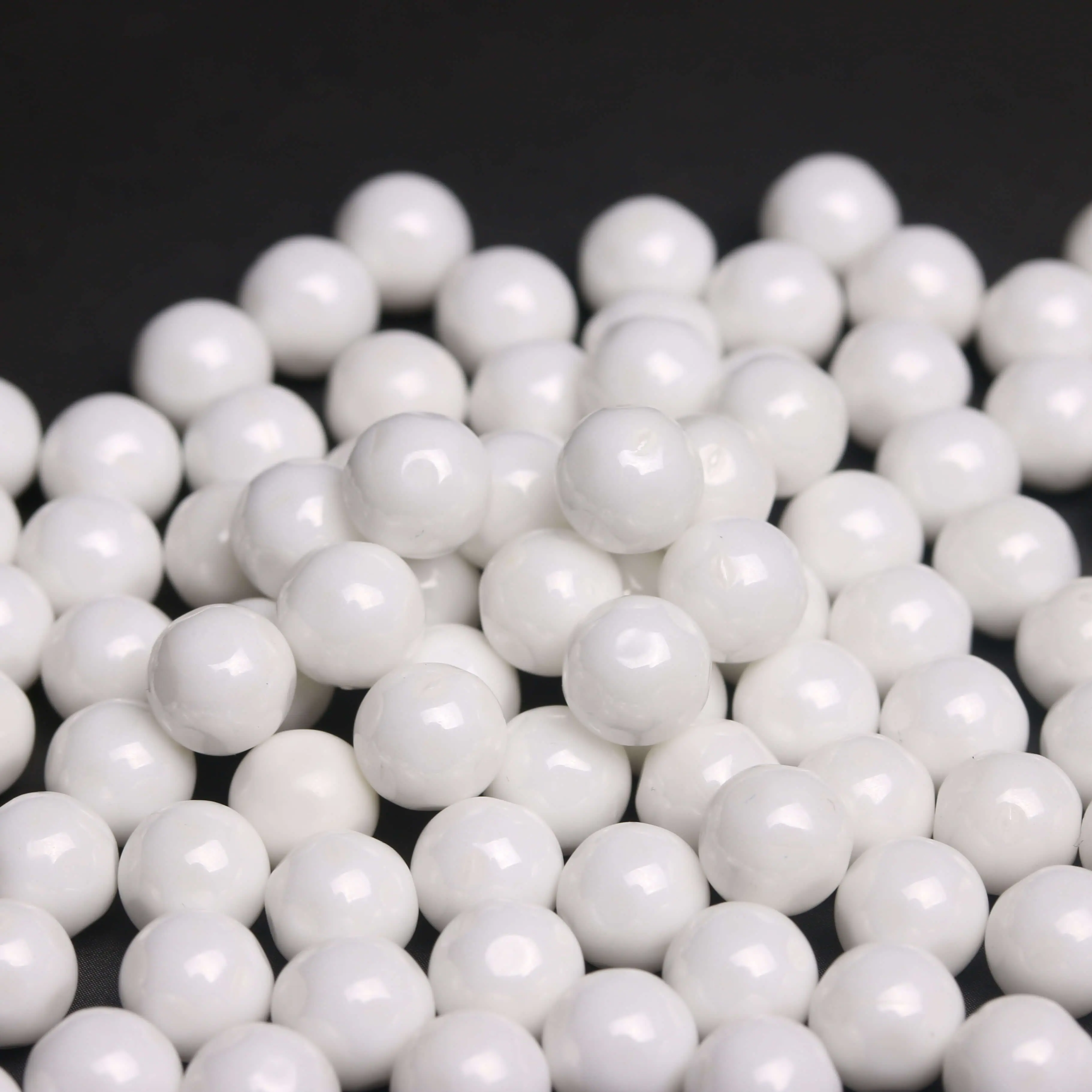
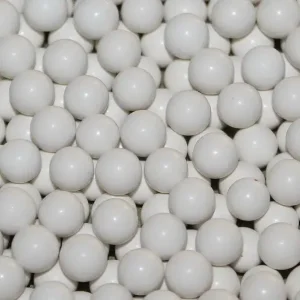
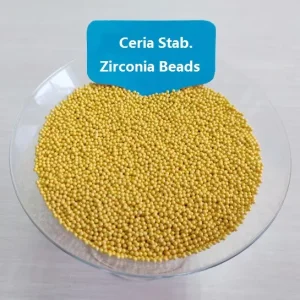
Yttria Stabilized Zirconia Ball
Key Advantages:
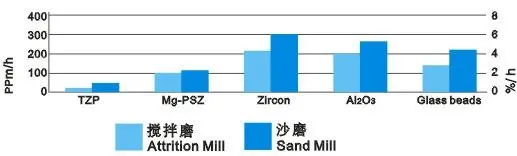
- Preventing material from contamination because of its extreme low wear rate.
- High grinding efficiency.
- Lower total costs due to the long using life.
Users
🏭Materials for grinding and dispersing, structural ceramics, electronics ceramics, refractory ceramics, magnetic material, metallurgy, medicine, food, cosmetics, textiles, printing and dyeing, pigment and other industries.
Specification
| Items |
Unit |
Specification |
| Composition |
wt% |
94.5% ZrO2 / 5.25% Y2O3 |
| Bulk Density |
Kg/L |
3.73 (Φ2mm) |
| Specific Density |
g/cm³ |
≥6.02 |
| Hardness (HV) |
GPa |
>8.5 |
| Elastic Modulus |
GPa |
200 |
| Thermal Conductivity |
W/m.K |
3 |
| Crushing Load |
KN |
≥20 (Φ2mm) |
| Fracture Toughness |
MPam¹⁻² |
9 |
| Grain Size |
µm |
≤0.5 |
| Thermal Expansion Coefficient (20–400°C) |
10×10⁻⁶ / °C |
9.6 |
Available Size
| Size (mm) |
Size (mm) |
Size (mm) |
Size (mm) |
| Φ0.1 |
Φ1.2–1.4 |
Φ3.0–3.2 |
Φ25 |
| Φ0.2 |
Φ1.4–1.6 |
Φ5 |
Φ30 |
| Φ0.3–0.4 |
Φ1.6–1.8 |
Φ6.5 |
Φ35 |
| Φ0.4–0.6 |
Φ1.8–2.0 |
Φ10 |
Φ40 |
| Φ0.6–0.8 |
Φ2.0–2.2 |
Φ12 |
Φ45 |
| Φ0.8–1.0 |
Φ2.2–2.4 |
Φ15 |
Φ50 |
| Φ1.0–1.2 |
Φ2.4–2.6 |
Φ20 |
Φ55 |
Wear Resistance Compared with Other Grinding Media
Frequently Asked Questions (FAQ)
❓ What are zirconia ceramic beads made of?
Zirconia ceramic beads are primarily composed of 94.5% ZrO₂ (zirconium dioxide) stabilized with 5.25% Y₂O₃ (yttrium oxide). This yttria-stabilized composition provides exceptional hardness, toughness, and wear resistance.
❓ What industries use zirconia ceramic beads?
Zirconia ceramic beads are widely used across numerous industries including paints & coatings, inks, battery materials, minerals & mining, agrochemicals, pharmaceuticals, food processing, electronic materials, cosmetics, textiles, and pigment manufacturing.
❓ What sizes are available for zirconia ceramic beads?
Zirconia ceramic beads are available in a wide range of sizes from Φ0.1 mm up to Φ55 mm, covering micro-grinding to large-scale milling applications. Custom sizes can also be discussed based on specific process requirements.
❓ Why choose yttria-stabilized zirconia beads over other grinding media?
Yttria-stabilized zirconia beads offer an extremely low wear rate, which prevents product contamination, delivers higher grinding efficiency, and significantly reduces total operational costs due to their extended service life compared to glass or alumina beads.
❓ Are zirconia ceramic beads suitable for pharmaceutical and food applications?
Yes. Due to their high purity, extremely low contamination rate, and chemical inertness, zirconia ceramic beads are ideal for grinding and homogenizing pharmaceutical ingredients, health supplements, and food products where strict purity standards must be maintained.
❓ What is the hardness and density of zirconia ceramic beads?
Zirconia ceramic beads have a Vickers hardness greater than 8.5 GPa and a specific density of ≥6.02 g/cm³. These properties make them one of the most durable and efficient grinding media available on the market.