1 / 3

Used for high-efficiency dispersion and grinding of pigments, paints, automotive coatings, and architectural coatings to achieve optimal color consistency and fineness.
Essential for producing high-quality printing inks (gravure, flexographic, screen printing), ensuring uniform particle distribution and smooth flow properties.
Critical for grinding and dispersing cathode materials (e.g., lithium iron phosphate, ternary materials), anodes, and solid-state electrolytes in lithium-ion battery production.
Applied in wet grinding of non-metallic minerals such as calcium carbonate, kaolin, and titanium dioxide.
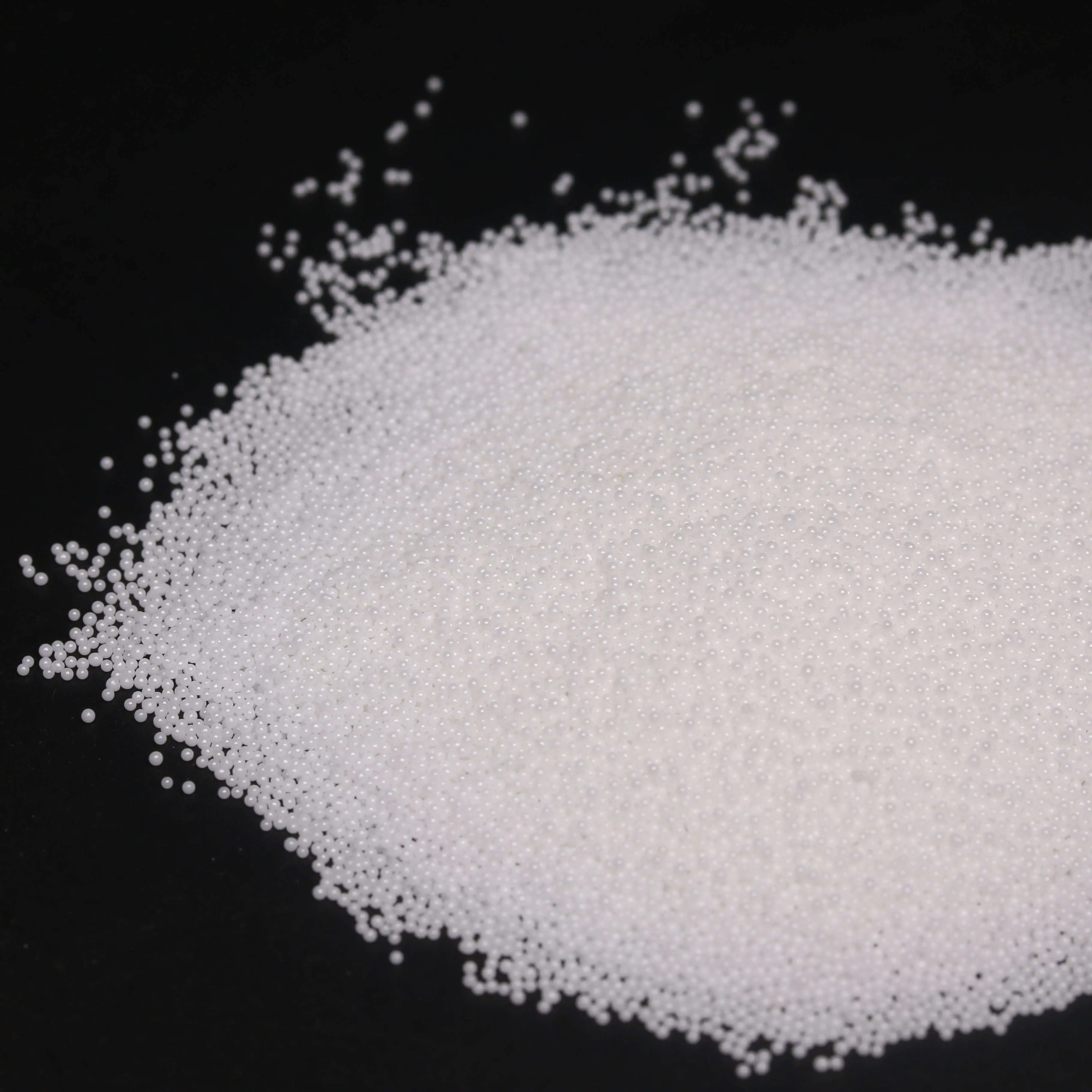
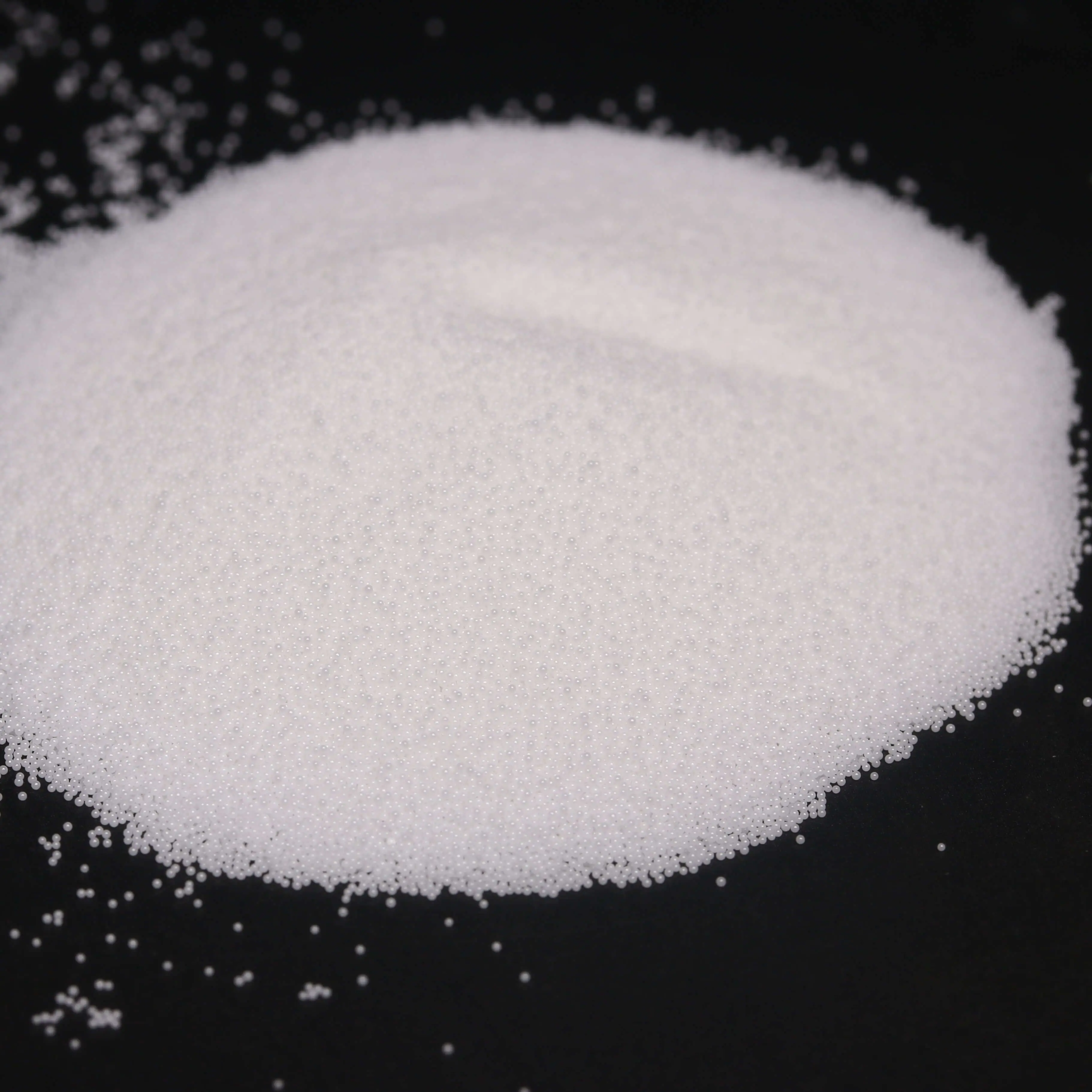
Used for producing high-performance pesticide suspensions, fungicides, and herbicides with stable particle size.
Utilized for fine grinding and homogenization of pharmaceutical ingredients, health supplements, and food products where high purity is required.
Employed in grinding ceramic powders, electronic pastes, and magnetic materials for advanced electronic components.
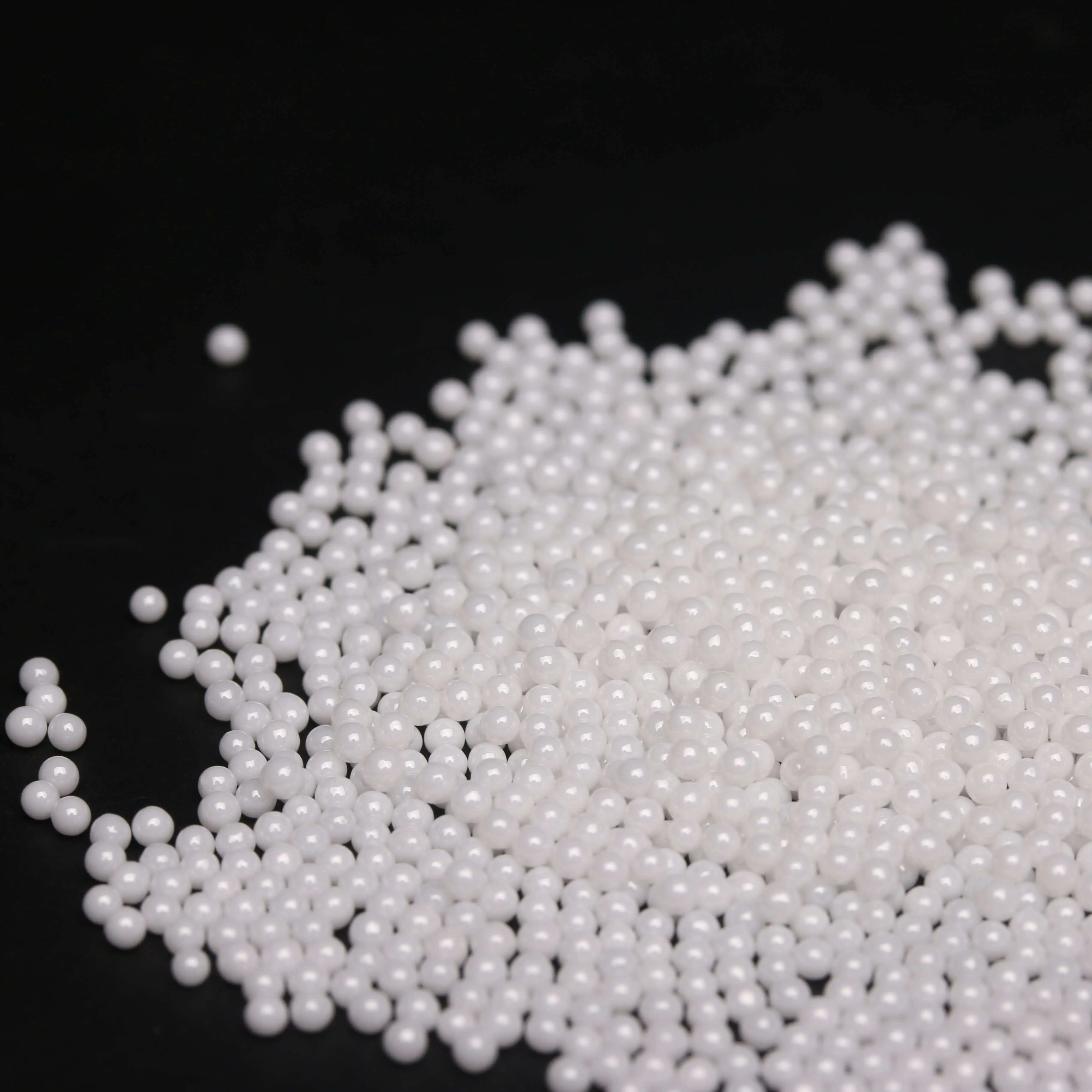
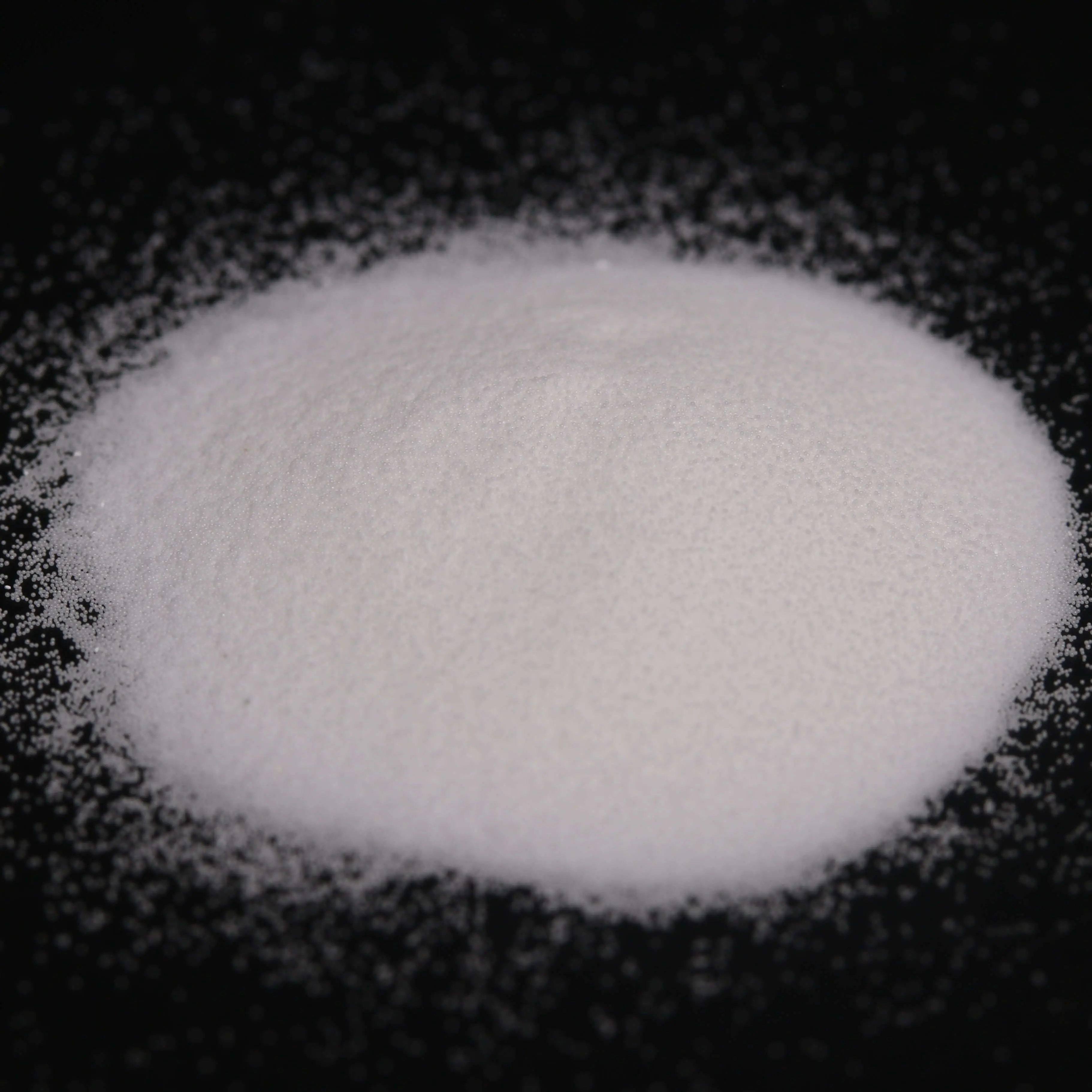
Key Advantages:
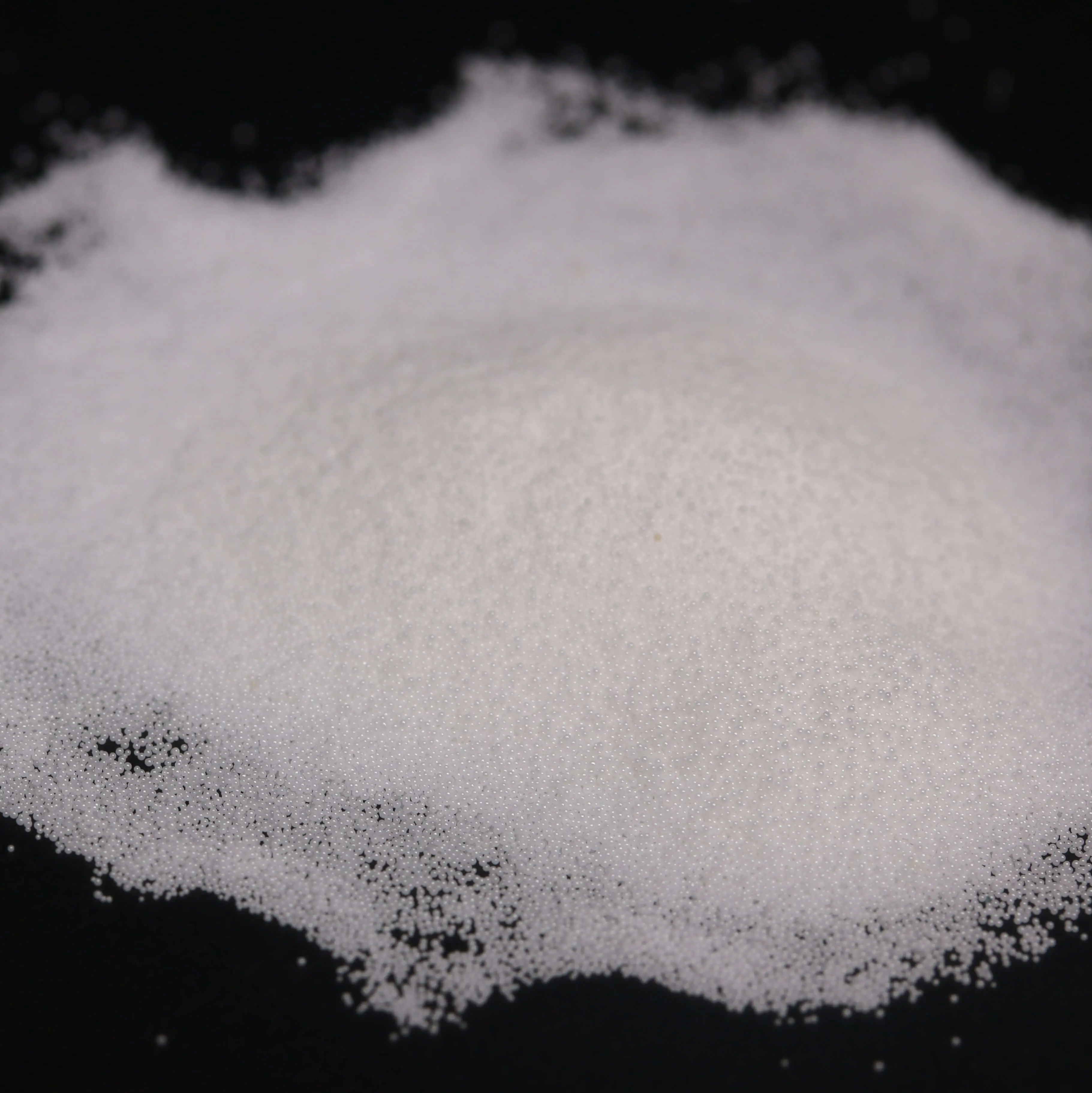
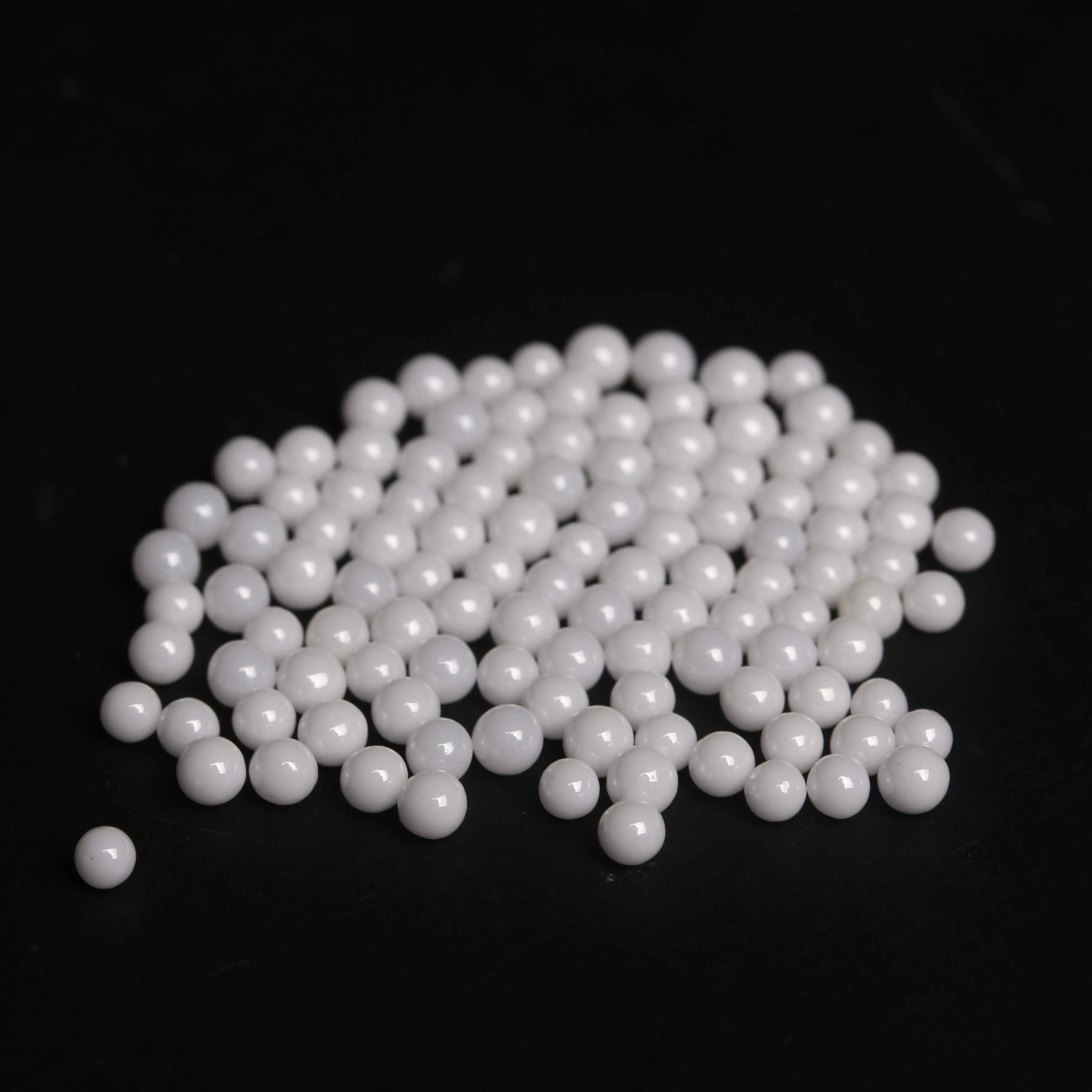
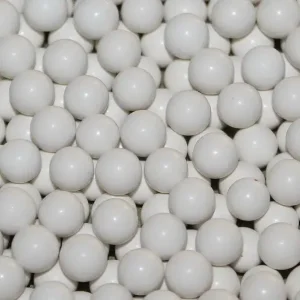
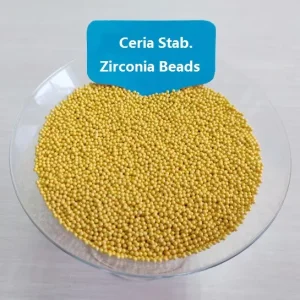
Materials for grinding and dispersing, structural ceramics, electronics ceramics, refractory ceramics, magnetic material, metallurgy, medicine, food, cosmetics, textiles, printing and dyeing, pigment and other industries.
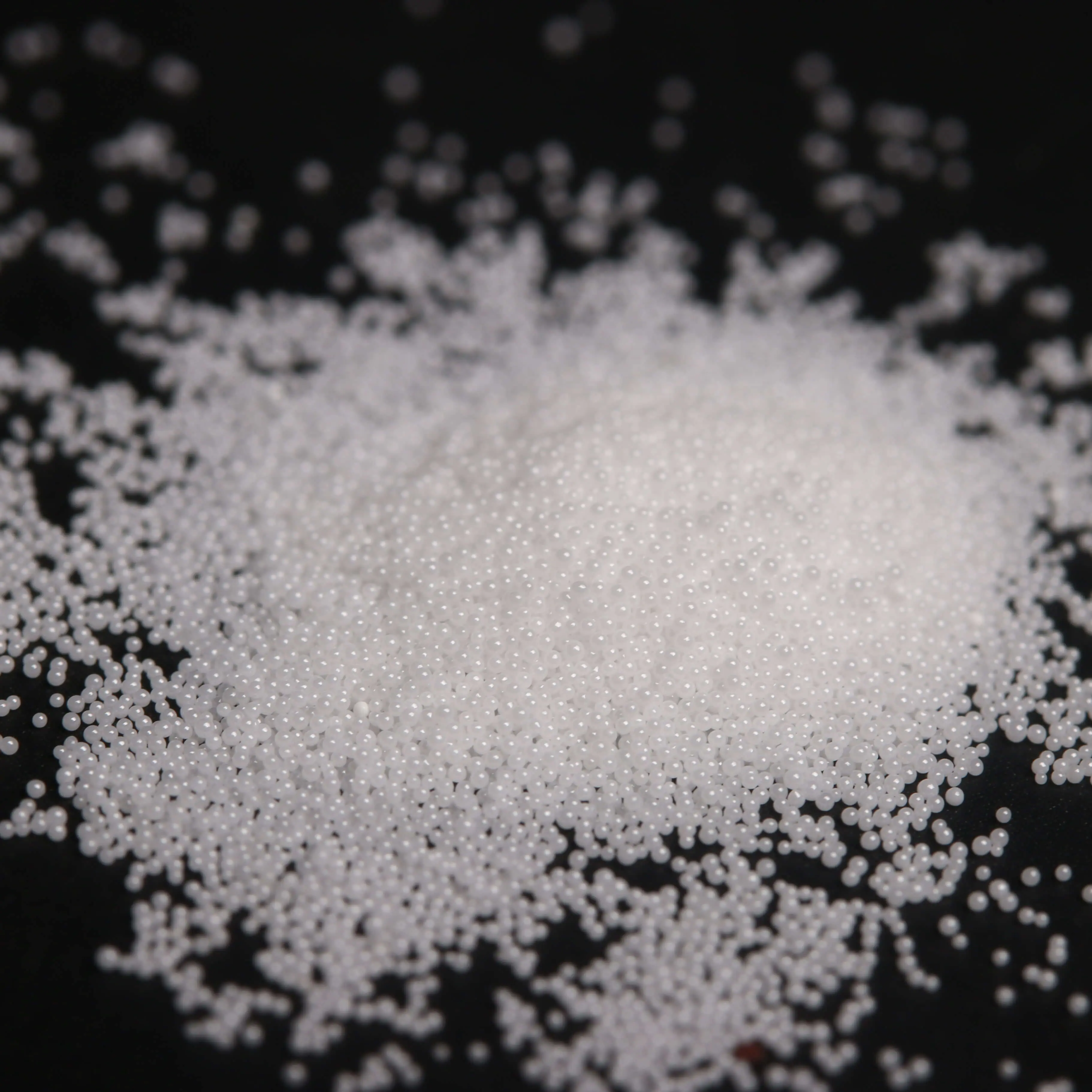
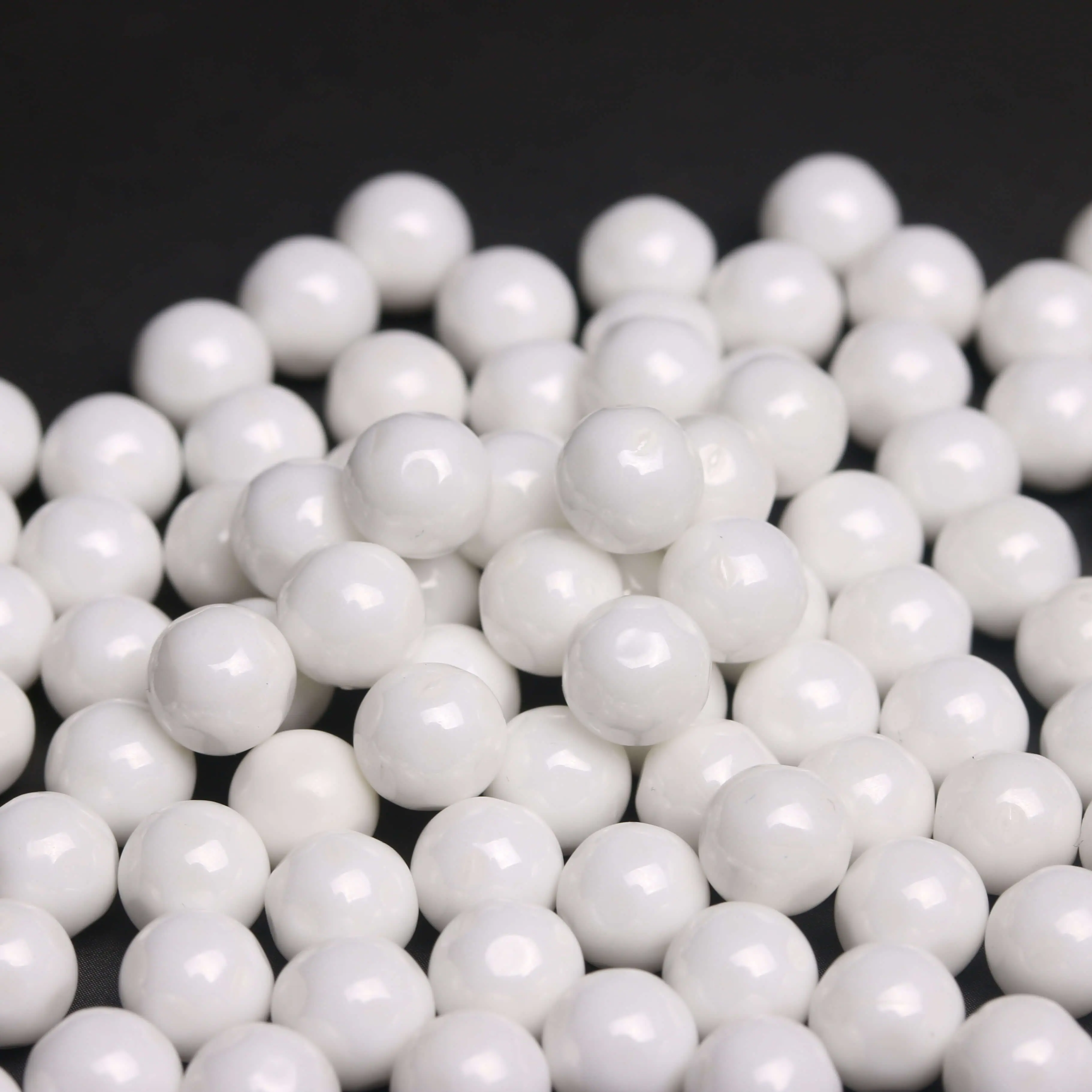
| Items | Unit | Specification |
| Composition | wt% | 94.5% ZrO2 / 5.25% Y2O3 |
| Bulk Density | Kg/L | 3.73 (Φ2mm) |
| Specific Density | g/cm³ | ≥6.02 |
| Hardness (HV) | GPa | >8.5 |
| Elastic Modulus | GPa | 200 |
| Thermal Conductivity | W/m.K | 3 |
| Crushing Load | KN | ≥20 (Φ2mm) |
| Fracture Toughness | MPam¹/² | 9 |
| Grain Size | µm | ≤0.5 |
| Thermal Expansion Coefficient (20–400°C) | 10×10⁻⁶ / °C | 9.6 |
| Size (mm) | Size (mm) | Size (mm) | Size (mm) |
| Φ0.1 | Φ1.2–1.4 | Φ3.0–3.2 | Φ25 |
| Φ0.2 | Φ1.4–1.6 | Φ5 | Φ30 |
| Φ0.3–0.4 | Φ1.6–1.8 | Φ6.5 | Φ35 |
| Φ0.4–0.6 | Φ1.8–2.0 | Φ10 | Φ40 |
| Φ0.6–0.8 | Φ2.0–2.2 | Φ12 | Φ45 |
| Φ0.8–1.0 | Φ2.2–2.4 | Φ15 | Φ50 |
| Φ1.0–1.2 | Φ2.4–2.6 | Φ20 | Φ55 |