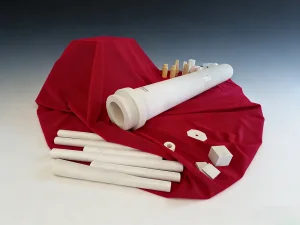
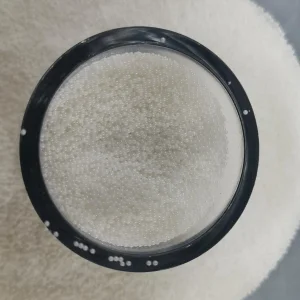
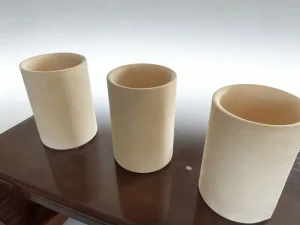
Direct Factory Supply: Advanced Grinding Media, Structural Components, and High-Temperature Materials
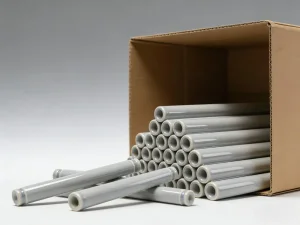
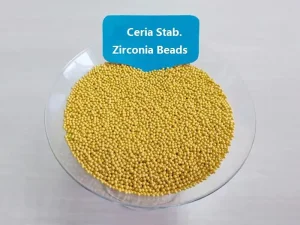
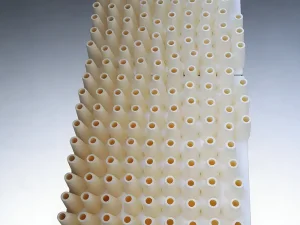
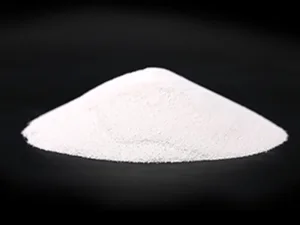
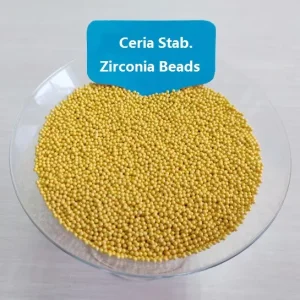
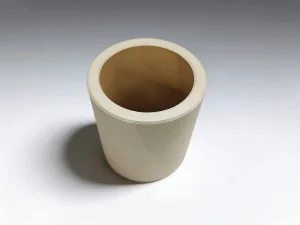
An in-depth analysis of chemical composition, microstructural grain bonding, mechanical durability, and electrical insulation properties.
95% Alumina Ceramic (Aluminum Oxide, Al2O3) stands as the workhorse of technical ceramics worldwide. Unlike lower-grade structural porcelain or ultra-high purity ceramics (99.5%+), 95% Alumina offers an optimal equilibrium between cost-efficiency, mechanical strength, thermal endurance, and metallization capability.
The microstructural chemistry consists of a crystalline alpha-alumina (corundum) matrix integrated with a controlled glassy silicate/magnesia intergranular phase. This secondary phase lowers sintering temperatures (typically between 1550°C and 1650°C), increases fracture toughness, and provides superior resistance to mechanical shock during heavy-duty industrial processing.
While 99.5% alumina provides higher purity, 95% alumina retains superior thermal shock resistance, easier precision machining tolerance holding, and significantly enhanced metallization bonding (via the Moly-Manganese method) for hermetic ceramic-to-metal assemblies.
| Physical / Electrical Property | Unit | 95% Alumina (Al2O3) | 99.5% Alumina | Zirconia (Y-TZP) | Silicon Nitride (Si3N4) |
|---|---|---|---|---|---|
| Density | g/cm³ | 3.65 | 3.92 | 6.05 | 3.25 |
| Flexural Strength (Three-Point) | MPa | 330 - 380 | 380 - 450 | 1000 - 1200 | 850 - 1000 |
| Vickers Hardness (HV10) | GPa | 13.5 | 16.0 | 12.5 | 15.0 |
| Thermal Conductivity (20°C) | W/m·K | 18 - 22 | 30 - 35 | 2.5 - 3.0 | 25 - 30 |
| Coefficient of Thermal Expansion (20–1000°C) | 10⁻⁶/K | 7.2 - 8.0 | 8.0 - 8.4 | 10.2 | 3.2 |
| Dielectric Strength (1mm thickness) | kV/mm | 18 - 20 | 22 - 25 | 10 | 15 |
| Volume Resistivity (20°C) | Ω·cm | > 10¹⁴ | > 10¹⁵ | > 10¹² | > 10¹4 |
Vertically Integrated Industrial Manufacturing Excellence Since 2003
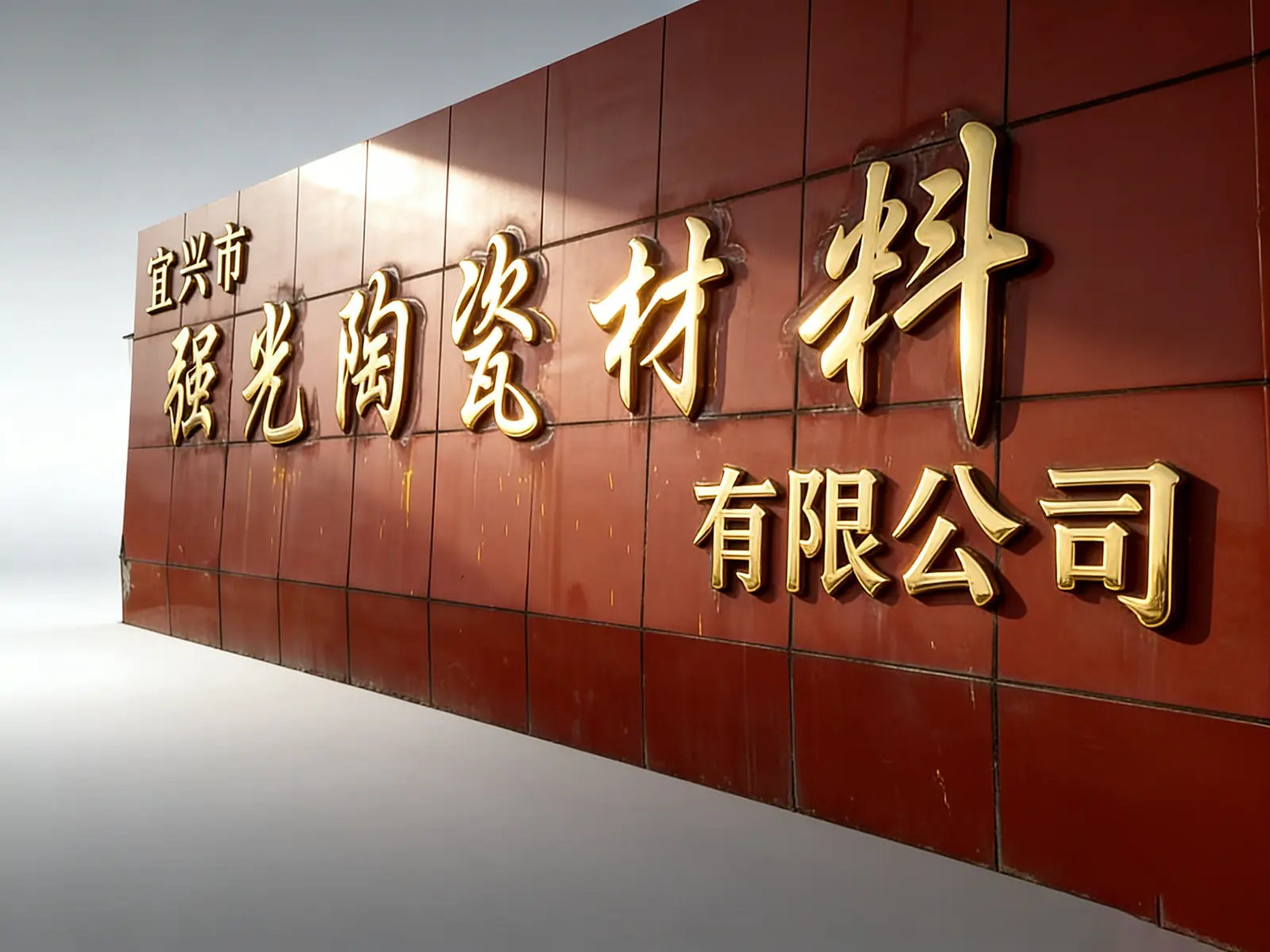
Founded in 2003, Yixing Qiangguang Ceramic Materials Co., Ltd. is a professional provider dedicated to the research and development (R&D), manufacturing, and application solutions of high-performance advanced ceramic materials. It is among the few enterprises in China that possess a complete industrial chain, covering key links from powder forming, sintering and precision machining to the provision of integrated application solutions.
The company is also a rare domestic manufacturer engaged in the R&D, production, and supply of a comprehensive portfolio of ceramic materials. Its product range covers zirconia, yttria, alumina, magnesia, aluminum nitride, boron nitride, silicon nitride, silicon carbide, aluminum titanate and other key ceramic materials for industrial use.
Benefiting from excellent product performance and stable quality, its products are extensively utilized in various high-end fields, such as food and medical industries, new energy vehicles, laser semiconductors, petrochemical engineering, powder metallurgy, national defense and military, as well as aerospace sectors.
Adhering to the core principle of "creating value for customers", Qiangguang provides customized and cost-efficient advanced ceramic solutions tailored to specific demands, supported by high-quality after-sales services and strict full-process tracking systems.
At present, the company's products are sold well across the country and exported to Italy, the United Kingdom, Australia, Japan, Malaysia, Thailand, Hungary, and other countries and regions worldwide.
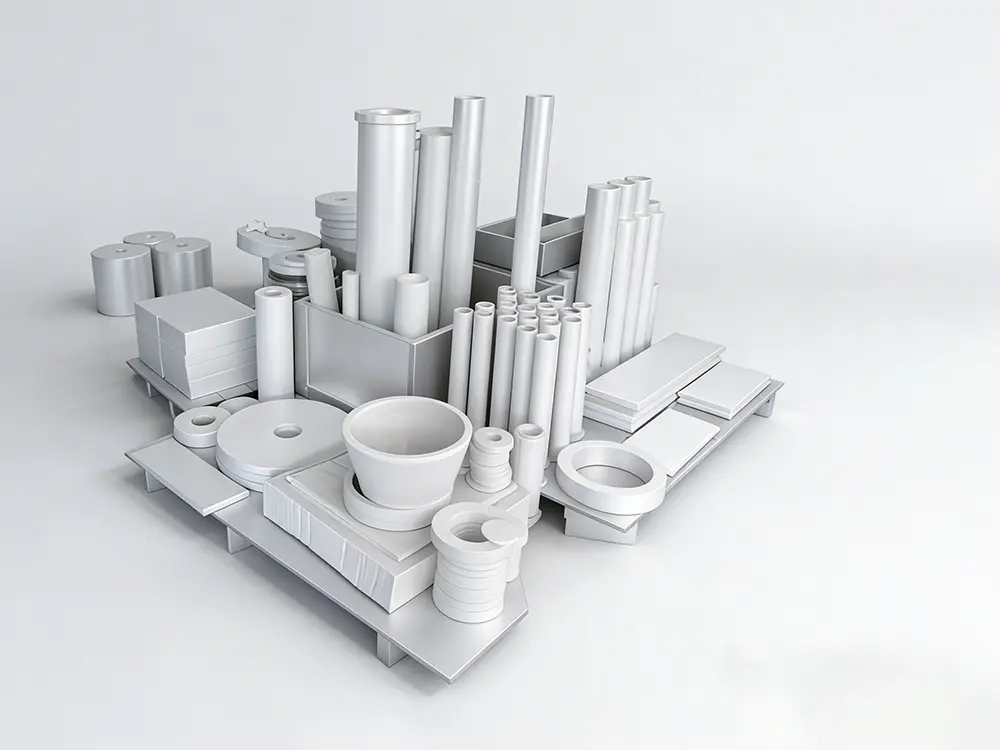
How Modern Digital Sintering and Fully Automated Powder Pressing Redefine Global Technical Ceramic Procurement.
By managing the raw powder preparation—including spray drying granulation and exact binder formulation—in-house, Yixing Qiangguang guarantees batch-to-batch chemical homogeneity. This eliminates structural micro-voids, ensuring zero dielectric breakdown during high-voltage operation.
Utilizing Cold Isostatic Pressing (CIP) up to 200 MPa combined with multi-zone computerized tunnel kilns, components undergo ultra-precise temperature firing curves. This eliminates thermal gradient stresses, leading to linear shrinkages held within tight tolerances before final machining.
Post-sintering diamond grinding, ultrasonic CNC milling, surface lapping, and laser drilling enable geometric tolerances up to ±0.001mm and surface roughness down to Ra 0.05 µm, satisfying high-vacuum semiconductor and aerospace requirements.
Engineered to Excel Across Extreme Thermal, Electrical, Chemical, and Mechanical Operational Environments
95% Alumina serves as insulating substrates, vacuum chamber liners, plasma etch ring components, and power resistor bases due to high dielectric breakdown strength (>18kV/mm) and minimal high-frequency loss tangent.
Used in ceramic relay seals for high-voltage DC contactors, EV battery safety insulation plates, and thermal barrier pads that prevent thermal runaway cascading across lithium-ion battery modules.
Resistant to strong acid/alkali media and abrasive slurry flow. Deployed in mechanical pump seals, valve seats, oilfield plunger sleeves, and wear-resistant hydrocyclone liners.
Applied in missile radomes, lightweight composite ballistic armor tiles, high-temperature sensor housings, and aircraft turbine electrical isolators where structural rigidity under high thermal gradients is paramount.
Biocompatible, non-toxic, and chemical washdown proof. Preferred for precision dosing pistons, blood analyzer valves, food extrusion dies, and pharmaceutical powder compacting tools.
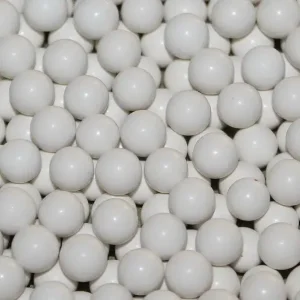
Used as high-density wear-resistant grinding media (ceramic balls and beads) for ultra-fine dispersion of battery cathode materials, minerals, pigments, and nano-powders.
Pioneering the Next Generation of Technical Ceramics: Additive Manufacturing and Nano-Engineered Microstructures
Integration of nano-scale rare-earth oxide dopants (e.g., Y2O3, La2O3) into the 95% Alumina glassy phase to pin grain boundary sliding, elevating flexural strength past 420 MPa while retaining low-cost sintering economics.
Transitioning prototype and complex internal cooling channel parts from traditional green machining to Stereolithography (SLA) ceramic 3D printing, reducing lead times for zero-tooling custom geometries from 6 weeks to 5 days.
Deploying 100% clean-energy electric kilns and hydrogen-assisted sintering atmospheres to shrink embedded carbon footprint by 65%, meeting stringent EU CBAM (Carbon Border Adjustment Mechanism) environmental compliance.
Full Rigor of ISO and International Technical Standards Applied to Every Batch
Certified compliance with Group C 795 technical ceramic specifications for electrical insulation.
Standard test method for flexural strength verification of advanced ceramics at ambient temperature.
Fully hazardous-substance-free compliant materials safe for EU, Japanese, and US imports.
Rigorous full-process quality management tracking system from raw powder to final shipment.
Essential Guidelines for Procurement Directors, Design Engineers, and Supply Chain Managers
Specify whether parts require standard as-sintered tolerances (±1% of dimension) or precision diamond-ground tolerances (up to ±0.005mm or ±0.001mm). Over-specifying tight tolerances where not structurally required unnecessarily increases machining cost.
For high-voltage insulation or structural housings, Ra 1.6 µm as-fired is sufficient. For mechanical seals, fluid metering pistons, and vacuum chucks, request lapped or polished surfaces down to Ra 0.2 µm ~ Ra 0.05 µm.
If brazing the ceramic component to Kovar, stainless steel, or copper flanges, specify Moly-Manganese (Mo-Mn) metallization with Nickel plating. Ensure thermal expansion mismatch between metal and ceramic is evaluated.
Direct Answers to Crucial Intent Queries Raised by Global Purchasing and Engineering Teams
Explore Extended Material Lines: Aluminium Titanate, Zirconia Beads, and Silicon Nitride Components