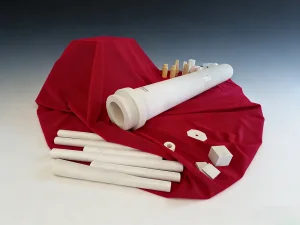
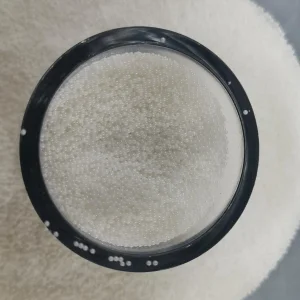
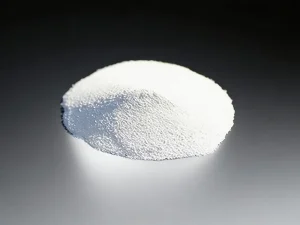
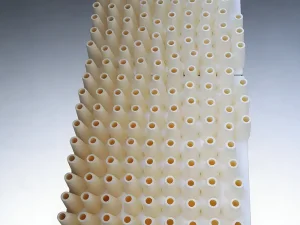
Explore our premier range of advanced technical ceramics engineered for high-stress, abrasive, thermal, and electrical industrial environments.
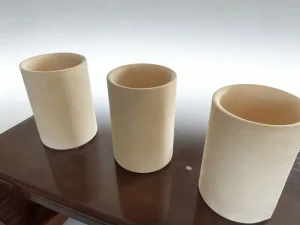
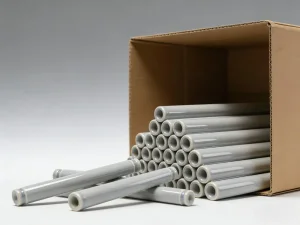
The global industrial manufacturing market is experiencing a profound material transition. As conventional metals, polymers, and basic refractories reach physical boundaries under extreme operational stresses—such as ultra-high temperatures, aggressive chemical corrosion, severe mechanical friction, and high-frequency electrical interference—the demand for advanced technical ceramics and refined industrial clay compounds has escalated exponentially. Modern heavy industries, semiconductor fabs, aerospace programs, and clean-energy infrastructure require materials engineered at the atomic level to maintain dimensional stability, chemical inertness, and structural integrity under operational parameters previously deemed impossible.
China has emerged as the global epicenter for the strategic development, synthesis, and precision processing of advanced inorganic non-metallic materials. Driven by unprecedented capital investment in raw material refinement, automated Cold Isostatic Pressing (CIP), Hot Isostatic Pressing (HIP), and ultra-precision diamond grinding, Chinese suppliers have evolved from basic commodity producers into high-value engineering partners. The modern industrial clay synthesis sector in China provides essential precursors—ranging from high-purity kaolinite and ball clays to engineered synthetic aluminum silicate matrices—that serve as the fundamental backbone for structural ceramics, thermal barrier coatings, electronic substrates, and high-durability grinding media.
Navigating the global procurement landscape requires international buyers to evaluate suppliers based on comprehensive structural capabilities rather than unit cost alone. Google Search Quality Rater Guidelines emphasize the importance of demonstrated experience, technical expertise, authority, and transactional trust (E-E-A-T). In alignment with these principles, this whitepaper provides enterprise procurement officers, materials engineers, and industrial designers with an exhaustive analysis of material selection criteria, manufacturing methodologies, quality compliance standards, and strategic vendor integration protocols.
Founded in 2003, Yixing Qiangguang Ceramic Materials Co., Ltd. is a professional provider dedicated to the research and development (R&D), manufacturing, and application solutions of high-performance advanced ceramic materials. It is among the few enterprises in China that possess a complete industrial chain, covering key links from powder forming, sintering, and precision machining to the provision of integrated application solutions.
The company is also a rare domestic manufacturer engaged in the R&D, production, and supply of a comprehensive portfolio of ceramic materials. Its product range covers zirconia, yttria, alumina, magnesia, aluminum nitride, boron nitride, silicon nitride, silicon carbide, aluminum titanate, and other key ceramic materials for industrial use.
Benefiting from excellent product performance and stable quality, its products are extensively utilized in various high-end fields, such as food and medical industries, new energy vehicles, laser semiconductors, petrochemical engineering, powder metallurgy, national defense and military, as well as aerospace sectors.
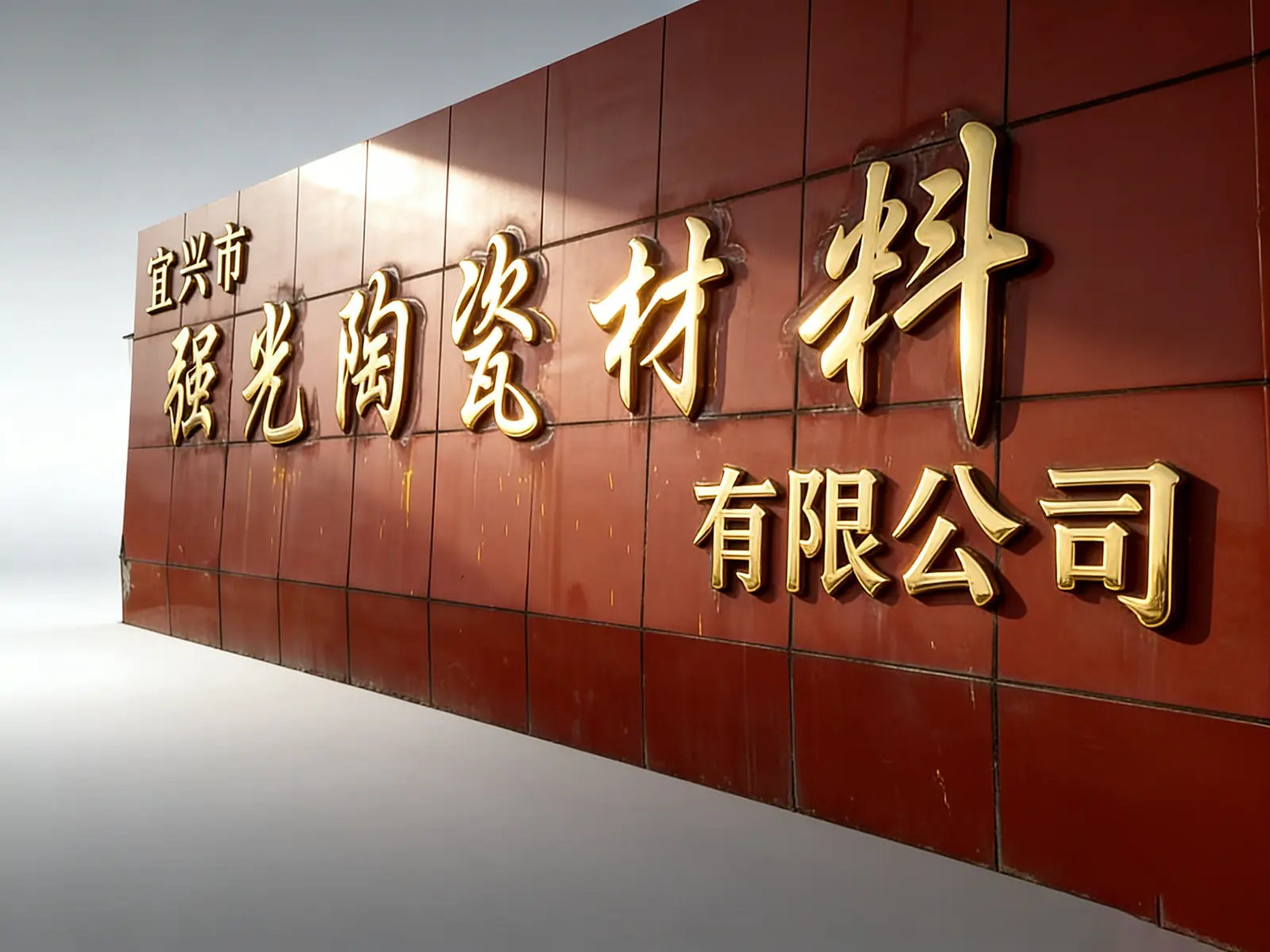
Adhering to the core principle of "creating value for customers", Qiangguang provides customized and cost-efficient advanced ceramic solutions tailored to the specific demands of different customers. It is supported by high-quality after-sales services and a strict full-process tracking system, which effectively enhances cooperation efficiency and promotes continuous quality improvement.
At present, the company's products are sold well across the country and exported to Italy, the United Kingdom, Australia, Japan, Malaysia, Thailand, Hungary, and other countries and regions. Committed to delivering high-quality products at reasonable prices, Qiangguang sincerely looks forward to establishing long-term and stable cooperative relations with global partners.
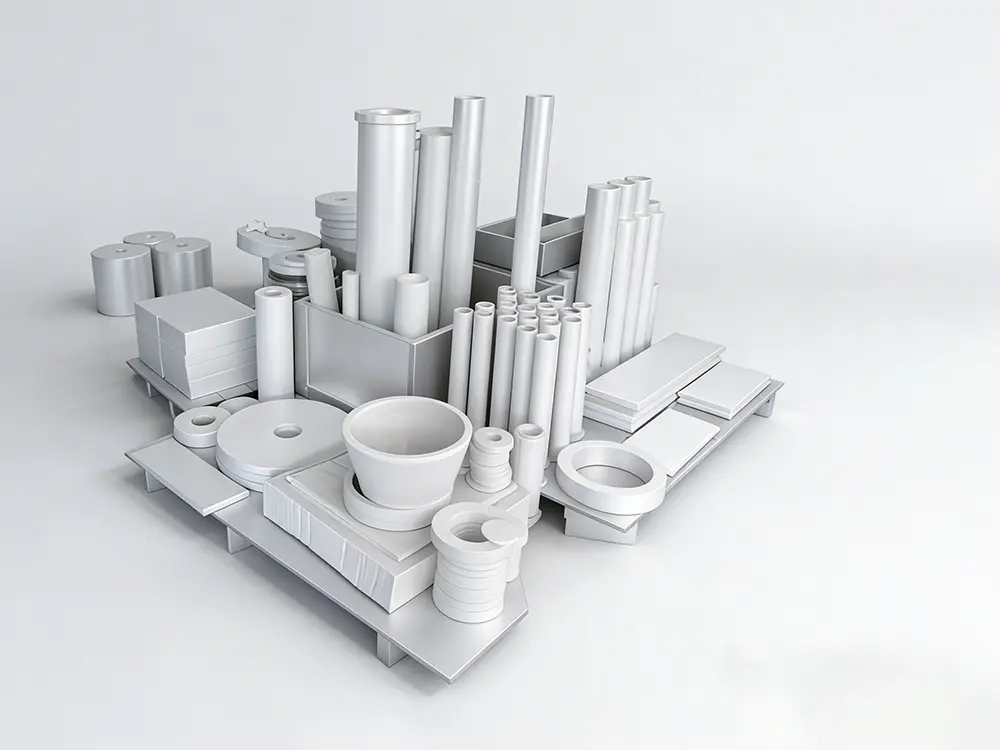
Selecting the optimal technical ceramic material or industrial clay formulation requires an empirical evaluation of mechanical, thermal, electrical, and tribological properties. The table below illustrates the key performance parameters across our primary ceramic material classes, empowering engineering teams to make data-driven material selection decisions.
| Material Classification | Density (g/cm³) | Flexural Strength (MPa) | Thermal Conductivity (W/m·K) | Max Working Temp (°C) | Primary Engineering Advantage |
|---|---|---|---|---|---|
| Y-TZP Zirconia (Yttria Stabilized) | 6.05 | 1000 - 1200 | 2.5 - 3.0 | 1000 | Ultra-high fracture toughness, extreme wear resistance, bio-compatibility |
| Alumina ($Al_2O_3$ 99.8%) | 3.92 | 380 - 450 | 30 - 35 | 1650 | High dielectric strength, superior hardness, cost-efficient thermal stability |
| Silicon Nitride ($Si_3N_4$) | 3.25 | 850 - 1000 | 30 - 80 | 1400 | Exceptional thermal shock resistance, low density, high mechanical strength |
| Aluminum Nitride (AlN) | 3.30 | 320 - 400 | 170 - 230 | 1000 (air) / 1900 (inert) | Ultra-high thermal conductivity combined with high electrical insulation |
| Aluminium Titanate ($Al_2TiO_5$) | 3.3 - 3.6 | 40 - 80 | 1.5 - 2.0 | 1400 | Near-zero thermal expansion coefficient, non-wetting by molten metals |
| Magnesium Oxide (MgO) | 3.58 | 200 - 300 | 40 - 60 | 2200 | Ultra-high melting point, superior electrical resistance at high temperatures |
Yttria-Stabilized Tetragonal Zirconia Polycrystals (Y-TZP) exhibit a unique stress-induced phase transformation mechanism. When a crack tip propagates through the material, the localized stress triggers a crystal transformation from the tetragonal phase to the monoclinic phase. This phase change involves a 3–5% volume expansion, which induces compressive stresses that clamp the crack tip shut, resulting in unprecedented fracture toughness ($K_{IC} > 7.5 \, \text{MPa}\cdot\text{m}^{1/2}$).
In semiconductor packaging and power electronics, heat dissipation is the primary bottleneck. Aluminum Nitride (AlN) provides a thermal conductivity up to 230 W/m·K—nearly 7 to 8 times higher than standard alumina—while maintaining electrical resistivity exceeding $10^{14} \, \Omega\cdot\text{cm}$. This makes it the ultimate substrate material for modern laser diodes, microprocessors, and high-power LED modules.
Procuring technical ceramics and industrial clays from Chinese manufacturers requires a structured risk-mitigation framework. Global procurement executives must look beyond unit pricing to evaluate Total Cost of Ownership (TCO), supply chain elasticity, and precision quality assurance.
Definition of chemical purity, grain size distribution (D50/D90), binder chemistry, and green body density requirements.
Selection between Dry Pressing, Isostatic Pressing (CIP), Injection Molding (CIM), or Tape Casting based on geometry complexity.
Atmosphere-controlled sintering, pressureless sintering, or HIP to achieve close-to-theoretical structural density.
5-axis diamond grinding, ultrasonic machining, and lapping to achieve micron-level dimensional tolerances ($\pm 0.001 \, \text{mm}$).
Yixing Qiangguang Ceramic Materials Co., Ltd. secures long-term raw material stability by maintaining strategic reserve partnerships across major mineral mining hubs in China. By controlling raw powder preparation internally—including wet ball milling, spray drying, and granulating—we eliminate batch-to-batch chemical variance. This vertical integration guarantees uninterrupted bulk supply schedules even during global logistical disruptions.
Advanced ceramics are no longer passive structural components; they are active enablers of modern technological breakthroughs across multiple critical industrial sectors.
High-purity Alumina ($>99.8\%$) and Silicon Nitride components are critical for wafer handling arms, plasma etching ring components, and electrostatic chucks (ESC). Their exceptional plasma resistance and dielectric strength prevent wafer contamination and operational downtime during sub-7nm photolithography steps.
Silicon Nitride ceramic bearing balls and direct-bonded copper (DBC) substrate plates are vital for EV drive inverters. They provide electrical isolation between high-voltage battery systems and mechanical drives while withstanding rapid thermal cycling and extreme rotational speeds.
High-grade Zirconia (Y-TZP) is widely utilized in medical implants, hip joint prostheses, and dental frameworks. Its bio-inertness, corrosion resistance in bodily fluids, and radiopacity make it an irreplaceable material for permanent human tissue integration.
In slurry pumps, severe chemical fluid handling, and oilfield drilling tools, ceramic valve seats, seal rings, and liners constructed from alumina and zirconia offer operational lifespans up to 10 times longer than hardened tungsten carbide alloys.
The next decade of technical ceramics manufacturing will be defined by additive manufacturing, nanostructured grain boundaries, green sintering technology, and AI-driven predictive defect analytics.
Stereolithography (SLA) and Digital Light Processing (DLP) for ceramic slurries are changing component design constraints. Intricate internal cooling channels, complex cellular structures, and customized patient-specific implants can now be manufactured directly without multi-axis diamond tooling, reducing lead times from weeks to days.
Reinforcing alumina matrices with dispersed zirconia nanoparticles ($Al_2O_3/ZrO_2$ ZTA) or carbon nanotubes creates hybrid ceramics with unprecedented flexural strength ($>1500 \, \text{MPa}$) and self-healing crack properties, opening new horizons for deep-sea exploration and aerospace turbine blades.
Transitioning from fossil-fueled kilns to clean-hydrogen continuous sintering furnaces and microwave-assisted ultra-fast sintering techniques significantly lowers the carbon footprint of high-temperature ceramic synthesis, assisting enterprise clients in fulfilling Scope 3 decarbonization mandates.
To serve tier-1 global enterprises seamlessly, Yixing Qiangguang Ceramic Materials Co., Ltd. adheres strictly to internationally recognized quality management systems and environmental compliance protocols.
Every batch of raw powder, green body compact, and finish-ground component undergoes rigorous quality verification. We maintain total traceability from raw mineral refined lots to final dimensional CMM reports.
All ceramic formulations, structural glazes, and clay binders are fully certified toxic-free, heavy-metal-free, and compliant with EU RoHS and REACH mandates, ensuring frictionless cross-border customs clearance for destination markets across the EU, UK, US, and APAC regions.
Discover specialized technical ceramic powders, thermal management substrates, and high-density grinding solutions engineered for niche industrial applications.