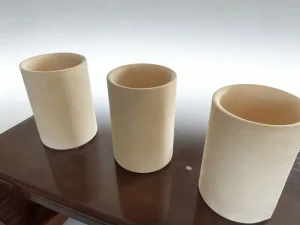
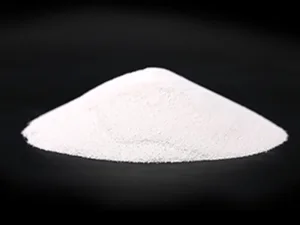
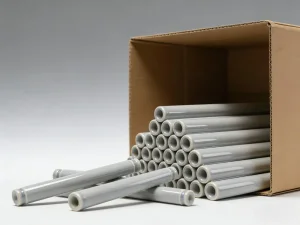
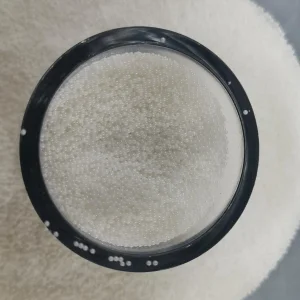
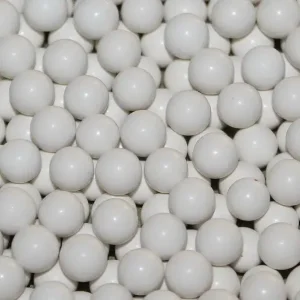
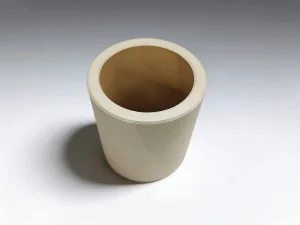
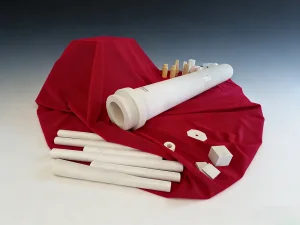
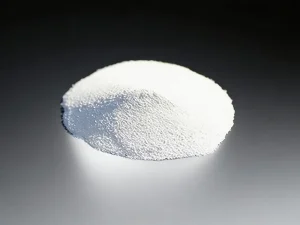
Explore our elite portfolio of advanced ceramic substrates, precision grinding media, and engineered thermal management powders manufactured to exacting global tolerances.
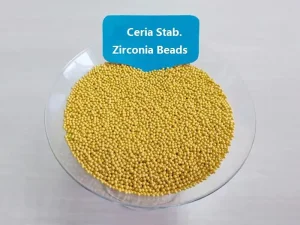
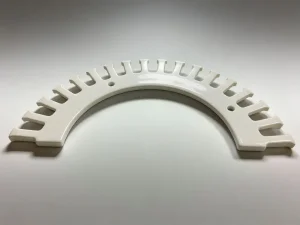
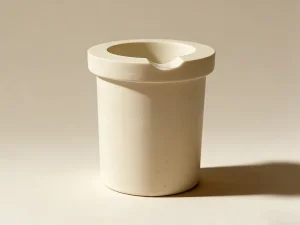
Analyzing the shift from metallic heat sinks to high-purity ceramic cooling architectures in hyper-dense power electronics and extreme operational environments.
As microelectronic systems, high-power silicon carbide (SiC) and gallium nitride (GaN) power semiconductors, ultra-fast EV charging stations, and artificial intelligence (AI) computing clusters scale in power density, traditional metallic cooling systems—such as copper and aluminum heat sinks—have reached their fundamental physical limits. Metals suffer from severe thermal expansion mismatches with semiconductor chips, lack electrical insulation, and undergo rapid oxidation and dielectric breakdown under extreme high-voltage conditions.
This technical impasse has elevated Advanced Ceramic Cooling Materials—specifically Aluminum Nitride (AlN), Silicon Nitride (Si3N4), High-Purity Alumina (Al2O3), and Toughened Zirconia (Y-TZP, Mg-PSZ)—to the forefront of thermal architecture design. China has emerged as the global epicenter for advanced ceramic cooling innovation, combining abundant raw mineral refining capacity, proprietary low-temperature co-fired ceramic (LTCC) processing, and integrated precision machining capabilities.
Information Gain Insight: Unlike conventional cooling substrates, ceramic heat spreaders deliver dual-functionality: high thermal conductivity combined with absolute dielectric isolation and an ultra-low Coefficient of Thermal Expansion (CTE: 4.5–7.5 x 10^-6/K) that perfectly matches semiconductor silicon and wide-bandgap substrates. This virtually eliminates thermomechanical fatigue and micro-cracking in solder joints during high-frequency power cycling.
Empowering global industries through end-to-end ceramic synthesis, precision sintering, and engineered cooling solutions.
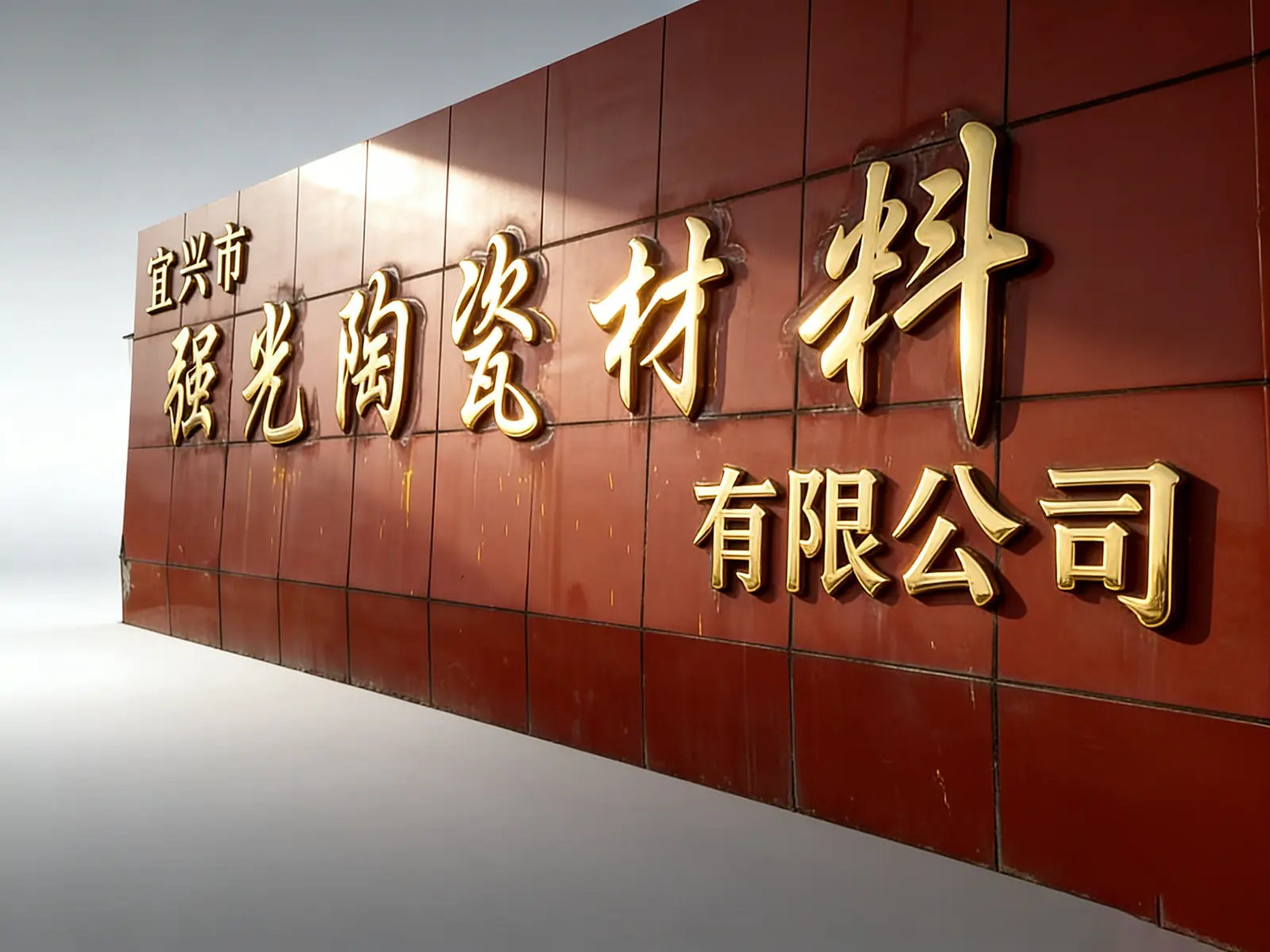
Founded in 2003, Yixing Qiangguang Ceramic Materials Co., Ltd. is a professional provider dedicated to the research and development (R&D), manufacturing, and application solutions of high-performance advanced ceramic materials. It is among the few enterprises in China that possess a complete industrial chain, covering key links from powder forming, sintering and precision machining to the provision of integrated application solutions.
The company is also a rare domestic manufacturer engaged in the R&D, production, and supply of a comprehensive portfolio of ceramic materials. Its product range covers zirconia, yttria, alumina, magnesia, aluminum nitride, boron nitride, silicon nitride, silicon carbide, aluminum titanate and other key ceramic materials for industrial use.
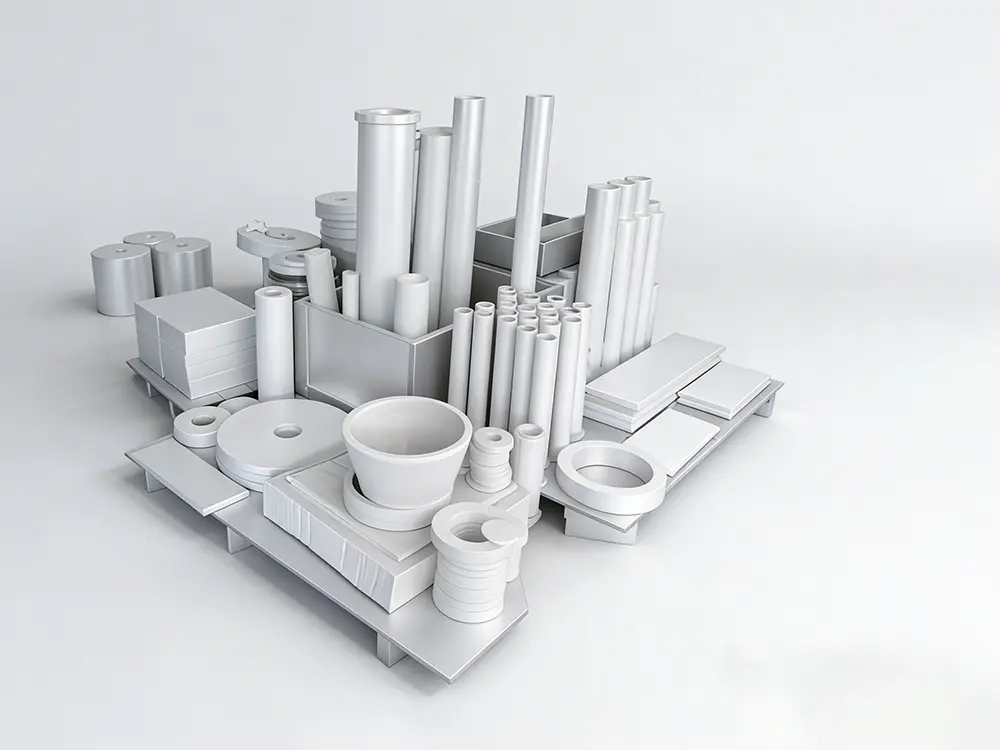
Benefiting from excellent product performance and stable quality, its products are extensively utilized in various high-end fields, such as food and medical industries, new energy vehicles, laser semiconductors, petrochemical engineering, powder metallurgy, national defense and military, as well as aerospace sectors.
Adhering to the core principle of "creating value for customers", Qiangguang provides customized and cost-efficient advanced ceramic solutions tailored to the specific demands of different customers. It is supported by high-quality after-sales services and a strict full-process tracking system, which effectively enhances cooperation efficiency and promotes continuous quality improvement.
From raw nano-powder synthesis, spray drying, and cold isostatic pressing (CIP) to high-temperature gas pressure sintering (GPS) and sub-micron CNC grinding, Qiangguang maintains 100% internal control over material purity and structural integrity.
At present, the company's products are sold well across the country and exported to Italy, the United Kingdom, Australia, Japan, Malaysia, Thailand, Hungary and other countries and regions. Committed to delivering high-quality products at reasonable prices, Qiangguang sincerely looks forward to establishing long-term and stable cooperative relations with global partners.
We tailor specialized ceramic formulations—including customized grain boundaries, metallization layers (DBC/AMB/DPC), and complex micro-fluidic channel geometries—to fulfill strict OEM design parameters for high-power applications.
Selecting the optimal substrate material based on thermal dissipation capacity, flexural toughness, and electrical breakdown threshold.
| Material Type | Thermal Conductivity (W/m·K) | CTE (x 10^-6/K) | Flexural Strength (MPa) | Dielectric Strength (kV/mm) | Primary Thermal Applications |
|---|---|---|---|---|---|
| Aluminum Nitride (AlN) | 170 – 230 | 4.5 | 350 – 400 | >18 | High-power LED chips, RF microwave, Laser diodes, Substrates |
| Silicon Nitride (Si3N4) | 80 – 90 | 3.2 | 700 – 900+ | >20 | EV SiC Traction Inverters, AMB Substrates, Extreme Mechanical Load |
| High-Purity Alumina (Al2O3 - 99.6%) | 28 – 35 | 6.8 – 7.2 | 380 – 450 | >15 | Cost-effective DBC substrates, Automotive sensors, Grinding media |
| Yttria/Magnesia Zirconia (YSZ/MSZ) | 2.5 – 3.0 | 10.0 – 10.5 | 900 – 1200 | >12 | Thermal barrier coatings (TBC), High-wear components, Molten metal nozzles |
| Copper (Cu Reference) | 385 – 400 | 16.5 | 200 | 0 (Conductor) | Conventional Heat Sinks (Prone to delamination & weight limits) |
While standard copper possesses high intrinsic thermal conductivity, its excessive CTE (16.5 x 10^-6/K) causes severe shear stress when bonded directly to silicon chips (CTE 3.0 x 10^-6/K) or SiC chips (CTE 4.0 x 10^-6/K). Aluminum Nitride (AlN) and Silicon Nitride (Si3N4) solve this thermomechanical conflict by providing near-identical thermal expansion coefficients while ensuring absolute electrical isolation without requiring bulky plastic insulation layers.
How China ceramic cooling technologies enable breakthroughs across high-growth industrial sectors.
In 800V high-voltage EV architectures, main inverter modules utilizing Silicon Carbide (SiC) MOSFETs generate massive localized heat fluxes. Silicon Nitride (Si3N4) Active Metal Brazed (AMB) substrates provide the ultimate thermal cooling pathway, withstanding severe thermal shock and vibration over 300,000 automobile life cycles.
Generative AI microprocessors consume up to 1000W per socket, demanding micro-channel ceramic cold plates. Aluminum Nitride micro-fluidic substrates isolate liquid coolants while conducting thermal energy directly away from silicon dice with zero risk of electrical short-circuiting.
High-power continuous wave (CW) laser diodes require sub-micron coplanar ceramic mounting submounts. High-purity AlN submounts feature surface roughness (Ra < 0.02 µm) and low dielectric constants, suppressing parasitic signal distortion while maintaining stable junction temperatures.
Aluminum Titanate (Al2TiO5) and Stabilized Zirconia ceramics provide unparalleled thermal shock resistance and non-wetting properties against molten aluminum and aggressive chemical feeds, extending structural cooling component operational lifespans by up to 400%.
Anticipating material science breakthroughs from 2025 through 2035 in high-frequency power electronics.
Transitioning from tape casting and dry pressing to stereolithography (SLA) 3D printing of complex internal biomimetic flow cooling channels inside AlN and Si3N4 ceramic matrices, reducing thermal resistance by an additional 35%.
Development of commercial-grade single-crystal nitrides and nanostructured ceramic composites achieving thermal conductivity values exceeding 300 W/m·K at room temperature, catering to 1200V+ wide-bandgap semiconductors.
Fusing synthetic CVD diamond thin films with Silicon Nitride base substrates via low-temperature transient liquid phase (TLP) bonding, opening unprecedented thermal management horizons for spaceborne radar and fusion power controls.
Addressing key engineering inquiries regarding procurement, thermal performance, and material selection for China ceramic cooling components.
Discover additional high-performance technical ceramics, structural powders, and grinding media engineered by Yixing Qiangguang.