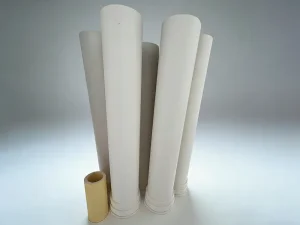
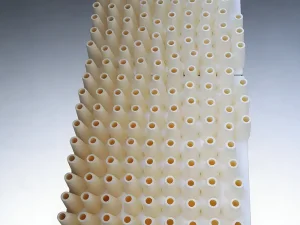
Explore our primary inventory of high-performance technical ceramics, engineered for extreme mechanical wear, chemical resistance, and high-voltage dielectric insulation.
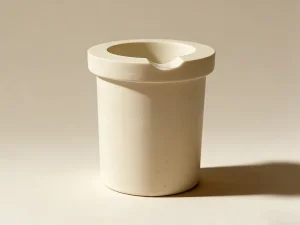
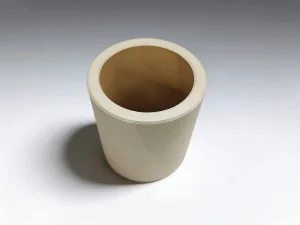
In modern industrial engineering, high-purity Alumina Ceramic Rings (Al₂O₃) represent a cornerstone material class within technical ceramics. Renowned for their extraordinary combination of mechanical hardness, high thermal conductivity, exceptional dielectric strength, and resistance to severe chemical erosion, these precision-engineered annular components are indispensably integrated across semiconductor manufacturing, petrochemical fluid sealing, power generation, and aerospace propulsion systems.
As global high-tech industries transition toward extreme operational environments—characterized by elevated plasma densities, hyper-corrosive chemical media, and sub-micron spatial tolerances—the reliance on standard metal alloys and polymers has rapidly diminished. Sintered alumina ceramic rings provide an unyielding structural solution capable of maintaining mechanical integrity at working temperatures surpassing 1600°C while offering near-zero outgassing under high vacuum.
The international wholesale supply market for industrial ceramic components is undergoing a rapid consolidation toward integrated direct-from-factory suppliers capable of managing the entire value chain—from sub-micron synthetic powder preparation and Cold Isostatic Pressing (CIP) to precision diamond grinding and non-destructive quality verification. High-volume procurement managers, process engineers, and B2B buyers now prioritize suppliers capable of offering strict lot-to-lot consistency, validated material traceabilities, and customized geometrical engineering tailored to specific industrial OEM blueprints.
Alumina ceramic rings are categorized primarily by their aluminum oxide purity content. Selecting the optimal purity grade requires balancing mechanical toughness, thermal behavior, dielectric isolation, and total unit procurement cost.
| Material Property | 95% Al₂O₃ (Structural) | 99.0% Al₂O₃ (High Purity) | 99.5% - 99.8% Al₂O₃ (Ultra-Purity) | Zirconia Toughened Alumina (ZTA) |
|---|---|---|---|---|
| Density (g/cm³) | 3.65 | 3.90 | 3.96 - 3.98 | 4.10 - 4.35 |
| Flexural Strength (MPa) | 330 | 380 | 420 - 450 | 650 - 850 |
| Vickers Hardness (HV) | 14.0 GPa | 15.5 GPa | 17.0 GPa | 18.5 GPa |
| Thermal Conductivity (W/m·K) | 18 - 22 | 28 - 30 | 32 - 35 | 24 - 28 |
| Dielectric Strength (kV/mm) | 15.0 | 17.0 | 18.5 | 16.5 |
| Primary Application | Wear eyelets, general seals | Chemical pump rings, bushings | Semiconductor etch rings, vacuum feedthroughs | Extreme pressure valve rings, heavy impact wear |
To eliminate internal voids and micro-porosity, high-tier factories utilize ultra-high-pressure CIP technology (100–250 MPa). This ensures isotropic green body density, resulting in uniform volumetric shrinkage during high-temperature sintering.
Atmosphere-controlled high-temperature kilns reaching 1650°C - 1750°C promote complete α-phase recrystallization. Control over heating profiles prevents grain growth, maximizing intercrystalline shear strength.
Post-sintering finish grinding employs multi-axis CNC machines equipped with resin-bonded diamond wheels. Flatness, roundness, and concentricity are controlled within ±0.002mm tolerances for demanding optical and semiconductor seals.
From subsea oil drilling rigs to sub-nanometer semiconductor fabrication plants, Alumina Ceramic Rings perform vital functional duties where traditional metals deform, corrode, or experience dielectric breakdown.
In plasma etching and CVD equipment, chemical reactive gases (such as NF₃, CF₄, and Cl₂) generate harsh plasma fields. High-purity 99.7% Al₂O₃ rings act as focus rings, gas distribution rings, and chamber liners, offering exceptional plasma erosion resistance, minimal particle contamination, and superior thermal conductivity.
Heavy-duty mechanical face seals in slurry pumps, agitators, and chemical centrifuges face abrasive slurries, hot acids, and continuous friction. Alumina seal rings mated against carbon-graphite or silicon carbide provide zero-leakage performance under extreme PV (Pressure-Velocity) operational parameters.
Electric power distribution equipment and high-voltage vacuum circuit breakers demand structural rings with low dielectric loss and high insulation resistance at kilovolt ratings. Metallized alumina ceramic rings allow hermetic brazing directly to copper or Kovar metal components.
In advanced internal combustion systems, EV power electronics heat sinks, and jet engine thermal sensors, ceramic insulating rings prevent heat transfer to sensitive electronics while resisting thermal shock and micro-vibrations.
Meeting the demands of global tier-1 industrial clients requires complete end-to-end operational control. By combining advanced powder synthesis with precision grinding and customized application engineering, full-chain ceramic manufacturing ensures uncompromised quality control.
Founded in 2003, Yixing Qiangguang Ceramic Materials Co., Ltd. is a professional provider dedicated to the research and development (R&D), manufacturing, and application solutions of high-performance advanced ceramic materials. It is among the few enterprises in China that possess a complete industrial chain, covering key links from powder forming, sintering, and precision machining to the provision of integrated application solutions.
The company is also a rare domestic manufacturer engaged in the R&D, production, and supply of a comprehensive portfolio of ceramic materials. Its product range covers zirconia, yttria, alumina, magnesia, aluminum nitride, boron nitride, silicon nitride, silicon carbide, aluminum titanate, and other key ceramic materials for industrial use.
Benefiting from excellent product performance and stable quality, its products are extensively utilized in various high-end fields, such as food and medical industries, new energy vehicles, laser semiconductors, petrochemical engineering, powder metallurgy, national defense and military, as well as aerospace sectors.
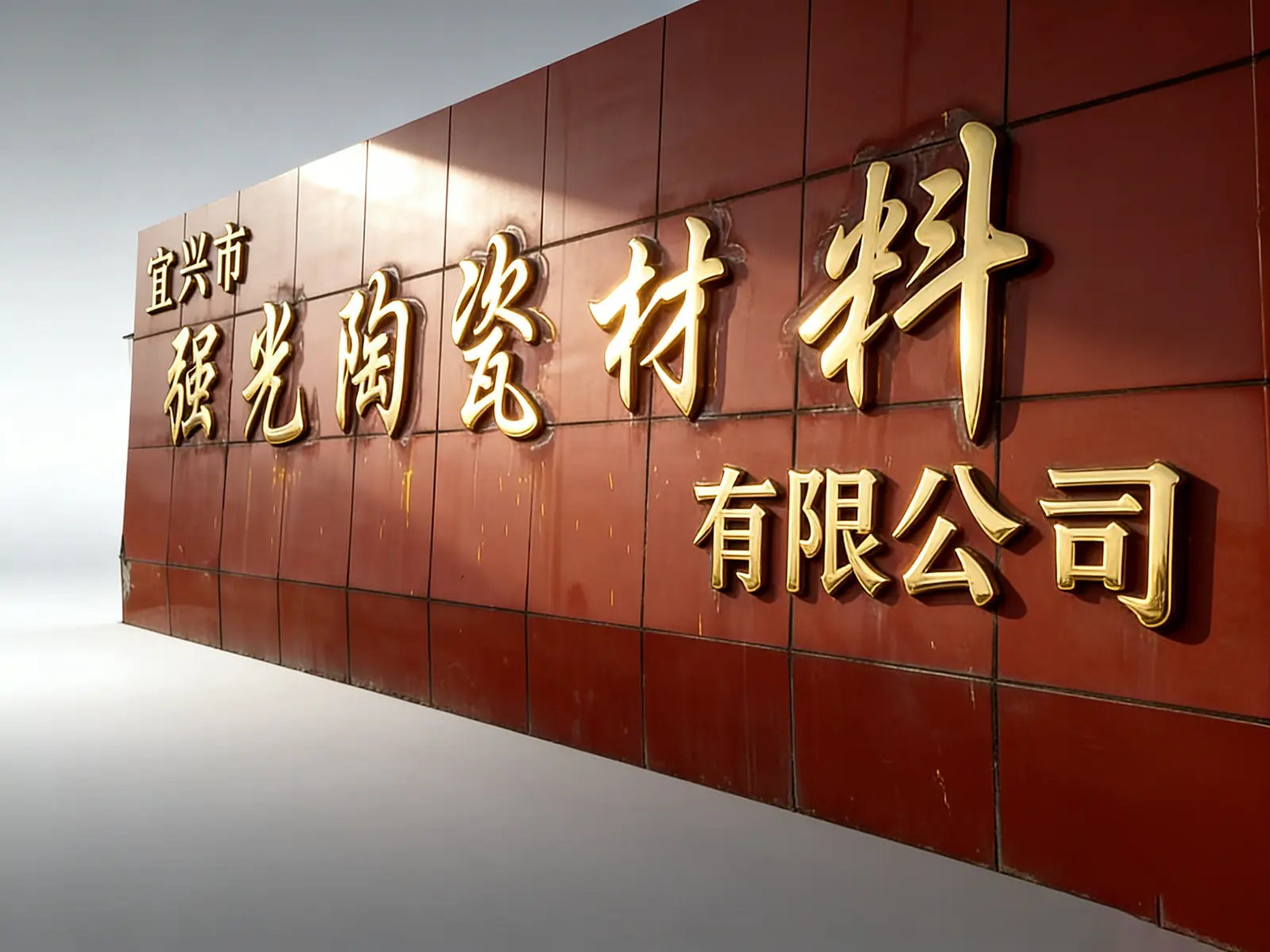
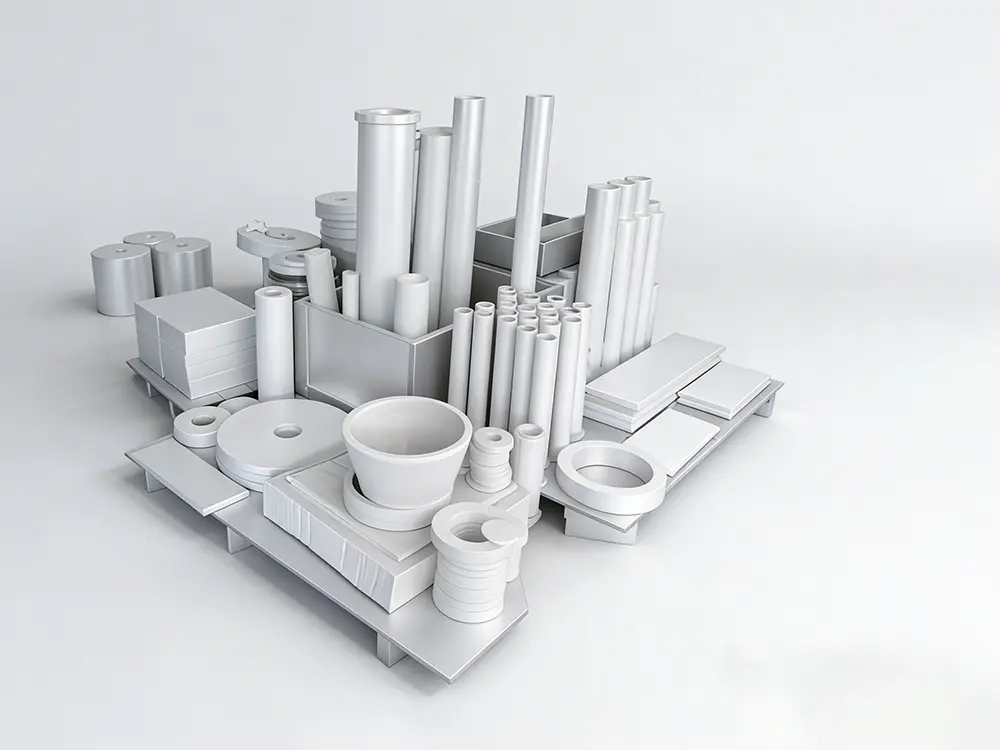
Our Principle: Adhering to the core principle of "creating value for customers", Qiangguang provides customized and cost-efficient advanced ceramic solutions tailored to the specific demands of different customers. It is supported by high-quality after-sales services and a strict full-process tracking system, which effectively enhances cooperation efficiency and promotes continuous quality improvement.
Global Presence: At present, the company's products are sold well across the country and exported to Italy, the United Kingdom, Australia, Japan, Malaysia, Thailand, Hungary, and other countries and regions. Committed to delivering high-quality products at reasonable prices, Qiangguang sincerely looks forward to establishing long-term and stable cooperative relations with global partners.
As manufacturing demands shift toward sub-micron precision, net-shape additive manufacturing, and extreme thermal resilience, advanced technical ceramics are undergoing a massive evolutionary upgrade.
Implementation of nano-powder doping techniques and spark plasma sintering (SPS) to achieve average grain sizes below 0.5 µm. This increases fracture toughness and surface finish capabilities, yielding Ra values under 0.01 µm for optical and semiconductor applications.
Commercialization of stereolithography (SLA) and Digital Light Processing (DLP) 3D printing for complex alumina ring geometries with internal cooling micro-channels. Eliminates diamond tooling limitations and reduces rapid prototyping turnaround from weeks to days.
Transition of production kilns to green hydrogen fuel and ultra-efficient microwave-assisted sintering techniques, cutting operational carbon footprint by over 70% while maintaining absolute crystal homogeneity across massive industrial ring dimensions.
Navigating the global procurement landscape for wholesale alumina ceramic rings requires evaluating critical operational metrics beyond baseline per-unit costs. Quality control failures in high-purity ceramic rings can trigger unplanned system shutdowns, toxic chemical leaks, or semiconductor wafer scrap costs exceeding tens of thousands of dollars per event.
Our engineering team works directly with OEM design departments to optimize ring geometries for ceramic production. By recommending appropriate edge chamfers, stress-relief radiuses, and wall thickness ratios, we eliminate localized stress concentrations that cause premature thermal shock cracking.
Every production batch undergoes meticulous quality verification steps before international dispatch. We provide comprehensive documentation packages designed to support full industrial quality compliance.
Expert insights into technical specifications, material selection criteria, machining capabilities, and global procurement procedures.
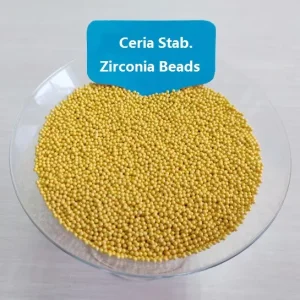
In addition to alumina ceramic rings, our full manufacturing suite supplies specialized zirconia, aluminum nitride, and structural ceramic media globally.
Empower your system components with industry-certified technical ceramics engineered for zero operational downtime. Contact our material specialists today to request technical CAD evaluations, custom price quotations, or sample testing batches.