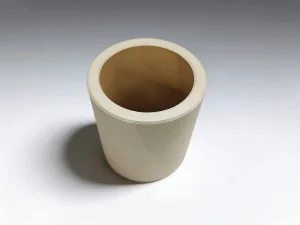
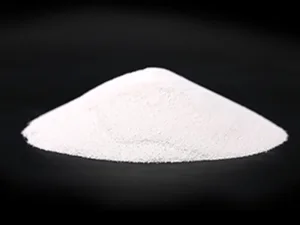
Explore our flagship ceramic injection molded components engineered for extreme environments, thermal management, and precision wear resistance.
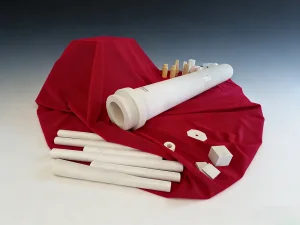
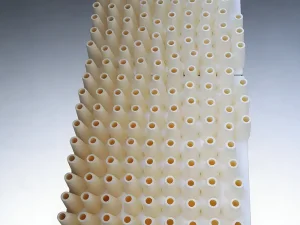
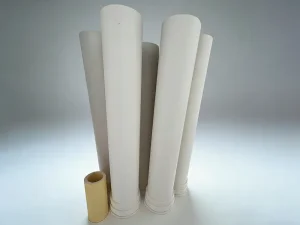
Integrating Ceramic Injection Molding (CIM) and Powder Injection Molding (PIM) to transcend traditional plastic and CNC metal machining limitations.
The modern global manufacturing sector is undergoing a profound paradigm shift driven by requirements for extreme micro-precision, elevated operating temperatures, wear resistance, and chem-thermal stability. Traditional plastic injection molding, while efficient for low-cost consumer goods, fails under harsh mechanical or thermal stresses. Conversely, traditional machining of refractory metals and technical ceramics incurs prohibitive tool wear and complex geometric limitations.
This industry whitepaper evaluates the wholesale ceramic injection molding (CIM) landscape, detailing how leading China manufacturers utilize micro-powder synthesis, specialized multi-component organic binder systems, debinding physics, and high-temperature sintering. By combining the geometric freedom of plastic injection molding with the extraordinary material properties of technical ceramics—such as Zirconia ($ZrO_2$), High-Purity Alumina ($Al_2O_3$), Silicon Nitride ($Si_3N_4$), and Aluminum Nitride ($AlN$)—industrial OEMs achieve unmatched component longevity and performance metrics.
Comprehensive End-to-End Industrial Chain Integration from Powder Formulation to Precision Machining
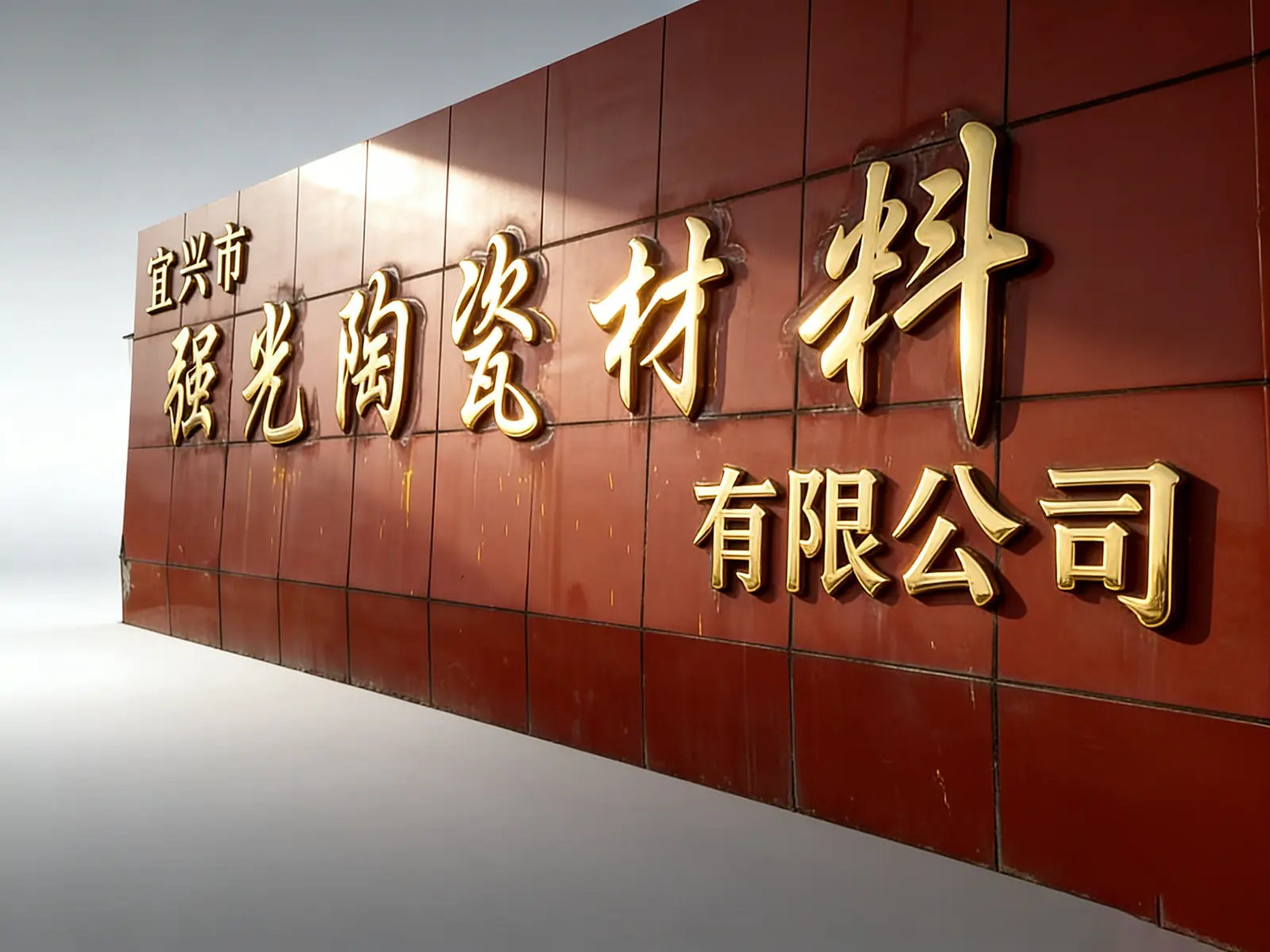
Founded in 2003, Yixing Qiangguang Ceramic Materials Co., Ltd. is a professional provider dedicated to the research and development (R&D), manufacturing, and application solutions of high-performance advanced ceramic materials. It is among the few enterprises in China that possess a complete industrial chain, covering key links from powder forming, sintering and precision machining to the provision of integrated application solutions.
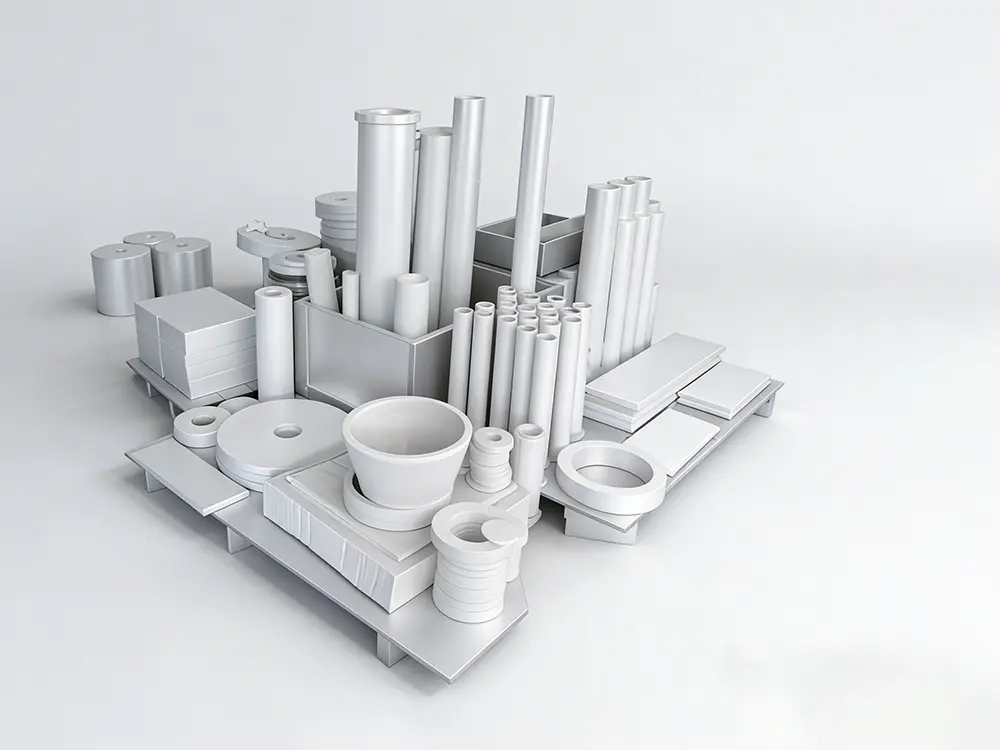
The company is also a rare domestic manufacturer engaged in the R&D, production, and supply of a comprehensive portfolio of ceramic materials. Its product range covers zirconia, yttria, alumina, magnesia, aluminum nitride, boron nitride, silicon nitride, silicon carbide, aluminum titanate and other key ceramic materials for industrial use.
Benefiting from excellent product performance and stable quality, its products are extensively utilized in various high-end fields, such as food and medical industries, new energy vehicles, laser semiconductors, petrochemical engineering, powder metallurgy, national defense and military, as well as aerospace sectors.
Adhering to the core principle of "creating value for customers", Qiangguang provides customized and cost-efficient advanced ceramic solutions tailored to the specific demands of different customers. It is supported by high-quality after-sales services and a strict full-process tracking system, which effectively enhances cooperation efficiency and promotes continuous quality improvement.
At present, the company's products are sold well across the country and exported to Italy, the United Kingdom, Australia, Japan, Malaysia, Thailand, Hungary and other countries and regions. Committed to delivering high-quality products at reasonable prices, Qiangguang sincerely looks forward to establishing long-term and stable cooperative relations with global partners.
Comprehensive physical, mechanical, and thermal properties of injection molded technical ceramics to empower accurate material selection for high-stress applications.
| Material Class | Density (g/cm³) | Flexural Strength (MPa) | Thermal Cond. (W/m·K) | Max Temp (°C) | Key Engineering Characteristics |
|---|---|---|---|---|---|
| Yttria-Stabilized Zirconia (YSZ) | 6.02 - 6.05 | 900 - 1200 | 2.5 - 3.0 | 1200 | Exceptional fracture toughness, high flexural strength, wear and bio-inertness. |
| Alumina (Al₂O₃ 99.8%) | 3.92 - 3.96 | 350 - 450 | 30.0 - 35.0 | 1600 | Excellent electrical insulation, high hardness, chemical corrosion resistance. |
| Silicon Nitride (Si₃N₄) | 3.20 - 3.25 | 800 - 1000 | 30.0 - 40.0 | 1400 | Extreme thermal shock resistance, low coefficient of friction, high fatigue strength. |
| Aluminum Nitride (AlN) | 3.26 - 3.30 | 300 - 350 | 170.0 - 200.0 | 1000 (Air) | Ultra-high thermal conductivity paired with high electrical resistivity. |
| Aluminum Titanate (Al₂TiO₅) | 3.30 - 3.60 | 40 - 80 | 1.5 - 2.0 | 1400 | Near-zero thermal expansion, zero non-ferrous metal wetting, extreme thermal shock durability. |
| Magnesium Oxide (MgO) | 3.58 - 3.65 | 200 - 250 | 45.0 - 60.0 | 2300 | High-temperature electrical insulation, plasma resistance, slag corrosion protection. |
A step-by-step technological breakdown of manufacturing zero-defect complex-geometry advanced ceramic components.
High-purity ceramic powders (sub-micron grain size) are combined with customized multi-component organic binder systems (thermoplastics, waxes, and surfactants) in high-shear kneaders. The resulting homogeneous feedstock guarantees consistent melt rheology during injection.
Feedstock is injected into complex, multi-cavity hardened steel molds under controlled thermal and pressure parameters. This stage forms the "green body", achieving complex shapes, undercuts, micro-threads, and internal channels without machining.
The organic binder is extracted through solvent, thermal, or catalytic debinding regimes, producing a "brown body". Exact temperature ramp control prevents internal blistering, micro-cracking, or warping during phase transitions.
Brown bodies are subjected to ultra-high-temperature sintering (up to 1800°C depending on material) in vacuum, reducing, or inert atmospheres. Linear shrinkage (typically 15-22%) is precisely modeled to reach >99.5% theoretical density.
For ultra-critical mating surfaces, sintered parts undergo diamond grinding, surface polishing, or laser drilling. This guarantees tolerances down to ±0.001mm and surface roughness ($R_a$) below 0.05µm.
Finished components undergo automated 3D CMM inspection, micro-hardness testing, thermal shock validation, and non-destructive ultrasonic flaw detection to ensure zero defects prior to dispatch.
Deploying advanced ceramic injection molding solutions to solve mission-critical challenges across diverse high-tech manufacturing sectors.
In modern Electric Vehicles (EVs), thermal runaway management and high-voltage insulation are vital. Injection molded Aluminum Nitride ($AlN$) and Alumina ($Al_2O_3$) power module substrates, heat sinks, and ceramic insulator bushings deliver extreme thermal conductivity while resisting dielectric breakdown up to 25 kV/mm.
Inside plasma etch chambers and wafer handling robots, components face reactive plasma gases and intense thermal cycling. Injection-molded Silicon Nitride ($Si_3N_4$) vacuum chucks, pin guides, and High-Purity Alumina end-effectors prevent particle contamination and maintain dimensional stability under extreme vacuum environments.
Medical OEM integrators utilize Yttria-Stabilized Zirconia (YSZ) for ceramic scalpel blades, dental implant abutments, and endoscopic surgical tools. CIM enables intricate ergonomic geometries, exceptional biocompatibility, zero magnetic interference during MRI scans, and total resistance to repeated autoclave sterilization.
Downhole oil drilling tools and chemical dosing pumps experience severe slurry erosion and acid corrosion. Wholesale Magnesium Oxide (MgO) and Zirconia valve seats, impellers, and wear sleeves outperform hardened tool steels by 10x to 20x in operational life, substantially decreasing off-shore maintenance downtime.
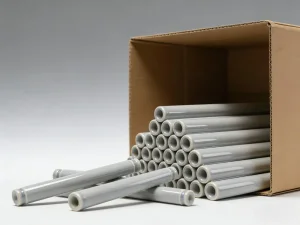
Aluminum Titanate ($Al_2TiO_5$) injection molded dosing tubes, riser tubes, and nozzles possess near-zero thermal expansion and non-wetting properties with molten aluminum and magnesium alloys. This prevents structural degradation and metal adhesion in low-pressure die-casting facilities.
Precision ceramic gyroscopes, missile radomes, and high-temperature sensor housings require materials capable of retaining structural integrity above 1200°C. Micro-injection molded silicon carbide and silicon nitride structural components meet stringent aerospace quality protocols and mass-density targets.
Why Tier-1 Global Procurement Directors Partner with Yixing Industrial Ceramic Centers of Excellence
Located in Yixing—China's recognized ceramic capital—Qiangguang leverages direct access to high-purity rare earth oxides, zirconia powders, and refined alumina sources. Vertical integration ensures raw material batch-to-batch consistency and shields global clients from supply shocks.
Injection molding tooling costs in China are typically 40-60% lower than in Western Europe or North America. Fast-track CNC EDM tooling fabrication reduces prototyping lead times from 16 weeks down to just 3 to 4 weeks, accelerating time-to-market for volume production.
From powder synthesis and feedstock compounding to sintering and CNC diamond grinding, having all process units in-house guarantees complete IP protection, process transparency, and rigorous control over production schedules.
Adhering to E-E-A-T Principles with Rigorous Inspection Protocols and Global Standard Certifications
To support high-reliability engineering sectors such as healthcare, aerospace, and semiconductor manufacturing, Yixing Qiangguang operates a comprehensive Quality Management System (QMS) aligned with international standards including ISO 9001 and ISO 13485.
Automated optical and tactile 3D CMM inspection systems verify complex geometric dimensioning and tolerancing (GD&T) parameters to micron-level repeatability across large production batches.
In-house SEM and X-Ray diffraction micro-analysis monitor crystal grain growth, phase purity (such as monoclinic phase percentages in YSZ), and interface pore distribution post-sintering.
All advanced ceramic formulations, binders, and surface treatments comply fully with EU RoHS, REACH, and Conflict Minerals regulations, guaranteeing seamless import customs clearance for global OEMs.
Advancing the Frontiers of Additive-Injection Hybrids, AI Process Controls, and Green Ceramics
Integrating piezoelectric sensor arrays inside injection molds allows real-time artificial intelligence algorithms to adjust injection velocity, packing pressure, and mold wall temperatures dynamically, eliminating sink marks and internal density variations.
Combining additive manufacturing with conventional CIM enables rapid prototyping via 3D-printed ceramic inserts with conformal cooling channels. This reduces cycle times by up to 30% while permitting low-volume customized production runs.
Next-generation bio-derived polymer binder systems facilitate rapid debinding at lower thermal thresholds, cutting carbon emissions during sintering while enabling zero-solvent aqueous debinding workflows.
In-Depth Answers to Critical Engineering and Sourcing Queries for B2B Buyers and Technical Directors
Explore additional high-performance technical ceramic products engineered by Yixing Qiangguang Materials Co., Ltd.