
Engineered for extreme wear resistance, thermal shock stability, and micro-precision grinding across demanding industrial environments.
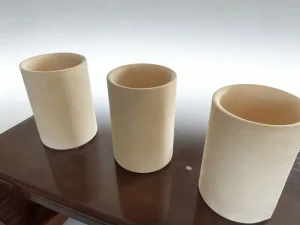
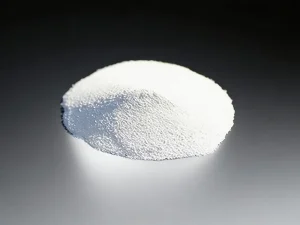
Analyzing the macro-economic factors, technological convergence, and material engineering driving modern workshop machinery and precision tool manufacturing.
In the contemporary industrial ecosystem, global workshop machinery has evolved far beyond traditional mechanical milling and basic lathe turning. Today’s industrial landscape demands extreme precision, sub-micron tolerances, zero contamination risk, and exceptional durability under severe operational stress. As industries such as electric vehicle (EV) battery manufacturing, semiconductor fabrication, aerospace engineering, and advanced metallurgy accelerate, the reliance on high-performance materials within workshop machinery has reached unprecedented levels.
Modern workshop machinery manufacturers and B2B procurement directors are increasingly looking toward advanced ceramic integration—specifically Yttria-Stabilized Zirconia (YSZ), Aluminum Nitride (AlN), Silicon Nitride (Si3N4), and High-Purity Alumina (Al2O3)—to solve systemic friction, thermal degradation, and mechanical wear challenges that legacy alloy steel machinery components cannot withstand.
Understanding the crystallographic and mechanical advantages of specialized industrial powders, grinding media, and structural ceramic elements.
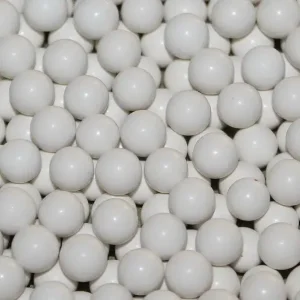
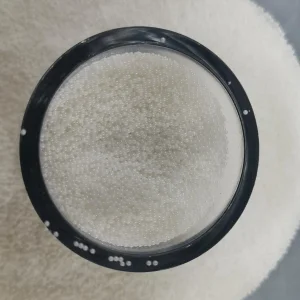
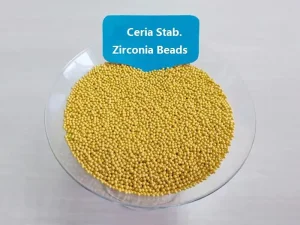
Zirconia ceramics stabilized with Yttria (YSZ), Magnesia (Mg-SZ), or Calcia (Ca-SZ) demonstrate high fracture toughness via phase transformation toughening. In workshop grinding machinery, YSZ media provides high density (6.0 g/cm³) and minimum wear rates.
Aluminum Nitride offers high thermal conductivity (170–230 W/m·K) coupled with high electrical resistivity. Essential for precision workshop equipment handling thermal dissipation in laser electronics and semiconductor chucks.
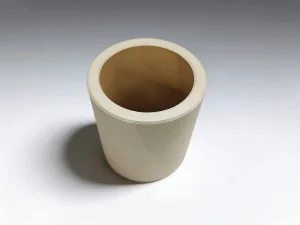
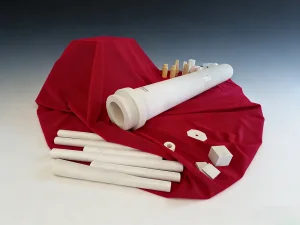
Forming the backbone of cost-efficient workshop wear components, 95% to 99.7% pure Alumina ceramic balls and plates provide high Vickers hardness (HV1500+), ensuring zero iron contamination during micro-milling operations.
China's industrial machinery manufacturing sector has evolved into a global leader in advanced ceramics synthesis and precision machine component manufacturing. Driven by complete industrial cluster ecosystems, vertical raw material integration, and automated cold isostatic pressing (CIP) technologies, Chinese manufacturers offer unmatched production throughput and cost efficiency.
Key strategic advantages for international buyers include:
How factory-direct advanced ceramics outperform traditional metallic workshop components:
A premier manufacturer dedicated to the research, development, and application engineering of high-performance advanced ceramic materials.
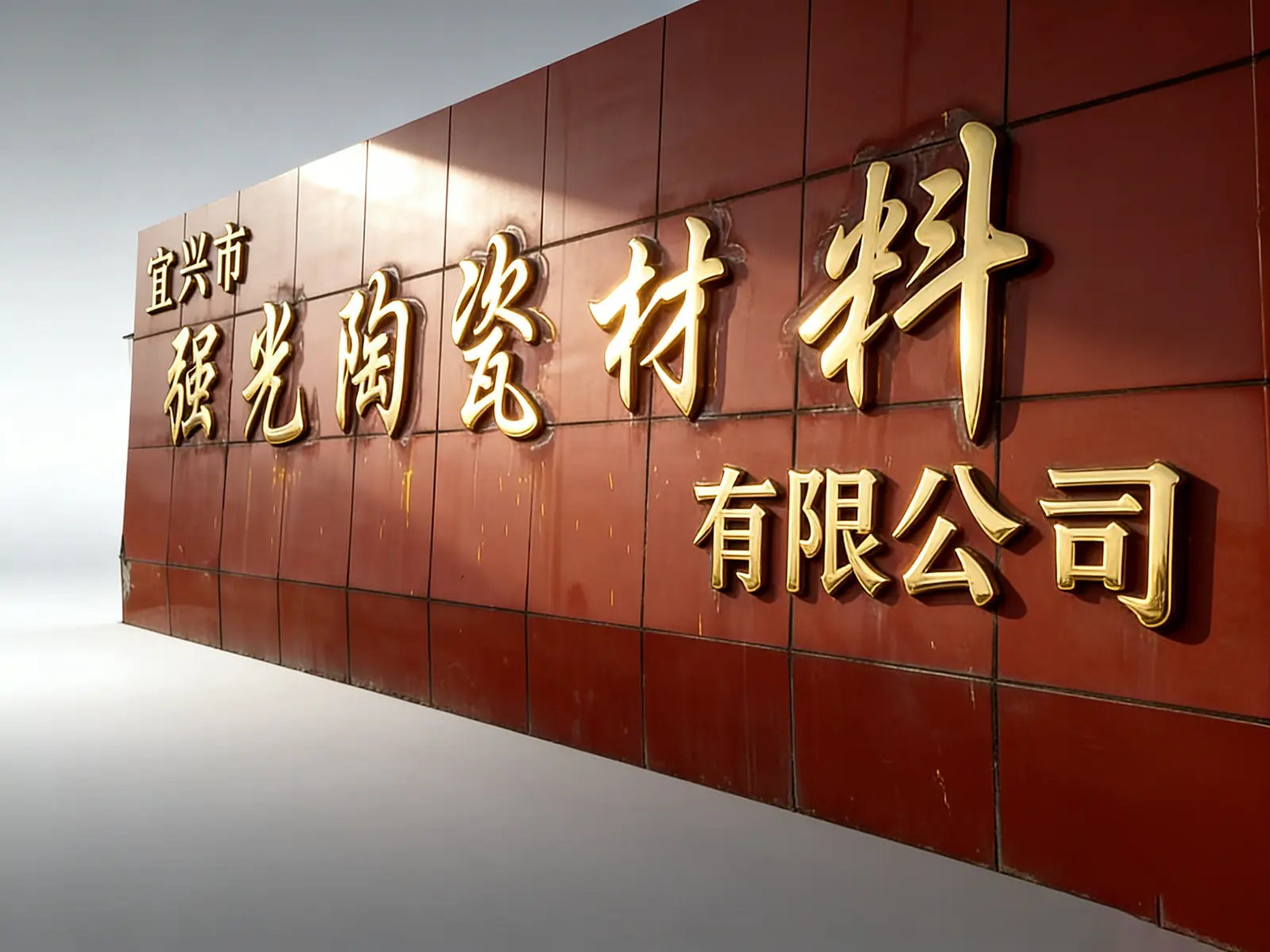
Founded in 2003, Yixing Qiangguang Ceramic Materials Co., Ltd. is a professional provider dedicated to the research and development (R&D), manufacturing, and application solutions of high-performance advanced ceramic materials. It is among the few enterprises in China that possess a complete industrial chain, covering key links from powder forming, sintering and precision machining to the provision of integrated application solutions.
The company is also a rare domestic manufacturer engaged in the R&D, production, and supply of a comprehensive portfolio of ceramic materials. Its product range covers zirconia, yttria, alumina, magnesia, aluminum nitride, boron nitride, silicon nitride, silicon carbide, aluminum titanate and other key ceramic materials for industrial use.
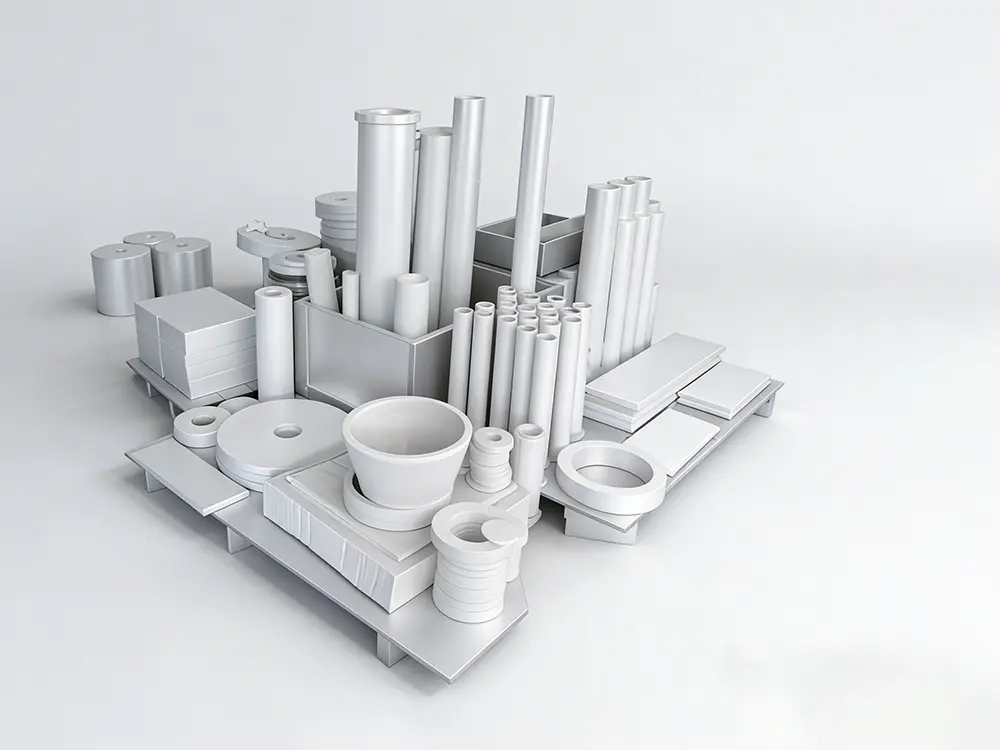
Benefiting from excellent product performance and stable quality, its products are extensively utilized in various high-end fields, such as food and medical industries, new energy vehicles, laser semiconductors, petrochemical engineering, powder metallurgy, national defense and military, as well as aerospace sectors.
Adhering to the core principle of "creating value for customers", Qiangguang provides customized and cost-efficient advanced ceramic solutions tailored to the specific demands of different customers. It is supported by high-quality after-sales services and a strict full-process tracking system, which effectively enhances cooperation efficiency and promotes continuous quality improvement.
At present, the company's products are sold well across the country and exported to Italy, the United Kingdom, Australia, Japan, Malaysia, Thailand, Hungary and other countries and regions. Committed to delivering high-quality products at reasonable prices, Qiangguang sincerely looks forward to establishing long-term and stable cooperative relations with global partners.
Custom ceramic workshop machinery and grinding components configured for extreme environment requirements.
Nano-sized YSZ beads and ceramic-lined bead mills are vital for dispersion of lithium iron phosphate (LFP) and nickel-manganese-cobalt (NMC) cathode slurries without metallic contamination.
High thermal conductivity Aluminum Nitride (AlN) substrates and silicon carbide components serve as electrostatic chucks, structural end-effectors, and thermal spreaders in wafer processing tools.
Aluminium Titanate (Al2TiO5) ceramics, recognized for their near-zero thermal expansion coefficient and low thermal conductivity, are extensively utilized in molten metal handling and rocket nozzle thermal shielding.
Medical-grade Yttria-Stabilized Zirconia components provide inertness, zero cytotoxicity, and exceptional compressive strength for orthopedic joint heads, dental prostheses, and surgical tools.
High-purity alumina grinding media ensures strict batch purity in active pharmaceutical ingredient (API) processing, cosmetics formulation, and ultra-white pigment dispersion.
Emerging developments in smart manufacturing, sub-micron powder synthesis, and green sintering processes.
Modern workshop grinding machinery is integrating acoustic emission sensors and AI predictive algorithms to measure real-time ceramic bead degradation. This eliminates unexpected mill shutdown and optimizes batch milling cycles.
Demand for nano-scale particles in solid-state battery electrolytes requires grinding media with ultra-small diameters (down to 0.05mm YSZ beads) produced with zero internal voids and sphericity exceeding 99%.
Leading Chinese factories are transitioning to high-efficiency electric pressureless sintering kilns paired with renewable solar energy grids, reducing the embodied carbon footprint of industrial ceramic components by 35%.
Advancements in 3D ceramic printing (Stereolithography & Binder Jetting) allow complex internal cooling channels within workshop tooling that traditional diamond machining could never produce.
A step-by-step technical guide for procurement managers evaluating advanced ceramic materials and OEM machinery suppliers.
Specify exact thermal gradient (°C/min), chemical environment (pH range), mechanical load (MPa), and acceptable wear rates (g/kWh) before selecting material composition.
Request Scanning Electron Microscopy (SEM) analysis and density verification (e.g., >6.0g/cm³ for YSZ) to ensure absence of inter-granular pores.
Partner with manufacturers like Yixing Qiangguang that manage raw powder preparation through precision CNC diamond grinding in-house.
Calculate Total Cost of Ownership (TCO) based on reduced maintenance frequency, lower contamination risks, and extended machinery service lifespans.
Explore our full line of specialized ceramic materials, stabilized powders, and precision components.
Answers to essential technical, logistical, and material selection questions regarding workshop machinery components.