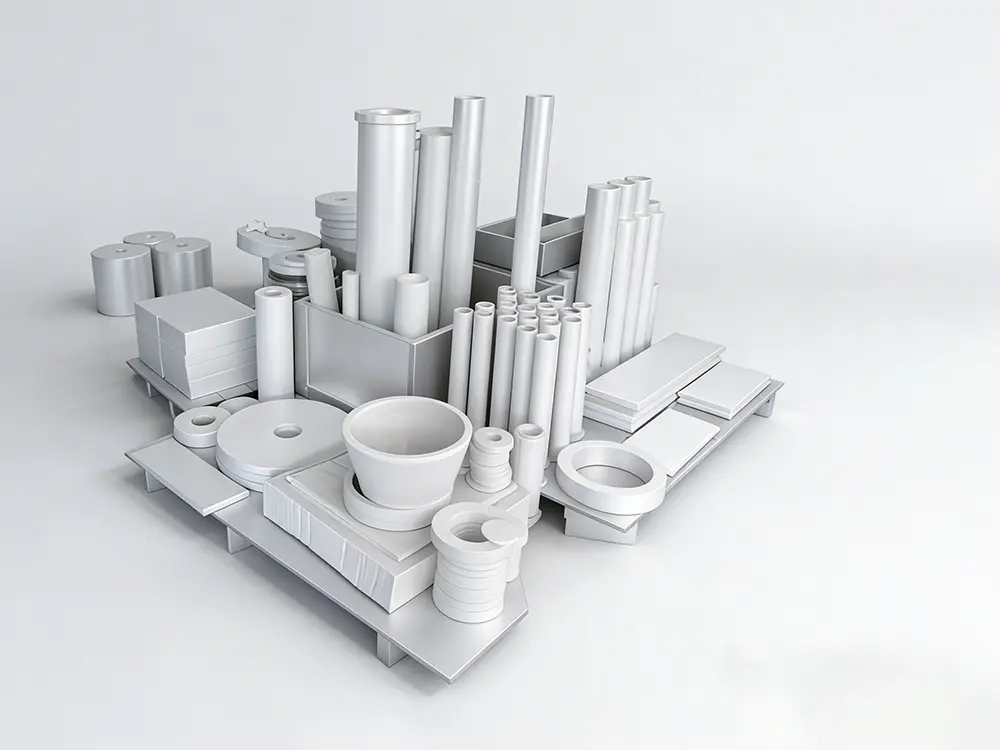
High-precision ceramic grinding media, engineering components, and stabilized zirconia formulations directly supplied by certified Chinese factories for high-wear nano-milling environments.
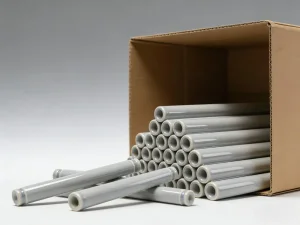
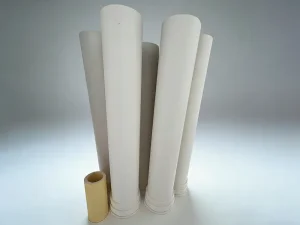
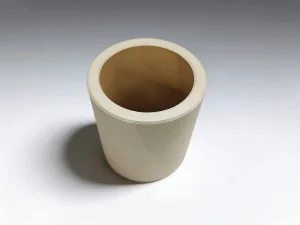
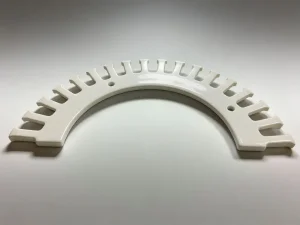
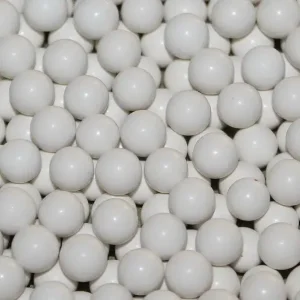
How advanced ceramic grinding machines, ultra-fine agitation bead mills, and specialized structural ceramic media drive next-generation manufacturing efficiency across global high-tech industries.
Modern wet-milling and dry-grinding applications demand particle size reduction down to the sub-micron and nanometer range (<100nm). Advanced ceramic grinding machines equipped with Yttria-Stabilized Zirconia (Y-TZP) beads eliminate metallic contamination, rendering them essential for battery cathode slurry, pharmaceutical synthesis, and semiconductor chemical mechanical planarization (CMP).
Industrial grinding environments generate intense mechanical shear and thermal stress. Structural ceramics such as Silicon Nitride (Si3N4), Aluminum Nitride (AlN), and Magnesium-Stabilized Zirconia exhibit exceptional fracture toughness (>9 MPa·m¹/²), high thermal shock resistance, and zero chemical reactivity under aggressive acid/alkali exposures.
Procuring ceramic grinding machinery and high-purity media from Chinese manufacturing hubs yields a 35% to 50% reduction in total life-cycle costs. With lower wear rates, prolonged operational uptime, and competitive direct-from-factory pricing, enterprise buyers achieve maximum cost-efficiency without compromising technical compliance.
Empowering worldwide industrial clients with end-to-end ceramic synthesis, precision machining, and specialized milling solutions.
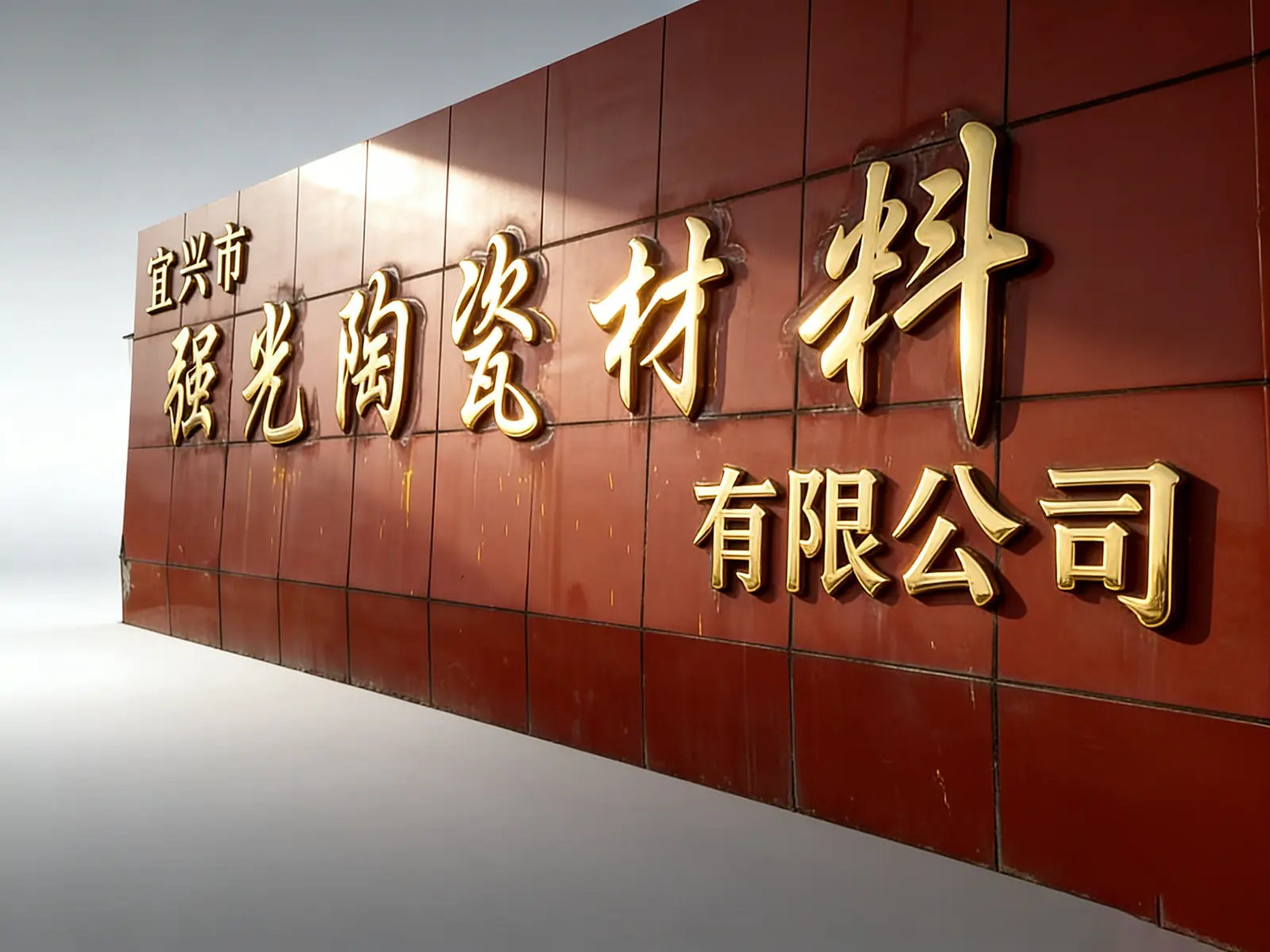
Founded in 2003, Yixing Qiangguang Ceramic Materials Co., Ltd. is a professional provider dedicated to the research and development (R&D), manufacturing, and application solutions of high-performance advanced ceramic materials. It is among the few enterprise manufacturers in China that possess a complete, fully integrated industrial chain — spanning key operational links from raw powder synthesis, forming, cold isostatic pressing (CIP), high-temperature sintering, and diamond precision machining, to the engineering of turnkey application solutions.
Qiangguang is a rare domestic manufacturer offering a complete suite of engineering ceramics: Yttria-Stabilized Zirconia (YSZ), Ceria-Stabilized Zirconia (CSZ), Calcium-Stabilized Zirconia, Magnesium-Stabilized Zirconia, High-Purity Alumina (99.5%+ Al2O3), Silicon Nitride (Si3N4), Aluminum Nitride (AlN), Boron Nitride (BN), Silicon Carbide (SiC), Magnesium Oxide (MgO), and Aluminum Titanate.
Adhering to the core philosophy of "Creating Uncompromising Value for Customers," Qiangguang delivers tailored, highly cost-effective advanced ceramic solutions designed to match specific operating parameters. Supported by rigorous technical after-sales assistance and a full-process digital tracking system, cooperation efficiency is maximized while driving continuous quality evolution.
Serving premier industrial users domestic and worldwide, Qiangguang products are exported to key markets including Italy, the United Kingdom, Australia, Japan, Malaysia, Thailand, Hungary, Germany, and the United States. We actively foster transparent, long-term strategic OEM and ODM partnerships with global equipment builders and processing plants.
Understanding the systemic manufacturing, material science, and economic efficiencies that position Chinese producers at the forefront of global grinding technology.
China houses vast deposits and chemical refining facilities for Rare Earth Elements (Yttrium, Cerium, Lanthanum) and synthetic minerals (Zirconium silicate, Alumina). Direct access to raw chemical precursors minimizes raw material cost volatility and ensures strict batch purity control from powder phase transformation to final sintering.
Equipped with state-of-the-art Hot Isostatic Pressing (HIP), pressureless sintering furnaces, and 5-axis CNC diamond grinding centers, Chinese manufacturing plants produce complex ceramic rotor disks, pin-type agitators, and liner sleeves with tolerances within ±0.002mm.
Industrial scalability allows factories to maintain massive output capacities for ceramic grinding media (thousands of metric tons annually). High operational velocity dramatically reduces order lead times for international distributors and large-scale industrial end users.
From custom density formulations (3.6g/cm³ to 6.0g/cm³) to tailored bead sizes (0.05mm nano-microbeads up to 60mm grinding balls), Chinese engineering teams collaborate with international equipment original equipment manufacturers (OEMs) under strict non-disclosure terms.
A comprehensive comparative evaluation of physical properties, mechanical strength, and application suitabilities across core industrial ceramic materials.
| Ceramic Material Grade | Density (g/cm³) | Vickers Hardness (HV10) | Fracture Toughness (MPa·m¹/²) | Thermal Conductivity (W/m·K) | Primary Industrial Applications |
|---|---|---|---|---|---|
| Yttria-Stabilized Zirconia (95% Y-TZP) | ≥ 6.00 | 1,250 - 1,350 | 9.0 - 10.0 | 2.5 - 3.0 | Ultra-fine wet milling, battery cathode/anode slurry, paints & ink pigments |
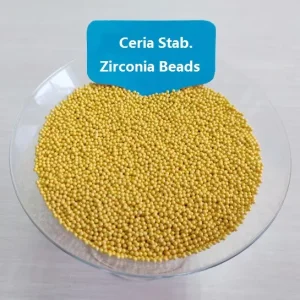
| Ceria-Stabilized Zirconia (CSZ) | ≥ 6.20 | 1,150 - 1,200 | 12.0 - 15.0 | 2.0 | Heavy mineral grinding, calcium carbonate processing, high-viscosity dispersions |
| Silicon Nitride (Si3N4) | 3.20 - 3.25 | 1,500 - 1,700 | 6.0 - 7.5 | 30 - 35 | High-speed mill rotors, thermal shock components, semiconductor bearings |
| High-Purity Alumina (99.5% Al2O3) | 3.85 - 3.92 | 1,600 - 1,750 | 4.0 - 4.5 | 30 | Ball mill grinding media, chemical processing liners, electronic insulators |
| Aluminum Nitride (AlN) | 3.30 | 1,100 - 1,200 | 3.0 - 3.5 | 170 - 200 | High-power electronic substrates, heat sinks, semiconductor thermal management |
| Magnesium Oxide (MgO) Ceramics | 3.58 | 700 - 800 | 2.5 | 40 - 60 | High-temperature crucibles, molten metal containment, harsh chemical environments |
How international purchasing directors optimize capital expenditure, maintain batch-to-batch consistency, and mitigate cross-border supply chain risks.
Procuring low-cost grinding media with high wear rates leads to frequent mill downtime, batch contamination, and product degradation. Qiangguang's Y-TZP beads demonstrate a Specific Wear Rate of <0.01 g/kg, ensuring zero discoloration and extending continuous operation cycles up to 400% compared to conventional glass or low-grade alumina media.
Irregular bead shape or wide size distribution causes localized pressure spikes, mill screen clogging, and uneven kinetic energy transfer. Advanced spray drying and precise classification screening ensure a sphericity ratio >98% and tight Gaussian diameter distribution, ensuring uniform bead movement and predictable particle reduction kinetics.
Whether operating Netzsch, Buhler, Hosokawa Alpine, or domestic Chinese horizontal pin-type bead mills, choosing matched ceramic rotor disks, grinding chambers, and media densities ensures optimal fluid dynamics, preventing premature seal wear and mechanical jamming.
Meeting rigorous international standards ensures seamless integration into regulated European, American, and Asia-Pacific industrial workflows.
Quality management systems certified under ISO 9001 ensure strict traceability from raw material batch logging to final ultrasonic non-destructive testing. Environmental management compliance guarantees sustainable manufacturing.
All ceramic formulations are thoroughly tested to guarantee absolute freedom from hazardous heavy metals (Lead, Cadmium, Mercury, Hexavalent Chromium), fully complying with European Union REACH and RoHS directives.
For pharmaceutical grinding, cosmetics, and food contact applications (such as chocolate or protein refining), specialized inert zirconia and alumina components fulfill strict FDA and GMP sanitary guidelines.
Through global distributor networks across Italy, the UK, Australia, Japan, and Southeast Asia, clients receive localized technical consultation, rapid spare parts fulfillment, and customized mill re-lining services.
From new energy lithium battery processing to aerospace structural components, ceramic grinding technology powers modern industrial innovation.
Challenge: Metallic contamination (Fe, Cr, Ni) causes micro-short circuits and thermal runaway in EV batteries.
Solution: Yttria-Stabilized Zirconia grinding beads (0.1mm - 0.6mm) and pure silicon nitride chamber liners deliver zero-metal dispersion of LFP (Lithium Iron Phosphate) and NCM cathode materials, achieving d90 < 200nm particle sizes.
Challenge: Wafer polishing slurries require precise nanoparticle size distributions to prevent microscopic surface scratching.
Solution: High-purity Alumina and Zirconia media allow uniform shear dispersion of silica, ceria, and alumina CMP polishing agents down to 30nm target ranges with narrow particle size distribution curves.
Challenge: Extreme thermal loads, high-velocity friction, and corrosive environments in turbine nozzles and defense armor.
Solution: Sintered Silicon Nitride (Si3N4) and Magnesium Oxide (MgO) structural components provide high thermal shock stability, low thermal expansion, and exceptional ballistic mechanical hardness.
Challenge: Poorly soluble drug molecules require nano-crystallization to enhance bioavailability without chemical leaching.
Solution: Medical-grade Ceria and Yttria zirconia beads guarantee zero chemical reactivity, fully compliant with international pharmaceutical validation standards.
Challenge: Heat dissipation in high-power IGBT devices and electric vehicle drive inverter substrates.
Solution: Aluminum Nitride (AlN) ceramics deliver extraordinary thermal conductivity (up to 200 W/m·K) matched with thermal expansion coefficients compatible with silicon chips.
Challenge: Abrasive wear in large-scale stirred mills processing GCC (Ground Calcium Carbonate), kaolin, and metallic ores.
Solution: Ceria-Stabilized Zirconia and 92%/95% Alumina grinding balls provide high bulk density (3.8 - 6.2 g/cm³), significantly lowering specific energy consumption (kWh/ton).
Emerging technological shifts defining the next decade of ultra-fine particle milling and high-performance material engineering.
As nanotechnology advances in solid-state batteries and quantum dot displays, demand is shifting toward ultra-small grinding beads (0.03mm - 0.05mm). Manufacturing these micro-beads requires specialized centrifugal droplet forming and defect-free sintering technologies pioneered by Chinese research labs.
Modern ceramic grinding machinery integrates IoT sensor arrays, measuring real-time slurry viscosity, temperature gradients, vibration frequency, and motor torque. Machine learning algorithms dynamically optimize mill RPM and feed rates to achieve targeted particle sizes with minimal energy consumption.
Leading manufacturers are adopting microwave sintering and high-efficiency electric tunnel kilns powered by renewable energy. Furthermore, closed-loop ceramic scrap recycling processes enable sustainable re-processing of high-value zirconia and silicon nitride structural components.
Expert technical answers addressing common inquiry topics from purchasing managers, plant engineers, and OEM equipment buyers.
Discover our comprehensive range of high-performance zirconia powders, alumina spheres, nitrides, and specialized engineering ceramic materials direct from factory inventory.