Engineered for extreme wear resistance, high chemical inertness, and ultra-fine particle size reduction across critical industrial operations.
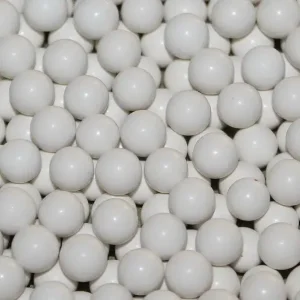
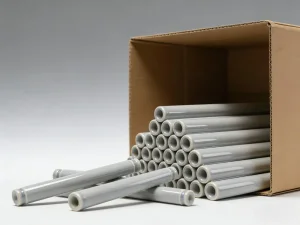
Analyzing supply chain evolution, mineral resource refinement, and China's pivotal transition from traditional clay pottery processing to high-value technical ceramic synthesis.
The global ceramic materials landscape has undergone a profound transformation. Historically centered around traditional clay pottery and tableware, modern industrial processing requires refined kaolin, ball clay, and synthetic oxide compounds capable of enduring sub-micron comminution and extreme thermal shocks. China stands as the global nexus for this supply chain ecosystem, offering raw mineral abundance coupled with world-leading powder synthesis infrastructure.
Industrial consumers—ranging from gigafactory lithium battery manufacturers to semiconductor fabrication plants—no longer seek simple raw materials; they demand engineered ceramic solutions. The integration of stabilized zirconia, micro-crystalline alumina, and silicon nitride into wet-grinding systems has reduced mechanical wear rates by up to 400%, preventing downstream chemical contamination and enabling nano-scale particle dispersion previously unachievable with legacy silica or quartz media.
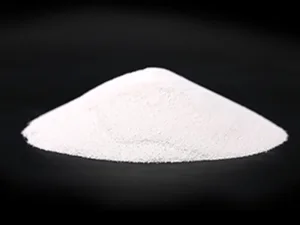
Advanced hydro-thermal synthesis and calcination transform natural kaolinite and zircon sands into high-purity micro-powders with tightly controlled grain size distribution.
Utilizing Isostatic Pressing (CIP) and Gas Pressure Sintering (GPS), modern ceramic factories achieve near-theoretical density exceeding 99.5%, mitigating structural porosity.
Rigorous roundness evaluation, crushing strength testing, and chemical analysis guarantee compliance with strict European and North American manufacturing standards.
Comparative physical, mechanical, and thermal properties of key clay-derived and synthetic technical ceramics produced by Chinese industrial leaders.
| Material Classification | Primary Crystal Phase | Density (g/cm³) | Vickers Hardness (HV) | Thermal Shock Resistance | Core Application Domain |
|---|---|---|---|---|---|
| Yttria-Stabilized Zirconia (YSZ) | Tetragonal ZrO₂ | ≥ 6.00 | 1250 - 1350 | High (Flexural strength > 1000 MPa) | Lithium Battery Slurry, MLCC, Nanopesticides |
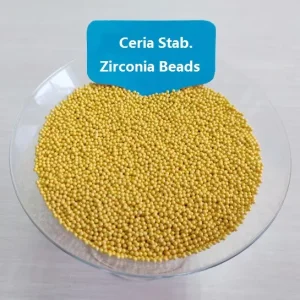
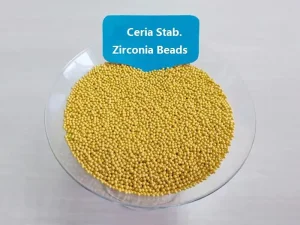
| Ceria-Stabilized Zirconia (CSZ) | CeO₂-ZrO₂ Solid Solution | ≥ 6.20 | 1150 - 1250 | Very High (Extreme impact strength) | Heavy Minerals, Paints, Calcium Carbonate Milling |
| Calcium-Stabilized Zirconia | Cubic / Tetragonal Phase | ≥ 5.60 | 1100 - 1200 | Moderate to High | Refractory Coatings, Investment Casting Slurries |
| High-Purity Alumina (95%-99.7%) | α-Al₂O₃ (Corundum) | 3.68 - 3.92 | 1400 - 1700 | Moderate | Chemical Processing, Mining, Power Generation |
| Silicon Nitride (Si₃N₄) | β-Si₃N₄ | ≥ 3.20 | 1500 - 1800 | Exceptional (Low thermal expansion) | Aerospace Bearings, Hot-Metal Valves, Semiconductors |
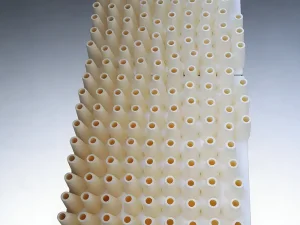
| Aluminium Titanate (Al₂TiO₅) | Pseudobrookite Structure | 3.30 - 3.60 | 900 - 1000 | Maximum (Near-zero thermal expansion) | Non-Ferrous Foundry, Riser Tubes, Engine Exhaust |
Technical Note on Lattice Stabilization: Doping pure zirconia with yttria (Y₂O₃) or ceria (CeO₂) prevents the destructive tetragonal-to-monoclinic phase transition during cooling. This yields "transformation toughening"—a mechanism where micro-cracks trigger a localized phase change that stops crack propagation, conferring exceptional fracture toughness upon the grinding media.
A premier Chinese manufacturing center specializing in end-to-end industrial ceramic research, precision powder synthesis, and custom application engineering.
Founded in 2003, Yixing Qiangguang Ceramic Materials Co., Ltd. is a professional provider dedicated to the research and development (R&D), manufacturing, and application solutions of high-performance advanced ceramic materials. It is among the few enterprises in China that possess a complete industrial chain, covering key links from powder forming, sintering, and precision machining to the provision of integrated application solutions.
The company is also a rare domestic manufacturer engaged in the R&D, production, and supply of a comprehensive portfolio of ceramic materials. Its product range covers zirconia, yttria, alumina, magnesia, aluminum nitride, boron nitride, silicon nitride, silicon carbide, aluminum titanate, and other key ceramic materials for heavy industrial use.
Supply Chain Integrity: By retaining full control over raw material beneficiation, spray-drying atomization, cold isostatic pressing, and CNC diamond grinding, Qiangguang delivers unmatched batch-to-batch consistency for global OEM clients.
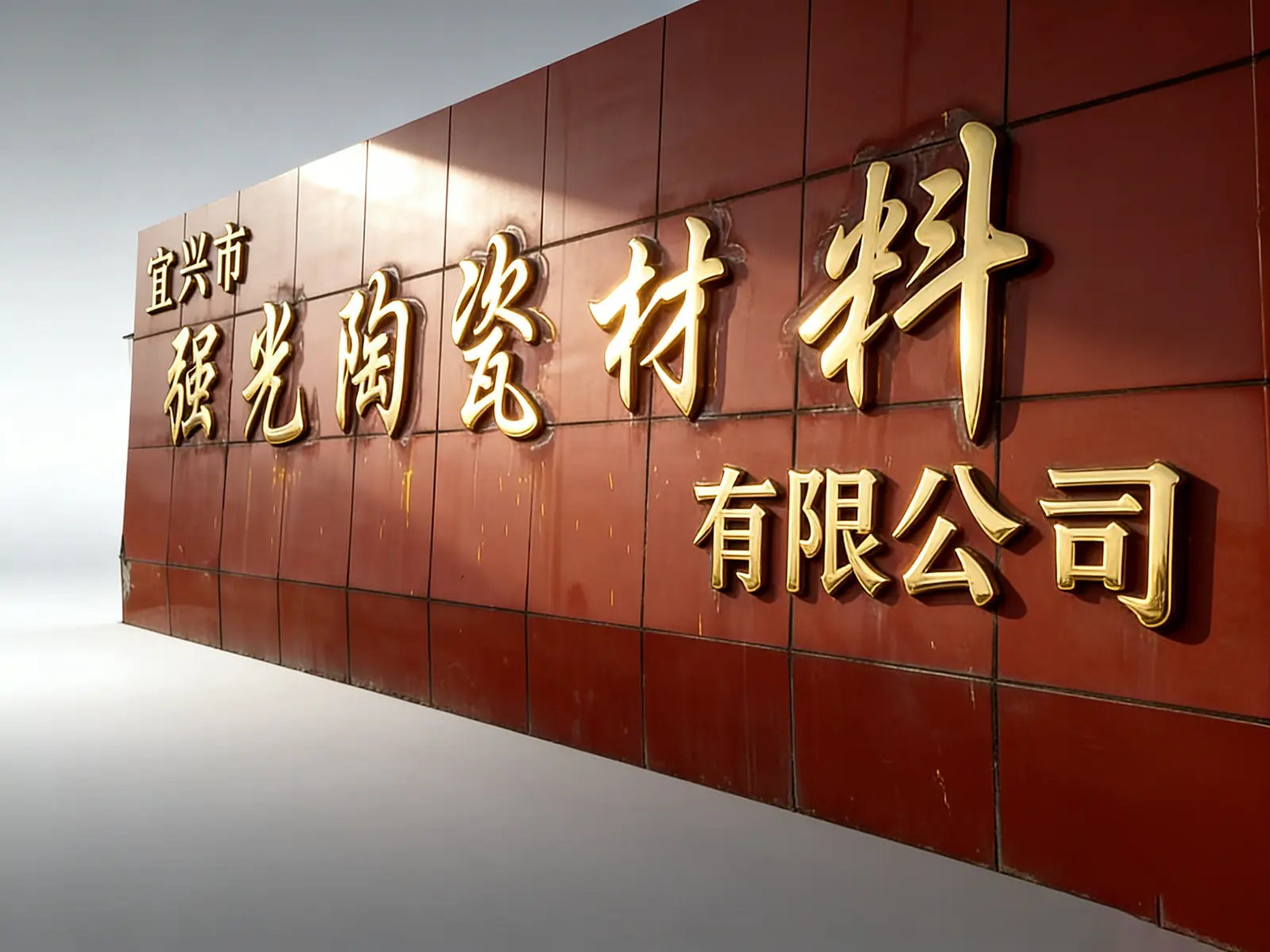
Benefiting from excellent product performance and stable quality, its products are extensively utilized in various high-end fields, such as food and medical industries, new energy vehicles, laser semiconductors, petrochemical engineering, powder metallurgy, national defense and military, as well as aerospace sectors.
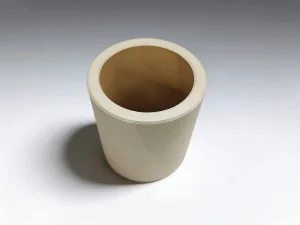
Whether formulating biocompatible ceramic sleeves for medical devices or supplying ultra-wear-resistant ceria-zirconia beads for wet-milling cathode active materials (CAM), Qiangguang's engineered ceramics deliver superior thermal insulation, dielectric strength, and extreme hardness.
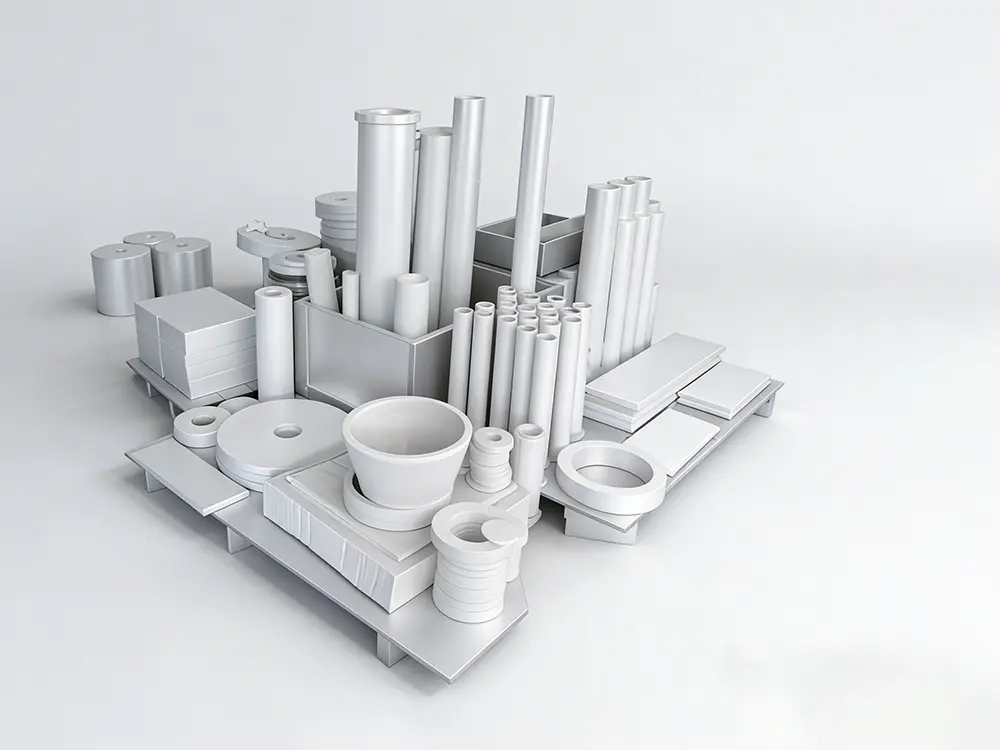
Adhering to the core principle of "creating value for customers", Qiangguang provides customized and cost-efficient advanced ceramic solutions tailored to the specific demands of different customers. It is supported by high-quality after-sales services and a strict full-process tracking system, which effectively enhances cooperation efficiency and promotes continuous quality improvement.
At present, the company's products are sold well across China and exported to Italy, the United Kingdom, Australia, Japan, Malaysia, Thailand, Hungary, and other countries and regions. Committed to delivering high-quality products at reasonable prices, Qiangguang sincerely looks forward to establishing long-term and stable cooperative relations with global partners.
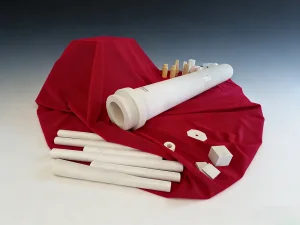
From tailored ceramic powder compositions (stabilized with Ca, Mg, Y, or Ce) to bespoke mechanical components like pump shafts, valves, and specialized grinding media sizes (0.05mm to 60mm), our engineering team executes turnkey project specifications.
How advanced clay derivatives and zirconia grinding media drive operational excellence in specific global industrial clusters.
In modern battery cell gigafactories across Germany, China, and Japan, micro-bead Yttria-Stabilized Zirconia (0.1mm - 0.3mm) is utilized in high-energy pin-type agitator bead mills. The media ground Lithium Iron Phosphate (LFP) and Nickel Manganese Cobalt (NMC) cathode slurries to D50 < 200 nm without iron oxide contamination, directly increasing battery energy density and charge cycle life.
High-purity alumina ceramics and silicon nitride substrate components serve critical roles in thermal management and plasma resistance within wafer fabrication chambers. Their high electrical resistivity and low dielectric loss prevent electrical breakdown during high-frequency plasma etching processes.
Zirconia and alumina components are manufactured under ISO 13485 conditions to produce inert ceramic plungers, metering pumps for pharmaceutical liquid filling, and wear plates for food extrusion systems where zero metallic leaching is legally mandated.
In refineries and cracker towers, inert alumina ceramic balls are deployed as bed support media. Resistant to aggressive acids, organic solvents, and thermal spikes over 1200°C, they optimize gas distribution and protect expensive chemical catalysts from mechanical degradation.
Aluminum Titanate (Al₂TiO₅) riser tubes and dosing nozzles are extensively utilized in low-pressure aluminum die-casting plants in Italy and Japan. Their low wettability by molten aluminum prevents slag adhesion and drastically reduces equipment downtime.
Heavy mineral processing units processing calcium carbonate, kaolin clay, and titanium dioxide rely on Ceria-Stabilized Zirconia beads. The high specific gravity (6.2 g/cm³) provides high kinetic energy transfer, reducing energy consumption per ton of ground mineral product.
Forecasting advancements in nanocrystalline ceramic structures, green sintering technology, and AI-optimized material formulation.
As solid-state battery electrolytes and pharmaceutical drug suspensions demand smaller particle domains, ceramic bead production is pushing below 0.05 mm diameter. Manufacturing these micro-beads requires novel droplet-coacervation and microwave-assisted sintering techniques to retain high spheroid integrity.
Leading Chinese ceramic factories are replacing fossil-fuel firing systems with hydrogen-augmented electric tunnel kilns. This transition reduces carbon dioxide emissions by up to 60% per ton of finished ceramic media while enabling precise atmosphere control (oxidizing vs. reducing environments).
Leveraging machine learning models to simulate ceramic ternary and quaternary phase diagrams allows metallurgists to rapidly develop custom formulations (e.g., Zirconia-Toughened Alumina - ZTA) with tailored mechanical properties for niche wear environments.
From equipment selection to grinding media sizing and energy optimization: an end-to-end consulting model.
We analyze agitator disc tip speed, chamber liner material (PU, rubber, ceramic), and slurry viscosity to calculate the optimal bead density and packing ratio.
Through dynamic torque and temperature logging, our field engineers eliminate kinetic energy waste, reducing specific energy consumption (kWh/kg) by up to 25%.
Implementing structured media replenishment protocols keeps media particle size distribution tight, preventing bead breakage and maintaining constant milling efficiency.
Providing spent ceramic media buyback and reprocessing programs, supporting global industrial manufacturing sustainability targets.
Expert engineering responses addressing procurement, material selection, and processing parameters.
Explore our full line of stabilized powders, high-purity alumina, and thermal shock resistant technical ceramics.