Explore our high-purity Silicon Carbide, Zirconia, MgO, and specialized ceramic formulations manufactured to ultra-tight industrial tolerances.
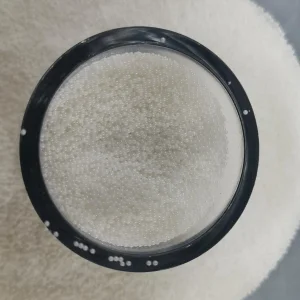
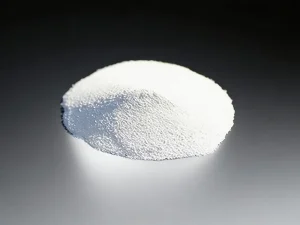
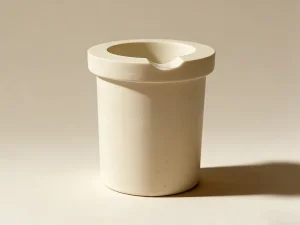
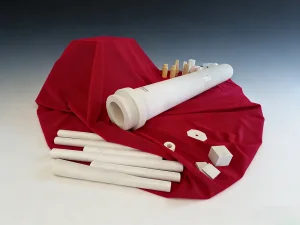
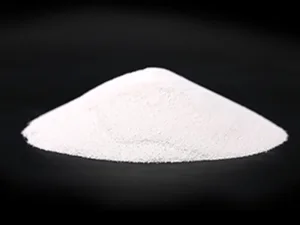
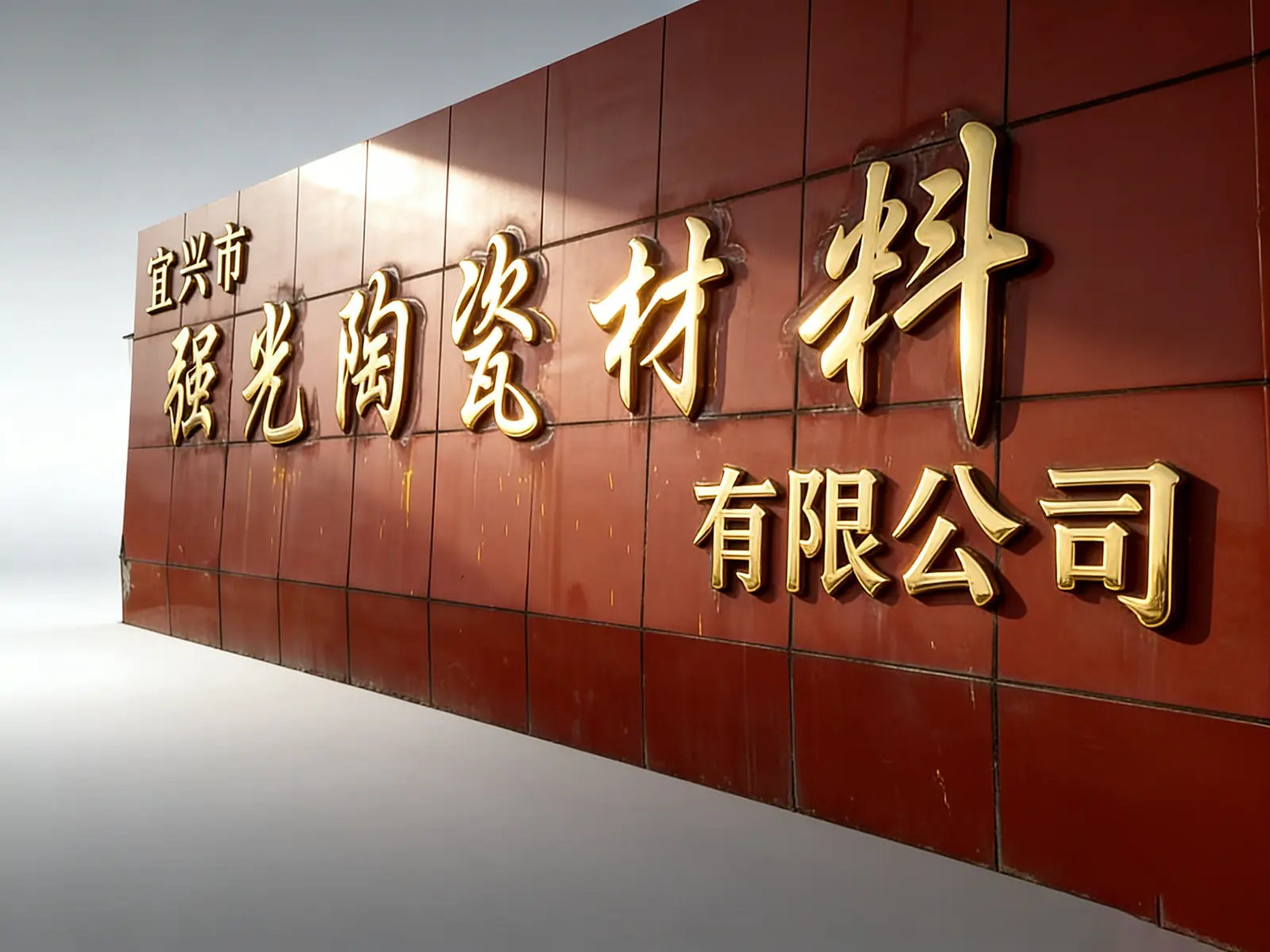
Founded in 2003, Yixing Qiangguang Ceramic Materials Co., Ltd. is a professional provider dedicated to the research and development (R&D), manufacturing, and application solutions of high-performance advanced ceramic materials. It is among the few enterprises in China that possess a complete industrial chain, covering key links from powder forming, sintering and precision machining to the provision of integrated application solutions.
The company is also a rare domestic manufacturer engaged in the R&D, production, and supply of a comprehensive portfolio of ceramic materials. Its product range covers zirconia, yttria, alumina, magnesia, aluminum nitride, boron nitride, silicon nitride, silicon carbide, aluminum titanate and other key ceramic materials for industrial use.
Benefiting from excellent product performance and stable quality, its products are extensively utilized in various high-end fields, such as food and medical industries, new energy vehicles, laser semiconductors, petrochemical engineering, powder metallurgy, national defense and military, as well as aerospace sectors.
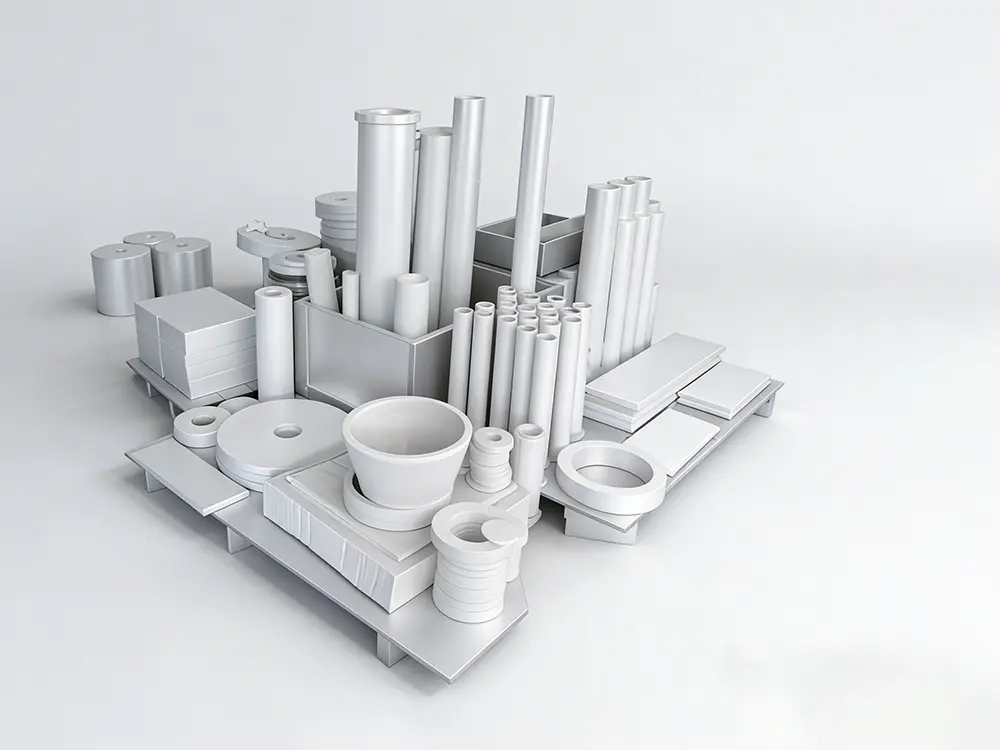
Adhering to the core principle of "creating value for customers", Qiangguang provides customized and cost-efficient advanced ceramic solutions tailored to the specific demands of different customers. It is supported by high-quality after-sales services and a strict full-process tracking system, which effectively enhances cooperation efficiency and promotes continuous quality improvement.
At present, the company's products are sold well across the country and exported to Italy, the United Kingdom, Australia, Japan, Malaysia, Thailand, Hungary and other countries and regions. Committed to delivering high-quality products at reasonable prices, Qiangguang sincerely looks forward to establishing long-term and stable cooperative relations with global partners.
Understanding the thermodynamics, crystallographic polymorphs, and chemical bonding mechanisms of industrial Silicon Carbide ceramics manufactured in China.
Produced by pressureless sintering of ultra-fine alpha-SiC powder with boron and carbon additives at temperatures between 2000°C and 2200°C in an inert atmosphere. SSiC exhibits extremely high density (>3.10 g/cm³), superior mechanical hardness, excellent corrosion resistance, and virtually zero free silicon content, making it ideal for mechanical seal rings, chemical pump bearings, and semiconductor components.
Formed by infiltrating a porous compact of silicon carbide and carbon powder with molten metallic silicon at temperatures exceeding 1450°C. The chemical reaction produces new alpha and beta-SiC phases that bond the original grains. RBSiC features negligible dimensional shrinkage during sintering (<0.1%), enabling mass fabrication of large-scale, complex-geometry components such as kiln furniture, burner nozzles, and wear-resistant liners.
Sintered at extreme temperatures (2200°C–2500°C) through evaporation-condensation recrystallization processes. RSiC possesses open porosity (15%–20%) while maintaining high strength at elevated temperatures up to 1650°C. It demonstrates outstanding thermal shock resistance and thermal conductivity, making it preferred for high-temperature furnace structural beams, support rollers, and thermal processing fixtures.
How China Silicon Carbide manufacturing empowers next-generation industrial, energy, microelectronics, and defense infrastructure across major global markets.
In thermal diffusion furnaces, Chemical Vapor Deposition (CVD), and Epitaxial growth tools, silicon carbide components (such as wafer boats, process tubes, susceptors, and dummy wafers) replace conventional quartz due to SiC's superior high-temperature dimensional stability, high thermal conductivity, and immunity to fluorine/chlorine gas corrosion. China factories supply ultra-high-purity SSiC and CVD-SiC coated components that prevent wafer contamination in sub-5nm fabrication lines.
The global transition to 800V EV architectures relies heavily on SiC MOSFET power modules. On the manufacturing side, precision grinding, lapping, and polishing of single-crystal SiC wafers require high-density Zirconia grinding media and specialized SiC lapping plates produced by advanced ceramic factories in China, drastically lowering manufacturing cost per chip for international automotive OEMs.
Chemical processing plants handling hot concentrated acids, caustic alkalis, and abrasive slurries mandate SiC mechanical seal rings, pump bushings, valve seats, and heat exchanger tubes. Silicon carbide’s chemical inertness across pH 0–14 and resistance to micro-particle erosion ensure uninterrupted fluid control and operational safety in global refining facilities.
Because of its combination of low density (3.1 g/cm³) and extreme Mohs hardness (~9.5, second only to diamond), Silicon Carbide ceramic tiles are engineered into lightweight body armor plates, military vehicle cladding, and missile radar radomes. They absorb high-velocity ballistic kinetic energy while preserving overall structural integrity.
Industrial kilns operating at temperatures exceeding 1350°C demand structural beams, post supports, and saggers that resist creep and deformation over thousands of thermal cycles. SiSiC and SSiC beam structures from China factories provide unmatched structural stability, optimizing kiln space loading and reducing fuel consumption by up to 25%.
To produce nanometer-level battery materials (such as lithium iron phosphate LFP), titanium dioxide pigments, and biological pharmaceutical pastes, industrial ultra-fine bead mills rely on high-density Zirconia and Silicon Carbide grinding media. This prevents metallic ion contamination and ensures precise particle size distribution.
Physical, thermal, mechanical, and electrical property comparison of advanced structural ceramics manufactured at Qiangguang Ceramic Materials Co., Ltd.
| Material Type | Density (g/cm³) | Flexural Strength (MPa) | Thermal Conductivity (W/m·K) | Hardness (Vickers HV) | Max Service Temp (°C) | Primary Industrial Use |
|---|---|---|---|---|---|---|
| SSiC (Sintered SiC) | 3.10 – 3.15 | 400 – 450 | 110 – 130 | 2400 – 2600 | 1600 | Semiconductor, Chemical Seals, Nozzles |
| RBSiC / SiSiC | 3.00 – 3.05 | 250 – 300 | 130 – 150 | 2000 – 2200 | 1380 | Kiln Furniture, Burner Tubes, Wear Liners |
| Y-TZP Zirconia | 6.00 – 6.05 | 900 – 1200 | 2.5 – 3.0 | 1200 – 1350 | 1000 | Biomedical, Grinding Media, Structural Blades |
| 99.5% Alumina (Al₂O₃) | 3.90 – 3.95 | 350 – 400 | 30 – 35 | 1600 – 1700 | 1650 | Electrical Insulators, Substrates, Wear Plates |
| Aluminium Titanate | 3.30 – 3.60 | 35 – 50 | 1.5 – 2.0 | 600 – 800 | 1400 | Non-Ferrous Foundry, Riser Tubes, Bushings |
| Magnesium Oxide (MgO) | 3.45 – 3.55 | 180 – 220 | 40 – 50 | 700 – 900 | 2200 | Crucibles, Heating Elements, High-Temp Metallurgy |
From nano-powder synthesis to ultra-precision CNC diamond machining: Quality control at every step of manufacturing in China.
High-purity raw powders are spray-dried with organic binders under strict cleanroom conditions. Particle size distribution (PSD) is tightly controlled (D50 < 0.5µm) to guarantee high green density during forming and minimize void formation in the final ceramic microstructure.
Utilizing multidirectional Cold Isostatic Pressing at pressures up to 250 MPa, raw ceramic powders achieve uniform green density across complex geometries. This prevents structural distortion, micro-cracking, and non-uniform shrinkage during the subsequent high-temperature sintering phase.
Sintering takes place in specialized vacuum atmosphere furnaces and atmosphere-controlled batch kilns at temperatures ranging up to 2200°C. Microprocessor-controlled thermal profiles eliminate residual porosity, resulting in near-theoretical density and optimal phase transformations.
Post-sintering finishing involves state-of-the-art 5-axis CNC diamond grinding, lapping, laser drilling, and wire-EDM processing. Dimensional tolerances of ±0.001 mm and surface roughness values of Ra < 0.05 µm are consistently achieved for demanding semiconductor and aerospace applications.
Every ceramic batch undergoes comprehensive Quality Assurance, including CMM 3D dimension measurement, Ultrasonic Non-Destructive Testing (NDT) for internal micro-cracks, X-ray diffraction (XRD) phase analysis, and thermal shock stress testing prior to global shipment.
Qiangguang is expanding research into additive manufacturing (3D printing of complex SSiC lattices), ultra-pure CVD-SiC coating for next-gen 300mm silicon wafer tools, and hybrid ceramic-matrix composites (CMCs) engineered for hypersonic thermal protection systems.
Why international enterprise buyers select China's leading ceramic factories for strategic long-term supply agreements.
By leveraging integrated raw material sourcing, automated shaping systems, and high-efficiency sintering technology in Jiangsu, China, Qiangguang delivers a 30% to 50% cost advantage over Western manufacturers without compromising structural reliability or chemical purity.
All ceramic formulations comply strictly with international standards, including ISO 9001:2015 Quality Management Systems, EU REACH regulations, RoHS hazardous substance restrictions, and FDA-compliant inertness certification for biomedical and food contact equipment.
Our in-house engineering team provides dedicated localized CAD/CAM support, finite element analysis (FEA) thermal modeling, and rapid ceramic prototyping services. We convert client 3D STEP models into finished custom parts in as little as 10 to 15 business days.
Expert insights on material selection, customization options, operational limits, and procurement policies.
SSiC is sintered at higher temperatures without free silicon metal, giving it a higher maximum working temperature (up to 1600°C) and superior resistance to strong acids and alkalis. RBSiC contains ~8–12% free metallic silicon, which limits its operating temperature to 1380°C and reduces chemical resistance to alkalis, but allows near-zero dimensional shrinkage during manufacturing, making it ideal for very large or complex industrial structures.
We combine high-density Cold Isostatic Pressing (CIP) with post-sintering precision diamond grinding using multi-axis CNC machine tools. Machining tolerances down to ±0.001mm can be maintained, verified via 3D Coordinate Measuring Machines (CMM) and optical profilometers before packaging.
Aluminium Titanate (Al₂TiO₅) and Silicon Nitride (Si₃N₄) offer the highest resistance to thermal shock due to an extremely low coefficient of thermal expansion (CTE) and high fracture toughness. For extreme wear plus thermal shock, Recrystallized Silicon Carbide (RSiC) and Yttria-Stabilized Zirconia (YSZ) are also widely implemented.
Yes. In addition to finished ceramic components, we supply spray-dried, ready-to-press ceramic powders including Yttria-Stabilized Zirconia (YSZ), Calcium-Stabilized Zirconia (CSZ), Magnesium-Stabilized Zirconia (MSZ), and tailored Silicon Carbide mixtures with precise grain size distributions and organic binder ratios.
Standard prototype samples require approximately 2 to 3 weeks following CAD approval. Full-scale production lead times typically range from 3 to 5 weeks depending on component size, tooling complexity, diamond machining requirements, and shipping logistics.
Browse our complete catalog of industrial ceramic media, stabilized powders, high-purity alumina, and extreme-environment refractory solutions.