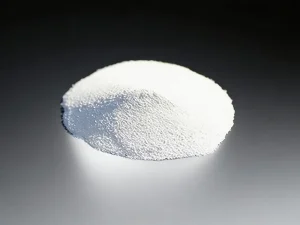
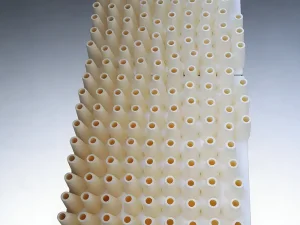
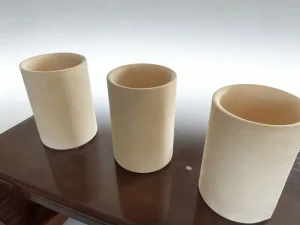
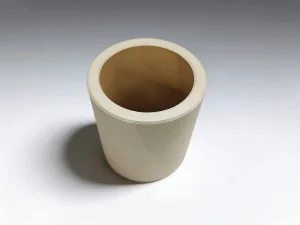
Explore our wholesale portfolio of precision engineering ceramics, high-purity substrates, and specialized industrial formulations.
Driving unprecedented thermal density, die-level breakdown strength, and mechanical stability across global high-reliability supply chains.
Alumina ceramic substrates (Al₂O₃) provide an exceptional thermal dissipation conduit for dense power microelectronics. With thermal conductivities ranging from 24 to 35 W/m·K, they outperform conventional FR-4 and organic PCBs by orders of magnitude, preventing catastrophic thermal runaway in IGBT and Wide Bandgap (SiC/GaN) devices.
Offering a dielectric breakdown strength exceeding 15 to 20 kV/mm and zero electrical conductivity under extreme ambient temperatures, alumina substrates provide rock-solid electrical isolation required for high-voltage power converters, traction inverters, and high-frequency microwave packages.
The Coefficient of Thermal Expansion (CTE) of Al₂O₃ (6.8–7.2 × 10⁻⁶/K) closely matches silicon, silicon carbide, and gallium nitride die materials. This eliminates interfacial shear stress, micro-cracking, and solder fatigue during thermal cycling (-55°C to +175°C).
Precision Ceramic Manufacturing Excellence Since 2003
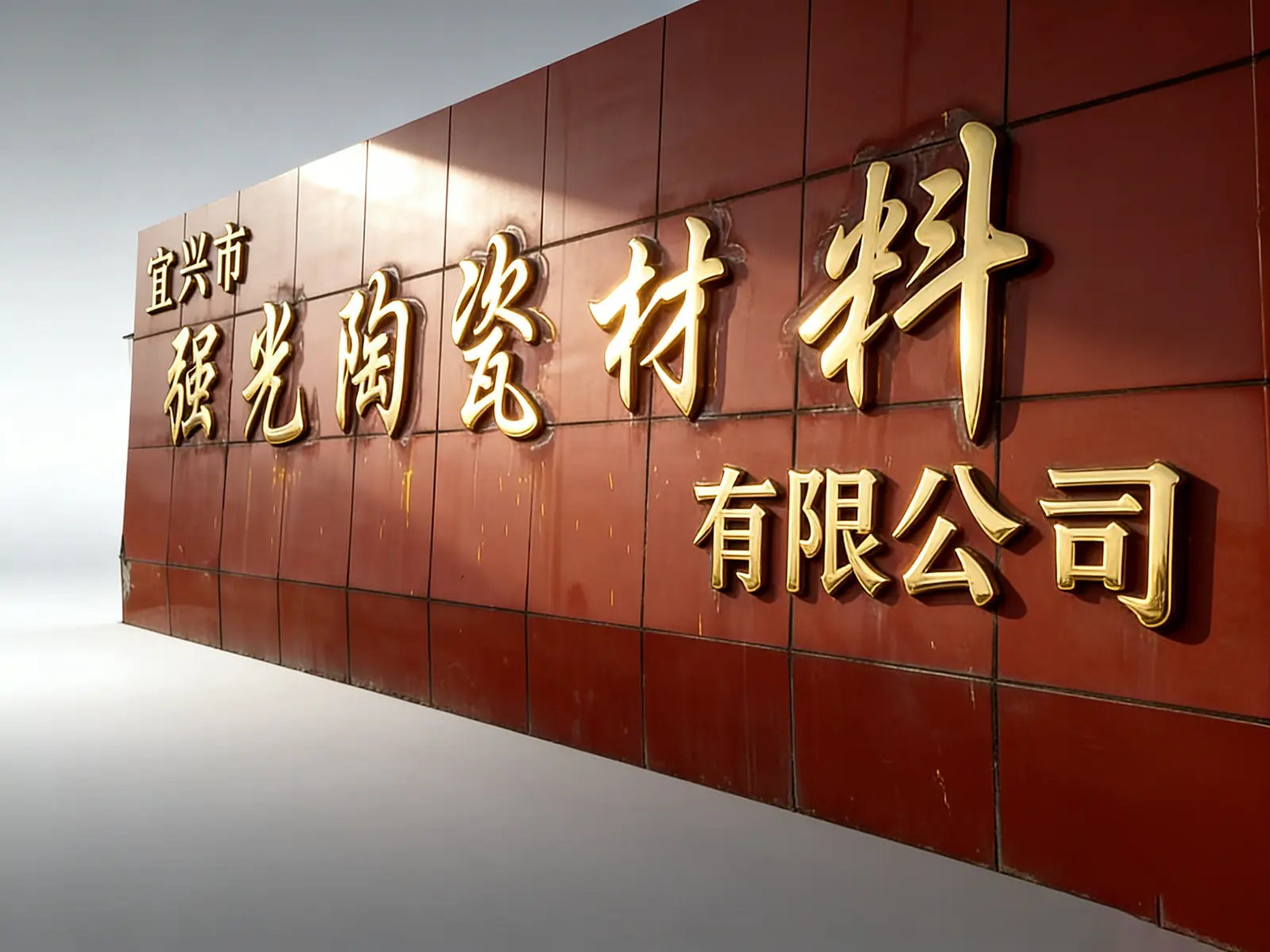
Founded in 2003, Yixing Qiangguang Ceramic Materials Co., Ltd. is a professional provider dedicated to the research and development (R&D), manufacturing, and application solutions of high-performance advanced ceramic materials. It is among the few enterprises in China that possess a complete industrial chain, covering key links from powder forming, sintering, and precision machining to the provision of integrated application solutions.
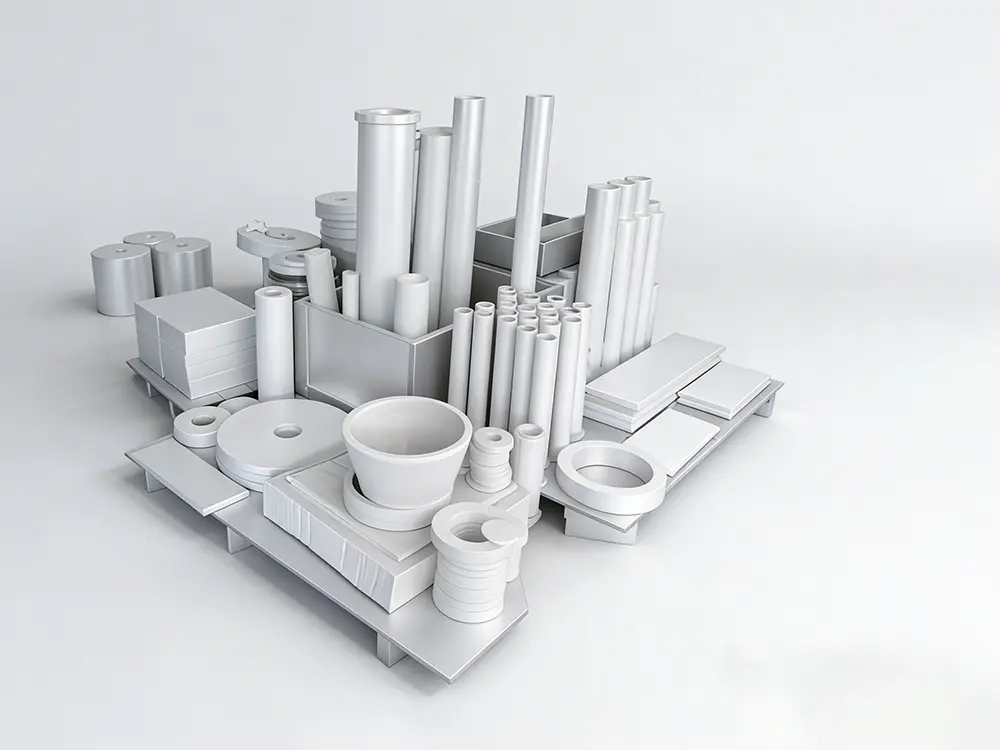
The company is also a rare domestic manufacturer engaged in the R&D, production, and supply of a comprehensive portfolio of ceramic materials. Its product range covers zirconia, yttria, alumina, magnesia, aluminum nitride, boron nitride, silicon nitride, silicon carbide, aluminum titanate and other key ceramic materials for industrial use.
Adhering to the core principle of "creating value for customers", Qiangguang provides customized and cost-efficient advanced ceramic solutions tailored to the specific demands of different customers. It is supported by high-quality after-sales services and a strict full-process tracking system, which effectively enhances cooperation efficiency and promotes continuous quality improvement.
Comprehensive physical, mechanical, thermal, and electrical metrics engineered for rigorous OEM/ODM sourcing standards.
| Property Parameter | Testing Standard / Unit | 96% Al₂O₃ Substrate | 99.5% Al₂O₃ Substrate |
|---|---|---|---|
| Aluminium Oxide Content (Al₂O₃) | % | ≥ 96.0% | ≥ 99.5% |
| Bulk Density | g/cm³ | 3.75 - 3.80 | 3.88 - 3.93 |
| Thermal Conductivity (25°C) | W/m·K | 24 - 28 | 30 - 35 |
| Coefficient of Thermal Expansion (20-400°C) | ×10⁻⁶ / K | 6.8 - 7.1 | 7.2 - 7.5 |
| Flexural Strength (3-Point Bending) | MPa | 380 - 420 | 450 - 500 |
| Dielectric Strength (1mm thickness) | kV/mm | 16 - 18 | 20 - 22 |
| Dielectric Constant (1 MHz) | - | 9.5 - 9.8 | 9.8 - 10.1 |
| Dielectric Loss Tangent (1 MHz) | tan δ (×10⁻⁴) | < 4.0 | < 1.0 |
| Surface Roughness (As-Fired Ra) | μm | 0.3 - 0.5 | 0.05 - 0.1 (Lapped/Polished) |
| Water Absorption | % | 0 (Apparent Porosity 0%) | 0 (Apparent Porosity 0%) |
From raw sub-micron powder to laser-cut metallized ceramic circuit carriers.
High-precision tape casting produces green ceramic sheets with uniform density and controlled shrinkage. Thicknesses range from 0.15mm ultra-thin sheets to 2.0mm structural substrates with exceptional flatness controls.
Equipped with state-of-the-art CO₂ and UV laser systems, we achieve tight dimensional tolerances (±0.05mm), micro-via drilling, scribing lines for easy snapping, and custom geometry contouring without edge micro-cracks.
Through a eutectic bonding process at 1065°C, heavy copper sheets (140μm to 600μm) are bonded onto alumina substrates. DBC alumina delivers unmatched current-carrying capacity for automotive IGBTs and power modules.
Utilizing vacuum sputtering and electroplating technologies, DPC substrates offer high-resolution fine-pitch lines (< 50μm), excellent surface smoothness, and superior adhesion strength for high-frequency microwave applications.
Screen-printed pastes (Ag, AgPd, Au, Pt) fired at high temperatures provide robust, cost-effective conductive tracks, integrated resistors, and dielectric crossover layers for automotive sensors and thick-film hybrid ICs.
For extreme mechanical stress environments, AMB joins active-element-enriched copper foil directly to alumina or ceramic matrices, delivering superior thermal shock resistance and thermal cycling endurance.
Combining automated raw material processing, automated optical inspection (AOI), and global logistics agility.
Unlike secondary assemblers, our factory manages every step: from raw powder synthesis, spray drying, tape casting, and high-temperature kilns to laser scribing and metallization. This ensures total quality tracking and removes middleman markups.
Every alumina substrate undergoes 100% Automated Optical Inspection (AOI) for dimensional tolerances, surface pinholes, micro-cracks, and metallization line continuity, ensuring zero-defect delivery for high-speed automated SMT assembly lines.
Leveraging robust domestic powder supply chains and large-scale continuous sintering kilns, we maintain high batch-to-batch consistency while offering competitive wholesale pricing and rapid lead times for international buyers.
Where high-reliability alumina ceramic substrates power mission-critical technology platforms.
Substrates for Electric Vehicle (EV) traction inverters, on-board chargers (OBC), DC-DC converters, and battery management system (BMS) sensors operating under extreme heat and vibration.
Low dielectric loss and stable dielectric constants make alumina substrates the preferred dielectric base for 5G massive MIMO base stations, RF power transistors, and radar modules.
Superior thermal conductivity ensures fast heat sinking from concentrated LED arrays, industrial laser diodes, and semiconductor optical amplifiers, preventing spectral shift and brightness degradation.
Used in high-power industrial motor drives, solar PV string inverters, wind turbine converters, and heavy industrial power supplies where uninterrupted continuous duty is required.
Biocompatible, non-magnetic, and resistant to aggressive chemical sterilization, alumina substrates serve as structural carriers for medical micro-sensors, surgical equipment, and flight electronics.
Our products are sold across China and exported to Italy, the United Kingdom, Australia, Japan, Malaysia, Thailand, Hungary and other regions worldwide.
Detailed technical answers for procurement directors, ceramic engineers, and supply chain managers.
A: 96% Alumina (Al₂O₃) is the industry standard for thick-film electronic circuits, offering an optimal balance of cost, mechanical strength, and thermal performance (24-28 W/m·K). 99.5% Alumina features higher purity, smoother as-fired surface finish, lower dielectric loss, and superior thermal conductivity (30-35 W/m·K), making it ideal for thin-film microelectronics, microwave RF substrates, and high-frequency laser diode carriers.
A: Yes. Operating high-precision CO₂ and UV laser equipment, we provide custom substrate dimensions, precision laser scribing (snap-plane creation), tight-pitch micro-via drilling, and complex contour cutting with tight tolerances down to ±0.05mm, completely eliminating edge burrs and thermal micro-cracking.
A: We offer comprehensive OEM metallization processes including Thick Film (Ag, AgPd, Au paste printing), Direct Bonded Copper (DBC for high-power IGBTs), Direct Plated Copper (DPC for fine-pitch microelectronics), and Active Metal Brazing (AMB). Surface plating choices include Ni, Au, Ag, and Sn to match your wire bonding or soldering specifications.
A: We control the complete process from raw powder particle size distribution to tape casting slurry rheology. Controlled atmosphere continuous sintering furnaces coupled with automated lapping/polishing equipment ensure strictly monitored flatnesses (Camber < 0.3% of diagonal length) and consistent shrinkage rates across every production lot.
A: Standard prototype samples and custom laser-cut samples can be dispatched within 5 to 7 working days. Wholesale mass production orders typically require 2 to 4 weeks depending on the order volume, surface polishing requirements, and metallization complexity.
A: Alumina (Al₂O₃) offers the most cost-effective substrate solution with excellent dielectric and mechanical properties suitable for 80% of industrial power applications. Aluminum Nitride (AlN) provides higher thermal conductivity (170-200 W/m·K) for ultra-high-power density, while Silicon Nitride (Si₃N₄) provides unmatched mechanical flexural strength (>700 MPa) and fracture toughness for extreme shock environments.
Browse our extended range of high-temperature engineered ceramics, specialized powders, and structural components.