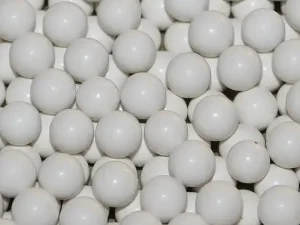
Explore our premier engineered ceramic compounds, high-density grinding media, and thermal-shock resistant materials manufactured under rigorous ISO standards.
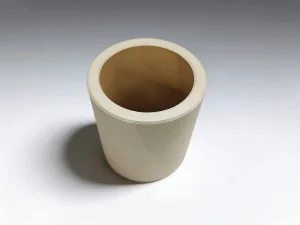
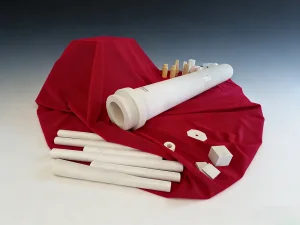
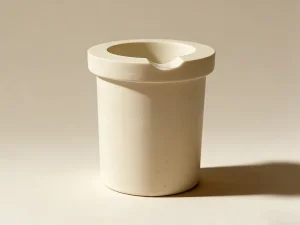
When global procurement managers, industrial engineers, and wholesale buyers evaluate clay-based and advanced non-metallic inorganic materials, the distinction between Porcelain and standard Ceramic Pottery represents far more than an aesthetic choice—it dictates structural integrity, dielectric breakdown strength, thermal shock parameters, and chemical inertness.
While all porcelain technically falls under the umbrella term of "ceramics," not all ceramics meet the stringent density, vitrification, and mechanical thresholds that define true industrial-grade porcelain. Understanding this fundamental technical nuance is paramount when sourcing components for high-stress environments such as semiconductor processing, high-voltage electrical insulation, chemical processing pumps, and wear-resistant grinding applications.
Porcelain utilizes high-purity kaolin clay mixed with feldspar, quartz, and refined metal oxides. Standard pottery relies on broader earthen clays containing variable iron and organic impurities.
Fired at extreme temperatures ranging from 1200°C to 1450°C, porcelain undergoes complete vitrification, achieving near-zero porosity (<0.5%) compared to coarse, porous earthenware (>3% water absorption).
With superior flexural strength, higher Vickers hardness, and exceptionally high dielectric strength, porcelain is engineered for technical industrial components rather than basic decorative pottery.
To understand the commercial and operational implications of selecting porcelain over conventional ceramic pottery for bulk B2B procurement, we must examine their underlying crystallographic structures, sintering dynamics, and chemical formulations.
Traditional ceramic pottery (including earthenware and stoneware) is formulated primarily from naturally occurring secondary clays containing illite, smectite, quartz sand, and iron oxides. These impurities give pottery its characteristic reddish-brown or off-white tone after firing.
Conversely, Industrial Porcelain relies on refined primary clays dominated by kaolinite (Al₂Si₂O₅(OH)₄), combined with fluxing agents like potash feldspar (KAlSi₃O₈) and silica sand (SiO₂). The high concentration of fine kaolin particles ensures an extremely uniform micro-grain distribution during green body compaction, yielding zero internal voiding.
The critical phase transformation during high-temperature thermal processing is vitrification—the melting of feldspathic flux components into a liquid glassy phase that flows into inter-crystalline gaps.
Because porcelain is fired between 1200°C and 1450°C, the liquid glass phase fully fills micro-voids, forming needle-like mullite crystals (3Al₂O₃·2SiO₂) throughout the matrix upon cooling. This yields a non-porous body with a water absorption rate under 0.5% (often <0.1% for advanced technical porcelain). Standard ceramic pottery, fired at lower ranges (1000°C–1200°C), retains open capillaries, resulting in water absorption rates between 3% and 10%.
| Physical / Mechanical Property | Industrial Porcelain | Standard Ceramic Pottery | Advanced Technical Ceramics (YSZ / AlN / Al₂O₃) |
|---|---|---|---|
| Water Absorption Rate (%) | < 0.5% (Impermeable) | 3.0% – 10.0% (Porous) | 0.00% (Hermetic Seal) |
| Firing Temperature Range | 1200°C – 1450°C | 900°C – 1180°C | 1500°C – 1800°C |
| Density (g/cm³) | 2.4 – 2.65 | 1.8 – 2.2 | 3.9 – 6.05 |
| Flexural Strength (MPa) | 140 – 220 | 35 – 70 | 300 – 1200+ |
| Mohs Hardness | 7.0 – 8.0 | 5.0 – 6.5 | 8.5 – 9.0 |
| Dielectric Strength (kV/mm) | 15 – 35 | 3 – 8 | 20 – 40+ |
| Thermal Shock Resistance | Moderate to High | Low | Extreme (Optimized Formulations) |
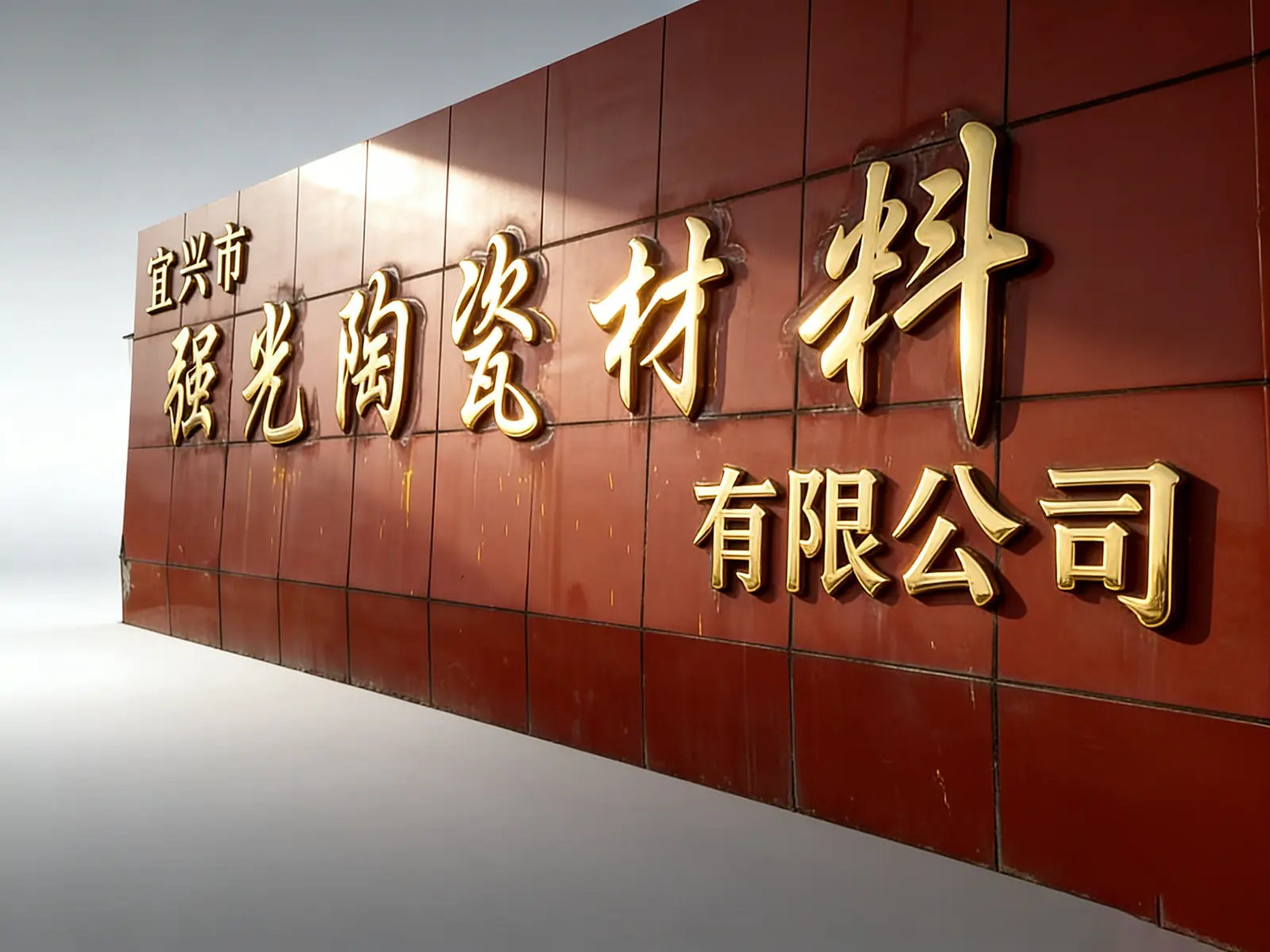
As global industries transition toward demanding advanced non-metallic solutions, Chinese manufacturers lead the world in high-precision ceramic sintering, powder synthesis, and precision machining. At the forefront of this industrial cluster is Yixing Qiangguang Ceramic Materials Co., Ltd.
Founded in 2003, Yixing Qiangguang Ceramic Materials Co., Ltd. is a professional provider dedicated to the research and development (R&D), manufacturing, and application solutions of high-performance advanced ceramic materials. It is among the few enterprises in China that possess a complete industrial chain, covering key links from powder forming, sintering and precision machining to the provision of integrated application solutions.
The company is also a rare domestic manufacturer engaged in the R&D, production, and supply of a comprehensive portfolio of ceramic materials. Its product range covers zirconia, yttria, alumina, magnesia, aluminum nitride, boron nitride, silicon nitride, silicon carbide, aluminum titanate and other key ceramic materials for industrial use.
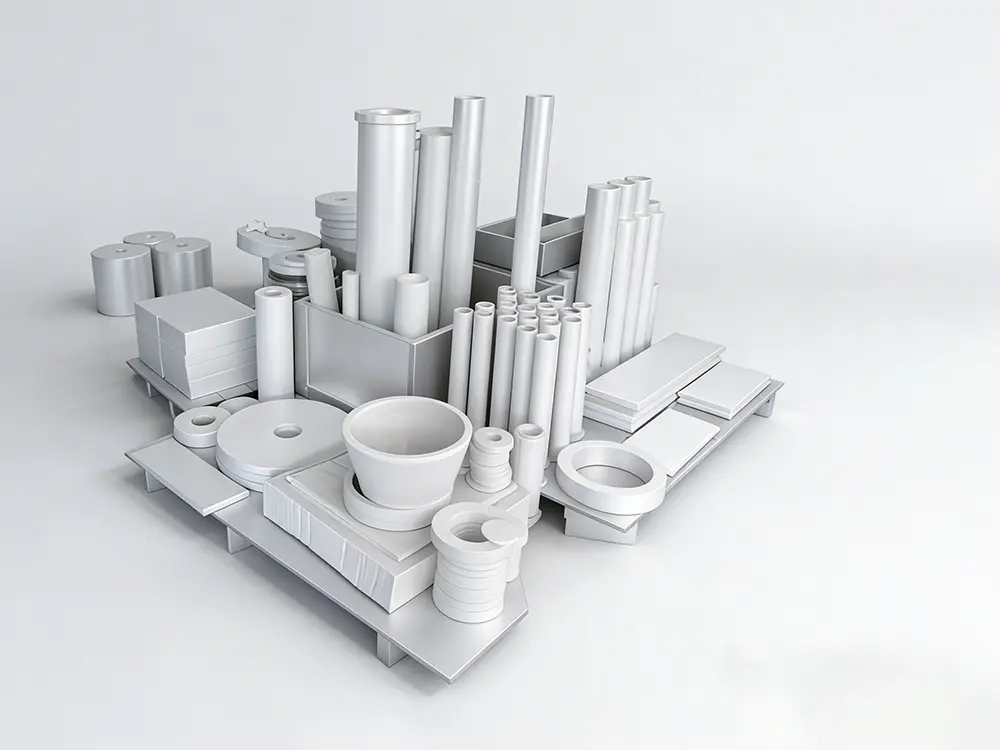
Benefiting from excellent product performance and stable quality, its products are extensively utilized in various high-end fields, such as food and medical industries, new energy vehicles, laser semiconductors, petrochemical engineering, powder metallurgy, national defense and military, as well as aerospace sectors.
Adhering to the core principle of "creating value for customers", Qiangguang provides customized and cost-efficient advanced ceramic solutions tailored to the specific demands of different customers. It is supported by high-quality after-sales services and a strict full-process tracking system, which effectively enhances cooperation efficiency and promotes continuous quality improvement.
At present, the company's products are sold well across the country and exported to Italy, the United Kingdom, Australia, Japan, Malaysia, Thailand, Hungary and other countries and regions. Committed to delivering high-quality products at reasonable prices, Qiangguang sincerely looks forward to establishing long-term and stable cooperative relations with global partners.
The Chinese industrial ceramics ecosystem—centered around strategic hubs like Yixing in Jiangsu Province—delivers unprecedented supply chain resilience, raw material synthesis capabilities, and technological precision. Sourcing directly from top-tier OEM/ODM manufacturers like Yixing Qiangguang offers distinct operational advantages:
By managing every link in the value chain—from sub-micron chemical powder preparation (coprecipitation, spray drying) to Cold Isostatic Pressing (CIP), sintering, and diamond tool CNC grinding—factories eliminate intermediary costs and strict quality bottlenecks.
Unlike conventional pottery suppliers restricted to traditional clay bodies, advanced Chinese factories process a comprehensive array of engineering ceramics, including YSZ, MSZ, Alumina (95%-99.9%), AlN, Si₃N₄, and Aluminum Titanate under one roof.
Leveraging state-of-the-art five-axis CNC machining center technologies and green-state forming, custom ceramic components with intricate geometries, micro-holes, and tight tolerances (±0.002mm) can be delivered rapidly to global buyers.
The global demand for high-grade porcelain and technical ceramics is expanding rapidly, driven by the global transition toward renewable energy, electric vehicles, sub-micron semiconductor fabrication, and high-purity pharmaceutical processing.
Aluminum Nitride (AlN) and High-Purity Alumina serve as high thermal conductivity substrates (up to 200 W/m·K) and electrical insulators in laser diodes, plasma chambers, and wafer chucks where thermal dissipation is critical.
Silicon Nitride (Si₃N₄) and Zirconia ceramic rolling elements are vital in EV high-speed drive motor bearings, protecting against electrical arcing and reducing friction while extending bearing lifespan exponentially.
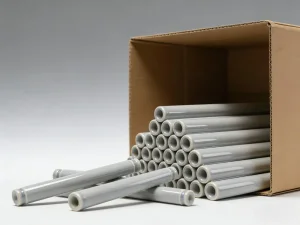
Biocompatible Zirconia (YSZ) and high-density porcelain plungers are widely integrated into pharmaceutical metering pumps, medical endoscopes, and food dosing valves due to their zero-leaching, non-reactive surfaces.
Magnesium Oxide (MgO), Magnesium Stabilized Zirconia (MSZ), and Aluminium Titanate provide unmatched corrosion resistance, thermal shock stability, and slag resistance in high-temperature metal casting and chemical refining.
Get definitive answers to technical questions concerning wholesale porcelain vs. ceramic purchasing, factory audits, and engineering applications.
The primary technical distinction lies in raw material composition and vitrification density. Porcelain is manufactured using refined kaolin clay, feldspar, and quartz, fired at extreme temperatures (1200°C–1450°C). This creates a completely vitrified, non-porous structure with water absorption under 0.5%, whereas standard ceramic pottery is fired at lower temperatures, remaining porous and mechanically weaker.
Yttria-Stabilized Zirconia (YSZ) offers superior fracture toughness (up to 8-10 MPa·m¹/²) and flexural strength compared to traditional alumina or industrial porcelain. YSZ exhibits transformation toughening, which stops crack propagation under severe mechanical shock, making it ideal for high-stress industrial pump components, grinding media, and wear parts.
Yes. Manufacturers like Yixing Qiangguang Ceramic Materials Co., Ltd. specialize in full-cycle custom engineering. Utilizing diamond CNC milling, green-body machining, and precision laser etching, custom dimensions with tight tolerances up to ±0.002mm can be manufactured from CAD files.
High water absorption (>1%) in standard pottery allows moisture to penetrate internal pores. Under freeze-thaw cycles or high electrical voltage, trapped water causes micro-cracking, mechanical failure, or electrical dielectric breakdown. Industrial porcelain’s near-zero absorption (<0.5%) guarantees long-term dielectric resistance and weather stability.
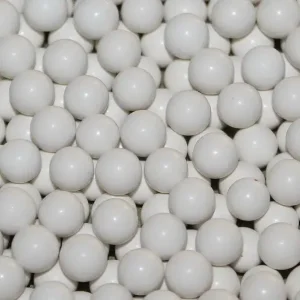
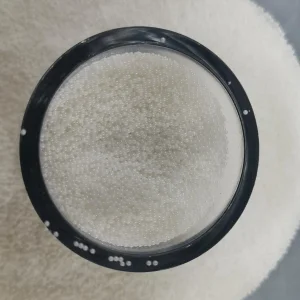
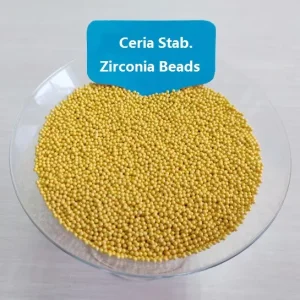
Ceria-stabilized and Yttria-stabilized zirconia beads provide high specific gravity (density > 6.0 g/cm³) and extreme wear resistance. In high-energy sand mills, they enable sub-micron and nano-level dispersion of paints, inks, battery cathode materials, and pharmaceutical slurries with zero contamination.
Qiangguang exports globally to major industrial markets including Italy, the United Kingdom, Australia, Japan, Malaysia, Thailand, Hungary, and North America, supporting diverse sector requirements with ISO-certified logistics and quality control tracking.
Explore further advanced technical ceramic solutions engineered for high purity grinding, thermal management, and severe mechanical environments.