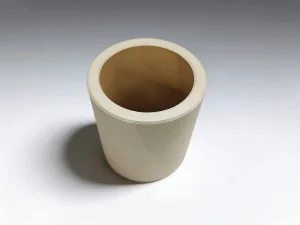
Explore our top-tier precision-engineered ceramic products engineered for extreme thermal, mechanical, and chemical environments.
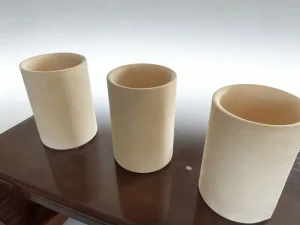
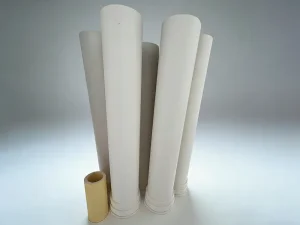

How advanced materials chemistry and China Industry 4.0 manufacturing are redefining performance benchmarks for global OEMs and high-technology corporations.
In the modern global industrial landscape, high-technology corporations face unprecedented thermal, mechanical, and dielectric stresses within their operational infrastructure. As semiconductor nodes shrink, propulsion temperatures increase, and chemical processing media become increasingly aggressive, conventional metals and polymer composites reach their structural limits. This technological inflection point has catapulted advanced technical ceramics—including Yttria-Stabilized Zirconia (YSZ), Aluminum Nitride (AlN), High-Purity Alumina (Al2O3), Magnesium Oxide (MgO), and Silicon Nitride (Si3N4)—from specialized niche substrates to critical mission-enabling components across multi-billion-dollar global supply chains.
This comprehensive technical white paper analyzes the systemic shifts in global high-technology B2B procurement, evaluating how integrated OEM/ODM manufacturing ecosystems, particularly those rooted in advanced industrial clusters such as China's Yangtze River Delta, provide sustainable information gain, cost optimization, supply chain resilience, and superior material purity for enterprise partners worldwide.
Pioneering End-to-End Advanced Ceramic Synthetics, Sintering, and Precision Engineering Since 2003.
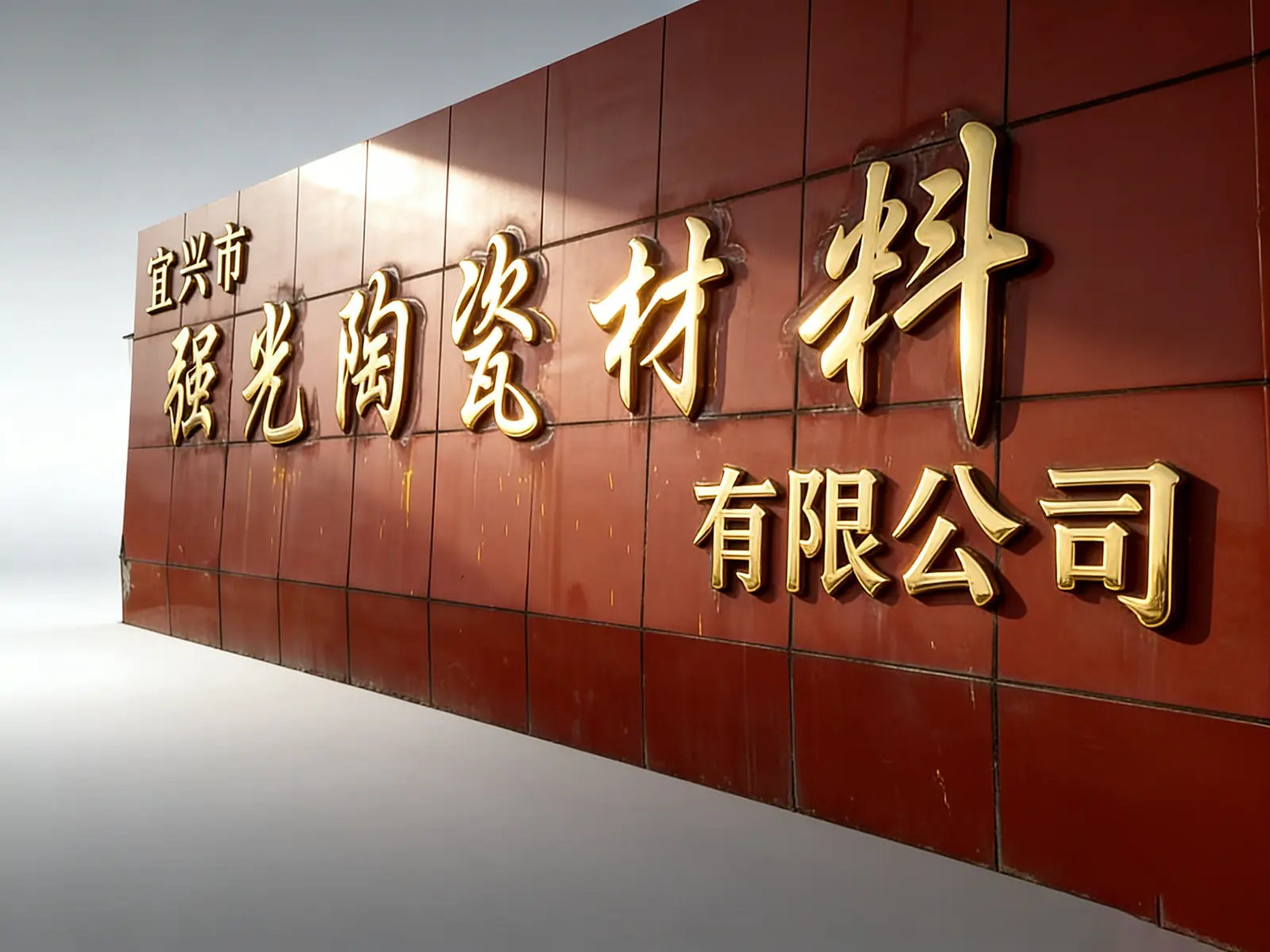
Founded in 2003, Yixing Qiangguang Ceramic Materials Co., Ltd. is a professional provider dedicated to the research and development (R&D), manufacturing, and application solutions of high-performance advanced ceramic materials. It is among the few enterprises in China that possess a complete industrial chain, covering key links from powder forming, sintering, and precision machining to the provision of integrated application solutions.
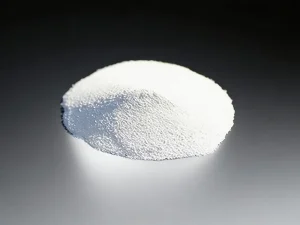
The company is also a rare domestic manufacturer engaged in the R&D, production, and supply of a comprehensive portfolio of ceramic materials. Its product range covers zirconia, yttria, alumina, magnesia, aluminum nitride, boron nitride, silicon nitride, silicon carbide, aluminum titanate, and other key ceramic materials for industrial use.
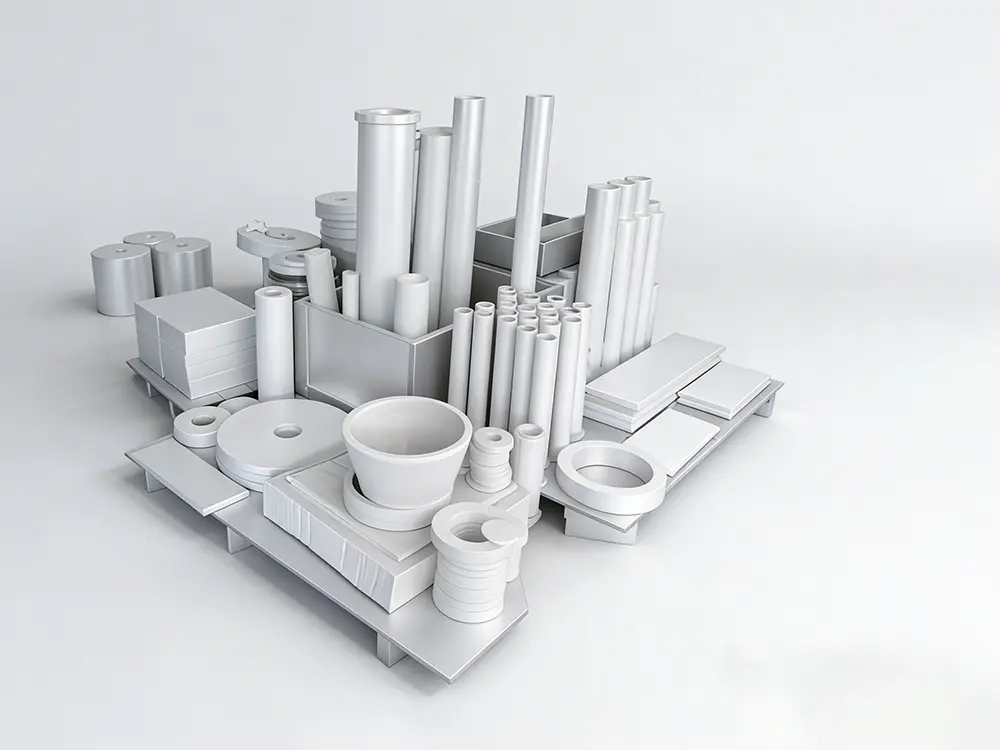
Benefiting from excellent product performance and stable quality, its products are extensively utilized in various high-end fields, such as food and medical industries, new energy vehicles (NEVs), laser semiconductors, petrochemical engineering, powder metallurgy, national defense and military, as well as aerospace sectors.
At present, the company's products are sold well across China and exported globally to Italy, the United Kingdom, Australia, Japan, Malaysia, Thailand, Hungary, and other countries and regions. Committed to delivering high-quality products at reasonable prices, Qiangguang sincerely looks forward to establishing long-term and stable cooperative relations with global enterprise partners.
Adhering to the core principle of "creating value for customers", Qiangguang provides customized and cost-efficient advanced ceramic solutions tailored to the specific demands of different customers. It is supported by high-quality after-sales services and a strict full-process tracking system, which effectively enhances cooperation efficiency and promotes continuous quality improvement.
With an established international shipping and compliance framework, we service high-technology corporations across Europe, Asia-Pacific, and the Americas. Our streamlined customs clearance, localized technical support, and buffer inventory management ensure reliable, uninterrupted factory-to-factory supply chains.
Key technical drivers shaping modern advanced ceramic material selection across global manufacturing sectors.
As SiC and GaN power electronics shrink in size, thermal flux density exceeds 300 W/cm². High-performance Aluminum Nitride (AlN) and high-purity alumina ceramics provide the thermal conductivity (>170 W/m·K) and electrical isolation needed for next-gen EV inverters and 5G base stations.
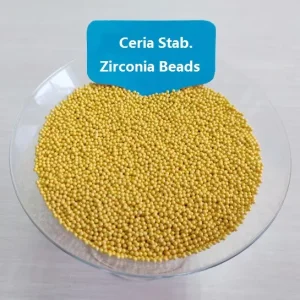
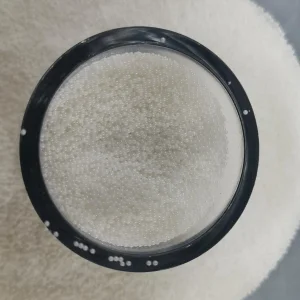
In high-speed micronizing, chemical slurry dispersion, and semiconductor wafer handling, particle contamination is intolerable. Yttria-Stabilized Zirconia (YSZ) and Ceria-Stabilized Zirconia beads provide fracture toughness exceeding 8-10 MPa·m¹/², reducing wear rates by up to 95% compared to glass or steel media.
Modern petrochemical processing and aerospace thermal barrier coatings require components that resist acid/alkali corrosion and temperatures exceeding 1600°C. Magnesium Oxide (MgO) and Magnesium-Stabilized Zirconia maintain structural stability without phase degradation under extreme thermal shocks.
| Material Type | Density (g/cm³) | Thermal Conductivity (W/m·K) | Flexural Strength (MPa) | Fracture Toughness (MPa·m¹/²) | Primary Application Target |
|---|---|---|---|---|---|
| Yttria-Stabilized Zirconia (YSZ) | 6.05 | 2.5 - 3.0 | 900 - 1200 | 9.0 - 12.0 | Biomedical Implants, Grinding Media, Valve Seats |
| Aluminum Nitride (AlN) | 3.30 | 170 - 230 | 320 - 400 | 3.0 - 3.5 | Laser Diode Substrates, Semiconductor Heaters |
| High-Purity Alumina (Al2O3 99.8%) | 3.92 | 30 - 35 | 380 - 450 | 4.0 - 4.5 | Electrical Insulators, Chemical Wear Rings |
| Magnesium Oxide (MgO) | 3.58 | 45 - 60 | 200 - 250 | 2.5 - 3.0 | Crucibles, High-Temp Furnace Heating Elements |
| Silicon Nitride (Si3N4) | 3.25 | 30 - 40 | 700 - 900 | 6.5 - 8.0 | Aerospace Turbine Rotors, High-Speed Bearings |
How centralized industrial clusters and integrated manufacturing deliver unparalleled value for enterprise purchasing directors.
Global procurement executives evaluating B2B technical ceramic suppliers often face trade-offs between precision engineering tolerances, batch-to-batch repeatability, lead times, and cost structures. The continuous evolution of China's advanced manufacturing infrastructure—embodied by companies like Yixing Qiangguang Ceramic Materials Co., Ltd.—has resolved these historic trade-offs through full vertically integrated manufacturing.
By controlling raw material chemical purity (up to 99.99%) from initial spray drying and calcination, factories ensure consistent grain size distribution. This prevents microstructural void formation during sintering, guaranteeing high dielectric breakdown voltage and mechanical strength.
Utilizing Cold Isostatic Pressing (CIP) and High-Temperature Gas Pressure Sintering (GPS) furnaces operating at up to 1800°C, material density reaches >99.5% of theoretical limits, eliminating porosity for vacuum-tight applications.
Post-sintering diamond grinding, ultrasonic machining, and lapping achieve surface roughness down to Ra < 0.01 µm and geometric tolerances within ±0.001 mm, meeting the exact specifications of aerospace and semiconductor OEMs.
Proven multi-industry deployment of customized advanced ceramic engineering components.
In high-power semiconductor laser assembly, Aluminum Nitride (AlN) substrates provide rapid thermal dissipation without thermal expansion mismatch with silicon and GaAs chips, preventing thermal cracking during intense duty cycles.
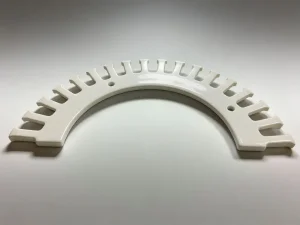
Custom Alumina and Silicon Nitride ceramic isolation plates prevent high-voltage arcing in EV battery management systems and power inverters, enduring vibration and thermal cycling from -40°C to 150°C.
In offshore and heavy chemical refining, acidic slurries quickly erode tungsten carbide valves. Zirconia and Magnesia ceramic valve balls and seats offer complete immunity to acid/alkali degradation, extending mean time between failures (MTBF) by 400%.
High-purity Yttria-Stabilized Zirconia (YSZ) is widely specified for orthopedic implants and precision surgical blades due to its bio-inertness, non-magnetic properties, and extreme resistance to micro-chipping during high-load sterilization cycles.
In lithium battery cathode/anode slurry production, Ceria and Yttria-stabilized zirconia grinding beads deliver uniform nano-scale milling with zero metallic ion contamination, critical for battery safety and energy density.
For supersonic flight and defense guidance systems, high-purity ceramic components withstand high aerodynamic shear, friction heating, and microwave transparency requirements without structural failure.
Addressing engineering specifications, customization capabilities, and B2B procurement logistics.
While Alumina offers higher hardness and cost efficiency for static insulating parts, Zirconia possesses dramatically superior flexural strength and fracture toughness (9-12 MPa·m¹/²). Zirconia is ideal for high-impact wear environments, precision valve components, and high-stress mechanical seals.
Through state-of-the-art diamond CNC grinding, lapping, and ultrasonic machining, we regularly achieve dimensional tolerances of ±0.001 mm (1 micron), surface flatness up to 1/4 light band, and surface roughness of Ra < 0.01 µm according to client CAD blueprints.
Aluminum Nitride offers a rare combination of exceptionally high thermal conductivity (170-230 W/m·K) and strong electrical insulation, paired with a thermal expansion coefficient (CTE) closely matching that of Silicon and Silicon Carbide wafers, minimizing interfacial thermal stress.
We maintain full ownership of the entire industrial chain—from raw powder preparation to final inspection. Each production lot undergoes CMM dimensional inspection, X-ray diffraction (XRD) phase analysis, density testing, and surface roughness checks under ISO quality management standards.
Yes. Our R&D team formulates customized powder blends including Calcium-Stabilized Zirconia, Magnesium-Stabilized Zirconia, Ceria-Stabilized Zirconia, and doped alumina compositions tailored for specific thermal shock, color, dielectric, or grain size specifications.
We support FOB, CIF, DDP, and Express shipping to global destinations including Europe, Japan, Southeast Asia, and North America. Standard prototype samples take 7-15 days, while full production batch runs typical require 3 to 4 weeks depending on machining complexity.
Explore additional high-performance technical ceramics available directly from our manufacturing facilities.