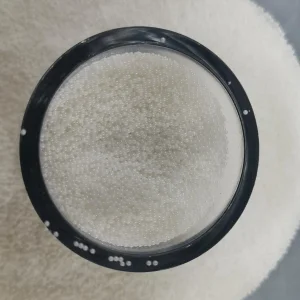
Explore our factory-direct advanced ceramic materials engineered for extreme thermal, mechanical, and corrosive environments.
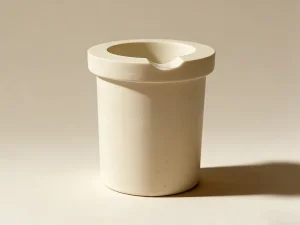
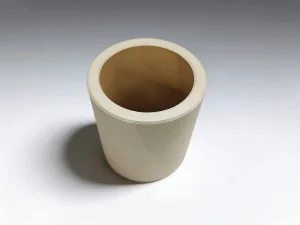
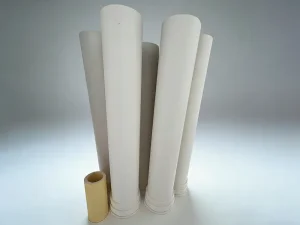
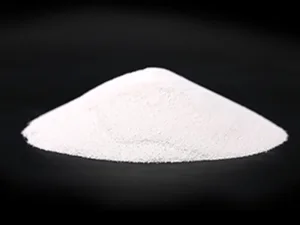
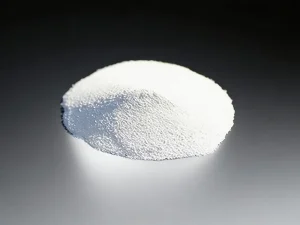
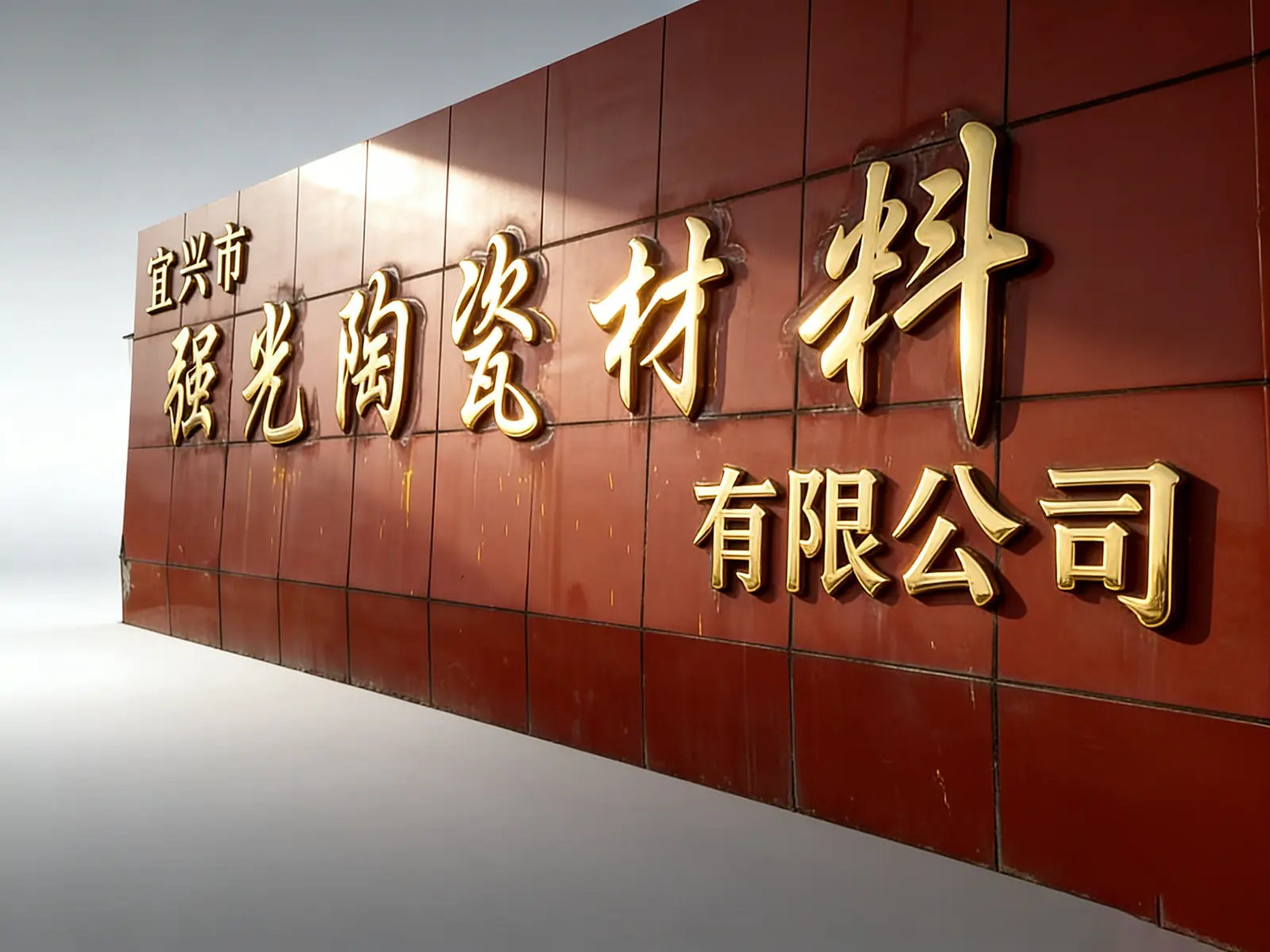
Founded in 2003, Yixing Qiangguang Ceramic Materials Co., Ltd. is a professional provider dedicated to the research and development (R&D), manufacturing, and application solutions of high-performance advanced ceramic materials. It is among the few enterprises in China that possess a complete industrial chain, covering key links from powder forming, sintering and precision machining to the provision of integrated application solutions.
The company is also a rare domestic manufacturer engaged in the R&D, production, and supply of a comprehensive portfolio of ceramic materials. Its product range covers zirconia, yttria, alumina, magnesia, aluminum nitride, boron nitride, silicon nitride, silicon carbide, aluminum titanate and other key ceramic materials for industrial use.
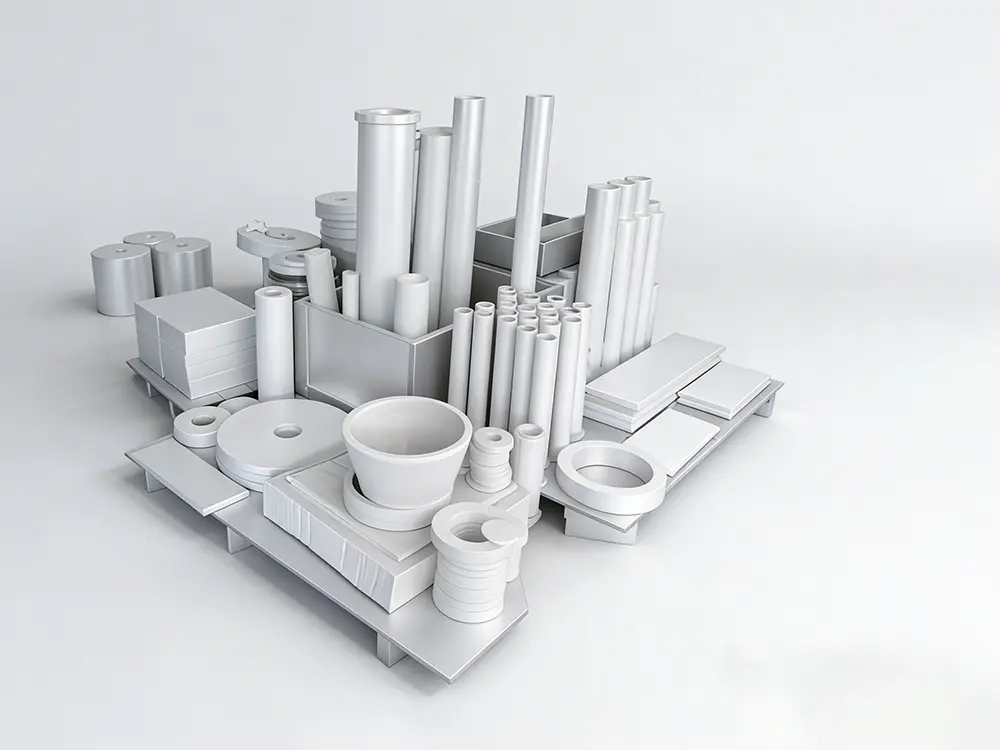
Benefiting from excellent product performance and stable quality, its products are extensively utilized in various high-end fields, such as food and medical industries, new energy vehicles, laser semiconductors, petrochemical engineering, powder metallurgy, national defense and military, as well as aerospace sectors.
Adhering to the core principle of "creating value for customers", Qiangguang provides customized and cost-efficient advanced ceramic solutions tailored to the specific demands of different customers. It is supported by high-quality after-sales services and a strict full-process tracking system, which effectively enhances cooperation efficiency and promotes continuous quality improvement.
At present, the company's products are sold well across the country and exported to Italy, the United Kingdom, Australia, Japan, Malaysia, Thailand, Hungary and other countries and regions. Committed to delivering high-quality products at reasonable prices, Qiangguang sincerely looks forward to establishing long-term and stable cooperative relations with global partners.
Understanding the Phase Transformation Toughening, Thermal Dynamics, and Microstructural Tailoring of Industrial Oxide Ceramics.
Oxide ceramics represent the cornerstone of structural and functional technical ceramics due to their extraordinary chemical inertness, high mechanical strength, resistance to extreme thermal environments, and electrical insulation properties. Unlike non-oxide ceramics (such as Silicon Carbide or Silicon Nitride) which require complex inert gas sintering atmospheres, oxide ceramics excel in oxidizing environments, making them indispensable for industrial thermal processes, semiconductor equipment, and high-wear mechanical pump assemblies.
By doping Pure Zirconia (ZrO₂) with 3mol% Yttria (3Y-TZP), the tetragonal phase is stabilized at room temperature. Under stress, phase transformation from tetragonal to monoclinic creates localized compressive stress, stopping crack propagation—a phenomenon known as Stress-Induced Phase Transformation Toughening.
Mg-SZ exhibits exceptional thermal shock resistance and maintains high fracture toughness even in high-temperature cyclic applications. Its unique precipitate microstructure resists thermal degradation, rendering it ideal for refractory crucibles, metal extrusion dies, and thermal barriers.
Ca-SZ offers cost-effective thermal stability and chemical resistance to molten slag and metals. Widely utilized in continuous casting refractories, oxygen sensors, and high-temperature metallurgical filters where thermal endurance is essential.
Featuring an ultra-high melting point (~2852°C) and superior electrical insulation at elevated temperatures, MgO ceramics serve as premium crucible material for nuclear processing, high-frequency induction furnaces, and chemical synthesis.
Ranging from 95% to 99.9% purity, alumina offers an optimum balance of dielectric strength, hardness (Mohs 9), high thermal conductivity, and wear resistance, dominating semiconductor substrate and electrical insulator sectors.
Integrating complementary materials like Silicon Nitride (Si₃N₄), Aluminum Nitride (AlN), Boron Nitride (BN), and Silicon Carbide (SiC) allows Qiangguang to deliver hybrid ceramic solutions for extreme multi-physics engineering challenges.
| Material Type | Density (g/cm³) | Flexural Strength (MPa) | Fracture Toughness (MPa·m¹/²) | Thermal Conductivity (W/m·K) | Max Operating Temp (°C) |
|---|---|---|---|---|---|
| 3Y-TZP (Yttria Zirconia) | 6.05 | 1000 - 1200 | 7.0 - 10.0 | 2.5 - 3.0 | 1150 |
| Mg-PSZ (Magnesia Zirconia) | 5.75 | 600 - 800 | 6.5 - 8.5 | 2.5 | 1400 |
| Ca-PSZ (Calcia Zirconia) | 5.60 | 450 - 650 | 5.0 - 6.5 | 2.2 | 1300 |
| MgO Ceramic (Magnesia) | 3.58 | 220 - 300 | 2.5 - 3.5 | 30 - 40 | 2300 |
| 99.8% Al₂O₃ (Alumina) | 3.92 | 380 - 450 | 4.0 - 4.5 | 30 | 1650 |
Why leading global original equipment manufacturers (OEMs) partner with vertically integrated Chinese advanced ceramic leaders.
China commands over 70% of global zircon sand processing capacity and high-purity rare earth oxides (such as Yttrium Oxide, Y₂O₃). Chinese factories benefit from immediate access to chemical coprecipitation and hydrothermal synthesis raw materials. Yixing Qiangguang utilizes sub-micron, highly spray-dried powders, guaranteeing consistent particle size distribution (PSD), uniform grain growth, and zero micro-void formation during cold isostatic pressing (CIP).
Many overseas ceramic vendors outsource precision diamond grinding or raw powder formulation. In contrast, Yixing Qiangguang operates a fully integrated supply chain: in-house powder preparation, spray drying, automated dry pressing, cold isostatic pressing (CIP), high-temperature atmospheric sintering (up to 1750°C), Hot Isostatic Pressing (HIP), and 5-axis CNC diamond machining. This drastically reduces lead times and prevents cross-contamination.
Precision diamond grinding, ultrasonic machining, and lapping permit mechanical tolerances within ±0.001 mm and surface roughness down to Ra 0.05 µm, essential for semiconductor vacuum chucks and hydraulic pump seals.
Equipped with ultra-high temperature electric shuttle kilns and continuous tunnel kilns with computerized temperature curve control, ensuring complete phase stabilization without thermal stress fractures.
Localized cluster supply chains in Yixing (China's ceramic capital) provide high manufacturing elasticity, enabling rapid transition from prototype sampling to million-unit mass production runs.
Strategic guidance for procurement managers, engineering directors, and global sourcing specialists.
How targeted oxide ceramic formulations solve critical material degradation challenges across mission-critical industries.
In plasma etching and photolithography chambers, metallic contamination is disastrous. High-purity YSZ and Alumina vacuum chucks, end-effectors, and dielectric insulators deliver thermal stability, zero outgassing, and exceptional erosion resistance against aggressive fluorine/chlorine plasma species.
The synthesis of cathode materials (LFP/NCM) requires metal-free wet ultra-fine grinding. High-density Yttria-Stabilized Zirconia beads (0.1mm - 2.0mm) and YSZ-lined pin mill rotors eliminate iron contamination, boosting battery energy density and charge-cycle longevity.
Handling abrasive slurries, hot acids, and high-pressure hydrogen sulfide quickly destroys conventional metal valves. YSZ and Mg-SZ ceramic valve balls, seats, and plunge sleeves provide chemical inertness, preventing galling and extending maintenance intervals 5- to 10-fold.
Aerospace turbines and defense propulsion engines demand materials capable of resisting extreme thermal shock and high oxidation. Mg-PSZ and Ca-PSZ structural inserts provide robust mechanical integrity during rapid thermal cycling exceeding 1200°C.
High-purity YSZ ceramic dosing pumps, homogenizer valves, and surgical cutters comply with strict FDA and medical biocompatibility requirements. Smooth surface finishes prevent bacterial adhesion and withstand CIP/SIP steam sterilization routines without degrading.
Magnesium Oxide (MgO) and Calcia-Stabilized Zirconia (Ca-SZ) crucibles feature non-wetting properties when contacting molten superalloys, platinum, and titanium, preserving alloy composition purity during induction vacuum melting.
Rigorous quality control protocols ensuring total compliance with international industrial standards.
From raw powder lot sampling to final inspection, Yixing Qiangguang executes complete trace-ability. Each production lot is assigned a unique batch identifier linked to sintering kiln thermal logs, density test records, and spectral composition data.
All structural oxide ceramic formulations are strictly certified compliant with RoHS (Restriction of Hazardous Substances) and REACH (EC 1907/2006) standards, assuring global customers of environmentally safe, zero-heavy-metal components.
Our in-house quality assurance center is equipped with state-of-the-art metrology instruments:
Emerging technologies shaping the future of industrial ceramics over the coming decade.
Stereolithography (SLA) and Binder Jetting of YSZ and Alumina allow complex internal cooling channels and lattice structures previously impossible via traditional pressing and CNC grinding.
Utilizing grain sizes below 100 nm yields superplastic deformation properties at lower temperatures, dramatic increases in fracture toughness (>12 MPa·m¹/²), and near-perfect optical translucency.
Combining oxide fibers within oxide matrix structures eliminates catastrophic brittle fracture modes, opening new frontiers in hypersonic propulsion and next-gen nuclear reactors.
Clear, authoritative answers to common inquiries from technical buyers and procurement specialists.
A: YSZ (specifically 3mol% Y-TZP) offers higher room-temperature flexural strength (up to 1200 MPa) and superior wear resistance, making it ideal for precision pump plungers, grinding media, and structural components under 500°C. In contrast, Mg-SZ possesses a microparticulate structure that resists phase degradation under extreme thermal cycling and high-temperature environments (up to 1400°C), making it superior for refractory and thermal shock applications.
A: Warping is controlled through precise green-body density uniformity achieved via Cold Isostatic Pressing (CIP) at pressures exceeding 200 MPa, combined with computer-controlled, multi-zone sintering kilns. Our firing schedules feature precise dwell times and controlled cooling rates to dissipate internal stresses.
A: Yes. We process custom orders based on 3D CAD files (STEP, IGES) and 2D engineering drawings. Green-state pre-machining is conducted prior to sintering, followed by diamond CNC grinding, lapping, and polishing after sintering to achieve tight dimensional tolerances down to ±0.001 mm.
A: Every delivery is accompanied by a comprehensive Quality Inspection Package including Material Safety Data Sheets (MSDS), Certificate of Analysis (COA) for chemical purity, CMM inspection reports, and density/hardness verification certificates.
A: Prototype samples utilizing existing tooling or soft-state green machining are delivered within 2 to 3 weeks. Production orders involving dedicated pressing dies typically require 4 to 6 weeks, depending on component complexity and secondary grinding requirements.
Browse our complete range of specialized powders, precision beads, and custom-engineered ceramic components.