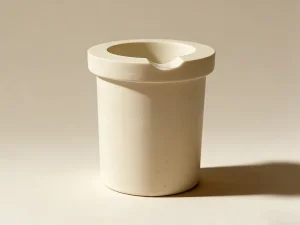
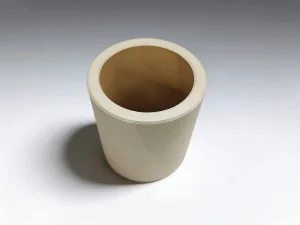
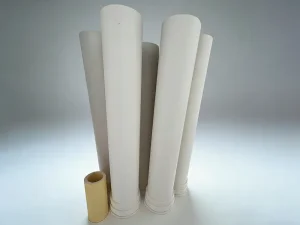
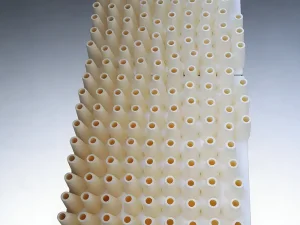
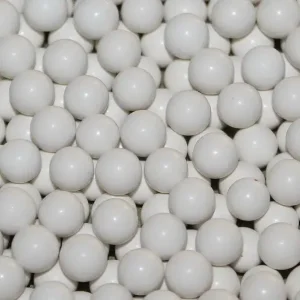
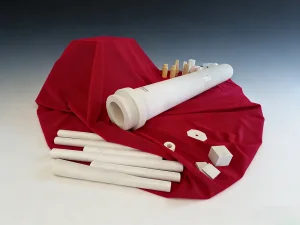
Explore our factory-direct ceramic engineering portfolio, meticulously synthesized for extreme durability and precise material characteristics.
Silicon Carbide (SiC) stands as a cornerstone third-generation semiconductor and structural technical ceramic material. Valued for its extreme hardness (Mohs 9.5), superior thermal conductivity (up to 270 W/m·K), low coefficient of thermal expansion, and exceptional resistance to chemical corrosion, SiC components are critical enablement tools for modern industrial automation, semiconductor fabrication, and clean-energy infrastructure.
Silicon Carbide exhibits thermal conductivity exceeding that of most metals, operating flawlessly at continuous service temperatures above 1,600°C. Its resistance to severe thermal shock prevents structural cracking during rapid temperature cycling in thermal processing furnaces.
Demonstrates near-complete immunity to strong acids (hydrofluoric, nitric, sulfuric) and aggressive alkaline media. This chemical stability ensures minimal ion contamination in semiconductor single-wafer processing and chemical reactors.
With extreme resistance to sliding wear, slurry erosion, and particle impact, SiC mechanical seals, pump sleeves, and blast nozzles experience operating lifespans 5x to 10x longer than conventional hardened alloys or alumina ceramics.
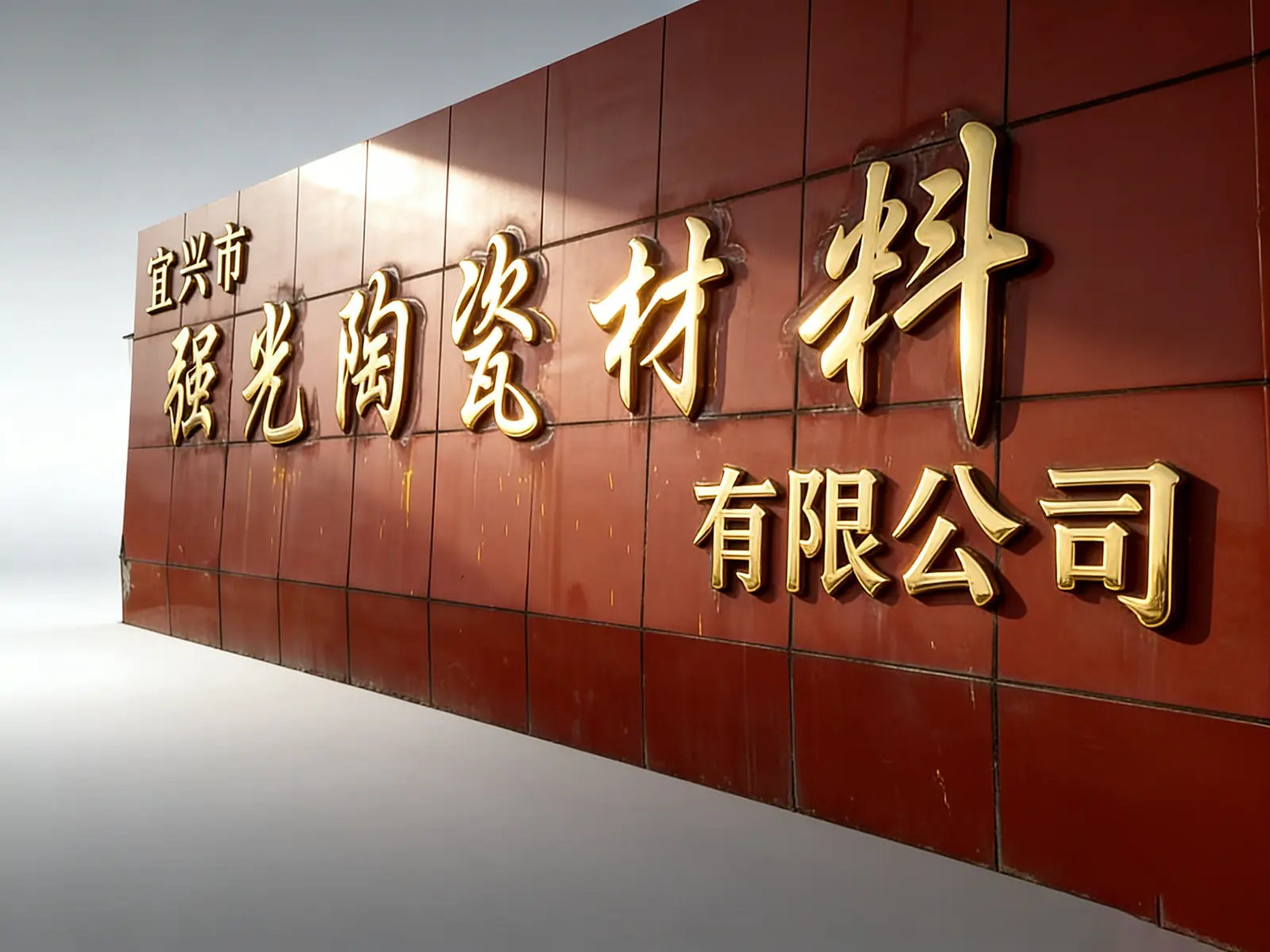
Founded in 2003, Yixing Qiangguang Ceramic Materials Co., Ltd. is a professional provider dedicated to the research and development (R&D), manufacturing, and application solutions of high-performance advanced ceramic materials. It is among the few enterprises in China that possess a complete industrial chain, covering key links from powder forming, sintering and precision machining to the provision of integrated application solutions.
The company is also a rare domestic manufacturer engaged in the R&D, production, and supply of a comprehensive portfolio of ceramic materials. Its product range covers zirconia, yttria, alumina, magnesia, aluminum nitride, boron nitride, silicon nitride, silicon carbide, aluminum titanate and other key ceramic materials for industrial use.
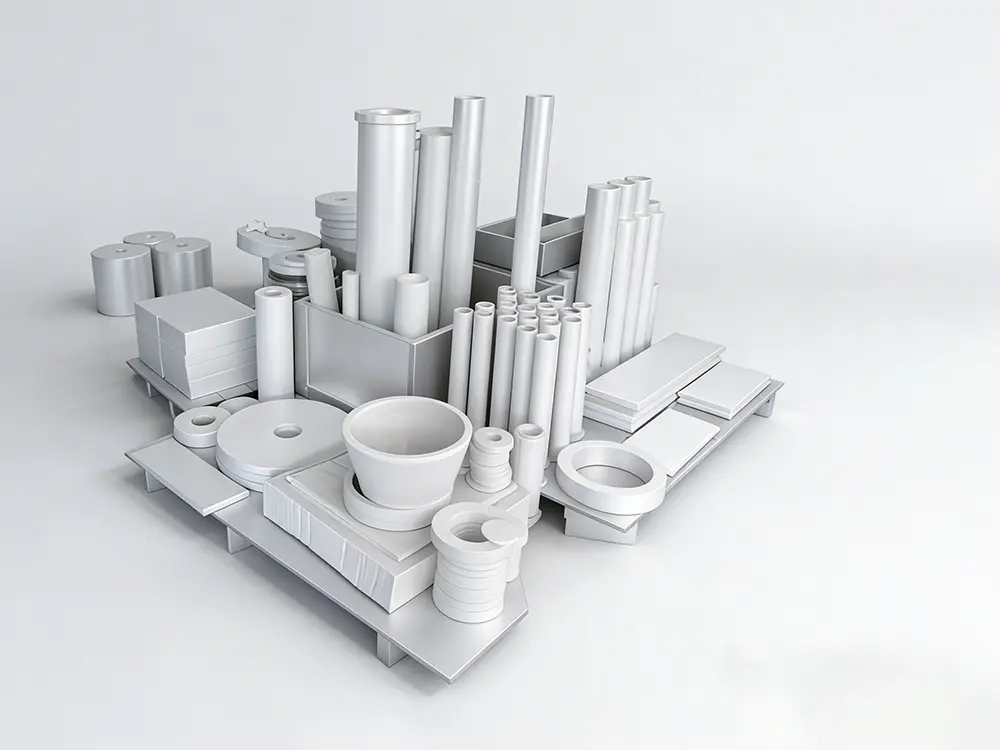
Benefiting from excellent product performance and stable quality, its products are extensively utilized in various high-end fields, such as food and medical industries, new energy vehicles, laser semiconductors, petrochemical engineering, powder metallurgy, national defense and military, as well as aerospace sectors.
Adhering to the core principle of "creating value for customers", Qiangguang provides customized and cost-efficient advanced ceramic solutions tailored to the specific demands of different customers. It is supported by high-quality after-sales services and a strict full-process tracking system, which effectively enhances cooperation efficiency and promotes continuous quality improvement.
At present, the company's products are sold well across the country and exported to Italy, the United Kingdom, Australia, Japan, Malaysia, Thailand, Hungary and other countries and regions. Committed to delivering high-quality products at reasonable prices, Qiangguang sincerely looks forward to establishing long-term and stable cooperative relations with global partners.
The worldwide shift toward energy efficiency, high-voltage power generation, electric mobility, and advanced semiconductor manufacturing has driven unprecedented demand for Silicon Carbide materials.
In 200mm and 300mm silicon and SiC wafer manufacturing, process chambers require structural parts with zero outgassing, high thermal uniformity, and extreme resistance to plasma corrosion. SSiC dummy wafers, LPCVD boats, and RTP rings are critical components in modern semiconductor fabs globally.
Electric vehicles rely on Silicon Carbide inverters for 800V architectures, achieving higher power densities and reduced switching losses. Beyond electronics, SiC mechanical pump seals and battery kiln furniture ensure high efficiency in EV battery cathode sintering lines.
Steel mills, aluminum refineries, and power plants adopt SiC heat exchangers to recover waste heat from high-temperature exhaust gases, directly reducing industrial carbon emissions while resisting aggressive slag and fly ash erosion.
Understanding the differences between Sintered Silicon Carbide (SSiC), Reaction-Bonded Silicon Carbide (RBSiC/SiSiC), and complementary technical ceramics enables exact material selection for tailored industrial environments.
| Material Property | Sintered SiC (SSiC) | Reaction Bonded (RBSiC) | Silicon Nitride (Si3N4) | Zirconia (ZrO2) | Alumina (Al2O3 99.5%) |
|---|---|---|---|---|---|
| Density (g/cm³) | 3.10 - 3.15 | 3.00 - 3.05 | 3.20 - 3.25 | 6.00 - 6.05 | 3.90 - 3.95 |
| Flexural Strength (MPa) | 400 - 450 | 250 - 300 | 700 - 900 | 900 - 1200 | 350 - 400 |
| Thermal Conductivity (W/m·K) | 110 - 130 | 150 - 200 | 30 - 40 | 2.5 - 3.0 | 30 - 35 |
| Max Service Temp (°C) | 1600°C | 1380°C | 1400°C | 1000°C | 1650°C |
| Mohs Hardness | 9.5 | 9.2 | 9.0 | 8.5 | 9.0 |
| Acid/Alkali Resistance | Exceptional | Good | Excellent | Moderate | Good |
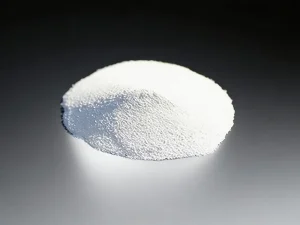
Synthesized by sintering sub-micron alpha-SiC powder at ultra-high temperatures (2,000°C - 2,200°C) under an inert atmosphere with boron and carbon sintering aids. SSiC features zero free silicon content, granting it maximum chemical purity, supreme hardness, and superior resistance to corrosive fluids at extreme temperatures.
Formed by infiltrating a porous compact of SiC and carbon with molten liquid silicon at 1,450°C. The silicon reacts with carbon to form additional SiC, creating a dense structure with minimal dimensional shrinkage during sintering. RBSiC is ideal for complex, large-scale structural components such as burner tubes, beams, and kiln furniture.
Tailored technical ceramic components manufactured by Yixing Qiangguang address specific industrial friction, heat transfer, and mechanical wear challenges.
Components: Wafer carriers, CVD/ALD process rings, plasma etch focus rings, susceptors, cantilever beams.
Impact: Low thermal expansion prevents wafer warping; high dielectric strength ensures reliable plasma containment without metallic micro-contamination.
Components: Mechanical seal rings, magnetic drive pump bearings, valve balls, shaft sleeves.
Impact: SSiC seal faces eliminate dry-running scuffing, withstand acidic slurry abrasion, and deliver 100% leak-free performance in chemical plants.
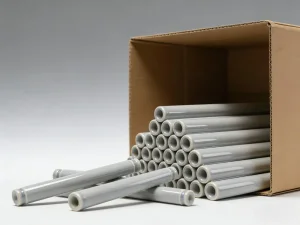
Components: Radiant burner tubes, desulfurization spray nozzles, rollers, cooling pipes.
Impact: Superior thermal conductivity reduces energy consumption in high-temperature furnaces; prevents creep deformation over years of continuous load.
Addressing essential technical queries regarding material grades, machining limits, lead times, and application compatibility.
Factory-direct technical ceramic components engineered to optimize performance across high-stress industrial applications.