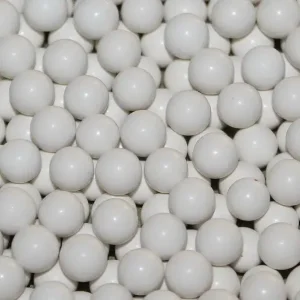
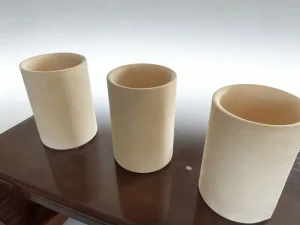
High-performance structural ceramics manufactured under strict ISO quality systems for extreme thermal, wear, and chemical resistance.
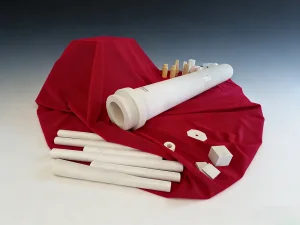
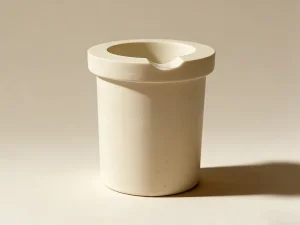
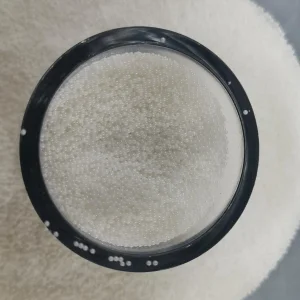
In the realm of advanced material science, Silicon Ceramics—encompassing Silicon Nitride (Si3N4), Silicon Carbide (SiC), and specialized Ceramic Matrix Composites (CMCs)—represent the pinnacle of structural engineering materials. As global industries demand higher operating temperatures, extreme wear resistance, lower friction coefficients, and immunity to chemical degradation, traditional metallic alloys and basic oxide ceramics are increasingly reaching their mechanical limits. Chinese advanced ceramic manufacturers have spearheaded a technological renaissance, transforming from component fabricators into end-to-end strategic material science partners for Tier-1 global industrial enterprises.
Founded in 2003, Yixing Qiangguang Ceramic Materials Co., Ltd. is a professional provider dedicated to the research and development (R&D), manufacturing, and application solutions of high-performance advanced ceramic materials. It is among the few enterprises in China that possess a complete industrial chain, covering key links from powder synthesis, green body forming, precision sintering to diamond-tool precision machining and integrated application solutions.
The company stands out as a rare domestic manufacturer engaged in the comprehensive R&D, production, and supply of a full material portfolio. Its technical product scope covers zirconia, yttria, alumina, magnesia, aluminum nitride, boron nitride, silicon nitride, silicon carbide, aluminum titanate, and other critical structural and functional ceramic materials for demanding industrial applications.
Core Strategic Advantage: By mastering vertical synthesis from sub-micron raw powders to CNC 5-axis ultrasonic diamond grinding, China's silicon ceramic ecosystem provides unmatched component longevity, reducing Total Cost of Ownership (TCO) by up to 40% across semiconductor, aerospace, and energy sectors.
Understanding the mechanical, thermal, and electrical metrics driving material substitution in high-stress applications.
| Material Type | Density (g/cm³) | Flexural Strength (MPa) | Thermal Conductivity (W/m·K) | Max Operating Temp (°C) | Thermal Shock Resistance |
|---|---|---|---|---|---|
| Silicon Nitride (Si3N4) | 3.2 - 3.3 | 850 - 1100 | 30 - 90 | 1400 | Exceptional (High ΔT) |
| Silicon Carbide (SiC) | 3.1 - 3.25 | 400 - 600 | 120 - 200 | 1650 | Very High |
| Alumina (Al2O3 - 99.5%) | 3.9 | 350 - 450 | 25 - 30 | 1500 | Moderate |
| Yttria Zirconia (YSZ) | 6.05 | 1000 - 1200 | 2.5 - 3 | 1000 | Low-Moderate |
| Titanium Alloy (Grade 5) | 4.43 | 950 (Yield) | 6.7 | 400 | Low (Creep Risk) |
Silicon Nitride boasts an extremely low coefficient of thermal expansion (3.0 x 10^-6/K). This enables Si3N4 ceramic components to undergo violent thermal cycling without experiencing micro-cracking or catastrophic structural failure.
With high hardness (HV10 > 1500) and low self-lubricating friction against steel, silicon ceramics dramatically reduce wear rates, extending maintenance cycles in high-RPM automotive and aerospace bearings.
Covalently bonded silicon ceramics resist virtually all mineral acids, alkalis, and molten non-ferrous metals (such as molten aluminum), making them ideal for aggressive chemical processing equipment.
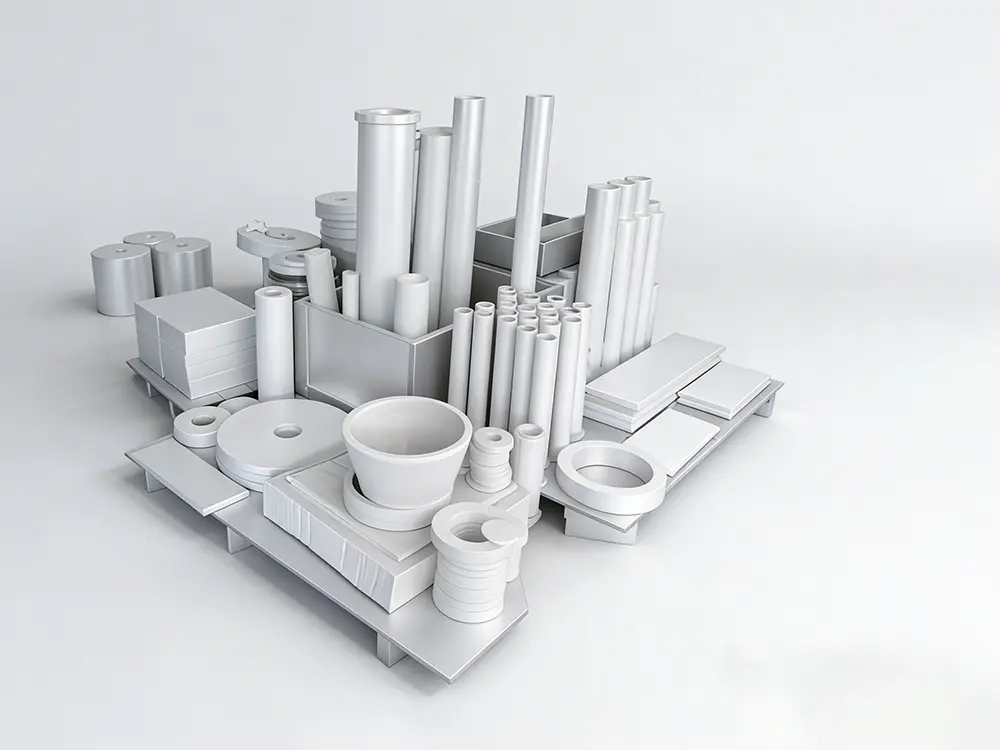
Benefiting from excellent product performance and stable quality, products from leading Chinese manufacturers like Yixing Qiangguang are extensively utilized in critical high-end fields, such as food and medical processing, new energy vehicles (NEVs), laser semiconductors, petrochemical engineering, powder metallurgy, national defense, and aerospace sectors.
China's transformation in technical ceramics rests upon three pillars:
Silicon ceramics are critical components across major international growth industries.
High-purity Silicon Nitride and Aluminum Nitride components are critical for PECVD, etch chambers, wafer chucks, and end-effectors. Their thermal conductivity and resistance to plasma erosion prevent particulate contamination during nanometer-scale chip fabrication.
Silicon Nitride ceramic balls are replacing steel balls in high-rpm electric vehicle traction motors. By insulating against electrical pitting (stray currents) and lightweighting rotation mass by 60%, Si3N4 hybrid bearings significantly extend motor lifespan and efficiency.
In slurry control valves, oilfield drilling, and refinery pumps, silicon ceramic trim and seals outlast tungsten carbide by 300% to 500% in highly abrasive, acid-laden fluid flows, sharply reducing unplanned operational downtime.
Adhering to the core principle of "creating value for customers", Qiangguang provides customized and cost-efficient advanced ceramic solutions tailored to the specific demands of different international customers. Supported by high-quality technical support services and a strict full-process tracking system, we maximize operational efficiency and foster continuous quality improvement.
At present, our engineering products are sold successfully across domestic high-tech corridors and exported globally to Italy, the United Kingdom, Australia, Japan, Malaysia, Thailand, Hungary, and other key manufacturing nations. Committed to delivering OEM precision components at direct factory prices, we build long-term, strategic global partnerships.
Technical guidance for global sourcing managers, mechanical design engineers, and buyers.
Silicon Nitride offers the optimal combination of low density (3.2 g/cm³), high flexural strength (>900 MPa), superior fracture toughness, and exceptional thermal shock resistance. Unlike Zirconia, which experiences thermal degradation (aging) above 250°C in moist environments, Si3N4 maintains structural integrity up to 1200°C.
Chinese ceramic manufacturers utilize vertically integrated supply chains—from raw powder synthesis to CNC precision diamond machining. This eliminates multi-tier vendor markups, accelerates custom tooling turnaround times, and lowers unit cost while adhering to international ISO/DIN standards.
We utilize Cold Isostatic Pressing (CIP) for uniform compaction, followed by Gas Pressure Sintering (GPS) under high N2 atmospheric pressure to achieve near theoretical density (>99.5%). Hot Isostatic Pressing (HIP) is applied for ultra-critical aerospace and semiconductor components requiring absolute zero internal microporosity.
Yes. We specialize in OEM/ODM manufacturing based on customer STEP/IGES/DWG files. Our precision grinding capabilities allow us to achieve tight dimensional tolerances down to ±0.002mm and surface roughness Ra < 0.05µm.
High-purity alumina, zirconia, and silicon nitride solutions for industrial grinding, milling, and wear-resistant applications.