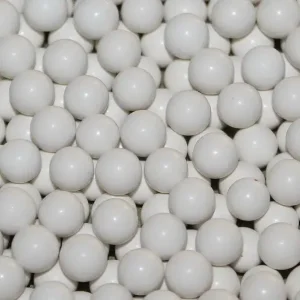
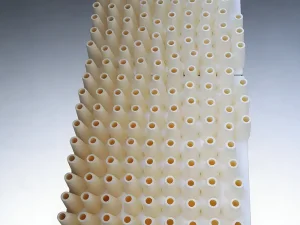
High-precision ceramic powders, structural elements, and high-temperature engineering components manufactured to rigorous international standards.
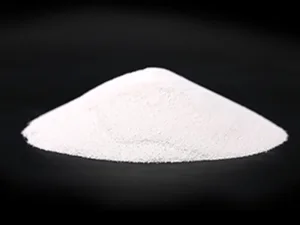
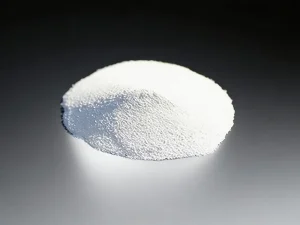
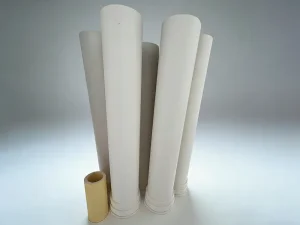
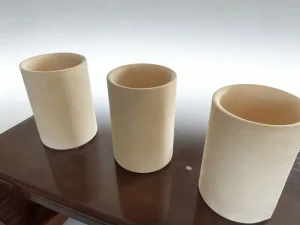
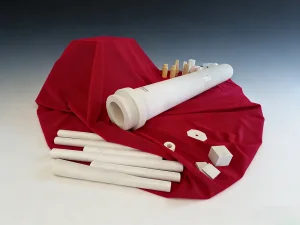
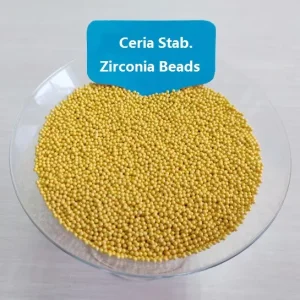
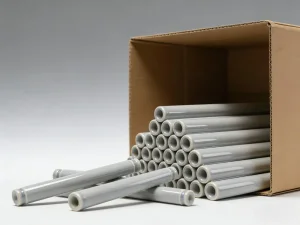
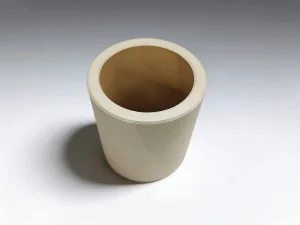
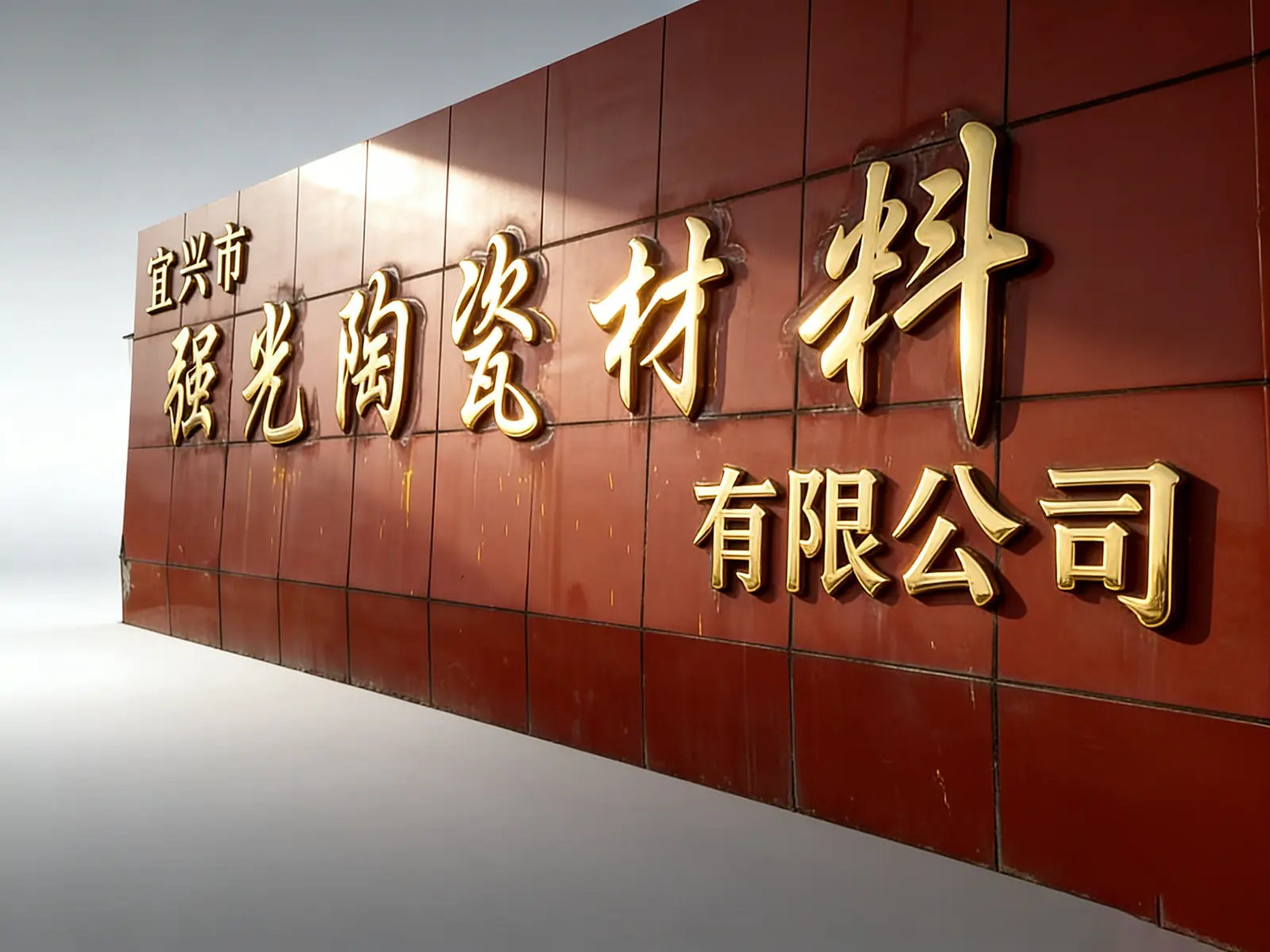
Founded in 2003, Yixing Qiangguang Ceramic Materials Co., Ltd. is a premier high-technology enterprise dedicated to the rigorous research and development (R&D), industrial-scale manufacturing, and strategic application engineering of advanced technical ceramic components. Positioned at the forefront of China's advanced materials ecosystem, Qiangguang represents one of the highly specialized manufacturers possessing an end-to-end integrated industrial footprint. This encompasses every critical phase—from high-purity ceramic powder synthesis and precursor forming to state-of-the-art densification sintering (GPS/HIP) and sub-micron diamond precision machining.
As global industries shift toward higher energy efficiency, extreme operating temperatures, and sub-micron precision demands, traditional metallic alloys encounter intrinsic material degradation boundaries. Silicon Nitride (Si3N4) technical ceramics have emerged as the premier structural material to resolve these bottleneck engineering challenges. With a fully vertically integrated supply chain, Qiangguang provides turnkey material solutions engineered for extreme wear, extreme thermal shock, and high-frequency electrical insulation environments.
In-depth technical breakdown of physical, thermal, electrical, and tribological characteristics enabling next-generation engineering applications.
Silicon Nitride (Si3N4) is a synthetic covalent compound exhibiting an exceptional combination of mechanical, thermal, and chemical attributes unmatched by conventional engineering ceramics like Alumina (Al2O3) or Zirconia (ZrO2). The fundamental origin of its high strength and fracture toughness lies in its dual-phase crystal transformation mechanics during high-temperature liquid-phase sintering. By controlling the transformation from fine-grained α-Si3N4 starting powder into high-aspect-ratio elongated β-Si3N4 grains, the resulting microstructure acts as a self-reinforced ceramic composite.
| Property Parameter | Test Standard (ASTM/ISO) | Gas Pressure Sintered (GPS) | Hot Isostatic Pressed (HIP) | Reaction Bonded (RBSN) |
|---|---|---|---|---|
| Bulk Density (g/cm³) | ISO 18754 / ASTM C373 | 3.22 - 3.25 | 3.24 - 3.26 | 2.40 - 2.80 |
| Flexural Strength (4-point, MPa) | ASTM C1161 / ISO 14704 | 850 - 1000 | 1100 - 1300 | 250 - 350 |
| Fracture Toughness (K1c, MPa·m½) | ASTM C1421 / ISO 15732 | 6.5 - 7.5 | 7.5 - 9.0 | 2.5 - 3.5 |
| Young's Modulus (GPa) | ASTM E1876 | 315 - 325 | 320 - 330 | 180 - 220 |
| Hardness (Vickers HV10, GPa) | ASTM C1327 / ISO 14705 | 15.0 - 16.5 | 16.5 - 18.0 | 9.0 - 11.0 |
| Thermal Conductivity (W/m·K) | ASTM E1461 (Flash Method) | 30 - 90 (High-k Grade) | 35 - 95 (High-k Grade) | 12 - 20 |
| Thermal Expansion (20-1000°C, 10⁻⇧/K) | ASTM E228 | 3.0 - 3.2 | 3.0 - 3.2 | 2.8 - 3.0 |
| Electrical Resistivity (Ω·cm) | ASTM D257 | > 10¹² | > 10¹&sup4; | > 10¹&sup0; |
During densification, controlled addition of oxide sintering aids (e.g., Y2O3, Al2O3, Yb2O3) forms a transient liquid phase. Dissolution of equiaxed α-Si3N4 followed by epitaxial precipitation of β-Si3N4 creates interlocking rod-like grains. When cracks propagate, these elongated grains induce crack deflection, crack bridging, and grain pull-out mechanisms, imparting superior damage tolerance.
Thermal shock failure occurs when localized thermal expansion generates internal stress exceeding material flexural strength. Silicon Nitride exhibits an extremely low thermal expansion coefficient (~3.0 x 10^-6 /K) and high strength, yielding a thermal shock resistance factor R > 550 K. It can withstand rapid temperature quenching from 1000°C into cold water without catastrophic mechanical degradation.
Silicon nitride components display low friction coefficients under unlubricated and boundary-lubricated regimes. When mated against steel, Si3N4 prevents cold-welding, adhesive wear, and galling due to its non-metallic atomic bonding. This makes Si3N4 hybrid bearings immune to electrical fluting and micro-welding failure under ultra-high rotational speeds (DN values > 3 million).
How Silicon Nitride material capabilities solve structural bottlenecks across high-end global manufacturing domains.
Electric vehicles operating with high-voltage 800V SiC inverters generate high frequency stray electrical currents that pass through drive motor bearings. Standard steel bearings suffer from electrical arcing, pitting, and premature race failure. Silicon Nitride ceramic balls eliminate electrical pitting due to infinite electrical resistivity, while enduring extreme rpm requirements in lightweight EV drive units.
In plasma etching, chemical vapor deposition (CVD), and ion implantation systems, silicon nitride components serve as critical electrostatic chucks (ESC), plasma gas distribution rings, and wafer heating plates. Si3N4 maintains chemical inertness against aggressive halogen plasma species (CF4, NF3) and prevents trace metallic contamination in sub-2nm semiconductor fabrication lines.
Molten aluminum, zinc, and magnesium alloys rapidly corrode metallic components. Silicon Nitride riser tubes, heater protection sheaths, and molten metal pump impellers resist chemical attack and non-wetting behavior against molten non-ferrous liquids. This operational longevity drastically decreases foundry downtime and prevents melt contamination.
Gas turbine engine bearings, fuel metering pump vanes, and high-speed missile radomes demand materials that retain mechanical strength at elevated temperatures (> 1200°C) under high centrifugal stresses. High-density Hot Isostatic Pressed (HIP) Si3N4 provides low thermal expansion, high temperature creep resistance, and low mass density (reducing centrifugal load by 60% compared to steel).
Severe service control valves exposed to abrasive sands, highly acidic process streams, and cavitation erosion rely on Silicon Nitride valve trim components, ball valves, and sleeve inserts. Si3N4 outlasts tungsten carbide and titanium alloys by 5x to 10x in hostile corrosive-abrasive fluid dynamic environments.
Silicon nitride possesses exceptional biocompatibility, hydrophilic surface chemistry, and osteoconductive properties. Used in spinal fusion cages and joint replacement components, Si3N4 exhibits low wear particle generation, resistance to bacterial biofilm formation, and radiolucency for unimpeded post-operative X-ray imaging.
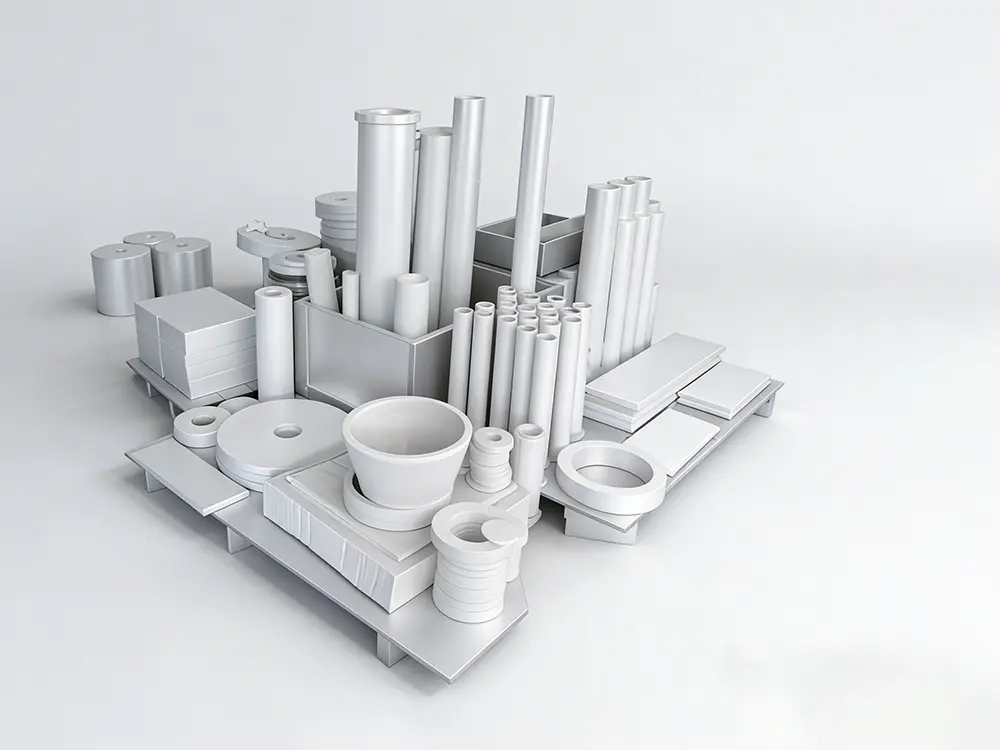
Benefiting from excellent product performance and stable quality, Qiangguang's technical ceramic components are extensively utilized in high-end industrial fields such as food and medical processing, new energy vehicles, laser semiconductors, petrochemical engineering, powder metallurgy, national defense, and aerospace sectors.
Beyond Silicon Nitride (Si3N4), Qiangguang manufactures an expansive portfolio of technical advanced ceramic formulations customized to specific application matrices:
Adhering to the core principle of "creating value for customers", Qiangguang provides customized and cost-efficient advanced ceramic solutions tailored to the specific demands of different international clients. It is supported by high-quality after-sales services and a strict full-process quality tracking system, which effectively enhances cooperation efficiency and promotes continuous product refinement.
Future-focused production methodologies driving higher reliability, higher thermal dissipation, and ultra-precise dimensional tolerances.
Utilizing nitrogen atmosphere pressures up to 10 MPa at temperatures ranging from 1750°C to 1900°C. Nitrogen overpressure suppresses thermal decomposition of Si3N4 into metallic silicon and nitrogen gas, enabling full theoretical densification of large, complex 3D net-shape geometries without shape distortion.
Post-sintering exposure to high argon/nitrogen pressures (100 - 200 MPa) eliminates residual micro-porosity. HIPed Silicon Nitride achieves near-zero internal void defect distribution, granting maximum fatigue limit strength suitable for bearing elements operating under high contact fatigue stresses.
By ultra-purifying raw α-Si3N4 powder (lattice oxygen content < 0.5 wt%) and optimizing rare-earth sintering aids (Yb2O3/Gd2O3), thermal conductivity is pushed from baseline 30 W/m·K to > 90 W/m·K. This creates ideal ceramic substrate material for high-power SiC/GaN power modules.
Silicon Nitride's extreme hardness (HV10 1500+) requires specialized precision diamond grinding, ultrasonic drilling, and lapping processes. Qiangguang's state-of-the-art multi-axis CNC grinding center achieves the following production capabilities:
Precision ground down to ±0.001 mm (1 micron) for cylindrical bearing components and high-precision shaft sleeves.
Super-finishing and diamond lapping yields surface optical mirror finish with Ra < 0.01 μm (0.4 micro-inch).
Strict adherence to sphericity (Grade 3/5 for ceramic balls), roundness, concentricity, and parallelism under CMM verification.
Delivering high-reliability advanced ceramics to international manufacturing hubs across Europe, Asia-Pacific, and the Americas.
At present, Qiangguang's products are sold across domestic high-tech centers and exported to international partners in Italy, the United Kingdom, Australia, Japan, Malaysia, Thailand, Hungary, and other industrial regions. Committed to delivering high-quality products at competitive cost structures, Qiangguang establishes long-term collaborative technical frameworks with international OEMs and Tier-1 procurement partners.
Every batch of Silicon Nitride components undergoes comprehensive material characterization and quality assurance protocols compliant with international standard frameworks:
When auditing China Silicon Nitride Ceramic Suppliers, engineering and procurement teams should evaluate suppliers on four critical performance pillars:
Answers to common engineering queries regarding Silicon Nitride properties, processing, and application suitability.
Explore our broader industrial ceramic product lineup for severe wear, high temperature, and specialized chemical processing applications.