Explore our flagship industrial ceramics and powder formulations engineered for extreme mechanical, thermal, and chemical stress environments across modern high-tech sectors.
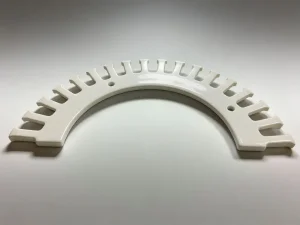
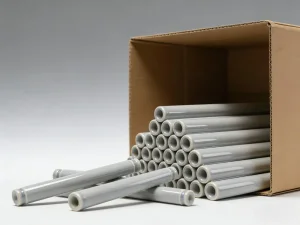
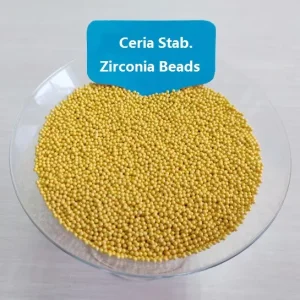
In the rapidly evolving global manufacturing landscape, the term "Tech O Tech" symbolizes the intersection of advanced technology, ultra-precision material synthesis, and scalable industrial infrastructure. At the epicenter of this technological shift is China’s advanced technical ceramics industry. Historically dominated by traditional refractory and structural porcelain production, the Chinese ceramic manufacturing ecosystem has undergone a profound transformation. Today, leading enterprises stand at the forefront of nanostructured material engineering, delivering custom-designed ceramic components that power next-generation semiconductors, electric vehicle (EV) battery systems, aerospace propulsion, and biomedical implants.
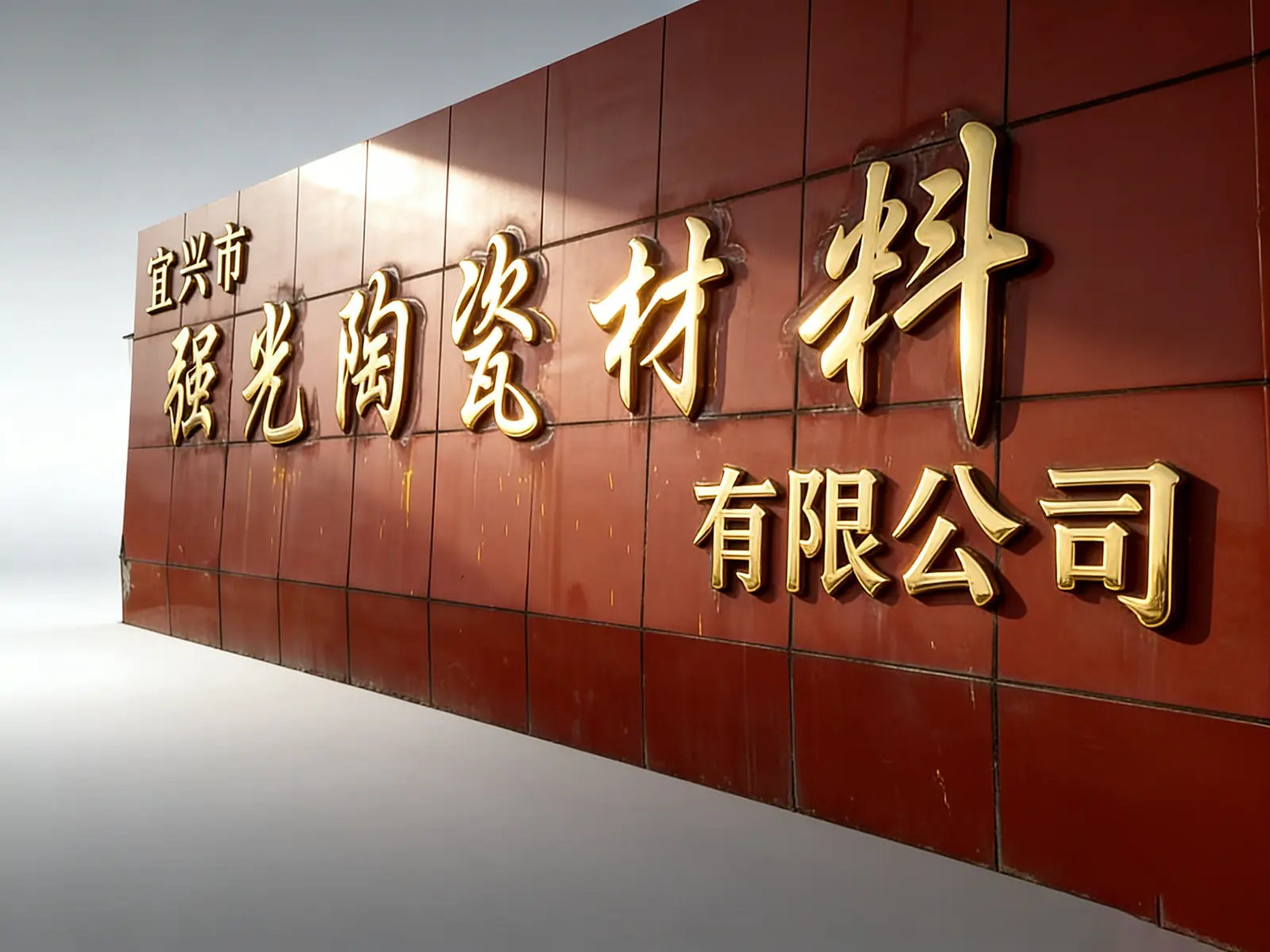
Founded in 2003, Yixing Qiangguang Ceramic Materials Co., Ltd. represents the technological maturity of China's advanced ceramics sector. As one of the few domestic manufacturers featuring a fully closed-loop industrial infrastructure, Qiangguang executes every critical phase of technical ceramic manufacturing in-house:
By controlling every step from raw oxide/non-oxide powders to finished engineering components, top-tier Chinese manufacturers eliminate supply chain fragmentation. This integrated approach ensures consistent batch-to-batch microstructural density, exceptional fracture toughness, and tight dimensional tolerances required by global Fortune 500 original equipment manufacturers (OEMs).
The competitive advantage of modern technical ceramics lies in their tailored crystal chemistry and physical properties. Unlike conventional metals or polymers, advanced technical ceramics exhibit superior thermal stability, extreme hardness, chemical inertness, and exceptional dielectric performance under extreme operational stress.
Yixing Qiangguang’s extensive portfolio encompasses both oxide and non-oxide ceramic compositions, designed to meet strict engineering specifications across diverse industrial verticals:
| Material Classification | Key Stabilization / Additive | Density (g/cm³) | Flexural Strength (MPa) | Thermal Conductivity (W/m·K) | Primary Technical Characteristic |
|---|---|---|---|---|---|
| Alumina (Al₂O₃) | 95% - 99.9% High Purity | 3.65 - 3.98 | 350 - 450 | 25 - 35 | Outstanding wear resistance, high electrical insulation, cost-efficiency. |
| Yttria-Stabilized Zirconia (Y-TZP) | 3 mol% Y₂O₃ | 6.05 | 1000 - 1200 | 2.5 - 3.0 | Transformation toughening, extreme fracture toughness, steel-like strength. |
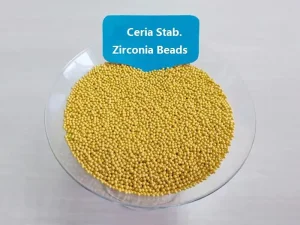
| Ceria-Stabilized Zirconia (Ce-TZP) | 10-12 mol% CeO₂ | 6.20 | 700 - 900 | 2.0 | Superior resistance to hydrothermal aging/degradation in moist environments. |
| Calcium-Stabilized Zirconia (Ca-SZ) | CaO Stabilized | 5.60 | 500 - 700 | 2.2 | High thermal shock resistance for metallurgical and refractory applications. |
| Aluminum Nitride (AlN) | High Thermal Conductive Phase | 3.30 | 320 - 400 | 170 - 230 | Ultra-high thermal conductivity coupled with electrical insulation for semiconductors. |
| Silicon Nitride (Si₃N₄) | Gas-Pressure Sintered | 3.25 | 850 - 1000 | 30 - 40 | Exceptional thermal shock immunity, low friction, high dynamic load tolerance. |
| Aluminum Titanate (Al₂TiO₅) | Thermal Shock Formula | 3.40 - 3.70 | 40 - 80 | 1.5 - 2.0 | Near-zero coefficient of thermal expansion, non-wetting to molten aluminum. |
| Magnesium Oxide (MgO) | High Purity Sintered | 3.58 | 200 - 300 | 40 - 60 | High dielectric strength, chemical resistance in molten metal/salt environments. |
Each material is engineered at the molecular level. For example, in Yttria-Stabilized Tetragonal Zirconia Polycrystals (Y-TZP), the inclusion of yttria stabilizes the tetragonal crystal phase at room temperature. When a crack propagates through the material, the stress field induces a phase transformation from the tetragonal to the monoclinic phase. This transformation is accompanied by a ~4% volume expansion, which squeezes the crack shut and stops catastrophic failure—a phenomenon known as Stress-Induced Phase Transformation Toughening.
The demand for industrial ceramics is accelerating due to global megatrends in energy transition, semiconductor miniaturization, and green mobility. As Western industries seek resilient, cost-effective, and technologically advanced manufacturing partners, Chinese "Tech O Tech" factories have evolved from low-cost component suppliers into critical technological innovation partners.
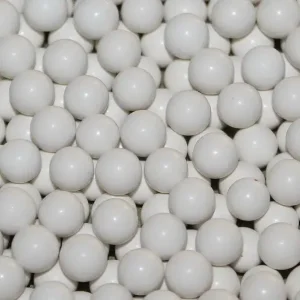
The rapid expansion of lithium-ion battery gigafactories requires ultra-fine milling media capable of grinding cathode (NMC/LFP) and anode materials down to the sub-micron scale without metallic contamination. Yttria and Ceria-stabilized zirconia beads provide high density (up to 6.2 g/cm³) and near-zero wear rates, ensuring high battery energy density and purity.
As power densities in 5G infrastructure, electric drive inverters, and high-performance computing (HPC) soar, traditional silicon and alumina substrates face thermal bottlenecks. High-purity Aluminum Nitride (AlN) ceramics, with thermal conductivities reaching 230 W/m·K, serve as essential heat spreaders, power module substrates, and wafer processing components.
Modern petrochemical and specialized chemical production lines operate under combined high-temperature, high-pressure, and highly corrosive conditions. Advanced structural ceramics such as Silicon Nitride and High-Purity Alumina replace exotic nickel alloys, delivering 5x to 10x longer operational lifespans for pump seals, valve seats, and nozzle assemblies.
Manufacturing high-tech ceramics requires rigorous quality management. Ceramic materials cannot be easily remachined after final sintering without specialized diamond tooling. Achieving microstructural homogeneity and exact dimensional tolerances demands strict process controls across every stage of production.
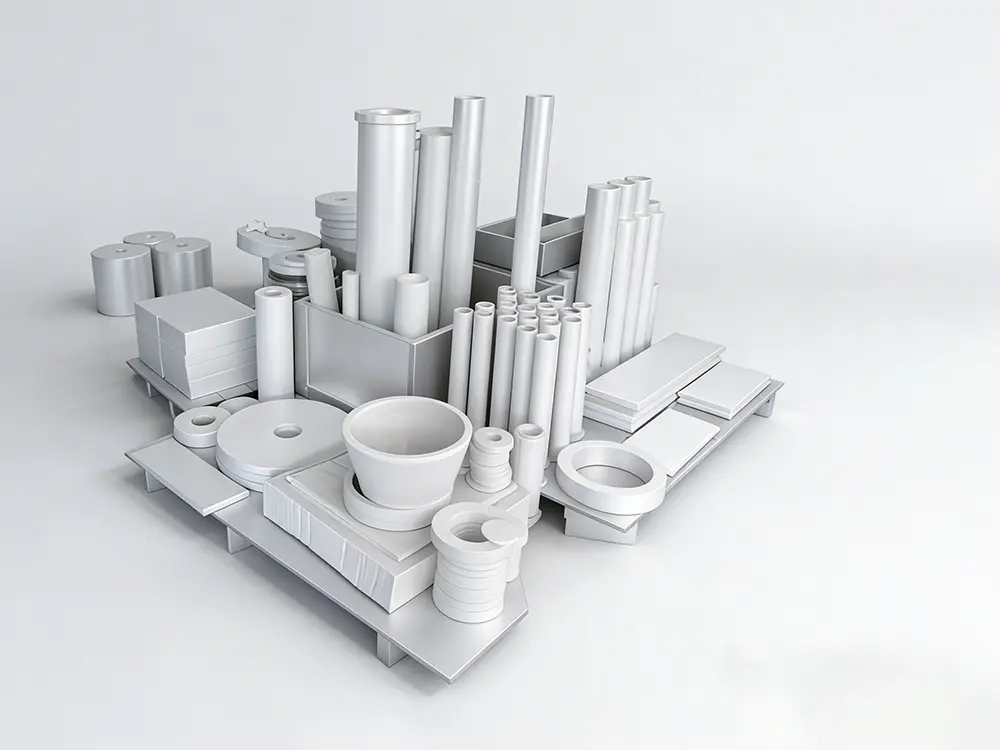
Yixing Qiangguang implements a comprehensive quality tracking protocol at every manufacturing milestone:
Advanced technical ceramics are key enablers across critical industrial domains. Below are real-world application scenarios demonstrating how Qiangguang's material engineering solves demanding operational challenges:
In active pharmaceutical ingredient (API) synthesis and food-grade dispersion, zero batch contamination is mandatory. Ultra-high purity Alumina and Yttria-Stabilized Zirconia grinding media ensure no metallic ions leach into the product, satisfying strict FDA and GMP health requirements.
High-power solid-state lasers and semiconductor plasma etching chambers demand components capable of withstanding aggressive fluorine/chlorine plasma while maintaining structural integrity. Aluminum Nitride and Silicon Nitride insulating components deliver high plasma erosion resistance and superior thermal dissipation.
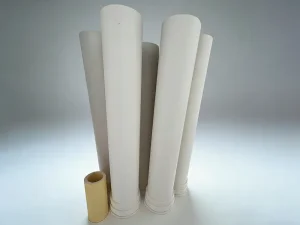
Handling molten metals such as aluminum, magnesium, and copper requires materials that resist severe thermal shock and chemical wetting. Aluminum Titanate dosing tubes and Magnesium Oxide crucibles eliminate alloy contamination and extend component service life.
High-temperature structural parts in jet engines, missile radomes, and thermal barrier systems demand light weight combined with high mechanical strength. Silicon Nitride engineering ceramics maintain high flexural strength up to 1200°C while offering a density less than half that of steel.
As global industrial requirements push structural ceramics toward extreme performance limits, ongoing R&D focuses on solving core material trade-offs—such as balancing high thermal conductivity with mechanical toughness, and reducing manufacturing costs for complex geometries.
Traditional ceramic green-body machining is constrained by tool wear and geometry limitations. The implementation of Stereolithography (SLA) and Selective Laser Sintering (SLS) for alumina, zirconia, and silicon nitride enables complex internal cooling channels, lightweight honeycombs, and customized bio-implants without expensive tooling.
By integrating machine learning algorithms into the sintering phase, temperature curves and atmosphere pressures are dynamically adjusted based on real-time sensor feedback. This eliminates micro-cracks at grain boundaries, yielding near-theoretical material density and enhanced reliability.
Energy-intensive high-temperature kilns are being redesigned to utilize clean hydrogen fuel blends and ultra-fast Microwave Sintering (MWS). This lowers processing times from days to hours while reducing the carbon footprint of factory production loops.
For procurement managers and engineering directors evaluating Chinese ceramic factories, selecting the right manufacturing partner requires evaluating technical execution, quality verification, and supply chain scalability. Below is a recommended 4-step vendor evaluation checklist:
Request third-party chemical assay reports (ICP-OES / XRD) to confirm oxide purity percentages and ensure phase stabilizer uniformity before green-body forming.
Inspect Scanning Electron Microscopy (SEM) cross-sections of sintered samples to evaluate grain size distribution, porosity levels, and absence of micro-voids.
Verify factory diamond-grinding capabilities, CMM laser inspection systems, and surface finish metrics (Ra/Rz values) across prototype runs.
Assess exporting experience, export packaging standards, custom clearance support, and international delivery track records across Europe, North America, and Asia.
Yttria-Stabilized Zirconia (Y-TZP) offers higher flexural strength (up to 1200 MPa) and hardness, making it ideal for precision wear components, structural pins, and standard grinding beads. However, Ceria-Stabilized Zirconia (Ce-TZP) features a higher material density (6.20 g/cm³) and superior resistance to Low-Temperature Degradation (LTD) or hydrothermal aging in hot, moist environments. Ce-TZP is preferred for heavy-duty dispersion of high-viscosity formulations where maximum kinetic impact is required.
Aluminum Nitride (AlN) provides a thermal conductivity of 170 to 230 W/m·K, which is roughly 7 to 8 times higher than standard Alumina (25–30 W/m·K). Furthermore, AlN features a Coefficient of Thermal Expansion (CTE) of ~4.5 x 10^-6 /K, closely matching silicon wafers. This minimizes thermal stress and micro-cracking in high-power semiconductor packaging and RF electronics.
We utilize automated Cold Isostatic Pressing (CIP) to achieve uniform green-body density, minimizing uneven shrinkage during sintering. Post-sintering finish grinding is performed on high-precision 5-axis CNC diamond grinding centers, achieving dimensional tolerances down to ±0.001 mm and surface roughness down to Ra 0.05 µm, measured using calibrated Coordinate Measuring Machines (CMM).
In high-wear, high-corrosion, or high-temperature environments, technical ceramics such as Silicon Nitride and High-Purity Alumina routinely outlast stainless steel and specialty alloys by 5x to 20x. This reduces plant downtime, maintenance frequency, and total cost of ownership (TCO).
Yes. Our production facilities include dedicated flexible R&D prototyping lines alongside mass-production tunnel kilns. We support international clients from initial proof-of-concept CAD design and low-volume pilot testing through to high-volume commercial scaling.
Browse additional factory-direct engineering ceramics, powders, and advanced material formulations crafted to international standards.