Direct-from-factory high-performance advanced ceramics, ultra-fine zirconia powders, and severe-environment engineering components.
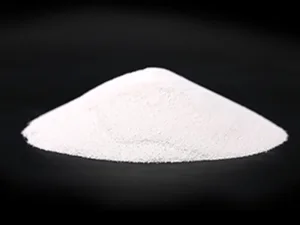
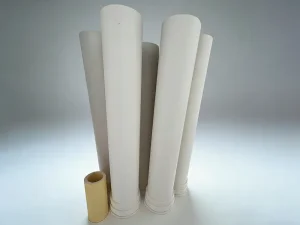
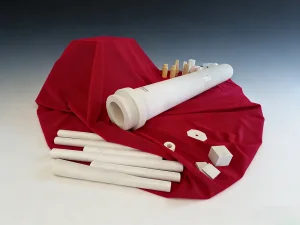
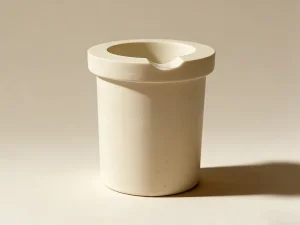
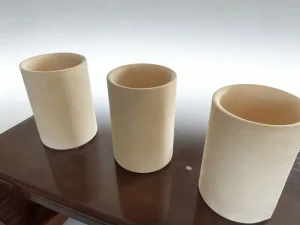
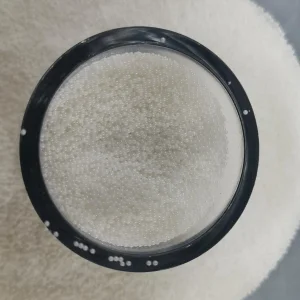
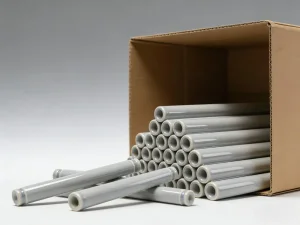
In modern high-tech manufacturing, the term "Wholesale Ceramic Clay" has transcended traditional silicate pottery clays. Today, in the lexicon of advanced materials procurement, industrial ceramic clay encompasses engineered synthetic ceramic feedstocks, high-purity inorganic oxide powders (such as Yttria-Stabilized Zirconia, Alumina, and Magnesia), and non-oxide precursor clays (such as Silicon Nitride and Boron Nitride). These processed ceramic raw materials form the foundational bedrock for global semiconductor manufacturing, new energy storage, aerospace thermal barrier coatings, biomedical prosthetics, and ultra-fine chemical grinding systems.
As global supply chains demand higher purity levels (>99.99%), controlled grain size distribution (nanometer to micron scales), and exceptional mechanical reliability under extreme environment stress, leading procurement officers and materials engineers rely on fully integrated ceramic clay factories and precision processing facilities capable of delivering consistent chemical formulations and end-to-end quality assurance.
The global advanced ceramic materials market is experiencing unprecedented expansion driven by four mega-trends in industrial technology:
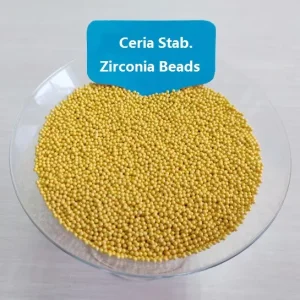
The global transition toward electric vehicles (EVs) and grid-scale energy storage requires massive volumes of sub-micron battery active materials (LFP, NMC). Producing these ultrafine cathode and anode slurry powders necessitates high-density, low-wear ceramic grinding media (such as Ceria-Stabilized Zirconia beads and Yttria-Stabilized Zirconia beads). Industrial ceramic factories are scaling wholesale powder and bead output to meet strict zero-iron contamination standards mandated by tier-1 battery cell manufacturers.
Next-generation semiconductor processing nodes (sub-3nm) demand ceramic components with near-zero thermal expansion, extreme dielectric strength, and chemical plasma erosion resistance. High-purity Alumina (Al2O3), Aluminum Nitride (AlN), and Silicon Nitride (Si3N4) formulated from specialized ceramic clays are replacing structural metals inside plasma etching chambers, wafer chucks, and chemical vapor deposition (CVD) equipment.
Turbine engines and hypersonic re-entry vehicles operate well beyond the thermal melting thresholds of nickel-based superalloys. Modern ceramic matrix composites (CMCs) and refractory compounds like Aluminium Titanate (Al2TiO5) and Magnesium Stabilized Zirconia provide unprecedented thermal shock resistance and low thermal conductivity, keeping structural integrity intact at operational temperatures exceeding 1,500°C.
Biocompatible Yttria-Stabilized Zirconia (YSZ) and high-purity alumina ceramics have become the gold standard for orthopedic joint replacements, dental crowns, and biological fluid pumps due to their chemically inert nature, high flexural strength (>1,000 MPa), and zero bio-reactivity.
When selecting wholesale ceramic clay feedstocks or finished engineering ceramics, engineering procurement teams must evaluate key physical, thermal, and mechanical parameters. Below is a comprehensive material matrix comparing primary advanced ceramic formulations produced across modern ceramic factories.
| Material Specification | Density (g/cm³) | Flexural Strength (MPa) | Thermal Conductivity (W/m·K) | Max Operating Temp (°C) | Primary Industrial Applications |
|---|---|---|---|---|---|
| Yttria Stabilized Zirconia (3Y-TZP) | 6.05 | 1,000 - 1,200 | 2.5 - 3.0 | 1,500 | Grinding media, structural wear components, medical implants, cutting tools |
| High-Purity Alumina (99.8% Al2O3) | 3.92 | 380 - 450 | 30 | 1,700 | Electrical insulators, semiconductor processing, wear plates, chemical nozzles |
| Silicon Nitride (Si3N4) | 3.25 | 850 - 1,000 | 30 - 40 | 1,400 | High-speed bearing balls, engine components, molten metal handling |
| Aluminium Titanate (Al2TiO5) | 3.35 - 3.60 | 40 - 80 | 1.5 - 2.0 | 1,450 | Aluminum casting riser tubes, thermal shock barriers, exhaust port liners |
| Magnesium Oxide (MgO Ceramic) | 3.58 | 200 - 250 | 45 - 60 | 2,200 | High-temperature crucibles, heating elements, molten salt containment |
| Ceria-Stabilized Zirconia (Ce-TZP) | 6.20 | 600 - 800 | 2.0 | 1,300 | Ultra-fine wet grinding media for battery slurries, high-viscosity dispersion |
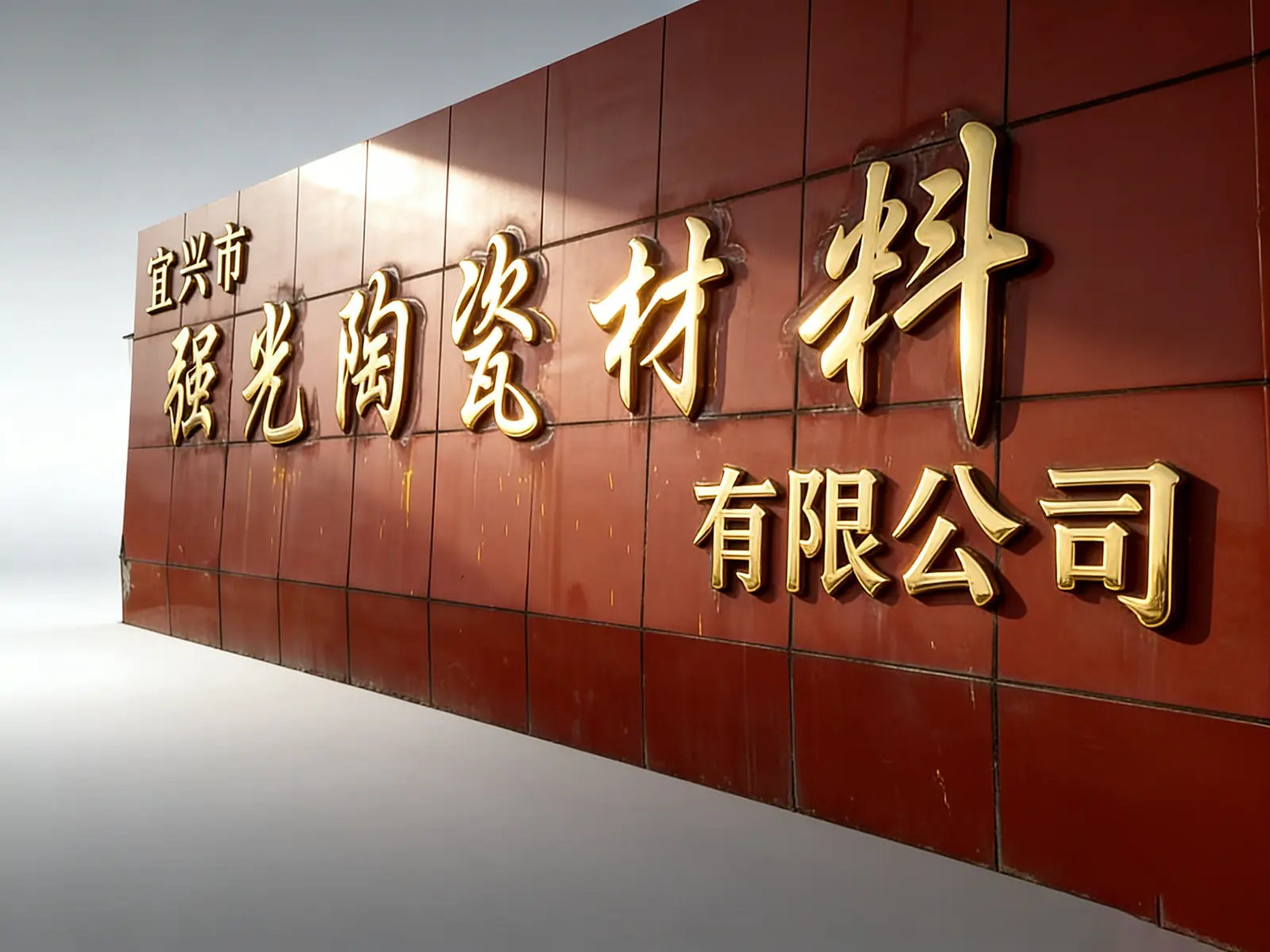
Founded in 2003, Yixing Qiangguang Ceramic Materials Co., Ltd. is a professional provider dedicated to the research and development (R&D), manufacturing, and application solutions of high-performance advanced ceramic materials. It is among the few enterprises in China that possess a complete industrial chain, covering key links from powder forming, sintering and precision machining to the provision of integrated application solutions.
The company is also a rare domestic manufacturer engaged in the R&D, production, and supply of a comprehensive portfolio of ceramic materials. Its product range covers zirconia, yttria, alumina, magnesia, aluminum nitride, boron nitride, silicon nitride, silicon carbide, aluminum titanate and other key ceramic materials for industrial use.
Benefiting from excellent product performance and stable quality, its products are extensively utilized in various high-end fields, such as food and medical industries, new energy vehicles, laser semiconductors, petrochemical engineering, powder metallurgy, national defense and military, as well as aerospace sectors.
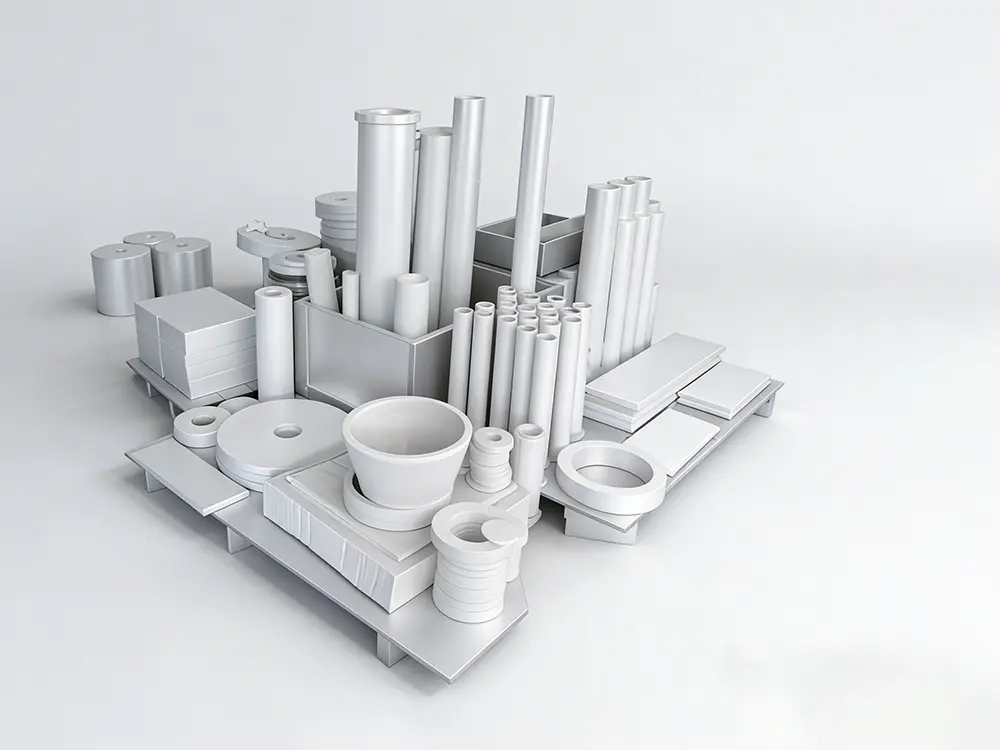
Adhering to the core principle of "creating value for customers", Qiangguang provides customized and cost-efficient advanced ceramic solutions tailored to the specific demands of different customers. It is supported by high-quality after-sales services and a strict full-process tracking system, which effectively enhances cooperation efficiency and promotes continuous quality improvement.
At present, the company's products are sold well across the country and exported to Italy, the United Kingdom, Australia, Japan, Malaysia, Thailand, Hungary and other countries and regions. Committed to delivering high-quality products at reasonable prices, Qiangguang sincerely looks forward to establishing long-term and stable cooperative relations with global partners.
Achieving defect-free engineering ceramics from wholesale ceramic clays requires rigorous process control across four chemical and mechanical stages:
Raw zirconium, aluminum, and titanium salts undergo co-precipitation or hydrothermal synthesis. Micro-organic binders are added, and slurry is atomized in industrial spray drying towers to form spherical, free-flowing granulate powders with uniform bulk density.
Powders are compacted using Dry-Bag or Wet-Bag Cold Isostatic Pressing (CIP) at extreme pressures (up to 200-300 MPa). This ensures isotropic green density, eliminating internal voids and preventing dimensional distortion during high-temperature consolidation.
Green bodies undergo computer-controlled thermal profiles inside high-temperature electric kilns (1,450°C to 1,750°C) or Gas Pressure Sintering (GPS) furnaces. Phase transformation and microstructural grain growth are precisely monitored to achieve >99.5% theoretical density.
Because sintered ceramic components achieve extreme hardness (Mohs 9+), final tight-tolerance dimensions (±0.001mm) are completed using multi-axis diamond grinding, ultrasonic drilling, and mirror CMP polishing.
Across global industrial clusters, customized ceramic clay materials solve unique engineering bottlenecks that metal alloys and plastics cannot survive:
In high-energy horizontal pin agitator bead mills, grinding media endure violent shear forces and micro-impacts. Utilizing Ceria-Stabilized Zirconia (Ce-TZP) or Yttria-Stabilized Zirconia (YSZ) beads ensures near-zero media wear rate (<0.01 g/kg output), maintaining chemical purity in lithium iron phosphate (LFP) slurries and preventing internal short circuits in EV battery cells.
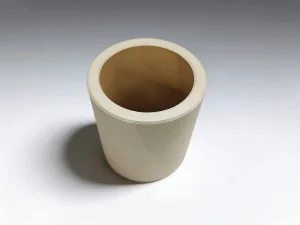
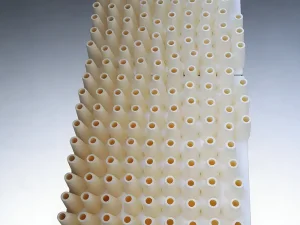
In low-pressure aluminum die casting, metal riser tubes are subjected to severe thermal shock and corrosive molten aluminum attack. Aluminium Titanate (Al2TiO5) ceramics exhibit non-wetting behavior against molten aluminum and negative thermal expansion coefficients, drastically extending operational life from days to months compared to traditional cast-iron tubes.
High-purity Alumina (Al2O3 >99.8%) and Silicon Nitride (Si3N4) ceramic end-effectors, gas distribution plates, and insulator rings operate inside aggressive fluorine-based plasma etching chambers. Their inert chemical nature eliminates chemical contamination while maintaining mechanical rigidity under intense thermal cycling.
Expert answers to common engineering, procurement, and material selection inquiries regarding wholesale ceramic clays, powders, and sintered components.
Explore our full line of specialized ceramic beads, magnesia-stabilized formulations, and high-purity engineering components.