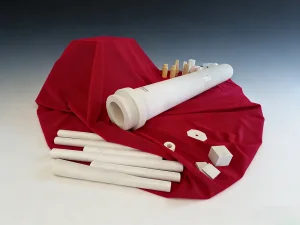
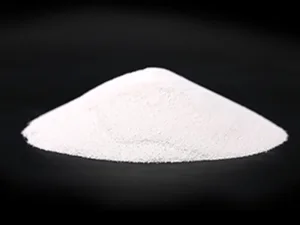
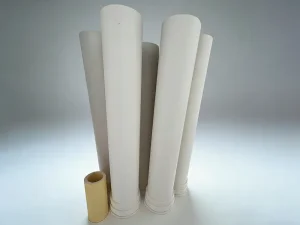
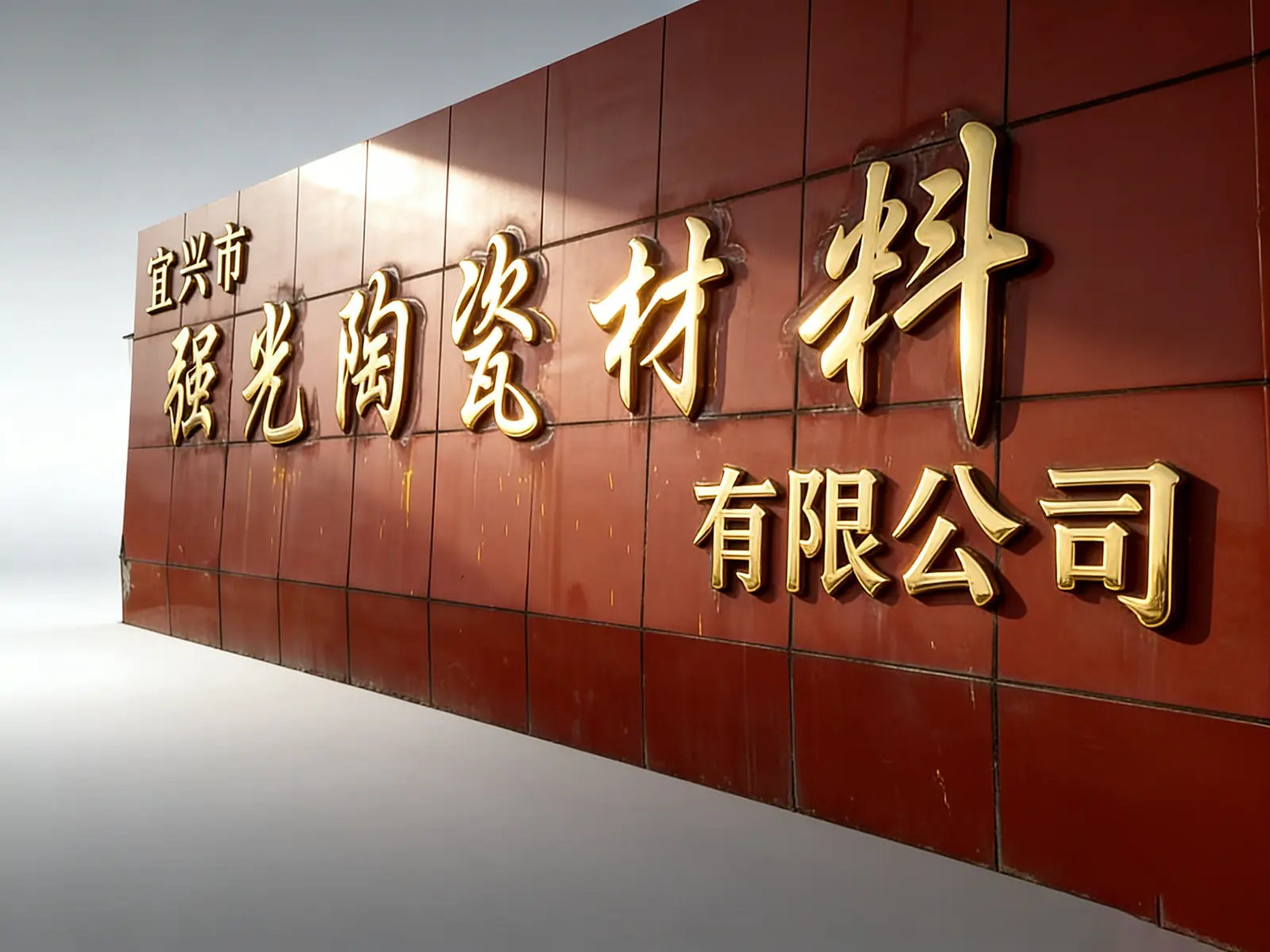
Founded in 2003, Yixing Qiangguang Ceramic Materials Co., Ltd. stands as a premier provider dedicated to research and development (R&D), advanced manufacturing, and engineering application solutions for high-performance industrial ceramic materials. Positioned at the forefront of China's advanced material sector, the company represents a rare group of domestic enterprises that possess a completely vertically integrated industrial ecosystem.
Our fully controlled operational chain spans critical technical phases: from refined powder synthesis, slip formulation, and cold isostatic pressing (CIP) to high-temperature sintering, precision CNC machining, and comprehensive quality validation. By eliminating third-party processing bottlenecks, we guarantee stringent batch-to-batch consistency, microstructural uniformity, and strict dimensional tolerances for complex global industrial demands.
Our material portfolio addresses harsh operating environments across modern manufacturing. We supply a extensive matrix of industrial ceramics, including Yttria-Stabilized Zirconia (YSZ), Magnesium-Stabilized Zirconia (MSZ), Calcium-Stabilized Zirconia (CSZ), High-Purity Alumina (Al₂O₃), Magnesia (MgO), Aluminum Nitride (AlN), Boron Nitride (BN), Silicon Nitride (Si₃N₄), Silicon Carbide (SiC), and Aluminum Titanate (Al₂TiO₅).
Selecting the appropriate industrial ceramic material requires matching physical properties to specific chemical, thermal, and mechanical stresses. Below is a comparative breakdown of our core engineered technical ceramics, formulated for high-demand industrial scenarios.
| Material Type | Density (g/cm³) | Flexural Strength (MPa) | Thermal Conductivity (W/m·K) | Max Operating Temp (°C) | Key Technical Superiority |
|---|---|---|---|---|---|
| Yttria-Stabilized Zirconia (YSZ) | > 6.05 | 1000 - 1200 | 2.5 - 3.0 | 1250 | Extreme fracture toughness, exceptional wear resistance, biocompatible. |
| Magnesium-Stabilized Zirconia (MSZ) | > 5.75 | 600 - 800 | 2.0 - 2.5 | 1400 | High thermal shock resistance, thermal insulation, steam degradation resistance. |
| 99.7% High-Purity Alumina (Al₂O₃) | > 3.92 | 380 - 450 | 30 - 35 | 1650 | High electrical insulation, extreme hardness, cost-effective wear resistance. |
| Silicon Nitride (Si₃N₄) | > 3.25 | 850 - 1000 | 25 - 35 | 1300 | Ultra-low friction coefficient, outstanding thermal shock, high mechanical fatigue limit. |
| Aluminum Titanate (Al₂TiO₅) | 3.3 - 3.6 | 30 - 60 | 1.5 - 2.0 | 1000 (Non-wetting) | Near-zero thermal expansion, non-wetting to molten non-ferrous metals (aluminum). |
| Magnesium Oxide Ceramics (MgO) | 3.50 - 3.58 | 200 - 300 | 40 - 60 | 2200 | Exceptional resistance to molten metals/slags, ultra-high temperature stability. |
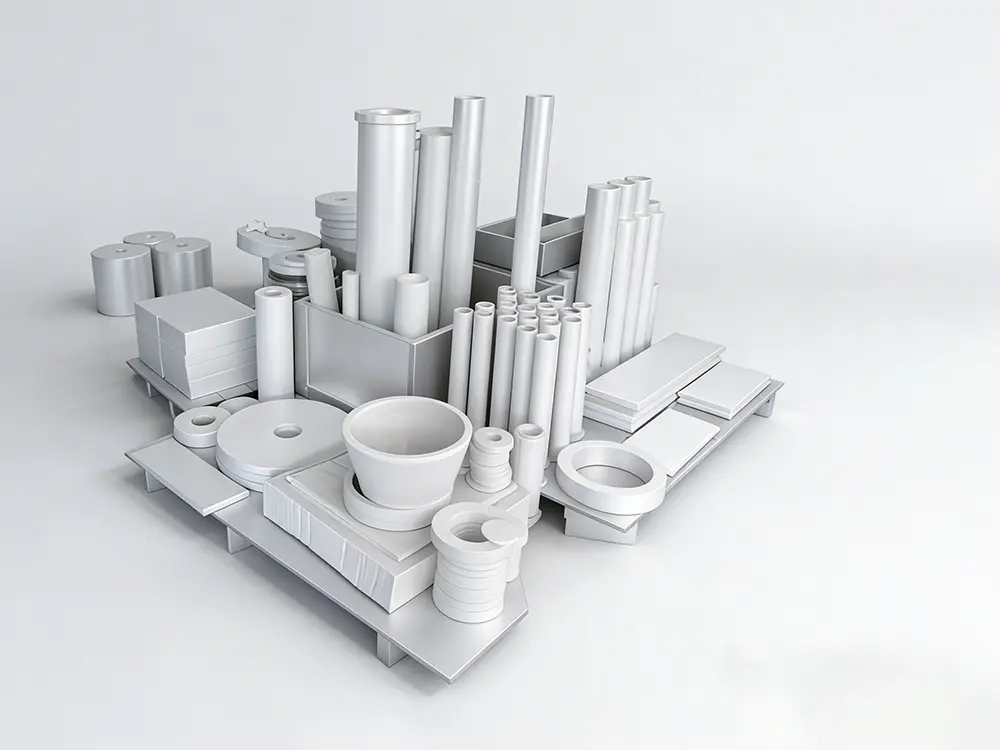
China has emerged as the global epicenter for industrial ceramic raw materials and engineered ceramic component production. Benefiting from vast domestic reserves of high-purity kaolin, rare earths (yttrium, cerium), and precursor chemicals, Chinese suppliers provide unmatched supply stability and price-to-performance efficiency.
At Yixing Qiangguang Ceramic Materials Co., Ltd., we combine these geographical raw material advantages with automated processing technology. Our factory features state-of-the-art spray drying granulators, automated cold isostatic presses (CIP), high-temperature electric kilns operating up to 1800°C, and 5-axis CNC diamond grinding machinery.
This end-to-end control allows us to eliminate cross-contamination during powder formulation, optimize microstructural grain boundaries, and deliver custom geometries with micrometer-level precision.
Adhering strictly to our founding ethos of "Creating Long-term Value for Customers," Qiangguang provides bespoke and cost-efficient advanced ceramic solutions tailored to specific physical demands. Supported by responsive technical support and a full-process digital tracking system, we maximize operational uptime for our worldwide clients.
Our engineering components are exported across key industrial markets, including Italy, the United Kingdom, Australia, Japan, Malaysia, Thailand, Hungary, Germany, and the United States. Committed to delivering reliable products at competitive direct-from-factory prices, we establish sustainable partnerships globally.
Engineered ceramics are rapidly replacing traditional metal alloys and polymers in environments exposed to extreme temperatures, severe corrosion, and high mechanical abrasion.
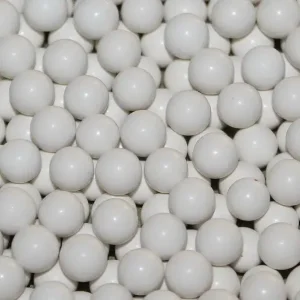
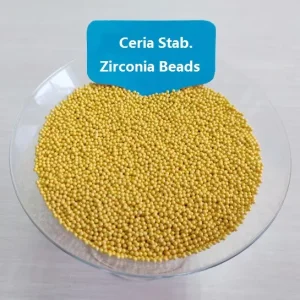
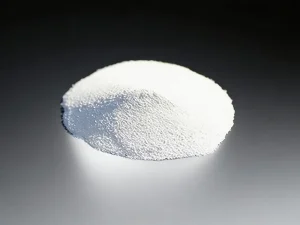
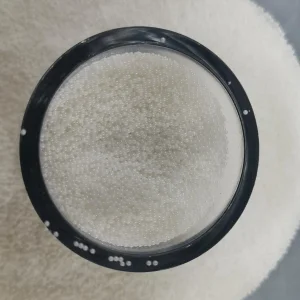
In lithium-battery slurry wet grinding, contamination from metallic particles can cause electrical shorts. Our high-purity Alumina and Yttria-Stabilized Zirconia grinding beads deliver zero-metal-contamination ultra-fine milling down to the nanometer scale, ensuring battery thermal stability.
High-purity alumina ceramics and aluminum nitride sub-assemblies serve as critical dielectric insulators, plasma-resistant chamber liners, and thermal management substrates in wafer processing and high-power industrial laser heads.
Biocompatible zirconia structural components, including ceramic valve seats, metering pistons, and dental restorative blanks, offer complete non-reactivity with biological fluids, high chemical inertness, and exceptional wear resistance.
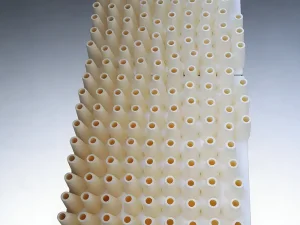
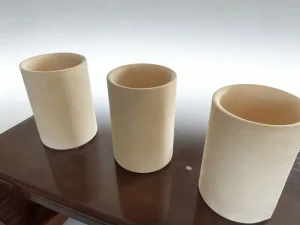
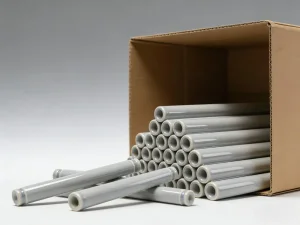
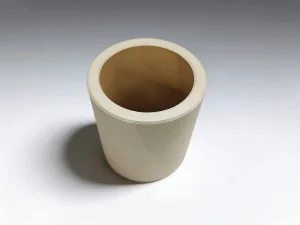
Magnesium oxide (MgO) crucibles and aluminum titanate riser tubes provide exceptional resistance to aggressive chemical slags, molten aluminum wetting, and severe thermal cycles up to 2200°C in high-end metallurgical processes.
Procuring technical ceramic components globally requires rigorous technical auditing to ensure material purity, structural density, and precise dimensional control. Buyers should consider four essential technical criteria when selecting a manufacturing partner:
The mechanical performance of sintered ceramics depends on the quality of the starting powder. Look for suppliers utilizing chemical co-precipitation or spray-drying technology to achieve narrow particle size distributions and homogenous stabilizer distribution (e.g., 3mol% Y₂O₃ in zirconia).
Uniaxial dry pressing can introduce density gradients that cause warping during sintering. Cold Isostatic Pressing (CIP) applies uniform hydraulic pressure (up to 200 MPa) from all directions, producing isotropic green bodies with minimal internal stress.
Post-sintering ceramics exceed 9 on the Mohs hardness scale, requiring specialized diamond tooling. Ensure your supplier operates high-speed CNC diamond grinding, ultrasonic machining, and optical lapping equipment capable of maintaining Ra < 0.1 µm surface finishes.
A comprehensive quality assurance workflow should include X-ray diffraction (XRD) phase analysis, CMM dimensional measurement, helium leak detection for vacuum components, and 100% dye-penetrant testing for micro-crack prevention.
Get authoritative answers to critical engineering, manufacturing, and international procurement questions regarding advanced clay ceramic supplies.