Explore our industrial-grade technical ceramic components engineered for extreme thermal, chemical, and wear-resistant applications.
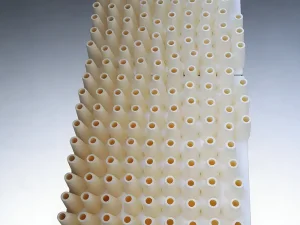
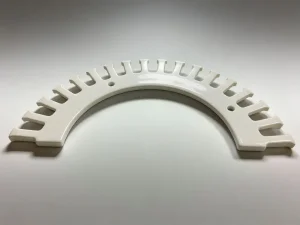
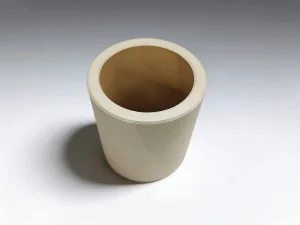
A deep dive into high-frequency dielectrics, structural integrity, and manufacturing paradigms across global supply chains.
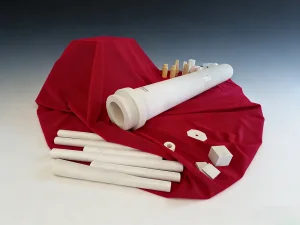
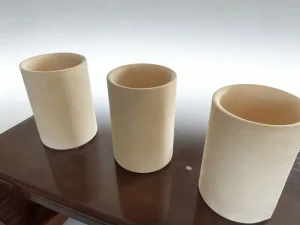
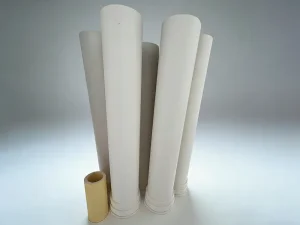
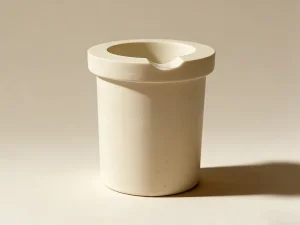
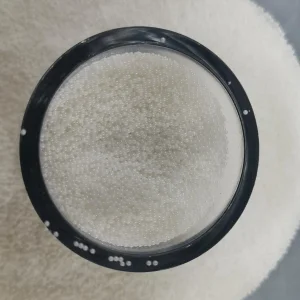
Industrial porcelain and technical ceramic rods (Alumina Al₂O₃, Zirconia ZrO₂, Steatite C220) rely on microstructural phase control. High-density sintering eliminates microporosity, achieving dielectric strength up to 30 kV/mm and zero open absorption.
Modern Chinese ceramic manufacturing utilizes diamond-tool CNC grinding, centerless lapping, and cold isostatic pressing (CIP) to deliver length-to-diameter ratios exceeding 50:1 with dimensional tolerances tighter than ±0.001 mm.
Engineered for continuous service above 1600°C, high-alumina and porcelain rods exhibit thermal expansion coefficients lower than 7.5×10⁻⁶/K, delivering unmatched immunity to thermal shock, slag erosion, and aggressive acid-base solvents.
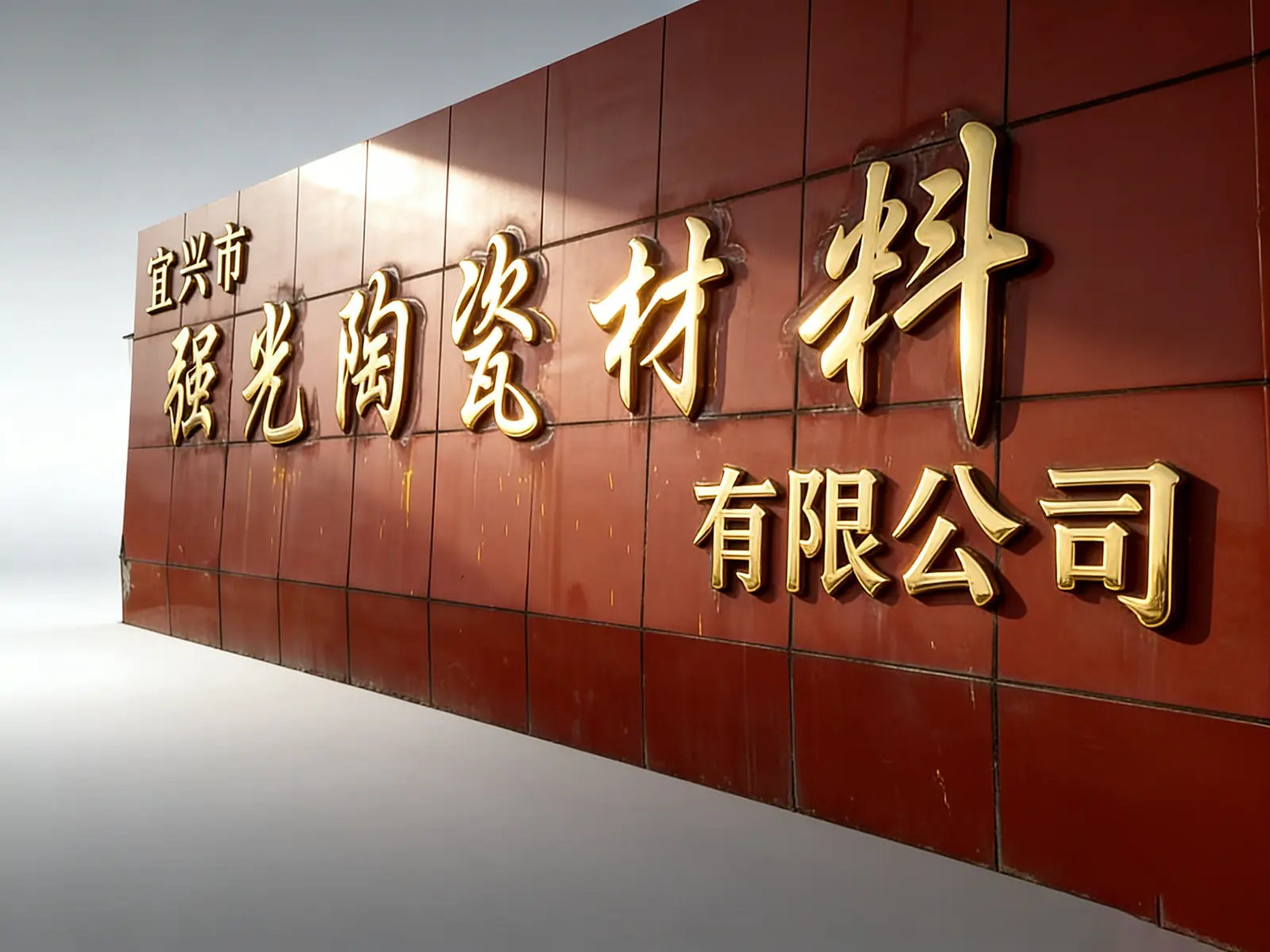
Yixing Qiangguang Ceramic Materials Co., Ltd. – Leading the global transition toward high-precision structural and functional ceramics.
Founded in 2003, Yixing Qiangguang Ceramic Materials Co., Ltd. is a professional provider dedicated to the research and development (R&D), manufacturing, and application solutions of high-performance advanced ceramic materials. It is among the few enterprises in China that possess a complete industrial chain, covering key links from powder forming, sintering and precision machining to the provision of integrated application solutions.
The company is also a rare domestic manufacturer engaged in the R&D, production, and supply of a comprehensive portfolio of ceramic materials. Its product range covers zirconia, yttria, alumina, magnesia, aluminum nitride, boron nitride, silicon nitride, silicon carbide, aluminum titanate and other key ceramic materials for industrial use.
Benefiting from excellent product performance and stable quality, its products are extensively utilized in various high-end fields, such as food and medical industries, new energy vehicles, laser semiconductors, petrochemical engineering, powder metallurgy, national defense and military, as well as aerospace sectors.
From raw material stoichiometry to high-temperature kiln firing and laser interferometer inspection, every porcelain rod and ceramic component undergoes 100% full-process tracking to guarantee zero-defect delivery.
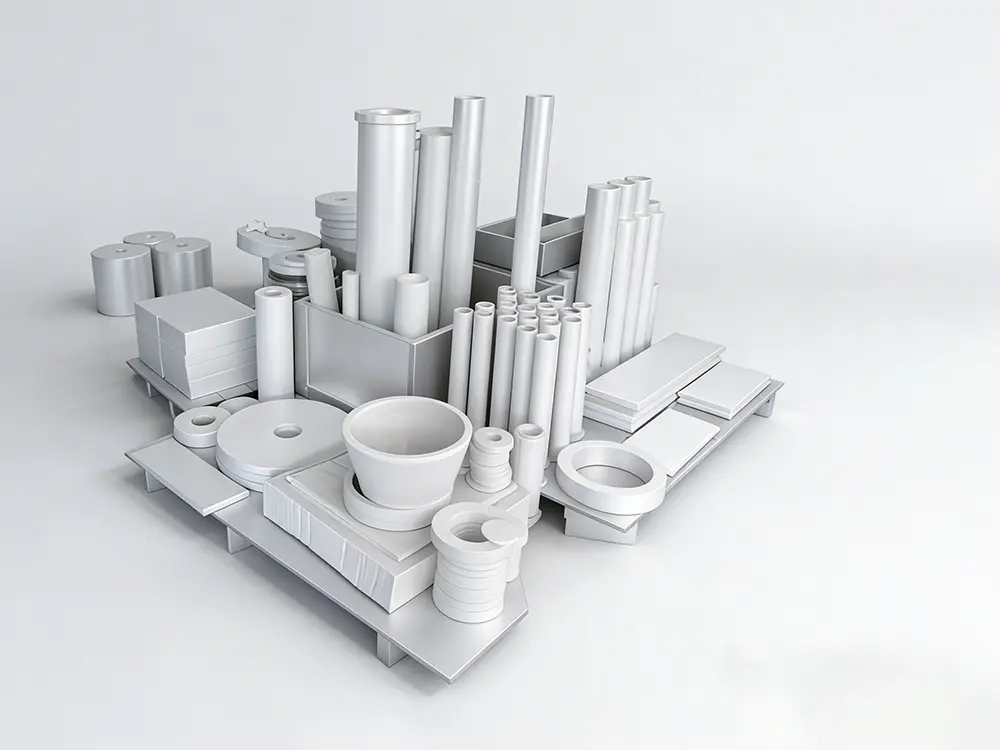
Adhering to the core principle of "creating value for customers", Qiangguang provides customized and cost-efficient advanced ceramic solutions tailored to the specific demands of different customers. It is supported by high-quality after-sales services and a strict full-process tracking system, which effectively enhances cooperation efficiency and promotes continuous quality improvement.
At present, the company's products are sold well across the country and exported to Italy, the United Kingdom, Australia, Japan, Malaysia, Thailand, Hungary and other countries and regions. Committed to delivering high-quality products at reasonable prices, Qiangguang sincerely looks forward to establishing long-term and stable cooperative relations with global partners.
Unlocking unparalleled cost efficiencies, raw material sovereignty, and advanced precision engineering.
Yixing is widely recognized as the "Ceramic Capital of China." This geographic clustering creates an unmatched ecosystem of high-purity raw material suppliers, specialized tooling machine makers, and specialized testing laboratories, shortening prototyping cycles by up to 60% compared to Western suppliers.
By integrating automated powder spray-drying, automated hydraulic pressing, and continuous tunnel kiln firing, Chinese factories achieve economies of scale that reduce unit costs by 30% to 50% while fully meeting or exceeding DIN, ISO, and ASTM physical standards.
Equipped with 5-axis CNC diamond grinding centers, laser micro-drilling, and ultrasonic machining apparatuses, manufacturers can turn fired porcelain and dense ceramic rods to exacting tolerances, intricate keyways, threads, and steps impossible with legacy ceramic techniques.
| Material Type | Density (g/cm³) | Flexural Strength (MPa) | Thermal Conductivity (W/m·K) | Max Operating Temp (°C) | Dielectric Strength (kV/mm) |
|---|---|---|---|---|---|
| Electrical Porcelain (C-110 / C-120) | 2.4 - 2.6 | 80 - 120 | 1.5 - 2.5 | 1100°C | 20 - 25 |
| Steatite Ceramic (C-221) | 2.7 - 2.8 | 140 - 180 | 2.5 - 3.0 | 1200°C | 25 - 30 |
| 95% Alumina (Al₂O₃) | 3.65 - 3.75 | 300 - 350 | 18 - 22 | 1550°C | 18 - 25 |
| 99.5% High-Purity Alumina | 3.90 - 3.95 | 380 - 450 | 30 - 35 | 1700°C | 25 - 30 |
| Y-TZP Zirconia (ZrO₂) | 6.00 - 6.05 | 900 - 1200 | 2.5 - 3.0 | 1000°C | 15 - 20 |
| Silicon Nitride (Si₃N₄) | 3.20 - 3.25 | 700 - 900 | 25 - 35 | 1400°C | 18 - 22 |
Overcoming quality variance, lead time delays, and strict tolerance requirements with engineering rigor.
Challenge: Slender ceramic and porcelain rods are notoriously prone to warpage and camber during high-temperature sintering, leading to binding or assembly failures in precision equipment.
China Factory Solution: We utilize specialized vertical hanging sintering methods combined with centerless diamond grinding, enforcing strict total indicator reading (TIR) straightness down to 0.02 mm per 100 mm length.
Challenge: Rapid thermal cycling in heating elements or chemical stirrers often induces catastrophic micro-cracking and brittle failure.
China Factory Solution: Tailored material formulations, such as Magnesium-Stabilized Zirconia and Aluminium Titanate (known for near-zero thermal expansion), prevent phase transformations and withstand thermal shock differentials exceeding ΔT = 500°C.
Challenge: Textile yarn guides and high-speed shafts require ultra-smooth surface finishes to prevent fiber fraying or excessive mechanical wear.
China Factory Solution: Multi-stage magnetic polishing and diamond paste lapping yield mirror-like surface finishes down to Ra < 0.05 μm (2 micro-inches), minimizing friction coefficients drastically.
Challenge: Overseas buyers often face high minimum order quantities (MOQs) and excessive tooling charges for custom-machined ceramic profiles.
China Factory Solution: Rapid 3D ceramic printing and CNC green-state machining enable flexible prototyping from 5 pieces up to 500,000 unit batch runs without prohibitive tooling overheads.
From semiconductor fabrication chambers to heavy metallurgical furnaces, discovering where precision rods power global industry.
Used as core support rods in high-voltage transformers, switchgear, electric heaters, and spark plugs. High dielectric breakdown resistance ensures leak-free isolation under intense electrical fields.
Porcelain and high-alumina ceramic rods serve as structural rollers, thermocouple protection tubes, and heating element supports inside continuous sintering kilns operating up to 1700°C.
Due to zero chemical reactivity with strong acids, alkalis, and organic solvents, ceramic rods are deployed as agitator shafts, check valve balls, and plunger pistons in corrosive fluid pumps.
Mirror-polished porcelain and zirconia eyelet rods guide high-speed synthetic yarns, optical fibers, and metal wires without causing surface chafing or friction-induced static buildup.
Ultra-high purity Alumina (99.8%) and Aluminum Nitride ceramic rods serve as wafer lift pins, plasma etching chamber components, and thermal spreaders requiring high thermal conductivity.
Biocompatible Yttria-Stabilized Zirconia (Y-TZP) rods are utilized in medical device fabrication, orthopedic pins, laboratory grinding shafts, and high-precision analytical instruments.
Ensuring seamless integration into European, North American, and Asia-Pacific manufacturing ecosystems.
Navigating the technology roadmaps shaping the next decade of advanced industrial materials.
Stereolithography (SLA) and Binder Jetting of porcelain and alumina slurries allow complex internal cooling channels within ceramic rods that were previously impossible to bore or machine.
Leading Chinese factories are migrating toward clean hydrogen-powered kilns and microwave sintering technology, reducing energy consumption by 40% while preserving ultra-high grain boundary purity.
Demands for low dielectric loss tangent (tan δ < 0.0002) in high-frequency telecommunications drive the adoption of modified steatite and high-purity alumina rods as signal-insulating pillars.
Expert technical insights regarding specification, selection, and purchasing of China porcelain rods.
Electrical porcelain (such as C-110/C-120 steatite or silicate porcelain) is highly cost-effective and provides superb electrical insulation at moderate temperatures (up to 1100°C). Alumina (Al₂O₃) ceramic rods offer significantly higher mechanical flexural strength (up to 450 MPa), superior hardness, and extreme temperature resistance up to 1700°C, making them preferred for heavy mechanical stress and high-temperature furnace environments.
As-fired ceramic and porcelain rods typically achieve standard tolerances of ±1% to ±2%. However, with precision centerless diamond grinding and CNC lapping, Yixing Qiangguang delivers outer diameter (OD) and length tolerances as tight as ±0.001 mm, with total indicator straightness under 0.02 mm per 100 mm.
For strong acid or alkaline chemical exposure, 99.5% High-Purity Alumina or Silicon Nitride (Si₃N₄) provides near-complete chemical inertness. Zirconia (Y-TZP) is also exceptional for wear-resistant pumps, but high-temperature steam environments above 200°C require stabilized formulations (such as Magnesia-Stabilized Zirconia) to prevent low-temperature degradation (LTD).
Yes. We specialize in OEM and ODM manufacturing. You can provide 2D (PDF, DWG) or 3D CAD files (STEP, IGES), and our engineering team will perform a Design for Manufacturability (DFM) assessment to optimize powder pressing, sintering shrinkage, and final diamond machining steps.
Standard prototype orders or stock tooling samples take approximately 7 to 14 days. Custom-tooled mass production runs generally require 3 to 4 weeks, including high-temperature firing and precision diamond grinding. Urgent air freight or DDP sea shipment options are fully supported.
We utilize custom shock-absorbent EPE foam slot trays, vacuum-sealed moisture protection, and reinforced export-grade wooden cases. Individual rods are separated to eliminate surface contact and vibration damage during long-distance maritime or air transport.
Browse our complete series of engineered materials designed for specialized technical performance.