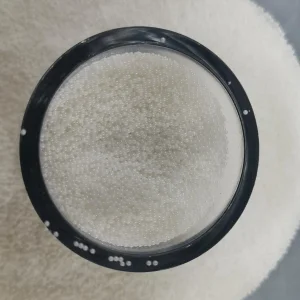
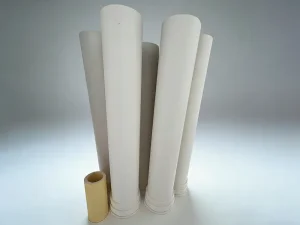
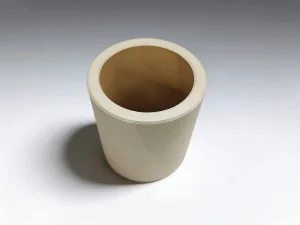
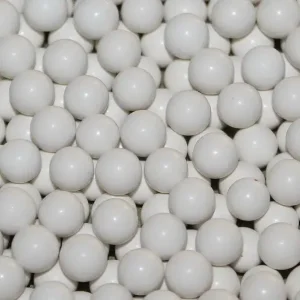
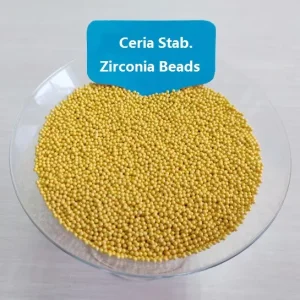
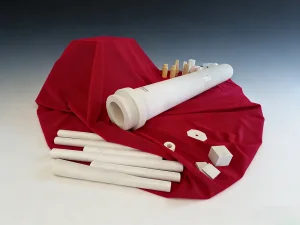
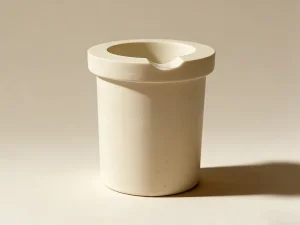
Explore our high-performance zirconia, alumina, and specialized industrial ceramic vacuum sucker solutions manufactured direct from factory.
Understanding the critical role of ceramic vacuum suckers (vacuum chucks) in ultra-precision, zero-contamination, and extreme-temperature manufacturing environments.
In silicon wafer processing, lithography, and flat panel display manufacturing, structural ceramic vacuum suckers deliver sub-micron flatness without electrostatic discharge or metallic contamination.
Engineered with controlled porosity (pore size 2-10µm), our porous ceramic vacuum suckers evenly distribute holding force across delicate thin films, glass sheets, and organic polymers without suction marks.
Unlike standard rubber or polyurethane suckers, ceramic vacuum end-effectors withstand operating environments exceeding 1000°C, acidic/alkaline chemical baths, and aggressive plasma cleaning cycles.
As microelectronics, solar photovoltaic cells, and automated robotic assembly reach nanometer-scale tolerances, traditional pneumatic suction cups face major bottlenecks: mechanical deformation, outgassing in high-vacuum chambers, rapid wear, and static accumulation. Factory-direct ceramic vacuum suckers—crafted from Yttria-Stabilized Zirconia (YSZ), High-Purity Alumina (Al₂O₃), and Aluminum Nitride (AlN)—provide total dimensional stability, zero outgassing, high Vickers hardness, and customizable resistivity for electrostatic discharge (ESD) safety.
Choosing the optimal material substrate determines vacuum suction force, lifetime durability, thermal conductivity, and anti-static performance.
| Ceramic Material Type | Density (g/cm³) | Flexural Strength | Thermal Conductivity | Primary Vacuum Sucker Application | Performance Rating |
|---|---|---|---|---|---|
| Yttria-Stabilized Zirconia (YSZ) | 6.05 | > 1000 MPa | 2.5 W/m·K | High-impact pick-and-place end-effectors, extreme wear robotic grippers | Ultra Tough |
| 99.7% High-Purity Alumina (Al₂O₃) | 3.92 | 380 MPa | 30 W/m·K | Semiconductor wafer chucks, PCB substrate vacuum holding fixtures | Industry Standard |
| Porous Alumina / Zirconia | 2.4 - 2.8 | 120 - 180 MPa | 15 W/m·K | Thin film vacuum suction, ultra-thin silicon wafer & glass sheet handling | Uniform Suction |
| Aluminum Nitride (AlN) | 3.26 | 320 MPa | 170 - 200 W/m·K | High thermal dissipation vacuum suckers, heated semiconductor chucks | High Thermal |
| Magnesium Oxide / Titanate Ceramics | 3.58 | 220 MPa | 40 W/m·K | Corrosive chemical vapor environments, high-shock heat processing | Chemical Resistant |
Founded in 2003, Yixing Qiangguang Ceramic Materials Co., Ltd. is a professional provider dedicated to the research and development (R&D), manufacturing, and application solutions of high-performance advanced ceramic materials. It is among the few enterprises in China that possess a complete industrial chain, covering key links from powder forming, sintering, and precision machining to the provision of integrated vacuum suction application solutions.
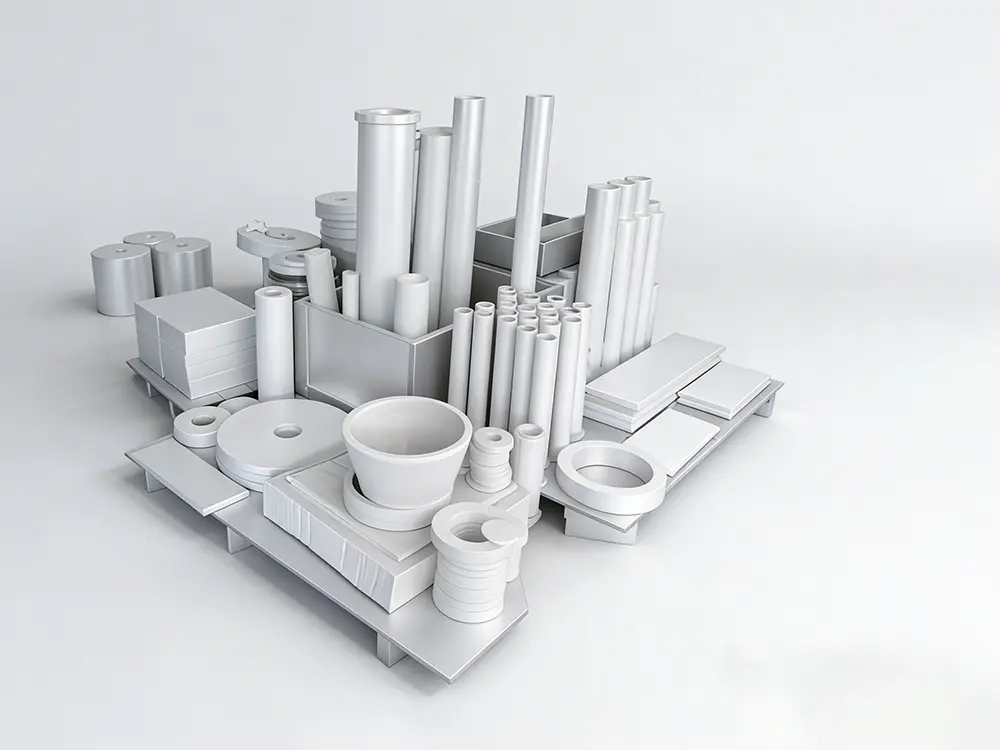
The company is also a rare domestic manufacturer engaged in the R&D, production, and supply of a comprehensive portfolio of advanced engineering ceramics. Its product range covers zirconia, yttria, alumina, magnesia, aluminum nitride, boron nitride, silicon nitride, silicon carbide, aluminum titanate, and specialized porous structural components engineered specifically for industrial wholesale vacuum suckers and chucks.
Benefiting from excellent product performance and stable quality, its products are extensively utilized in various high-end fields, such as food and medical industries, new energy vehicles, laser semiconductors, petrochemical engineering, powder metallurgy, national defense and military, as well as aerospace sectors.
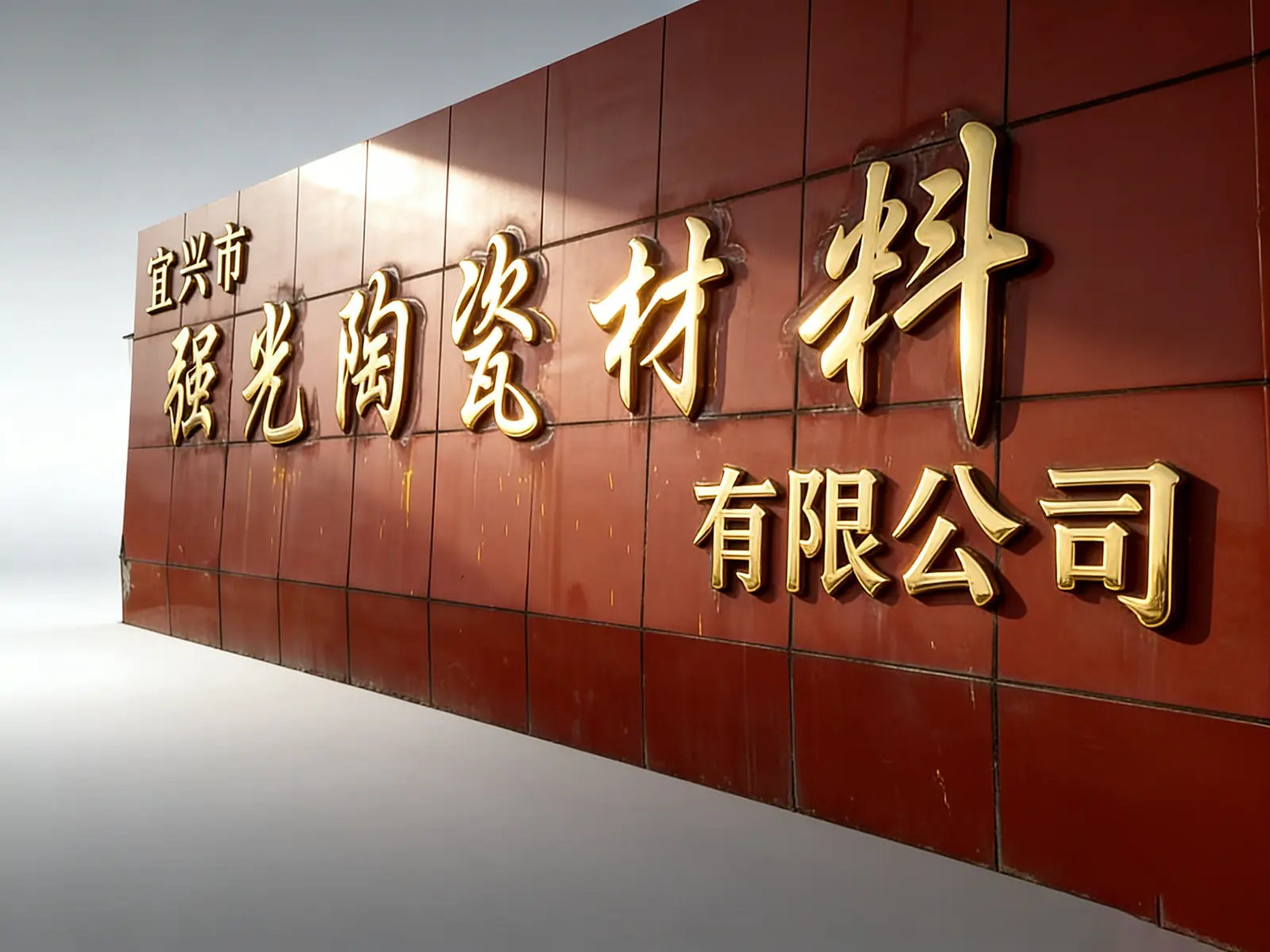
By controlling the entire production pipeline in-house, Qiangguang ensures that every vacuum sucker, chuck plate, and structural ceramic bead meets stringent geometrical tolerances. Our facility houses cold isostatic pressing (CIP), dry pressing, high-temperature atmospheric sintering kilns (up to 1800°C), and 5-axis CNC diamond grinding machinery capable of achieving micro-inch surface finishes.
Engineered for seamlessly compliant integration across North America, Europe, East Asia, and emerging technology markets.
At present, our company's advanced ceramic vacuum suckers and structural ceramic components are sold widely across China and exported to Italy, the United Kingdom, Australia, Japan, Malaysia, Thailand, Hungary, and numerous other countries and regions worldwide.
Committed to delivering high-quality products at competitive wholesale factory prices, Qiangguang sincerely looks forward to establishing long-term and stable cooperative OEM/ODM relations with global industrial automation system integrators and equipment original engineering manufacturers (OEMs).
We accommodate custom CAD design specifications, offering tailor-made hole patterns, vacuum groove configurations, porous density variations, and metallic flange fittings (e.g., Kovar, stainless steel, aluminum mounts) bonded via active metal brazing.
Every batch undergoes strict 100% CMM dimensional testing, helium leak detection for vacuum tightness, and surface roughness interferometry, compliant with ISO9001 quality management standard and RoHS/REACH environmental protocols.
Anticipating the technological demands of semiconductor nodes below 2nm, 8K OLED displays, and ultra-fast robotic pick-and-place systems.
Integrating embedded piezoelectric pressure sensors and temperature micro-couplers directly inside the ceramic body to enable real-time feedback for Smart Factory Industry 4.0 automation.
Developing ultra-fine pore ceramic structures (< 1 micron) to prevent deformation when lifting ultra-thin silicon wafers (down to 30µm thickness) without micro-cracking risks.
Engineering customized surface volume resistivity (10⁶ - 10⁹ Ω·cm) in zirconia and alumina bodies to instantly neutralize static charges generated during ultra-high-speed substrate transfer.
Answers to critical questions regarding engineering specifications, customization, ordering, and application suitability.
Browse our extensive wholesale catalogue direct from our China manufacturing facility.